velvet fabric
CN → US| HS Code | Tariff Rate | Origin | Destination | Doc |
|---|---|---|---|---|
| 5801229000 | 55.2% | CN | US | Official Doc |
| 5801275020 | 53.5% | CN | US | Official Doc |
| 6001920010 | 52.2% | CN | US | Official Doc |
| 6001920030 | 52.2% | CN | US | Official Doc |
Product Images
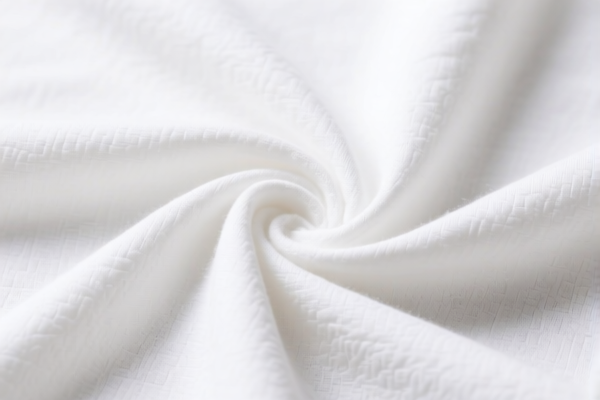


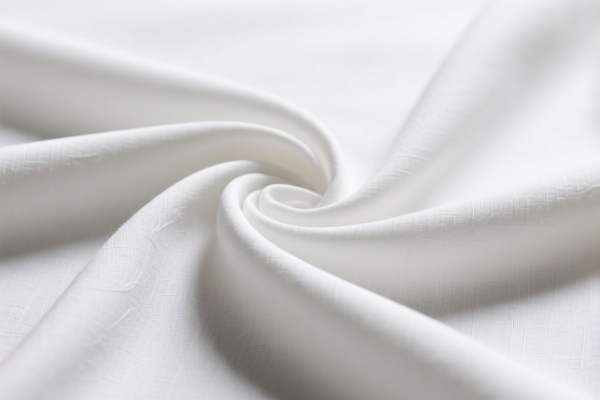
AI Analysis
🧵 Velvet Fabric: The Ultimate HS Code Guide & Tariff Strategy (2026 Edition)
🌐 Global Trade Compliance | US Import Tariffs Decoded | Smart Customs Clearance for Velvet
📌 One Product, Four Possible Classifications: Which One Saves You the Most?
Velvet is a luxurious pile fabric known for its soft, smooth texture and rich appearance. In global trade, not all "velvet" is treated the same. The HS Code depends entirely on: 1. Construction Method (Knitted vs. Woven) 2. Fiber Content (Cotton, Man-Made, or Other) 3. Fabric Structure (Pile height, density, and finish)
Misclassification can lead to massive tariff spikes (up to 55.2%), shipment delays, or even seizure of goods.
⚠️ Critical Insight:
- Knitted Velvet (e.g., stretch velvet) usually falls under Chapter 60.
- Woven Velvet (e.g., traditional upholstery velvet) usually falls under Chapter 58.
- Material matters: "Other" categories often carry higher duties than Cotton or Man-Made.
📦 I. HS Code Classification Deep Dive (4 Valid Options for Velvet)
Based on current US tariff schedules and fabric specifications, here are the only 4 valid classifications for velvet fabric. Do not guess—match your fabric's construction!
| HS Code | Classification Logic | Key Characteristics | Estimated Duty |
|---|---|---|---|
| 5801.22.90.00 | Woven Velvet (Cotton/Mixed) | Woven pile fabric, classified under "Other" if not purely cotton/linen. | 55.2% |
| 5801.27.50.20 | Woven Pile Fabric | Woven pile fabric, specifically for "Other" pile textiles not specified elsewhere. | 53.5% |
| 6001.92.00.10 | Knitted Pile (Velour) | Knitted fabric with pile, categorized as "Velour" or similar knitted pile. | 52.2% |
| 6001.92.00.30 | Knitted Pile (Other Fibers) | Knitted pile fabric, classified under "Other" if synthetic or blended. | 52.2% |
🔍 Why These Specific Codes?
-
5801.22.90.00:- Logic: This covers woven velvet where the pile is not made of cotton (or mixed). It falls under the "Other" category for woven pile fabrics.
- Material Inference: If your velvet is not 100% cotton, it likely lands here.
- Tax Impact: 55.2% (The highest due to "Other" classification).
-
5801.27.50.20:- Logic: Specifically targets woven pile fabrics that do not fit other specific subheadings. It matches the "woven pile" definition perfectly.
- Material Inference: No specific material conflict; applies to general woven pile.
- Tax Impact: 53.5%.
-
6001.92.00.10:- Logic: For knitted velvet (often called "Velour" in trade). The shape and material match the "Knitted Pile" definition.
- Material Inference: Fits "Other" under knitted pile based on fiber inference.
- Tax Impact: 52.2%.
-
6001.92.00.30:- Logic: Another knitted option for "Other" pile fabrics, distinguishing from the 10 sub-code.
- Material Inference: Covers synthetic or natural fibers not specified in 10.
- Tax Impact: 52.2%.
💡 Rule of Thumb:
- If it's stretched and knitted → Look at 6001.
- If it's rigid and woven → Look at 5801.
- If you don't know the fiber → Assume "Other" → Expect 52-55% tax.
💰 II. 2026 US Tariff Breakdown: The "Three-Tier" Tax Trap
All four codes share a common tax structure for imports from China to the US. The total duty is a compound sum of three distinct components.
📊 The Tax Formula:
Total Duty = (Base Duty) + (Section 301 Tariff) + (Section 122 Tariff)
| Component | Code Reference | Rate | Legal Basis |
|---|---|---|---|
| 1. Base Duty | MFN (Most Favored Nation) | 17.2% ~ 20.2% | Standard US Tariff |
| 2. Section 301 (Added Tax) | "China Tariff" | 25.0% | USITC Footnote (Section 301) |
| 3. Section 122 (New Penalty) | "China Specific" | 10.0% | IEEPA / Section 122 (China-specific) |
| TOTAL | All 4 Codes | 52.2% ~ 55.2% | High Risk Zone |
🎯 Detailed Tax Analysis per Code:
1. For 5801.22.90.00 (Woven, "Other")
- Base Duty: 20.2%
- Section 301: 25.0%
- Section 122: 10.0%
- 🔴 Total Tax: 55.2%
- Why so high? "Other" subcategories often carry the highest base rates when material is mixed.
2. For 5801.27.50.20 (Woven, Pile)
- Base Duty: 18.5%
- Section 301: 25.0%
- Section 122: 10.0%
- 🔴 Total Tax: 53.5%
3. For 6001.92.00.10 & 6001.92.00.30 (Knitted, Velour)
- Base Duty: 17.2%
- Section 301: 25.0%
- Section 122: 10.0%
- 🔴 Total Tax: 52.2%
⚠️ Important: There is NO de minimis exemption for these codes. Even for small shipments, the full 52-55% applies.
🛠️ III. Customs Clearance Strategy: How to Avoid 55% Taxes
✅ 1. Material & Construction Documentation (The "Must-Haves")
To prove your classification, you must provide: * Fiber Composition Certificate: Explicitly state % of Cotton, Polyester, Rayon, etc. (Crucial for distinguishing 5801 vs 6001). * Fabric Construction Diagram: Show weft/warp (woven) vs. knitted loops (knitted). * Pile Height Measurement: Proof of pile density to confirm "Velvet" vs. "Fleece". * Supplier Declaration: Confirm the manufacturing process (Knit vs. Weave).
✅ 2. Smart Classification Tactics
- Avoid "Other" if Possible: If your velvet is 100% Cotton, check if a specific cotton code exists (base duty might be lower, though Section 301/122 still apply).
- Verify "Velour" vs. "Velvet": Knitted velvet (Velour) often has a slightly lower base rate (17.2%) than woven (20.2%).
- Check Exclusions: Ensure your fabric isn't eligible for a "Section 301 Exclusion" (though rare for textiles now).
✅ 3. Risk Mitigation
- Pre-Arrival Ruling: Apply for a Binding Ruling from US Customs (CBP) before shipping. This locks in the HS Code and prevents surprise audits.
- Supply Chain Diversification: If possible, consider sourcing from Vietnam or Mexico to bypass Section 301/122 tariffs (if origin is shifted correctly).
- Cost Modeling: Include 55% duty in your landed cost calculation immediately. Do not assume lower rates.
🌍 IV. Market Comparison: US vs. Global
| Market | Typical Duty for Velvet | Key Notes |
|---|---|---|
| 🇺🇸 USA | 52.2% - 55.2% | Highest in world due to Section 301 + 122. |
| 🇪🇺 EU | ~12% | No Section 301/122; GSP/GST benefits may apply. |
| 🇨🇳 China | ~10-15% | Import tax varies; domestic market avoids these US tariffs. |
| 🇯🇵 Japan | ~10% | Generally lower textile tariffs. |
📌 Conclusion: The US market is the most expensive for importing velvet due to aggressive trade policies.
🎯 V. Final Checklist for Importers
| Step | Action | Status |
|---|---|---|
| 1 | Confirm Knitted vs. Woven | ⬜ |
| 2 | Verify Fiber Content (Cotton vs. Synthetic) | ⬜ |
| 3 | Select 4 Specific HS Codes from Data | ⬜ |
| 4 | Calculate 55.2% Total Tax in Budget | ⬜ |
| 5 | Request Binding Ruling from CBP | ⬜ |
| 6 | Prepare Fiber & Construction Docs | ⬜ |
🚀 Pro Tip:
"Don't just ship 'Velvet'. Ship 'Woven Pile Velvet (100% Cotton)' or 'Knitted Velour (Synthetic)' with precise docs. Precision saves you $5,520 on every $10,000 shipment!"
✨ Expert Insight:
52-55% tax is not a penalty; it's a policy. Plan your pricing, verify your HS Code, and get your pre-ruling done today to avoid costly surprises at the port.
📢 Need Help?
Contact your customs broker immediately to run a Classification Audit on your velvet inventory.
Safe Shipping = Accurate Code = Saved Profit.
Customer Reviews
About HS Code Classification
The Harmonized System (HS) is an internationally standardized nomenclature developed by the World Customs Organization (WCO) to classify traded products. Over 200 countries use the HS system as the basis for customs tariffs, trade statistics, and import/export regulations.
Each HS code follows a hierarchical structure:
- Chapter (2 digits) — Broad category of goods (e.g., Chapter 84: Machinery and Mechanical Appliances)
- Heading (4 digits) — More specific grouping within the chapter
- Subheading (6 digits) — Internationally standardized breakdown, used by all WCO member countries
- National subdivisions (8-10 digits) — Country-specific extensions for further classification, such as US HTSUS 10-digit codes
Correct HS code classification is essential for smooth customs clearance, accurate duty payment, and compliance with trade regulations. Misclassification can lead to customs delays, overpayment of duties, or penalties.
When importing from CN to US, the applicable tariff rates may include:
- Most-Favored-Nation (MFN) rate — The standard duty rate applied to WTO members
- General rate — Applied to countries without trade agreements
- Trade remedy duties — Additional tariffs such as Section 301 (anti-dumping), Section 232 (national security), or countervailing duties
The information provided on this page is for reference purposes only. For official classification, please consult with your local customs authority or a licensed customs broker.