vr protective case
CN → US| HS Code | Tariff Rate | Origin | Destination | Doc |
|---|---|---|---|---|
| 6307909891 | 24.5% | CN | US | Official Doc |
| 6307909875 | 24.5% | CN | US | Official Doc |
| 4202929400 | 52.6% | CN | US | Official Doc |
| 3926901000 | 20.9% | CN | US | Official Doc |
| 4202929336 | 52.6% | CN | US | Official Doc |
Product Images
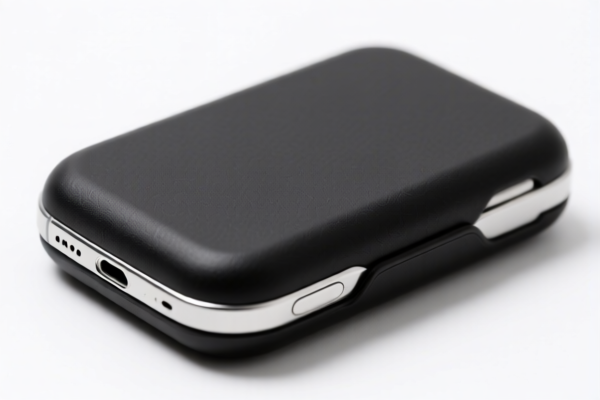
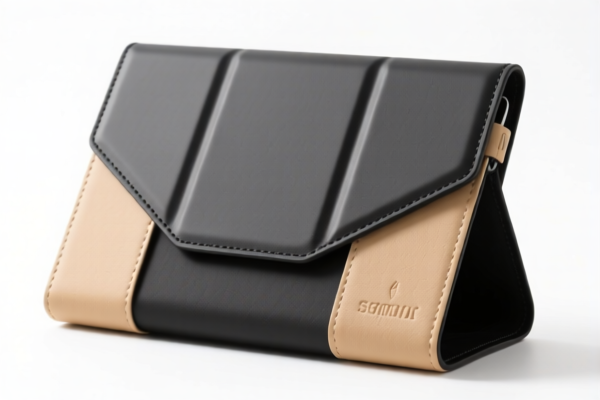
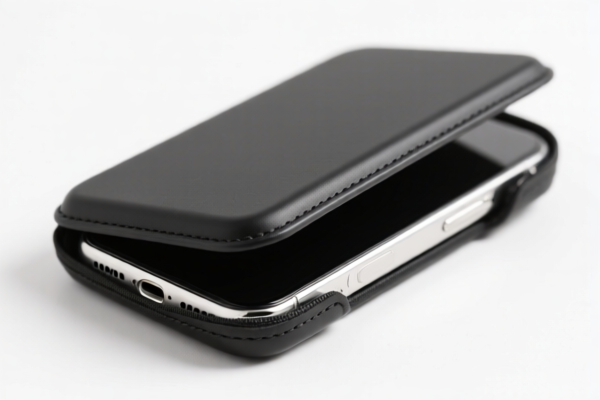
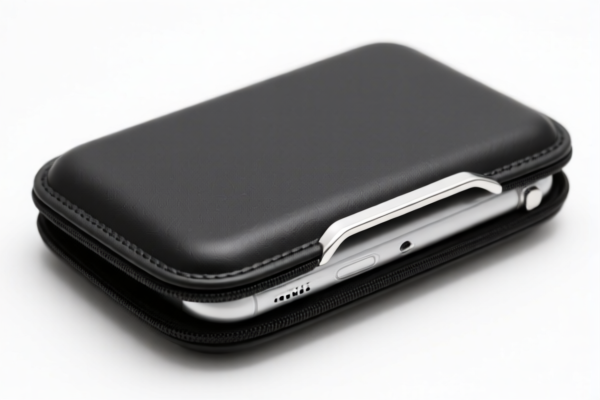
AI Analysis
🥽 VR Protective Case: HS Code Classification & US Customs Clearance Guide 2026
🌐 HS Code Reference & Customs Clearance Strategy | Latest 2026 Tariff Analysis | Professional Compliance Guide 📌 1. Product Definition & Classification: What is a "VR Protective Case"?
A VR (Virtual Reality) Protective Case is an accessory designed to shield high-value electronic headsets from scratches, impacts, and dust. In international trade, its classification is not determined solely by its name, but by its material composition and structural characteristics.
Under US Harmonized Tariff Schedule (HTSUS) rules, these cases fall primarily into two competing chapters: * Chapter 42: Articles of leather or similar materials, travel bags, backpacks, etc. (Often used for textile/fabric-covered cases). * Chapter 39: Articles of plastics. (Used for hard-shell plastic or silicone cases). * Chapter 63: Other made-up textile articles. (Used for soft fabric cases not specifically elsewhere specified).
⚠️ Key Distinction Point: * Material is King: If the outer surface is textile, it likely falls under Chapter 42 (specifically 4202.92) or Chapter 63. If it is plastic/silicone, it falls under Chapter 39. * Function: It is considered a "protective cover" or "accessory" for electronic equipment, NOT the electronic equipment itself.
📦 2. HS Code Classification Details (Based on Provided Data)
Below is the precise mapping of the provided HS Codes, their descriptions, and why they apply.
| HS Code | Product Description & Classification Logic | Applicable Scenario |
|---|---|---|
6307.90.98.91 |
Other Made-up Articles: Classified as "Other finished articles." This is a residual category for protective accessories made of materials not primarily leather, plastic, or textile containers. Logic: If the material is a unique composite or doesn't fit specific "container" definitions. |
General protective accessories; generic "other" protective cases. |
6307.90.98.75 |
Other Masks/Accessories: Classified as "Other masks/accessories." Logic: VR headsets are worn on the face (masks/goggles). If the case is seen as an accessory to the "mask" rather than a container, it may fall here. |
Soft cases, pouches, or covers directly associated with the headset form factor. |
4202.92.94.00 |
Articles of Leather/Plastics/Textiles: "Other containers, with outer surface of plastics or textile materials." Logic: This is the most common classification for branded hard/semi-hard cases with plastic or textile exteriors. It treats the case as a "container" for the device. |
High-quality hard-shell cases with plastic or fabric exterior. Highest Risk for Tariffs. |
3926.90.10.00 |
Plastic Articles: "Other articles of plastics." Logic: If the case is 100% plastic or silicone (no fabric lining, no leather), it is classified as a plastic article, not a textile container. |
Simple, molded plastic or silicone sleeves/cases. Lowest Base Tariff. |
4202.92.93.36 |
Textile Containers: "Other containers, with outer surface of textile materials." Logic: Specifically for cases where the outer surface is textile (e.g., canvas, nylon, velvet). Note: This is the highest tariff risk due to high base duties. |
Fabric-covered protective cases (e.g., "Velvet-lined" or "Canvas" VR cases). |
💰 3. 2026 US Tariff Rate Breakdown (Detailed Analysis)
✅ Destination: United States (US)
✅ Origin: China (CN) (Implied by "122 Clause" and high duty context)
✅ Effective Date: Current US Trade Policy (Section 301 & 122)
🎯 1. The "Plastic/Silicone" Route: 3926.90.10.00
Best for simple, molded plastic cases.
| Item | Detail |
|---|---|
| Base Tariff | 3.4% |
| Section 301 Add-on | +7.5% |
| Section 122 Clause | +10.0% |
| Total Effective Rate | 20.9% |
| Calculation | CIF Value × 20.9% |
| Why this rate? | Plastic articles (Ch 39) have a low base duty. However, Section 122 (often applicable to certain imports or specific geopolitical tariffs) and Section 301 still apply. |
🎯 2. The "Residual/Accessory" Route: 6307.90.98.91 & 6307.90.98.75
Best for miscellaneous materials or face-mask accessories.
| Item | Detail |
|---|---|
| Base Tariff | 7.0% |
| Section 301 Add-on | +7.5% |
| Section 122 Clause | +10.0% |
| Total Effective Rate | 24.5% |
| Calculation | CIF Value × 24.5% |
| Why this rate? | Chapter 63 articles generally have a moderate base duty. The Section 301 and 122 surcharges are identical to the plastic route, but the higher base (7% vs 3.4%) pushes the total up. |
🎯 3. The "Textile/Leather Container" Route: 4202.92.94.00 & 4202.92.93.36
⚠️ WARNING: Highest Cost Scenario.
| Item | Detail |
|---|---|
| Base Tariff | 17.6% |
| Section 301 Add-on | +25.0% |
| Section 122 Clause | +10.0% |
| Total Effective Rate | 52.6% |
| Calculation | CIF Value × 52.6% |
| Why this rate? | CRITICAL: Articles of Chapter 42 (Leather/Textile containers) have a very high base duty (17.6%). Furthermore, Section 301 for these categories often hits the 25% bracket, not just 7.5%. This makes it the most expensive option for importers. |
📌 Tariff Summary Table:
| Material Type | HS Code Example | Base Duty | Sec 301 | Sec 122 | TOTAL RATE |
|---|---|---|---|---|---|
| Plastic/Silicone | 3926.90.10.00 |
3.4% | 7.5% | 10.0% | 20.9% |
| Other/Mixed | 6307.90.98.91 |
7.0% | 7.5% | 10.0% | 24.5% |
| Textile/Leather | 4202.92.94.00 |
17.6% | 25.0% | 10.0% | 52.6% |
🛠️ 4. Customs Clearance Practical Advice
✅ 1. Material Verification is Critical
- Check the Label: Look at the "Made of" label on the case packaging.
- If it says "100% Plastic," "Silicone," or "TPU" → Fight for
3926.90.10.00(20.9%). - If it says "Fabric," "Nylon," "Canvas," or "Leather" → Expect
4202.92(52.6%). - If it is "Plastic with Fabric Lining" → Customs may still classify it under
4202if the exterior surface is textile, OR3926if the plastic is the dominant feature. Clarify this with your broker.
- If it says "100% Plastic," "Silicone," or "TPU" → Fight for
✅ 2. Declaration Strategy
- Do NOT just write "VR Case."
- Correct Declaration:
- Good: "Protective Hard Case for VR Headset, Material: ABS Plastic, No Electronics Inside."
- Bad: "VR Accessories," "Headset Cover," "Protective Bag."
- Include Material Composition: Explicitly state the percentage of plastic vs. textile in the commercial invoice.
✅ 3. Documentation Checklist
| Document | Requirement | Notes |
|---|---|---|
| Commercial Invoice | Must list HS Code & Material | Clearly state "Plastic Article" or "Textile Container" based on HS Code selected. |
| Packing List | Weight & Dimensions | Ensure weights match customs declarations. |
| Product Photos | Clear shots of materials | Show the exterior texture (smooth plastic vs. woven fabric) to prove material type. |
| Material Spec Sheet | Proof of Composition | Supplier declaration: "Outer shell: 100% Polycarbonate." |
✅ 4. Common Pitfalls & Fixes
| Mistake | Consequence | Solution |
|---|---|---|
| Misclassifying Plastic as Textile | Paying 52.6% instead of 20.9% | Provide photos showing smooth plastic texture, not woven fabric. |
| Misclassifying Textile as Plastic | Penalty, Back Duties, Potential Fraud Allegation | Be honest about material. If it's fabric, use 4202. |
| Missing Section 122 Declaration | Customs Delay or Rejection | Ensure origin is declared as China (if applicable) to account for the 10% surcharge. |
| Including Electronics in "Case" | Wrong HS Code Entirely (Ch 85) | Ensure the case contains NO batteries or circuitry. It must be an empty shell. |
🌍 5. Global Market Context (2026)
| Market | Recommended HS Code | Approx. Total Duty (China Origin) | Notes |
|---|---|---|---|
| 🇺🇸 USA | 3926.90.10.00 (Plastic) |
20.9% | Avoid 4202 (52.6%) unless necessary. |
| 🇺🇸 USA | 4202.92.94.00 (Textile) |
52.6% | High risk. Only use if material is truly textile/leather. |
| 🇨🇳 China (Import) | 4202.92 or 3926 |
~10-15% | Lower base duties, no Section 301/122. |
| 🇪🇺 EU | 4202.92 or 3926 |
0-4.5% | No major punitive tariffs, but strict REACH/CE compliance needed. |
| 🇬🇧 UK | 4202.92 or 3926 |
0-4.5% | Post-Brexit rules apply. |
📌 6. Conclusion & Action Plan
🎯 Strategic Recommendation:
1. Design for Cost: If possible, design VR cases with a Plastic/Silicone exterior (3926.90.10.00) to lock in the 20.9% rate. Avoid fabric/leather exteriors unless for luxury branding, as the 52.6% rate will eat margins.
2. Verify Material: Before shipping, get a Material Composition Certificate from the manufacturer.
3. Pre-Ruling: If you are unsure whether a "Plastic with Fabric Insert" case is 3926 or 4202, request a Binding Ruling from US CBP before mass shipment.
🔥 Final Tip:
"Plastic is King, Textile is Costly. Define Material Clearly, Avoid the 50% Trap!"
✨ Professional Customs Clearance Starts with Accurate Classification.
💼 Don't let a 30% tariff difference destroy your profit margin.
Customer Reviews
About HS Code Classification
The Harmonized System (HS) is an internationally standardized nomenclature developed by the World Customs Organization (WCO) to classify traded products. Over 200 countries use the HS system as the basis for customs tariffs, trade statistics, and import/export regulations.
Each HS code follows a hierarchical structure:
- Chapter (2 digits) — Broad category of goods (e.g., Chapter 84: Machinery and Mechanical Appliances)
- Heading (4 digits) — More specific grouping within the chapter
- Subheading (6 digits) — Internationally standardized breakdown, used by all WCO member countries
- National subdivisions (8-10 digits) — Country-specific extensions for further classification, such as US HTSUS 10-digit codes
Correct HS code classification is essential for smooth customs clearance, accurate duty payment, and compliance with trade regulations. Misclassification can lead to customs delays, overpayment of duties, or penalties.
When importing from CN to US, the applicable tariff rates may include:
- Most-Favored-Nation (MFN) rate — The standard duty rate applied to WTO members
- General rate — Applied to countries without trade agreements
- Trade remedy duties — Additional tariffs such as Section 301 (anti-dumping), Section 232 (national security), or countervailing duties
The information provided on this page is for reference purposes only. For official classification, please consult with your local customs authority or a licensed customs broker.