waffle pot
CN → US| HS Code | Tariff Rate | Origin | Destination | Doc |
|---|---|---|---|---|
| 7615102015 | 63.1% | CN | US | Official Doc |
| 7615105020 | 70.6% | CN | US | Official Doc |
| 3924104000 | 13.4% | CN | US | Official Doc |
| 3924102000 | 24.0% | CN | US | Official Doc |
| 6911108010 | 38.3% | CN | US | Official Doc |
| 6911108090 | 38.3% | CN | US | Official Doc |
Product Images
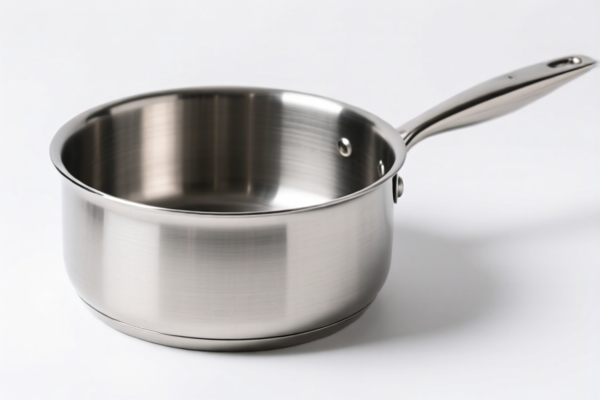



AI Analysis
A waffle pot is a specialized kitchenware item designed for baking waffles. It typically refers to a waffle iron or waffle maker that has a built-in pot or reservoir to hold the batter, or more commonly, a single-serving waffle cone cup (also known as a waffle shooter or waffle batter pot) used to inject batter directly into a waffle iron to create a crisp, cup-shaped waffle often used as a vessel for toppings like ice cream, yogurt, or fruit.
In some contexts, "waffle pot" may also refer to a deep, lidded pot used to cook waffle batter in a traditional stovetop style, where the batter is poured into a molded cast-iron or non-stick pot and cooked on a hot plate until golden and crispy.
Key Features of a Waffle Pot:
- Non-stick coating for easy release
- Temperature control (in electric models)
- Compact size for single servings
- Durable construction (cast iron, aluminum, or stainless steel)
- Compatible with waffle irons or standalone stovetop use
Common Uses:
- Making individual waffle cones or cups
- Preparing mini waffles for desserts
- Creating unique breakfast presentations
- Commercial food service (cafés, bakeries)
Note:
If you are referring to a cast bakeware pot for baking waffles on a stovetop (not a waffle iron), it may fall under HS Code 7615.10.20.15 or 7615.10.50.20 (as seen in your earlier data), especially if made of aluminum and used for cooking.
Let me know if you need details on customs classification, materials, or buying guides for waffle pots! 🧇✨
Customer Reviews
About HS Code Classification
The Harmonized System (HS) is an internationally standardized nomenclature developed by the World Customs Organization (WCO) to classify traded products. Over 200 countries use the HS system as the basis for customs tariffs, trade statistics, and import/export regulations.
Each HS code follows a hierarchical structure:
- Chapter (2 digits) — Broad category of goods (e.g., Chapter 84: Machinery and Mechanical Appliances)
- Heading (4 digits) — More specific grouping within the chapter
- Subheading (6 digits) — Internationally standardized breakdown, used by all WCO member countries
- National subdivisions (8-10 digits) — Country-specific extensions for further classification, such as US HTSUS 10-digit codes
Correct HS code classification is essential for smooth customs clearance, accurate duty payment, and compliance with trade regulations. Misclassification can lead to customs delays, overpayment of duties, or penalties.
When importing from CN to US, the applicable tariff rates may include:
- Most-Favored-Nation (MFN) rate — The standard duty rate applied to WTO members
- General rate — Applied to countries without trade agreements
- Trade remedy duties — Additional tariffs such as Section 301 (anti-dumping), Section 232 (national security), or countervailing duties
The information provided on this page is for reference purposes only. For official classification, please consult with your local customs authority or a licensed customs broker.