wall decor
CN → US| HS Code | Tariff Rate | Origin | Destination | Doc |
|---|---|---|---|---|
| 4421919880 | 38.3% | CN | US | Official Doc |
| 3926400010 | 15.3% | CN | US | Official Doc |
| 4421913000 | 20.7% | CN | US | Official Doc |
| 3926400090 | 15.3% | CN | US | Official Doc |
| 9701990000 | 17.5% | CN | US | Official Doc |
Product Images
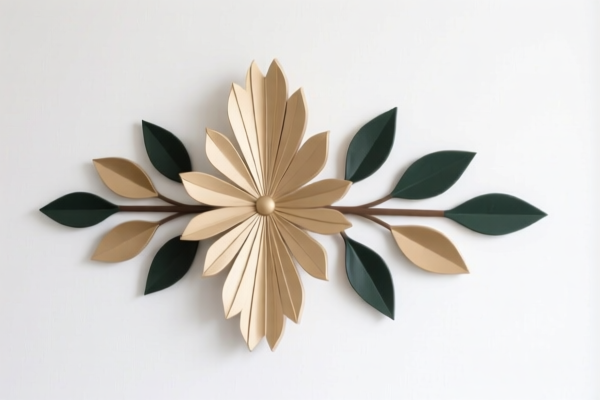
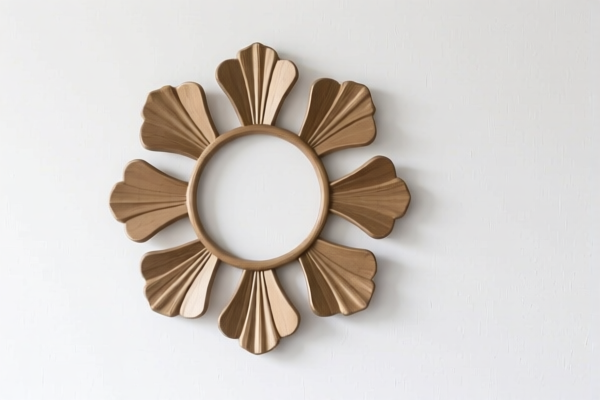
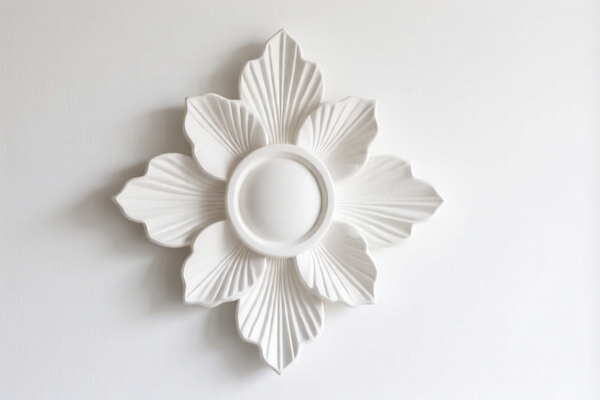
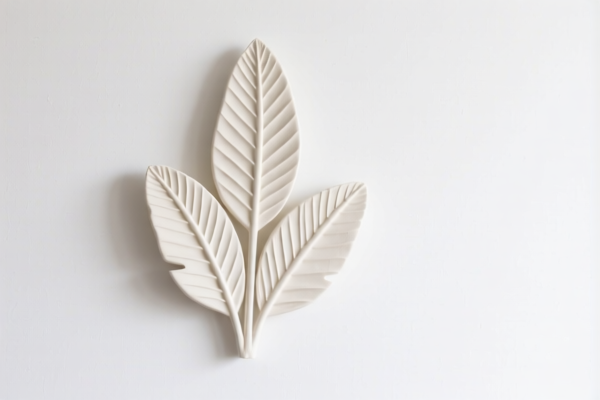
AI Analysis
🖼️ Wall Decor (墙壁装饰)
🌐 HS Code Reference & Customs Clearance Guide | 2026 Latest Tariff Analysis | Professional Entry Strategy
📌 I. Product Definition: What is "Wall Decor"?
Wall Decor is a broad category encompassing items designed to adorn interior or exterior walls. In international trade, the classification depends heavily on the material (wood, bamboo, plastic, metal, etc.) and the form (flat panels, statues, screens, artistic pieces). Misclassification can lead to significant duty discrepancies due to Section 301 and IEEPA tariffs.
⚠️ Critical Distinction Point:
- Wooden/Bamboo Items: Generally fall under Chapter 44 (unless specifically excluded).
- Plastic/Polymer Items: Fall under Chapter 39.
- Artistic/Statues: May fall under Chapter 39 or Chapter 97 (Artworks).
📦 II. HS Code Classification Details (Based on Provided Data)
| HS Code | Product Description | Material/Form | Duty Category |
|---|---|---|---|
4421.91.98.80 |
Wooden or bamboo wall decorations, classified as other wooden articles | Wood / Bamboo | High Tariff |
3926.40.00.10 |
Plastic or other material wall decorations for decorative purposes | Plastic / Polymer | Moderate Tariff |
4421.91.30.00 |
Bamboo screens or sunshades used as wall decorations | Bamboo (Specific Form) | Moderate Tariff |
3926.40.00.90 |
Statues and other ornaments made of plastic or other materials | Plastic / Polymer (Statues) | Moderate Tariff |
9701.99.00.00 |
Wall hangings within the category of decorative artworks | Artistic Works | Low Base, High Add-on |
🔍 Key Insight:
- Chapter 44 applies to wood/bamboo.
- Chapter 39 applies to plastics/polymers.
- Chapter 97 applies to original works of art, prints, and photographs. Note that mass-produced decorative items are rarely classified here unless they qualify as genuine "artworks."
💰 III. 2026 Latest Tariff Rate Breakdown (Including Surtaxes)
✅ Applicable Country: USA (US)
✅ Origin: China (CN) (Implied by the presence of Section 301 and IEEPA 122 tariffs)
✅ Effective Date: Current as of 2025/2026
🎯 1. 4421.91.98.80 —— Wooden/Bamboo Wall Decor (General)
| Item | Content |
|---|---|
| Base Duty Rate | 3.3% |
| Section 301 Surtax (122 Clause) | +25.0% |
| IEEPA Surtax (122 Clause) | +10.0% |
| Total Effective Rate | 38.3% |
| Calculation Method | CIF Value × 38.3% |
| De Minimis Exemption | ❌ Not Eligible (Subject to high duties) |
| Legal Basis Path | USITC:4421.91.98.80 → FOOTNOTE:301_25% → IEEPA:122_10% |
📌 Explanation:
- This is the standard rate for general wooden wall decor (e.g., wood panels, wooden signs).
- The 25% is the Section 301 tariff, and 10% is the IEEPA tariff.
- Total 38.3% is a significant cost driver for wooden imports.
🎯 2. 3926.40.00.10 —— Plastic Wall Decor (General)
| Item | Content |
|---|---|
| Base Duty Rate | 5.3% |
| Section 301 Surtax (122 Clause) | 0.0% |
| IEEPA Surtax (122 Clause) | +10.0% |
| Total Effective Rate | 15.3% |
| Calculation Method | CIF Value × 15.3% |
| De Minimis Exemption | ❌ Not Eligible (Subject to IEEPA) |
| Legal Basis Path | USITC:3926.40.00.10 → IEEPA:122_10% |
📌 Explanation:
- Plastic wall decor benefits from a 0% Section 301 surtax (depending on specific product exclusions or policy updates).
- However, the 10% IEEPA tariff still applies.
- Total 15.3% is significantly lower than the wooden alternative.
🎯 3. 4421.91.30.00 —— Bamboo Screens / Sunshades
| Item | Content |
|---|---|
| Base Duty Rate | 10.7% |
| Section 301 Surtax (122 Clause) | 0.0% |
| IEEPA Surtax (122 Clause) | +10.0% |
| Total Effective Rate | 20.7% |
| Calculation Method | CIF Value × 20.7% |
| De Minimis Exemption | ❌ Not Eligible |
| Legal Basis Path | USITC:4421.91.30.00 → IEEPA:122_10% |
📌 Explanation:
- Specific to bamboo screens or sunshades used as decor.
- Base rate is higher (10.7%), but no Section 301 surtax.
- Total 20.7% is competitive for bamboo products.
🎯 4. 3926.40.00.90 —— Plastic Statues & Ornaments
| Item | Content |
|---|---|
| Base Duty Rate | 5.3% |
| Section 301 Surtax (122 Clause) | 0.0% |
| IEEPA Surtax (122 Clause) | +10.0% |
| Total Effective Rate | 15.3% |
| Calculation Method | CIF Value × 15.3% |
| De Minimis Exemption | ❌ Not Eligible |
| Legal Basis Path | USITC:3926.40.00.90 → IEEPA:122_10% |
📌 Explanation:
- Covers statues and figurines made of plastic.
- Same rate as general plastic wall decor (3926.40.00.10).
- Ideal for resin or plastic figurines intended for wall mounting.
🎯 5. 9701.99.00.00 —— Decorative Artworks / Wall Hangings
| Item | Content |
|---|---|
| Base Duty Rate | 0.0% |
| Section 301 Surtax (122 Clause) | 7.5% |
| IEEPA Surtax (122 Clause) | +10.0% |
| Total Effective Rate | 17.5% |
| Calculation Method | CIF Value × 17.5% |
| De Minimis Exemption | ❌ Not Eligible (Artworks often scrutinized) |
| Legal Basis Path | USITC:9701.99.00.00 → FOOTNOTE:301_7.5% → IEEPA:122_10% |
📌 Explanation:
- Only applicable if the item is classified as an original work of art (e.g., paintings, prints, photographs).
- Base rate is 0%, but surtaxes still apply.
- 122 Clause Surtax is 7.5% (lower than the standard 25%).
- Warning: Misclassifying mass-produced decor as "Artwork" is a high-risk customs violation.
🛠️ IV. Customs Clearance Practical Advice
✅ 1. Documentation Checklist (Mandatory)
| Document | Required | Notes |
|---|---|---|
| ✅ Product Specifications | ✔️ | Must clearly state material (Wood, Bamboo, Plastic). |
| ✅ Product Images | ✔️ | Show front, back, and packaging. Distinguish between "Decor" and "Art." |
| ✅ Commercial Invoice | ✔️ | Use precise HS Code descriptions. Avoid vague terms like "Gift." |
| ✅ Origin Certificate (CO) | ✔️ | Essential for proving Chinese origin (for 122 Clause application). |
| ✅ Material Declaration | ✔️ | Specifically declare if bamboo or wood is used to trigger Chapter 44. |
✅ 2. Classification Strategy (Key Pitfalls)
🔥 "Material is King, Form is Queen!"
| Scenario | Correct HS Code | Risk if Incorrect |
|---|---|---|
| Wooden Panel | 4421.91.98.80 |
If misclassified as plastic → Audit Risk |
| Bamboo Screen | 4421.91.30.00 |
If misclassified as general wood → Higher Duty (38.3%) |
| Plastic Statue | 3926.40.00.90 |
If misclassified as art → Penalty for False Declaration |
| Painting/Print | 9701.99.00.00 |
If mass-produced → 0% Base rate denied, back-taxes + fines |
| Mixed Materials | Check Primary Material | If mixed, the principal material determines the chapter. |
✅ 3. Special Considerations
| Situation | Advice |
|---|---|
| Bamboo vs. Wood | Bamboo is often treated similarly to wood in Chapter 44, but specific subheadings (like 4421.91.30) offer different rates. Verify if the product is a "screen" or "panel." |
| Plastic Resin Statues | Often confused with art. If mass-produced, use 3926.40.00.90. Do not claim 9701 unless it is a limited edition or handcrafted original. |
| Section 122 Clauses | The data indicates specific "122 Clause" tariffs. Ensure your commercial invoice accurately reflects the value to avoid under/over-declaration issues. |
| De Minimis (Section 321) | ❌ Note: Most of these HS codes are not eligible for de minimis entry ($800) if they are subject to IEEPA or Section 301 surcharges. Plan for formal entry. |
🌍 V. Global Market Comparison (2026)
| Market | Recommended HS Code | Est. Duty (China Origin) | Notes |
|---|---|---|---|
| 🇺🇸 USA | 4421.91.98.80 / 3926.40.00.10 |
15.3% - 38.3% | High surtaxes apply due to 122 Clauses. |
| 🇨🇳 China | 4421.91.98.80 / 3926.40.00.10 |
~5-10% | Lower base rates, no 301/IEEPA. |
| 🇪🇺 EU | 4421.91.98.80 / 3926.40.00.10 |
~5-7% | No Section 301/IEEPA. CE Marking required. |
📌 Conclusion:
- The USA is the most challenging market due to 122 Clause tariffs.
- Plastic decor (3926.40.00.10) is the most cost-effective option (15.3%).
- Wooden decor (4421.91.98.80) is the most expensive (38.3%).
- Bamboo screens (4421.91.30.00) offer a middle ground (20.7%).
📌 VI. Common Mistakes & Pitfalls
❌ Mistake 1: Classifying mass-produced wooden wall art as "Original Artwork" (9701).
👉 Consequence: Customs will reject the 0% base rate and apply 38.3% + penalties.
❌ Mistake 2: Ignoring the "122 Clause" in tariff calculations.
👉 Consequence: Under-declaration of duties by 10-25%, leading to seizure or fines.
❌ Mistake 3: Confusing "Bamboo Screens" with "Wooden Panels."
👉 Consequence: Using 4421.91.98.80 (38.3%) instead of 4421.91.30.00 (20.7%) unnecessarily increases costs.
✅ Best Practice:
"Precise Material Declaration + Specific Form Description = Accurate Duty."
Example: "Bamboo Woven Wall Screen, Handmade, Decorative" →4421.91.30.00
🎯 VII. Conclusion: Optimize Your Supply Chain
🎯 Key Takeaway:
- Plastic Decor is the cheapest to import to the US (15.3%).
- Bamboo Screens are a good middle ground (20.7%).
- Wooden Decor is expensive (38.3%) – consider pricing strategies or alternative materials.
📌 Pro Tip:
If your product is made of recycled plastic or sustainable bamboo, highlight this in marketing to justify value, but ensure accurate HS coding for customs.
📣 Action Step:
📞 Consult a Customs Broker before shipping!
📝 Prepare Detailed Product Photos showing material and construction.
🚀 Plan for Full Formal Entry due to high tariff rates.
✨ Smart Classification Saves Money!
💼 Every percentage point of duty affects your bottom line.
Customer Reviews
About HS Code Classification
The Harmonized System (HS) is an internationally standardized nomenclature developed by the World Customs Organization (WCO) to classify traded products. Over 200 countries use the HS system as the basis for customs tariffs, trade statistics, and import/export regulations.
Each HS code follows a hierarchical structure:
- Chapter (2 digits) — Broad category of goods (e.g., Chapter 84: Machinery and Mechanical Appliances)
- Heading (4 digits) — More specific grouping within the chapter
- Subheading (6 digits) — Internationally standardized breakdown, used by all WCO member countries
- National subdivisions (8-10 digits) — Country-specific extensions for further classification, such as US HTSUS 10-digit codes
Correct HS code classification is essential for smooth customs clearance, accurate duty payment, and compliance with trade regulations. Misclassification can lead to customs delays, overpayment of duties, or penalties.
When importing from CN to US, the applicable tariff rates may include:
- Most-Favored-Nation (MFN) rate — The standard duty rate applied to WTO members
- General rate — Applied to countries without trade agreements
- Trade remedy duties — Additional tariffs such as Section 301 (anti-dumping), Section 232 (national security), or countervailing duties
The information provided on this page is for reference purposes only. For official classification, please consult with your local customs authority or a licensed customs broker.