Wall Decorations
CN → US| HS Code | Tariff Rate | Origin | Destination | Doc |
|---|---|---|---|---|
| 4421913000 | 20.7% | CN | US | Official Doc |
| 3926400090 | 15.3% | CN | US | Official Doc |
| 4421919880 | 38.3% | CN | US | Official Doc |
| 3926400010 | 15.3% | CN | US | Official Doc |
| 9703100000 | 17.5% | CN | US | Official Doc |
Product Images
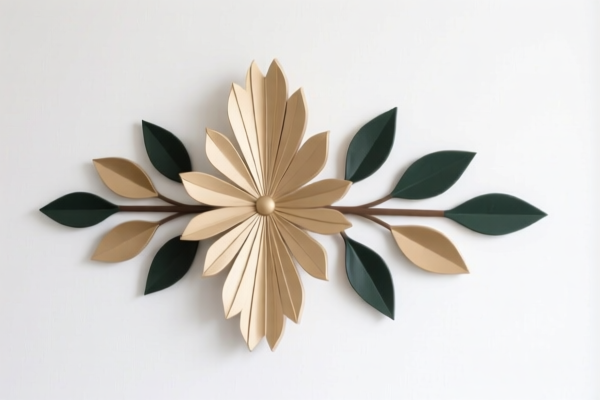
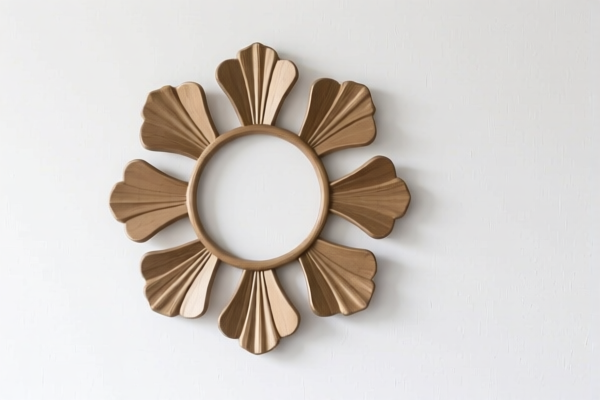
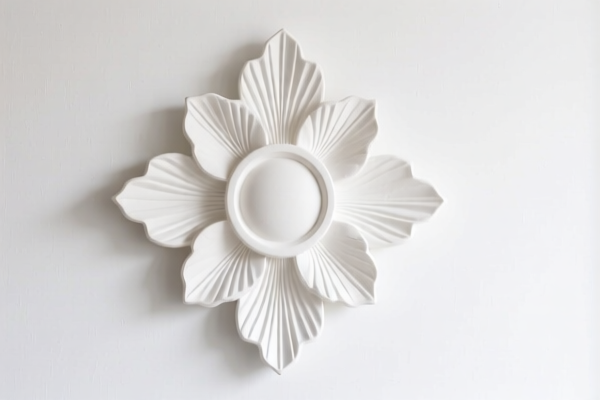

AI Analysis
🎨 Wall Decorations: The Ultimate HS Code Classification Guide & US Customs Strategy (2026)
🌐 HS Code Reference & Clearance Guide | 2026 Latest Tariff Analysis | Professional-Level Clearance Strategy
📌 Part 1: Product Definition & Classification – Do You Really Understand "Wall Decorations"?
"Wall Decorations" is a broad commercial term covering a wide variety of items used to enhance interior spaces. In international trade, they are not classified by their function alone, but by their material, manufacturing process, and specific form. Misclassification is the #1 cause of customs delays and unexpected tariffs for this product category.
Key Distinctions: * Material is King: Is it made of wood? Plastic? Metal? Ceramic? Glass? * Form Factor: Is it a 2D flat item (like a picture frame or plaque) or a 3D object (like a sculpture or figurine)? * Function: Is it strictly decorative, or does it serve another purpose (e.g., a functional shelf)?
⚠️ Critical Warning:
- If it looks like "wood," it might still be plastic (PVC/Wood Grain).
- If it is "decorative," it might be classified as "art" (9703) if it meets specific artistic criteria, or "other articles" if it doesn't.
- Bamboo and Wood carry different tariff risks than Plastic.
📦 Part 2: HS Code Classification Matrix (Based on Provided Data)
The following HS Codes are derived from the specific data provided. Each code represents a different material or functional assumption about your "Wall Decorations."
| HS Code | Product Description | Material/Type | Summary Rationale | Total Tax Rate |
|---|---|---|---|---|
4421.91.30.00 |
Wooden or Bamboo Wall Decorations | Wood/Bamboo | Default match for wooden/bamboo items. No material conflict. | 20.7% |
3926.40.00.90 |
Plastic/Other Material Statues & Decor | Plastic/Other | Fits decorative purpose. Inferred as plastic or other material statues/decorations. | 15.3% |
4421.91.98.80 |
Other Wooden Articles (Bamboo/Wood) | Wood/Bamboo | Fallback category for other wooden items. Fits general wooden decoration classification. | 38.3% |
3926.40.00.10 |
Plastic Wall Decorations | Plastic | Matches decorative purpose. Inferred as plastic wall decorations. No material conflict. | 15.3% |
9703.00.00.00 |
Sculptures & Statues (Artistic) | Any Material | Fallback for forms resembling sculptures/statues. No material conflict. | 17.5% |
🔍 Key Takeaway:
The tax rate varies significantly from 15.3% to 38.3% depending on whether the item is classified as Plastic (~15.3%) or Wood/Bamboo (20.7% - 38.3%), or if it qualifies as Art (17.5%).
💰 Part 3: 2026 Tariff Rate Breakdown (US Imports from China)
✅ Applicable Country: United States (US)
✅ Origin: China (CN)
✅ Effective Date: Current policies apply (including Section 301 & IEEPA surcharges)
🎯 1. Wooden/Bamboo Decorations (4421.91.30.00 & 4421.91.98.80)
A. 4421.91.30.00 – Bamboo/Wood Wall Decor
| Item | Detail |
|---|---|
| Base Tariff | 10.7% |
| Section 301 Surcharge | 0.0% |
| IEEPA Surcharge | 10% |
| Total Tax Rate | 20.7% |
| Calculation | CIF Value × 20.7% |
| De Minimis Exemption | ❌ Not Eligible (Value > $800 threshold typically applies, but specific HS codes may restrict) |
📌 Explanation:
- This is a moderate-risk category for wood products.
- The 10% IEEPA surcharge is consistent with current US-China trade policies.
B. 4421.91.98.80 – Other Wooden Articles (Higher Tariff Risk)
| Item | Detail |
|---|---|
| Base Tariff | 3.3% |
| Section 301 Surcharge | 25.0% |
| IEEPA Surcharge | 10% |
| Total Tax Rate | 38.3% |
| Calculation | CIF Value × 38.3% |
| De Minimis Exemption | ❌ Not Eligible |
📌 Warning:
- This is a high-cost classification.
- The 25% Section 301 tariff applies here, likely because it is classified under a "catch-all" wooden article code rather than a specific decorative item.
- Avoid this code unless absolutely necessary due to the high duty burden.
🎯 2. Plastic/Resin Decorations (3926.40.00.90 & 3926.40.00.10)
C. 3926.40.00.90 – Plastic Statues/Decorations (Other)
| Item | Detail |
|---|---|
| Base Tariff | 5.3% |
| Section 301 Surcharge | 0.0% |
| IEEPA Surcharge | 10% |
| Total Tax Rate | 15.3% |
| Calculation | CIF Value × 15.3% |
| De Minimis Exemption | ❌ Not Eligible |
D. 3926.40.00.10 – Plastic Wall Decorations (Specific)
| Item | Detail |
|---|---|
| Base Tariff | 5.3% |
| Section 301 Surcharge | 0.0% |
| IEEPA Surcharge | 10% |
| Total Tax Rate | 15.3% |
| Calculation | CIF Value × 15.3% |
| De Minimis Exemption | ❌ Not Eligible |
📌 Advantage:
- Plastic wall decorations attract a lower total tariff (15.3%) compared to wood.
- The 0% Section 301 rate is a significant cost advantage.
- Both3926.40.00.90(other plastic decorations) and3926.40.00.10(plastic wall decor) share the same rate structure.
🎯 3. Artistic Sculptures (9703.10.00.00)
E. 9703.10.00.00 – Original Sculptures & Statues
| Item | Detail |
|---|---|
| Base Tariff | 0.0% |
| Section 301 Surcharge | 7.5% |
| IEEPA Surcharge | 10% |
| Total Tax Rate | 17.5% |
| Calculation | CIF Value × 17.5% |
| De Minimis Exemption | ❌ Not Eligible |
📌 Nuance:
- This code applies if the item is considered an original work of art (sculpture/statue).
- While the base tariff is 0%, the 7.5% Section 301 and 10% IEEPA still apply.
- Note: "Decorative mass-produced items" often cannot use this code. It must be truly artistic/original to qualify.
🛠️ Part 4: Customs Clearance Practical Advice
✅ 1. Documentation Checklist (Must-Haves)
| Document | Required? | Purpose |
|---|---|---|
| Product Spec Sheet | ✔️ | Clearly state material (e.g., "100% Bamboo," "PVC Plastic," "Resin") |
| High-Resolution Photos | ✔️ | Show front, back, packaging, and any material labels |
| Commercial Invoice | ✔️ | Must list Material Composition and Country of Origin |
| Packing List | ✔️ | Weight and dimensions per carton |
Artwork Proof (if 9703) |
✔️ | Artist statement, signature, or certificate of authenticity |
✅ 2. Classification Strategy (Best Practices)
| Scenario | Recommended HS Code | Why? |
|---|---|---|
| Wooden Wall Hangings | 4421.91.30.00 |
Lower tariff (20.7%) vs. other wood codes (38.3%). Specific to wall decor. |
| Plastic Wall Plaques | 3926.40.00.10 |
Clear match for "plastic wall decorations." Lowest risk. |
| Plastic Statues/Figurines | 3926.40.00.90 |
Fallback for plastic decorative items not fitting wall-specific subcategories. |
| Mass-Produced "Art" | 9703.10.00.00 |
Risky. Only use if genuinely original. Otherwise, use plastic/wood codes. |
| Generic Wooden Items | Avoid 4421.91.98.80 |
Too expensive (38.3%). Try to find a more specific code. |
✅ 3. Common Pitfalls & How to Avoid Them
❌ Pitfall 1: Calling all wooden items "Wall Decorations" without specifying material.
👉 Solution: Always specify "Bamboo," "Oak," "Pine," etc. If it’s "Wood-Based Composite," it may still fall under 4421.
❌ Pitfall 2: Using 9703 for mass-produced plastic figurines.
👉 Solution: Customs will reject this if it’s not "original." Use 3926.40.00.90 instead.
❌ Pitfall 3: Misdeclaring Plastic as Wood to avoid plastic-specific rules (or vice versa).
👉 Solution: Provide material test reports if questioned. The tax difference is significant (15.3% vs 20.7%+).
🌍 Part 5: Global Market Comparison (2026)
| Market | Recommended HS Code | Est. Total Tax (China Origin) | Key Notes |
|---|---|---|---|
| 🇺🇸 USA | 3926.40.00.10 / 4421.91.30.00 |
15.3% (Plastic) / 20.7% (Wood) | IEEPA 10% + Section 301 applies. Plastic is cheaper. |
| 🇨🇳 China | 3926.40.00.10 / 4421.91.30.00 |
Low (5-10%) | No IEEPA/Section 301 surcharges. |
| 🇪🇺 EU | 3926.40.00 / 4421.91.30 |
Varies (2-6%) | No US-style surcharges. VAT applies. |
| 🇬🇧 UK | 3926.40.00 / 4421.91.30 |
Varies (2-6%) | Post-Brexit rules apply. |
📌 Conclusion:
- US Imports: Plastic (3926) is more tax-efficient than Wood (4421) in most cases.
- Wood Risk: Avoid4421.91.98.80due to the 25% Section 301 tariff.
- Art Claim: Only use9703if the item is truly original art; otherwise, risk a classification error.
📌 Part 6: Final Recommendations for Importers
🔥 Golden Rule for Wall Decorations:
"Material First, Function Second. Plastic is Cheaper, Wood is Tricky, Art is Risky."
✅ Action Plan:
- Identify Material: Confirm if your wall decor is Bamboo, Wood, Plastic, or Resin.
- Select Code:
- Plastic →
3926.40.00.10(Wall) or3926.40.00.90(Other). - Wood/Bamboo →
4421.91.30.00(Preferred). Avoid4421.91.98.80. - Artistic Sculpture →
9703.10.00.00(Only if original).
- Plastic →
- Calculate Landed Cost: Include the 10% IEEPA surcharge and any applicable Section 301 tariffs.
- Document Properly: Clearly state material in the commercial invoice.
🚀 Pro Tip:
If you are importing plastic wall decorations, you save ~5-20% in duties compared to wood. Consider material substitution if cost is a major factor and design allows.
✨ Professional Clearance Starts with Accurate Classification!
💼 Every percentage point of tariff difference impacts your bottom line.
📞 Contact a licensed customs broker for a pre-classification review before shipping.
Customer Reviews
About HS Code Classification
The Harmonized System (HS) is an internationally standardized nomenclature developed by the World Customs Organization (WCO) to classify traded products. Over 200 countries use the HS system as the basis for customs tariffs, trade statistics, and import/export regulations.
Each HS code follows a hierarchical structure:
- Chapter (2 digits) — Broad category of goods (e.g., Chapter 84: Machinery and Mechanical Appliances)
- Heading (4 digits) — More specific grouping within the chapter
- Subheading (6 digits) — Internationally standardized breakdown, used by all WCO member countries
- National subdivisions (8-10 digits) — Country-specific extensions for further classification, such as US HTSUS 10-digit codes
Correct HS code classification is essential for smooth customs clearance, accurate duty payment, and compliance with trade regulations. Misclassification can lead to customs delays, overpayment of duties, or penalties.
When importing from CN to US, the applicable tariff rates may include:
- Most-Favored-Nation (MFN) rate — The standard duty rate applied to WTO members
- General rate — Applied to countries without trade agreements
- Trade remedy duties — Additional tariffs such as Section 301 (anti-dumping), Section 232 (national security), or countervailing duties
The information provided on this page is for reference purposes only. For official classification, please consult with your local customs authority or a licensed customs broker.