waste pipe
CN → US| HS Code | Tariff Rate | Origin | Destination | Doc |
|---|---|---|---|---|
| 3917230000 | 38.1% | CN | US | Official Doc |
| 4009110000 | 37.5% | CN | US | Official Doc |
| 3917290090 | 38.1% | CN | US | Official Doc |
| 4009120050 | 20.0% | CN | US | Official Doc |
| 6810910000 | 35.0% | CN | US | Official Doc |
Product Images
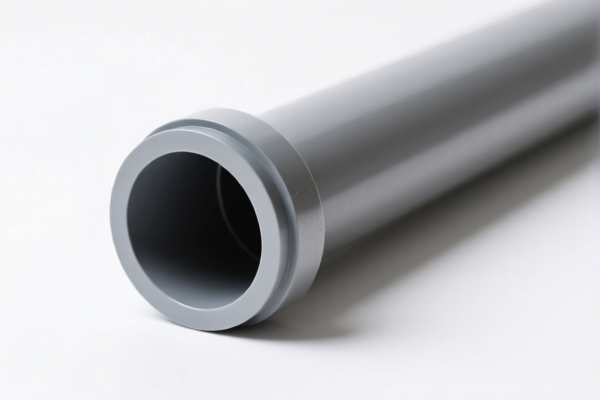
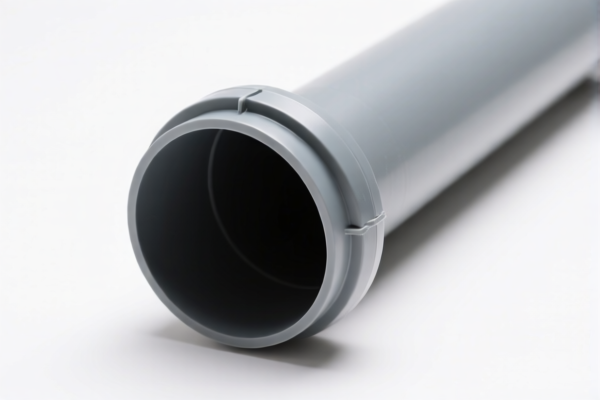
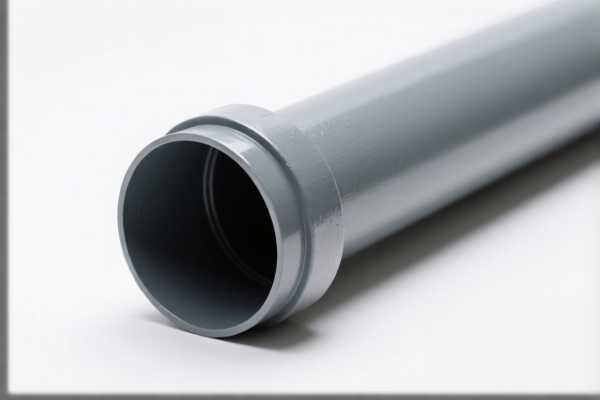
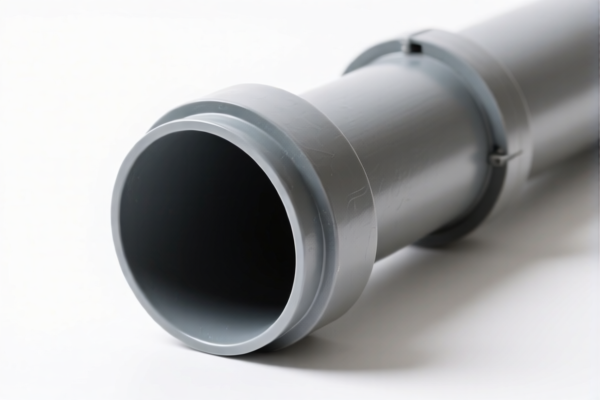
AI Analysis
🚰 Waste Pipe & Drainage Systems: HS Code Classification & Customs Clearance Guide (2026)
🌐 HS Code Reference & Customs Clearance Guide | 2026 Latest Tariff Analysis | Professional Compliance Strategy
📌 I. Product Definition & Classification: What Exactly is a "Waste Pipe"?
In international trade, "Waste Pipe" is a generic functional term that masks distinct material compositions. Customs authorities do not classify based on function alone (drainage), but primarily on material composition. Misclassification is the #1 cause of customs delays and penalty fines for plumbing components.
Broadly, waste pipes fall into two main material categories in the provided data: 1. Plastic Pipes (Polymers): Lightweight, corrosion-resistant, commonly PVC, PP, or other plastics. 2. Rubber Pipes (Vulcanized Rubber): Flexible, often used for hose connections or specific industrial drainage. 3. Concrete Pipes (Inorganic): Rigid, heavy, used primarily for external sewerage or drainage infrastructure.
⚠️ Key Distinction Point:
- If the pipe is made of Plastic Polymers (e.g., PVC, PE, PP) → It falls under Chapter 39.
- If the pipe is made of Vulcanized Rubber → It falls under Chapter 40.
- If the pipe is made of Concrete → It falls under Chapter 68.
📦 II. HS Code Classification Details (2026 Latest Tariff Authority对照)
| HS Code | Product Description | Material/State | Typical Application |
|---|---|---|---|
3917.23.00.00 |
Plastic Pipes, Form: Tubular, Material: Polymer of Vinyl Chloride (PVC) | Plastic (PVC) | Indoor plumbing, rigid drainage, sewer lines |
3917.29.00.90 |
Other Plastic Pipes, Form: Tubular, Material: Other Plastics | Plastic (Other) | Pipes made of PP, PE, ABS, or other non-PVC plastics |
4009.11.00.00 |
Pipes/Hoses, Form: Tubular or Flexible, Material: Rubber or Plastic | Rubber/Plastic Mix | Flexible drain hoses, appliance connections (dishwasher/washing machine) |
4009.12.00.50 |
Pipes/Hoses, Form: Tubular, Material: Vulcanized Rubber | Vulcanized Rubber | Industrial flexible drainage, pump hoses |
6810.91.00.00 |
Concrete Pipes, Material: Concrete, Use: Drainage | Concrete | Outdoor sewer mains, storm drains, underground infrastructure |
🔍 Critical Reminder:
- "Waste Pipe" is not a valid HS Code description. You must specify the Material.
- If you declare "Waste Pipe" without material context, Customs will likely default to the highest duty rate or request additional information, causing delays.
- Flexible Hoses (e.g., for sinks) often fall under4009.11.00.00if rubber/plastic mix, or3917.23.00.00if rigid PVC. Rigid PVC is the most common "waste pipe."
💰 III. 2026 Latest Tariff Rate Breakdown (Including Additional Taxes & Policy Surcharges)
✅ Applicable Country: United States (US)
✅ Country of Origin: China (CN)
✅ Effective Date: 2025/2026 (Including subsequent imports)
🎯 1. 3917.23.00.00 & 3917.29.00.90 —— Plastic Waste Pipes (PVC & Other Plastics)
| Item | Detail |
|---|---|
| Base Tariff | 3.1% (ad valorem) |
| Section 301 Surtax | +25.0% (USITC Footnote) |
| Section 122 Surtax | +10.0% (Specific Chinese policy surcharge) |
| Total Rate | 38.1% |
| Tax Calculation | CIF Value × 38.1% |
| De Minimis Eligibility | ❌ No (deny_de_minimis) |
| Legal Basis Path | USITC:3917.23.00.00 → SECTION301:25% → SECTION122:10% |
📌 Explanation:
- Plastic waste pipes (PVC) are heavily taxed due to the 25% Section 301 tariff (trade war measures) and an additional 10% Section 122 surcharge.
- Total burden: 38.1%. This is a high-cost item for US importers.
🎯 2. 4009.11.00.00 —— Rubber/Plastic Flexible Drain Hoses
| Item | Detail |
|---|---|
| Base Tariff | 2.5% (ad valorem) |
| Section 301 Surtax | +25.0% (USITC Footnote) |
| Section 122 Surtax | +10.0% (Specific Chinese policy surcharge) |
| Total Rate | 37.5% |
| Tax Calculation | CIF Value × 37.5% |
| De Minimis Eligibility | ❌ No |
| Legal Basis Path | USITC:4009.11.00.00 → SECTION301:25% → SECTION122:10% |
📌 Note:
- Flexible hoses (like those for washing machines or kitchen sinks) are often made of rubber/plastic blends.
- The rate is slightly lower than rigid PVC pipes due to a lower base tariff (2.5% vs 3.1%), but the total impact is still severe at 37.5%.
🎯 3. 4009.12.00.50 —— Vulcanized Rubber Pipes
| Item | Detail |
|---|---|
| Base Tariff | 2.5% (ad valorem) |
| Section 301 Surtax | +7.5% (Reduced Section 301 rate for specific rubber items) |
| Section 122 Surtax | +10.0% (Specific Chinese policy surcharge) |
| Total Rate | 20.0% |
| Tax Calculation | CIF Value × 20.0% |
| De Minimis Eligibility | ❌ No |
| Legal Basis Path | USITC:4009.12.00.50 → SECTION301:7.5% → SECTION122:10% |
📌 Key Advantage:
- This is the LOWEST rate (20%) among all waste pipes in the data.
- If your product is a flexible rubber hose for drainage, ensure it is classified here rather than as plastic. This can save 17.5% in tariffs.
🎯 4. 6810.91.00.00 —— Concrete Drainage Pipes
| Item | Detail |
|---|---|
| Base Tariff | 0.0% (ad valorem) |
| Section 301 Surtax | +25.0% (USITC Footnote) |
| Section 122 Surtax | +10.0% (Specific Chinese policy surcharge) |
| Total Rate | 35.0% |
| Tax Calculation | CIF Value × 35.0% |
| De Minimis Eligibility | ❌ No |
| Legal Basis Path | USITC:6810.91.00.00 → SECTION301:25% → SECTION122:10% |
📌 Note:
- Concrete pipes have a 0% base tariff, but the 25% + 10% surcharges bring the total to 35.0%.
- While cheaper than plastic pipes (38.1%), it is still significantly taxed.
🛠️ IV. Customs Clearance Operational Advice (Practical Pitfall Avoidance Guide)
✅ 1. Documentation Checklist (All Required)
| Document | Required | Explanation |
|---|---|---|
| ✅ Product Specification Sheet | ✔️ | Must clearly state Material (e.g., "PVC," "Vulcanized Rubber," "Concrete"). |
| ✅ Technical Drawing/Photo | ✔️ | Show shape (rigid pipe vs. flexible hose) and dimensions. |
| ✅ Commercial Invoice | ✔️ | Must not just say "Waste Pipe." Use: "PVC Waste Pipe, 4-inch, Rigid" or "Rubber Drain Hose, Flexible." |
| ✅ Packing List | ✔️ | Detail net/gross weight, crucial for concrete pipes. |
| ✅ Origin Certificate (CO) | ✔️ | To prove Country of Origin (China). |
✅ 2. Declaration Tips (Key Mantra)
🔥 "Material is King, Form is Queen, Name Must Be Precise!"
| Scenario | Correct Declaration | Wrong Practice |
|---|---|---|
| Rigid PVC Pipe | 3917.23.00.00 - PVC Waste Pipe |
Declaring as "Plastic Pipe" generic → May lead to 3917.29.00.90 (Same rate, but risky audit) |
| Flexible Rubber Hose | 4009.12.00.50 - Vulcanized Rubber Hose |
Declaring as "Plastic Hose" → Higher rate (38.1% vs 20%) |
| Concrete Sewer Pipe | 6810.91.00.00 - Concrete Drainage Pipe |
Declaring as "Ceramic Pipe" → Wrong HS, high penalty |
| Mixed Bundle (Pipe + Joint) | Declare Pipe as Primary Item | Splitting into multiple HS Codes → Increased inspection rate |
✅ 3. Special Cases Handling
| Situation | Handling Advice |
|---|---|
| OEM Custom Pipes | Provide customer design specs. Ensure material matches HS Code description exactly. |
| Pipe with Insulation | If insulation is integral, declare as composite. If removable, may split declarations. |
| Sample vs. Bulk | Samples still subject to same HS Code and tariffs. Do not declare as "Gift" to avoid de minimis issues. |
| Return/Repair | Provide original export documents to claim re-import duty relief if applicable. |
🌍 V. Global Market Comparison (2026 Latest)
| Country/Region | Recommended HS Code | Tariff Rate (China Origin) | Certification Required | Notes |
|---|---|---|---|---|
| 🇺🇸 USA | 3917.23.00.00 / 4009.12.00.50 |
38.1% / 20.0% | None specific for plumbing, but comply with local codes | High Surtax due to Section 301 & 122 |
| 🇨🇳 China | 3917.23.00.00 / 4009.12.00.50 |
3.1% / 2.5% | CCC (if electrical components included) | No surcharges |
| 🇪🇺 EU | 3917.23.00.00 / 4009.12.00.50 |
3.1% / 2.5% (MFN) | CE Marking (for safety compliance) | No US-style surcharges |
| 🇦🇺 Australia | 3917.23.00.00 / 4009.12.00.50 |
5.0% (General) | RCM | Moderate tariff, no surcharges |
| 🇯🇵 Japan | 3917.23.00.00 / 4009.12.00.50 |
5.0% - 7.0% | JIS Certification | Varies by material |
📌 Conclusion:
- The US market is uniquely challenging for Chinese-manufactured waste pipes due to the 38.1% total tariff on plastic pipes and 20% on rubber pipes.
- Rubber hoses (4009.12.00.50) are the most tariff-efficient option at 20%. Consider product design adjustments if possible.
- Europe and Asia offer significantly lower tariff barriers, making them more attractive markets for high-volume plumbing goods.
📌 VI. Common Errors & Pitfall Guide (Lessons Learned)
❌ Error 1: Declaring "Waste Pipe" without specifying material.
👉 Consequence: Customs may misclassify as a generic plastic item, leading to 38.1% duty when you might have qualified for 20% (rubber). Plus, detention fees.
❌ Error 2: Confusing "Rubber Hose" with "Plastic Hose."
👉 Consequence: If you declare a rubber hose as plastic (3917.29.00.90), you pay 38.1% instead of 20%. Overpayment of 18.1%!
❌ Error 3: Ignoring Section 122 Surtax.
👉 Consequence: Many importers only account for the 25% Section 301 tariff. Forgetting the 10% Section 122 leads to unbudgeted costs.
❌ Error 4: Declaring Concrete Pipes as "Ceramic."
👉 Consequence: Wrong HS Code, potential fraud allegations, and rejection of entry.
✅ Correct Approach:
"Rigid PVC Waste Pipe, 4-inch Diameter, for Residential Sewerage, HS Code 3917.23.00.00, Origin: China"
🎯 VII. Conclusion: Precise Classification Saves Money!
🎯 Remember the Mantra:
🔹 "Material Defines HS, Form Confirms It, Surtax Adds 35%+!"
🔹 "Rubber Hoses Win at 20%, PVC Pipes Pay 38%!"
🔹 "Never Just Say 'Pipe' – Say 'PVC' or 'Rubber'!"
📌 Pro Tip:
If your waste pipes are originating from Vietnam, Mexico, or Thailand, you may be eligible for IEEPA Exemptions or FTZ Benefits, reducing tariffs to 0%~5%.
Recommend Advance Ruling for large shipments to avoid clearance delays.
📣 Immediate Action:
📞 Contact a Licensed Customs Broker + Provide Material Specs + Request HS Code Advance Ruling
🚀 Ensure Smooth Clearance, Cost Control, and Profit Maximization!
✨ Professional Clearance Starts with Accurate Classification!
💼 Every Percentage Point Counts in Tariff Savings!
Customer Reviews
About HS Code Classification
The Harmonized System (HS) is an internationally standardized nomenclature developed by the World Customs Organization (WCO) to classify traded products. Over 200 countries use the HS system as the basis for customs tariffs, trade statistics, and import/export regulations.
Each HS code follows a hierarchical structure:
- Chapter (2 digits) — Broad category of goods (e.g., Chapter 84: Machinery and Mechanical Appliances)
- Heading (4 digits) — More specific grouping within the chapter
- Subheading (6 digits) — Internationally standardized breakdown, used by all WCO member countries
- National subdivisions (8-10 digits) — Country-specific extensions for further classification, such as US HTSUS 10-digit codes
Correct HS code classification is essential for smooth customs clearance, accurate duty payment, and compliance with trade regulations. Misclassification can lead to customs delays, overpayment of duties, or penalties.
When importing from CN to US, the applicable tariff rates may include:
- Most-Favored-Nation (MFN) rate — The standard duty rate applied to WTO members
- General rate — Applied to countries without trade agreements
- Trade remedy duties — Additional tariffs such as Section 301 (anti-dumping), Section 232 (national security), or countervailing duties
The information provided on this page is for reference purposes only. For official classification, please consult with your local customs authority or a licensed customs broker.