water bottle
CN → US| HS Code | Tariff Rate | Origin | Destination | Doc |
|---|---|---|---|---|
| 3923300090 | 38.0% | CN | US | Official Doc |
| 4819502000 | 35.0% | CN | US | Official Doc |
| 7323930045 | 62.0% | CN | US | Official Doc |
| 7323930060 | 62.0% | CN | US | Official Doc |
| 7326903500 | 92.8% | CN | US | Official Doc |
Product Images
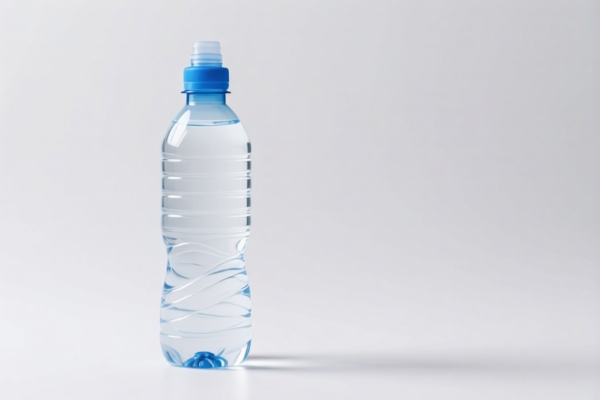
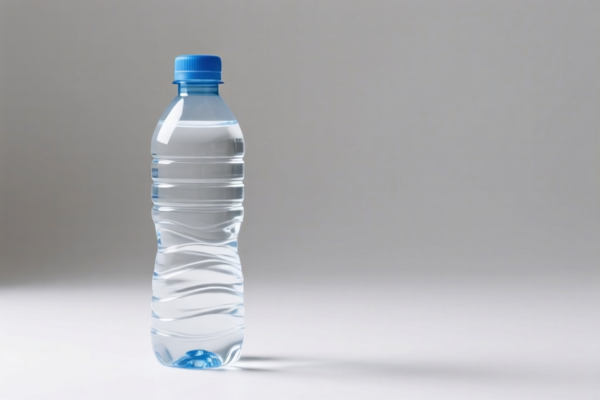
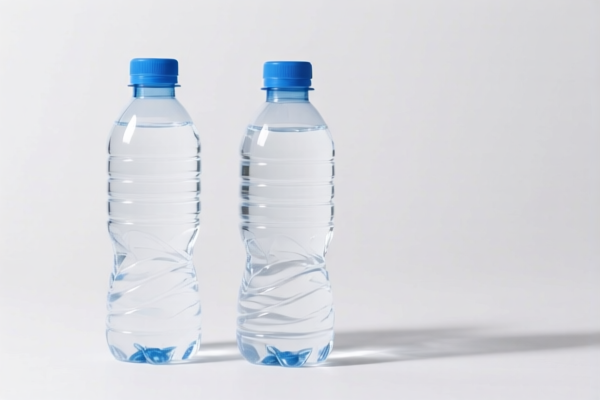

AI Analysis
🧴 Water Bottle (Portable Drinking Vessels)
🌐 HS Code Reference & Customs Clearance Guide | 2024-2025 Tariff Analysis | Professional Clearance Strategy
📌 I. Product Definition & Classification: Do You Know Your "Water Bottle"?
Water bottles are essential for hydration in daily life, sports, travel, and office environments. In international trade, they are strictly categorized by material and construction:
- Plastic Disposable Cups/Bottles: Single-use, low-cost, molded plastic containers.
- Paper Disposable Cups/Bottles: Eco-friendly, paper-based containers for hot/cold drinks.
- Stainless Steel Bottles: Reusable, durable, metal containers classified under kitchenware or portable containers.
⚠️ Critical Distinction for Custom Officers:
- If the product is Plastic & Disposable → It belongs to 3923.30.00.90.
- If the product is Paper & Disposable → It belongs to 4819.50.20.00.
- If the product is Stainless Steel, classification depends on the specific function: - Kitchen/Household Use → 7323.93.00.45 or 7323.93.00.60.
- Portable Container (General) → 7326.90.35.00.
📦 II. HS Code Classification Details (Exclusive Data Analysis)
| HS Code | Product Description | Material | Application Scenario | Tax Rate (Total) |
|---|---|---|---|---|
3923.30.00.90 |
Plastic disposable water cups | Plastic | Single-use cups, disposable containers | 38.0% |
4819.50.20.00 |
Paper disposable water cups | Paper | Eco-friendly disposable cups | 35.0% |
7323.93.00.45 |
Stainless steel cups (Household) | Stainless Steel | Kitchenware, home use | 62.0% |
7323.93.00.60 |
Stainless steel cups (Kitchen) | Stainless Steel | Other kitchen utensils | 62.0% |
7326.90.35.00 |
Stainless steel bottles (Portable) | Stainless Steel | Iron/Steel portable containers | 92.8% |
🔍 Key Insight:
- Plastic & Paper cups have relatively lower base tariffs but are heavily impacted by Section 122 (10%) and additional duties.
- Stainless Steel products face the highest risk: While base tax is low (2-7.8%), the 50% tariff on steel/aluminum/copper products applies to specific sub-codes, pushing the total tax up to 92.8% for portable containers!
💰 III. 2024-2025 Tariff Rate Breakdown (Detailed Policy Analysis)
✅ Applicable Market: United States (US)
✅ Origin: China (CN)
✅ Effective Period: Current (Includes Section 122 & Steel Tariffs)
🎯 1. 3923.30.00.90 — Plastic Disposable Water Cups
| Item | Content |
|---|---|
| Base Duty | 3.0% (Ad valorem) |
| Section 301 (Add-on) | +25.0% |
| Section 122 Tariff | +10.0% |
| Total Tax Rate | 38.0% |
| Calculation | CIF Value × 38% |
| Policy Path | 301:Plastics → 122:Disposable |
📌 Explanation:
- 3.0% is the standard MFN (Most Favored Nation) rate.
- 25% is the Section 301 additional tariff for Chinese goods.
- 10% is the specific Section 122 tariff for disposable plastic products.
- Result: High cost for disposable plastic imports.
🎯 2. 4819.50.20.00 — Paper Disposable Water Cups
| Item | Content |
|---|---|
| Base Duty | 0.0% |
| Section 301 (Add-on) | +25.0% |
| Section 122 Tariff | +10.0% |
| Total Tax Rate | 35.0% |
| Calculation | CIF Value × 35% |
| Policy Path | 301:Paper → 122:Paper |
📌 Note:
- Despite 0% base duty, the Section 301 (25%) and Section 122 (10%) combined make the total 35%.
- Paper products are slightly cheaper than plastic but still subject to significant trade barriers.
🎯 3. 7323.93.00.45 & 7323.93.00.60 — Stainless Steel Cups (Kitchenware)
| Item | Content |
|---|---|
| Base Duty | 2.0% |
| Section 301 (Add-on) | 0.0% |
| Section 122 Tariff | +10.0% |
| Steel/Add-on Duty | +50.0% (Specific to Steel/Aluminum/Copper) |
| Total Tax Rate | 62.0% |
| Calculation | CIF Value × 62% |
| Policy Path | 301:Kitchenware → Steel Tariff:50% → 122:10% |
📌 Critical Warning:
- The 50% Steel Tariff is the main driver here. Even though it's "Kitchenware," if classified under stainless steel, it attracts the 50% surcharge.
- Base + 122 + 50% = 62%. This is a massive cost increase compared to plastic/paper.
🎯 4. 7326.90.35.00 — Stainless Steel Bottles (Portable)
| Item | Content |
|---|---|
| Base Duty | 7.8% |
| Section 301 (Add-on) | +25.0% |
| Section 122 Tariff | +10.0% |
| Steel/Add-on Duty | +50.0% |
| Total Tax Rate | 92.8% |
| Calculation | CIF Value × 92.8% |
| Policy Path | 301:Containers → 122:10% → Steel:50% |
📌 Extreme Alert:
- This classification has the highest total tax rate (92.8%) in the dataset.
- It combines all factors: Base (7.8%) + 301 (25%) + 122 (10%) + Steel Tariff (50%).
- Action Required: This item is nearly unprofitable to import as-is without significant restructuring or duty mitigation.
🛠️ IV. Customs Clearance Practical Advice (Avoiding Pitfalls)
✅ 1. Documentation Checklist (Non-Negotiable)
| Document | Requirement | Reason |
|---|---|---|
| Product Specifications | ✔️ Must | Detail material composition (Plastic vs. Steel), weight, capacity. |
| Material Declaration | ✔️ Must | Prove if "Stainless Steel" triggers the 50% tariff. |
| Photographs | ✔️ Must | Show usage context (Kitchen vs. Portable). |
| Bill of Lading | ✔️ Must | Verify origin and cargo description. |
| Commercial Invoice | ✔️ Must | Accurate valuation for tax calculation. |
| COO (Certificate of Origin) | ✔️ Must | Verify China origin for Section 301/122 application. |
✅ 2. Classification Strategy (The "Golden Rules")
🔥 Rule: "Material Matters, Function Dictates, Steel is Expensive!"
| Scenario | Correct HS Code | Wrong Code | Consequence |
|---|---|---|---|
| Disposable Plastic Cup | 3923.30.00.90 |
3924.00 (General) |
38% vs Higher/Lower? (Avoid misclassification) |
| Disposable Paper Cup | 4819.50.20.00 |
4818 |
35% (Avoid penalty) |
| Stainless Steel (Kitchen) | 7323.93.00.xx |
7326.90.35.00 |
62% vs 92.8% (Save 30%!) |
| Stainless Steel (Portable) | 7326.90.35.00 |
7323 |
92.8% (Do not under-claim, but know the cost) |
📌 Strategic Tip:
If possible, classify stainless steel items strictly as "Kitchenware" (7323) rather than "Portable Containers" (7326) if the design allows. While both attract the 50% steel tariff, the base rates and Section 301 applicability might differ slightly, but the 50% surcharge is the killer in both.
✅ 3. Special Cases & Mitigation
| Situation | Strategy |
|---|---|
| High Stainless Steel Tariff (92.8%) | Consider Duty Drawback or Re-export if not consumed in the US. |
| Section 122 Exemptions | Check if your product fits specific "exempted" categories (rare for general bottles). |
| Material Substitution | Switch to BPA-free Plastic (38%) or Paper (35%) if the market allows. |
| Origin Shift | If feasible, manufacture in Vietnam/Mexico to avoid Section 301 (25%) and Section 122 (10%). |
🌍 V. Global Market Comparison (2024-2025)
| Country/Region | Recommended HS Code | Tariff (China Origin) | Key Certification | Notes |
|---|---|---|---|---|
| 🇺🇸 USA | 7323.93.00.45 (Kitchen) |
62% (Steel) | FDA (Food Contact) | Avoid 7326.90.35.00 (92.8%) |
| 🇪🇺 EU | 7323.93 |
~0-15% | LFGB + CE | No Section 301/122 |
| 🇨🇳 China | 7323.93 |
~5-10% | GB Standard | Lower tariffs |
| 🇯🇵 Japan | 7323.93 |
~3-8% | JIS | Low tariff |
📌 Conclusion:
- USA is the most expensive market for stainless steel water bottles due to the 50% steel surcharge + Section 301 + 122.
- Plastic and Paper are cheaper but still high (35-38%).
- Strategy: Shift production to non-US markets or use alternative materials to avoid the steel tariff trap.
📌 VI. Common Mistakes & Pitfalls (Learn from Others)
❌ Mistake 1: Classifying Stainless Steel Bottles as 7323.93 to avoid 7326.
👉 Reality: Both may still attract the 50% steel tariff. The difference is in the base rate and Section 301 applicability.
❌ Mistake 2: Not declaring "Disposable" for Paper/Plastic cups.
👉 Result: Missing the 10% Section 122 tariff? No, you must pay it if declared as disposable.
❌ Mistake 3: Ignoring the 50% Steel Tariff.
👉 Result: 92.8% total tax for portable steel bottles. Profit margin wiped out.
❌ Mistake 4: Using "Bottle" for "Cup" classification.
👉 Result: Customs may reclassify based on shape/size, leading to delays and penalties.
✅ Correct Action:
"Provide precise material composition: '18/8 Stainless Steel', 'PP Plastic', or 'Kraft Paper'. Clearly state 'Disposable' or 'Reusable'. Use
7323for Kitchenware,7326only if truly a portable container."
🎯 VII. Final Thoughts: Smart Classification Saves Money!
🎯 Remember the Golden Rule:
🔹 "Plastic/Paper = 35-38% (Avoid Steel)"
🔹 "Stainless Steel = 62-92.8% (Check Material & Function)"
🔹 "Section 301 (25%) + Section 122 (10%) + Steel (50%) = Disaster!"🔹 "HS Code determines your profit margin. A wrong code can cost you 50% of your product value!"
📌 Pro Tip:
If you are importing Stainless Steel Bottles, consider Duty Mitigation Strategies such as:
1. Substitute Material: Use Tritan Plastic or Aluminum (if not subject to 50% steel tariff, though aluminum often is).
2. Shift Origin: Move manufacturing to Vietnam or Mexico to bypass Section 301.
3. Pre-Ruling: Apply for an Advanced Ruling from US Customs to confirm the exact classification before shipping.
📣 Act Now!
📞 Consult a Professional Customs Broker + Submit Material Specs + Verify HS Code
🚀 Optimize your supply chain, avoid 92.8% tax, and maximize your profits!
✨ Professional Classification Starts with Precision!
💼 Every dollar of tax saved is a dollar of profit earned!
Customer Reviews
About HS Code Classification
The Harmonized System (HS) is an internationally standardized nomenclature developed by the World Customs Organization (WCO) to classify traded products. Over 200 countries use the HS system as the basis for customs tariffs, trade statistics, and import/export regulations.
Each HS code follows a hierarchical structure:
- Chapter (2 digits) — Broad category of goods (e.g., Chapter 84: Machinery and Mechanical Appliances)
- Heading (4 digits) — More specific grouping within the chapter
- Subheading (6 digits) — Internationally standardized breakdown, used by all WCO member countries
- National subdivisions (8-10 digits) — Country-specific extensions for further classification, such as US HTSUS 10-digit codes
Correct HS code classification is essential for smooth customs clearance, accurate duty payment, and compliance with trade regulations. Misclassification can lead to customs delays, overpayment of duties, or penalties.
When importing from CN to US, the applicable tariff rates may include:
- Most-Favored-Nation (MFN) rate — The standard duty rate applied to WTO members
- General rate — Applied to countries without trade agreements
- Trade remedy duties — Additional tariffs such as Section 301 (anti-dumping), Section 232 (national security), or countervailing duties
The information provided on this page is for reference purposes only. For official classification, please consult with your local customs authority or a licensed customs broker.