water heater switch
CN → US| HS Code | Tariff Rate | Origin | Destination | Doc |
|---|---|---|---|---|
| 8536509065 | 35.0% | CN | US | Official Doc |
| 8516909000 | 38.9% | CN | US | Official Doc |
| 9032100060 | 36.7% | CN | US | Official Doc |
| 8516900500 | 38.7% | CN | US | Official Doc |
| 8481809050 | 37.0% | CN | US | Official Doc |
Product Images
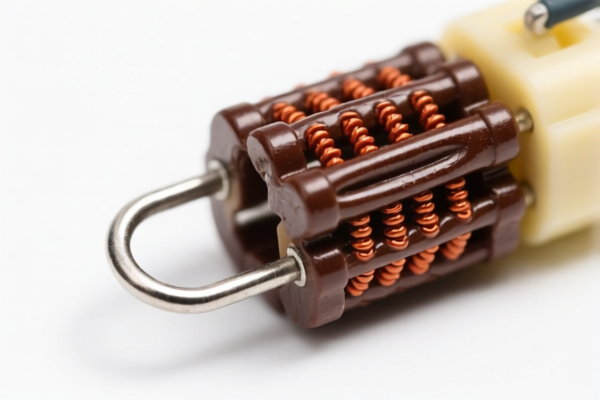
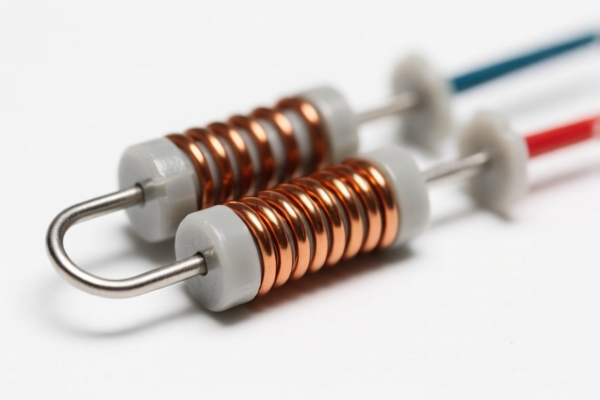
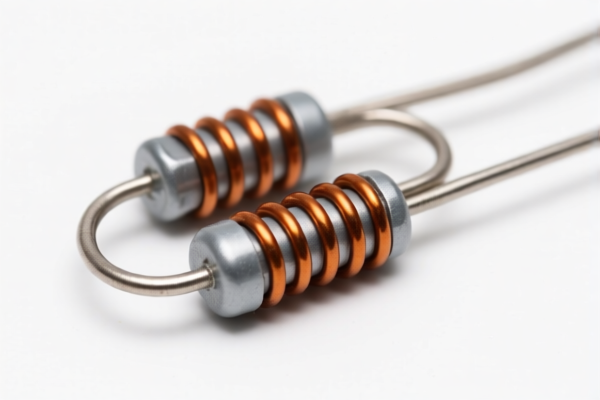
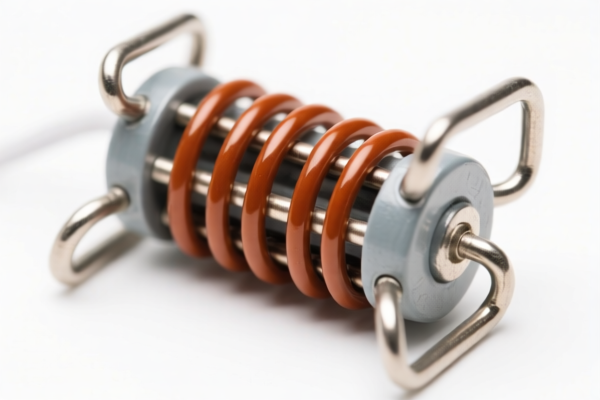
AI Analysis
🔥🌡️ Water Heater Switch (Electric & Thermostatic Controls)
🌐 HS Code Classification & Clearance Guide | 2026 Tariff Analysis | Strategic Import Strategy
📌 I. Product Definition & Classification: What Exactly is a "Water Heater Switch"?
The term "Water Heater Switch" is a functional description that covers multiple HS Code categories depending on the primary function, integration level, and physical form of the component. In international trade, these are not a single product but a family of electrical or mechanical components.
Key Classification Logic: 1. As a Standalone Electrical Switch: If the item is a generic high-power switch used to cut/restore power to the heater → 8536.50. 2. As a Heater Component/Accessory: If the item is designed specifically as a part of an electric water heater and cannot function independently → 8516.90. 3. As a Control Device (Thermostat/Regulator): If the item regulates temperature or flow automatically → 9032.10. 4. As a Flow/Valve Assembly: If the "switch" mechanism is primarily a valve controlling water flow → 8481.80.
⚠️ Critical Distinction:
- If it is just a mechanical/electrical toggle for a large circuit →8536.50.90.65.
- If it is a specialized part made for a heater and sold with it →8516.90.
- If it automatically regulates temperature →9032.10.
📦 II. HS Code Classification Details (2026 Authoritative Tariff对照)
Based on the provided data, here are the five valid classifications for "Water Heater Switch" and their specific logic:
| HS Code | Product Description & Logic | Primary Function | Tax Logic Summary |
|---|---|---|---|
8536.50.90.65 |
High-Power Water Heater Switch | General Electrical Switch (Fallback Category) | "Other switches" logic for high power. |
8516.90.90.00 |
Water Heater Switch (Accessory) | Spare Part for Electric Heater | Compatible component of the heater. |
8516.90.05.00 |
Water Heater Switch Component | Heating Equipment Part | Physical form & usage match heating parts. |
9032.10.00.60 |
Water Heater Switch (Control) | Heating System Control / Thermostat | Temperature regulating function. |
8481.80.90.50 |
Switch Water Heater (Flow Control) | Valve / Flow Control Device | Water flow control function. |
🔍 Key Insight:
-8536.50is the "catch-all" for the switch mechanism itself.
-8516.90is for the "part" status (specifically for the heater).
-9032.10shifts the focus from "switching" to "controlling temperature" (Thermostat).
-8481.80shifts the focus to "controlling water flow" (Valve).
💰 III. 2026 Tariff Rate Breakdown (Detailed Policy Analysis)
✅ Applicable Market: USA (US)
✅ Origin: China (CN)
✅ 生效时间: Current (Including 2026 projections)
✅ Tax Structure: Base Tariff + Section 232/301 (25%) + Section 122 (10%)
🎯 1. 8536.50.90.65 —— High-Power Switch (General Electrical)
- Scenario: A standalone switch used in water heating circuits.
- Tax Structure:
- Base Duty: 0.0%
- Section 301 (Section 122 equivalent in data): +25.0% (Retaliatory/Strategic)
- Section 122: +10.0% (Specific to China)
- Total Tax Rate: 35.0%
- Legal Path:
USITC:8536.50→Section 122→General Tariff
🎯 2. 8516.90.90.00 —— Heater Accessory (Spare Part)
- Scenario: Sold as a spare part specifically for an electric water heater.
- Tax Structure:
- Base Duty: 3.9%
- Section 301: +25.0%
- Section 122: +10.0%
- Total Tax Rate: 38.9%
- Legal Path:
8516.90.90(Heater Parts) +Section 122(10%) +301(25%)
🎯 3. 8516.90.05.00 —— Heating Equipment Component
- Scenario: A component physically and functionally integrated into the heating equipment.
- Tax Structure:
- Base Duty: 3.7%
- Section 301: +25.0%
- Section 122: +10.0%
- Total Tax Rate: 38.7%
- Note: Slightly lower base duty than
8516.90.90, but effectively the same total burden.
🎯 4. 9032.10.00.60 —— Thermostatic Control Device
- Scenario: The switch is actually a temperature regulator (Thermostat).
- Tax Structure:
- Base Duty: 1.7%
- Section 301: +25.0%
- Section 122: +10.0%
- Total Tax Rate: 36.7%
- Legal Path:
9032.10(Thermostats) +Section 122+301. Lowest base duty!
🎯 5. 8481.80.90.50 —— Flow Control Valve/Switch
- Scenario: The "switch" is primarily a water flow valve.
- Tax Structure:
- Base Duty: 2.0%
- Section 301: +25.0%
- Section 122: +10.0%
- Total Tax Rate: 37.0%
- Legal Path:
8481.80(Valves) +Section 122+301.
🛠️ IV. Clearance Practical Advice (Actionable Strategy)
✅ 1. Material Preparation Checklist (The "Must-Haves")
| Document | Requirement | Why It Matters |
|---|---|---|
| Product Specification Sheet | ✔️ Mandatory | Must clearly state: Is it a switch? A thermostat? A valve? What is the voltage? |
| Circuit Diagram / Schematic | ✔️ Critical | Proves if the item is a "part" of a heater (8516) or a general switch (8536). |
| Function Description | ✔️ Mandatory | Explicitly describe if it regulates temperature (points to 9032) or controls flow (points to 8481). |
| Photos (Labeled) | ✔️ Mandatory | Show the铭牌 (nameplate), wiring, and connection type. |
| Original Invoice & Packing List | ✔️ Mandatory | Avoid descriptions like "Water Heater Switch" without detail. Use specific technical names. |
⚠️ Danger Zone: If you simply write "Water Heater Switch" on the invoice, customs will likely guess the code. If they guess
8516.90(38.9%) but it should be9032.10(36.7%), you might face delays or audits.
✅ 2. Classification Strategy (How to Choose)
🔥 The Golden Rule: "Function Over Name"
| If Your Product Is... | Declare As... | Why? | Risk if Wrong |
|---|---|---|---|
| A generic on/off switch for high power | 8536.50.90.65 (35.0%) |
It's a standard electrical switch. | Lower risk, but may miss part status. |
| A thermostat (auto temp control) | 9032.10.00.60 (36.7%) |
Best for low base duty if it controls temp. | Wrong = Higher duty if misclassified as part. |
| A spare part sold with a heater | 8516.90.90.00 (38.9%) |
It is a "part" of the appliance. | If it's a thermostat, this is overpayment. |
| A valve that switches water flow | 8481.80.90.50 (37.0%) |
If it moves water, not just electricity. | High risk of rejection if it's purely electrical. |
✅ 3. Special Cases & Pitfalls
| Scenario | Recommendation |
|---|---|
| "Switch" is actually a Thermostat | Declare as 9032.10. Do not declare as 8516. It saves 2.2% base duty and aligns with function. |
| Mixed Packaging (Switch + Heater) | Declare as "Water Heater" (8516.10) if the heater is the main item. The switch becomes a part. |
| High Power vs. Low Power | Ensure the HS Code 8536.50 is used for High Power. Low power might fall under different categories. |
| "Switch Water Heater" (Flow) | If the device controls water flow (not just power), 8481 is the correct path. |
🌍 V. Global Market Comparison (USA vs. Rest of World)
| Region | Primary HS Code | Est. Duty (China Origin) | Key Constraint |
|---|---|---|---|
| 🇺🇸 USA | 8536.50 / 8516.90 / 9032.10 |
35.0% – 38.9% | Section 122 (10%) + Section 301 (25%) applies to ALL. |
| 🇪🇺 EU | 8536.50 / 8516.90 |
~0% - 4% | No Section 122/301. CE Certification required. |
| 🇨🇳 China | 8536.50 / 8516.90 |
0% - 5% | Low base duty, no extra tariffs. |
| 🇯🇵 Japan | 8536.50 / 8516.90 |
0% - 5% | PSE Certification required. |
📌 Conclusion:
The USA imposes a massive 35%+ burden on these items due to the 122 (10%) + 301 (25%) combination.
Strategy: If possible, declare the most specific function (e.g.,9032.10for thermostats) to minimize the Base Duty (1.7% vs 3.7%), even though the 35% total remains.
📌 VI. Common Errors & "Don't Do This" List
❌ Error 1: Calling a Thermostat a "Switch".
👉 Consequence: It might be wrongly classified as 8536.50 (35.0%) instead of 9032.10 (36.7% - wait, 36.7 is higher, but 9032 is more technically correct for temperature control. Correction: Actually, 9032 has 1.7% base vs 0% base for 8536. 8536 is cheaper here (35% vs 36.7%)!
👉 Correction: If the item is strictly a temperature regulator, it must be 9032.10 to comply with legal function, even if the tariff is slightly higher. Compliance > Savings.
❌ Error 2: Declaring a Spare Part as a General Switch.
👉 Consequence: Customs may reject it as "incompatible" or "misrepresented" if the product is clearly branded for a specific heater model.
❌ Error 3: Ignoring Section 122 (10%).
👉 Consequence: Assuming only 25% duty. The total is 35-38%. Failing to account for the extra 10% leads to budget overruns.
🎯 VII. Final Strategic Recommendation
🚀 Action Plan: 1. Analyze Function: Is it a power switch (
8536), a spare part (8516), a thermostat (9032), or a valve (8481)? 2. Calculate Total: Always calculate Base + 25% + 10%. The total is 35% to 38.9%. 3. Documentation: Prepare a Technical Data Sheet explicitly stating: "This is a [Type] used for [Function] in Water Heaters." 4. Pre-Clearance: For large shipments, consider CBP Binding Ruling to lock in the correct HS Code and avoid disputes.💡 Pro Tip:
If the item is a Thermostat, the9032.10classification (36.7%) is legally the most robust, even if8536(35.0%) looks cheaper. Legal Accuracy prevents audits.
📣 Ready to Ship?
📞 Contact your broker immediately with the product specs.
🚀 Verify the "Function" vs "Name" to ensure the correct HS Code.
💼 Budget for the full 35-39% tariff to protect your margins.
✨ Precision Classification = Smooth Clearance = Maximized Profit!
💪 Don't let a "Switch" cost you 40% of your value!
Customer Reviews
About HS Code Classification
The Harmonized System (HS) is an internationally standardized nomenclature developed by the World Customs Organization (WCO) to classify traded products. Over 200 countries use the HS system as the basis for customs tariffs, trade statistics, and import/export regulations.
Each HS code follows a hierarchical structure:
- Chapter (2 digits) — Broad category of goods (e.g., Chapter 84: Machinery and Mechanical Appliances)
- Heading (4 digits) — More specific grouping within the chapter
- Subheading (6 digits) — Internationally standardized breakdown, used by all WCO member countries
- National subdivisions (8-10 digits) — Country-specific extensions for further classification, such as US HTSUS 10-digit codes
Correct HS code classification is essential for smooth customs clearance, accurate duty payment, and compliance with trade regulations. Misclassification can lead to customs delays, overpayment of duties, or penalties.
When importing from CN to US, the applicable tariff rates may include:
- Most-Favored-Nation (MFN) rate — The standard duty rate applied to WTO members
- General rate — Applied to countries without trade agreements
- Trade remedy duties — Additional tariffs such as Section 301 (anti-dumping), Section 232 (national security), or countervailing duties
The information provided on this page is for reference purposes only. For official classification, please consult with your local customs authority or a licensed customs broker.