water pot
CN → US| HS Code | Tariff Rate | Origin | Destination | Doc |
|---|---|---|---|---|
| 6911104100 | 16.3% | CN | US | Official Doc |
| 6911108010 | 38.3% | CN | US | Official Doc |
| 7323930015 | 62.0% | CN | US | Official Doc |
| 7323930015 | 62.0% | CN | US | Official Doc |
| 8516790000 | 12.7% | CN | US | Official Doc |
Product Images
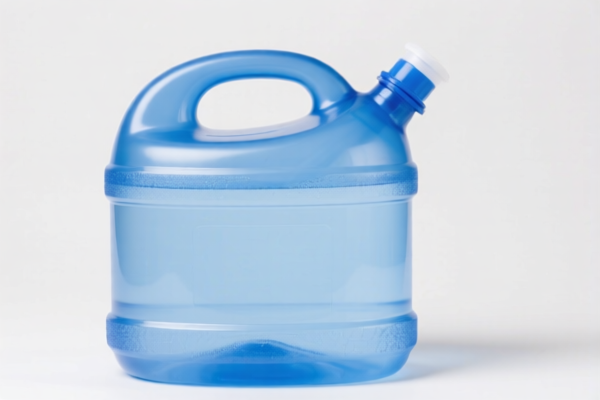
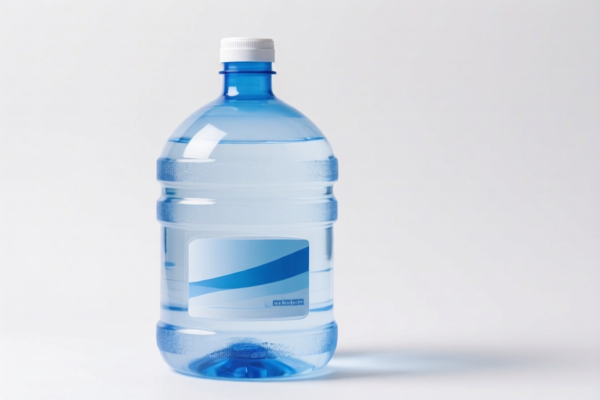
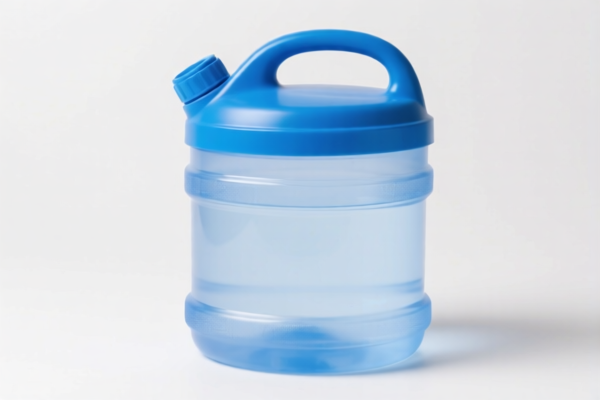
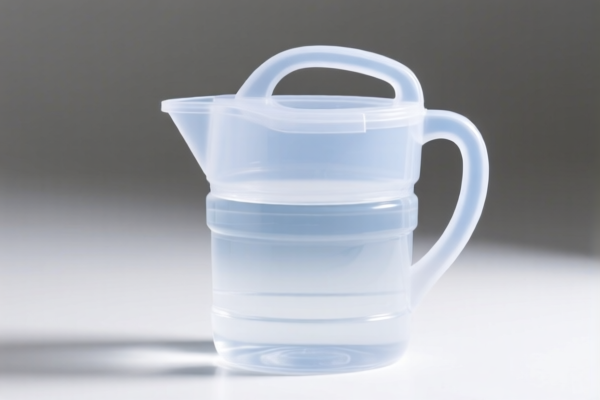
AI Analysis
🫖 Small Water Pots & Kettles: HS Code Classification & Duty Strategy (2026)
🌐 HS Code Reference & Customs Clearance Guide | 2026 Latest Tariff Breakdown | Professional Clearance Strategy
📌 Part I: Product Definition & Classification: Do You Really Understand "Small Water Pots"?
"Small Water Pots" (小水壶) are versatile household or kitchen utensils used for holding, heating, or serving liquids. In international trade, their classification depends heavily on material, function, and power source. Misclassification leads to significant tariff discrepancies (from 12.7% to 62.0%).
Key Distinctions: * Non-electric Ceramic/Glass/Metal Pots: Used for serving or storage → Classified under Chapter 69 (Ceramic) or 73 (Iron/Steel). * Electric Kettles: Used for heating water/tea → Classified under Chapter 85 (Electrical Appliances).
⚠️ Critical Distinction Point:
- If it is non-electric and made of ceramic → 6911.10
- If it is non-electric and made of stainless steel/aluminum → 7323.93
- If it is electric (heating element present) → 8516.79
📦 Part II: HS Code Classification Details (2026 Latest Tariff Alignment)
| HS Code | Product Description | Material/Type | Use Case |
|---|---|---|---|
6911.10.41.00 |
Small water pots, Ceramic material | Ceramic | Kitchen/Household utensils |
6911.10.80.10 |
Small water pots, Ceramic/Glass/Metal mix | Mixed Materials | Liquid containment/storage |
7323.93.00.15 |
Small water pots, Metal/Stainless Steel | Steel/Aluminum | Tea pots/Water jugs (Household) |
7323.93.00.15 |
Electric Kettles, Stainless Steel/Plastic body | Electric (Non-specified) | Heating water/Boiling tea |
8516.79.00.00 |
Electric Kettles, Electrical Heating Appliances | Electrical | Electric heating household appliances |
🔍 Important Note:
-7323.93.00.15appears twice in the data due to different interpretations: one for non-electric metal pots and one for electric kettles with metal/plastic bodies. Clarification of "Electric vs. Non-Electric" is crucial here.
- If the item has a heating element, it must be classified under 8516.79.00.00 to avoid higher duties on metal goods.
💰 Part III: 2026 Latest Tariff Rate Breakdown (Including Surtaxes & Policy Add-ons)
✅ Applicable Country: United States (US)
✅ Origin: China (CN)
✅ Effective Date: 2025/2026 Period (Including subsequent imports)
🎯 1. 6911.10.41.00 —— Ceramic Small Water Pots
| Item | Content |
|---|---|
| Base Tariff | 6.3% |
| USITC Surcharge | 0.0% |
| Section 301/IEEPA Add-on | 10% ("122 Clause" Tariff) |
| Total Tariff Rate | 16.3% |
| Tax Calculation | CIF Value × 16.3% |
| De Minimis Eligibility | ❌ Not eligible (Standard commercial import) |
| Legal Path | Base: 6911.10 → Add-on: Section 301 |
📌 Explanation:
- Ceramic goods generally have low base tariffs.
- The 10% surcharge is the primary cost driver.
- Lowest duty tier among non-electric options.
🎯 2. 6911.10.80.10 —— Mixed Material (Ceramic/Glass/Metal) Small Water Pots
| Item | Content |
|---|---|
| Base Tariff | 20.8% |
| USITC Surcharge | 7.5% |
| Section 301/IEEPA Add-on | 10% ("122 Clause" Tariff) |
| Total Tariff Rate | 38.3% |
| Tax Calculation | CIF Value × 38.3% |
| De Minimis Eligibility | ❌ Not eligible |
| Legal Path | Base: 6911.10 → USITC: 7.5% → Add-on: 10% |
📌 Warning:
- Mixed materials often trigger higher base tariffs due to "chief use" or "essential character" rules.
- High cost! Avoid this classification if possible by separating components or clarifying the main material.
🎯 3. 7323.93.00.15 —— Metal/Stainless Steel Small Water Pots (Non-Electric & Electric Ambiguity)
⚠️ CRITICAL DISTINCTION: The data shows two scenarios for this HS Code.
Scenario A: Non-Electric Metal/Steel Pots
| Item | Content |
|---|---|
| Base Tariff | 2.0% |
| USITC Surcharge | 0.0% |
| Section 301/IEEPA Add-on | 10% ("122 Clause" Tariff) |
| Steel/Aluminum/Copper Surcharge | 50% (Special Surtax for Steel/Al/Cu Products) |
| Total Tariff Rate | 62.0% |
| Tax Calculation | CIF Value × 62.0% |
Scenario B: Electric Kettles (Steel/Plastic Body)
| Item | Content |
|---|---|
| Base Tariff | 2.0% |
| USITC Surcharge | 0.0% |
| Section 301/IEEPA Add-on | 10% ("122 Clause" Tariff) |
| Steel/Aluminum/Copper Surcharge | 50% |
| Total Tariff Rate | 62.0% |
| Tax Calculation | CIF Value × 62.0% |
📌 Explanation:
- Why 62%? The base tariff is low (2.0%), but the 50% surcharge on steel/aluminum/copper products is the killer.
- This classification is extremely expensive. If the product is electric, DO NOT use this HS Code if an electrical classification (8516) is available, as it avoids the steel surcharge.
🎯 4. 8516.79.00.00 —— Electric Kettles (Electrical Heating Appliances)
| Item | Content |
|---|---|
| Base Tariff | 2.7% |
| USITC Surcharge | 0.0% |
| Section 301/IEEPA Add-on | 10% ("122 Clause" Tariff) |
| Total Tariff Rate | 12.7% |
| Tax Calculation | CIF Value × 12.7% |
| De Minimis Eligibility | ❌ Not eligible |
| Legal Path | Base: 8516.79 → Add-on: 10% |
📌 Recommendation:
- This is the LOWEST duty rate for ELECTRIC kettles.
- If your product has a heating element, classify it here to avoid the 50% steel surcharge.
- Savings: Compared to7323.93.00.15(62%), this saves 49.3% in duties!
🛠️ Part IV: Customs Clearance Practical Advice (Real-World Pitfall Guide)
✅ 1. Documentation Checklist (Mandatory)
| Document | Required | Notes |
|---|---|---|
| ✅ Product Specification Sheet | ✔️ | Must specify: Material, Power (W/V), Voltage, Heating Element presence |
| ✅ Product Photos | ✔️ | Clear view of heating plate, buttons, and material labels |
| ✅ Commercial Invoice | ✔️ | Description must match HS Code (e.g., "Electric Kettle" vs. "Ceramic Teapot") |
| ✅ Certificate of Origin (CO) | ✔️ | Essential for determining US origin vs. China origin |
| ✅ FCC Declaration (if electric) | ✔️ | Required for 8516.79.00.00 products |
✅ 2. Declaration Tips (Key Mnemonics)
🔥 "Electric goes to 85, Metal goes to 73 (but watch the 50%), Ceramic is cheap."
| Scenario | Correct HS Code | Incorrect Action | Result |
|---|---|---|---|
| Electric Kettle | 8516.79.00.00 |
Declare as "Metal Pot" (7323) |
Pay 62% instead of 12.7% |
| Ceramic Teapot | 6911.10.41.00 |
Declare as "Mixed Material" (6911.80) |
Pay 38.3% instead of 16.3% |
| Steel Teapot (No Heat) | 7323.93.00.15 |
Cannot avoid 50% steel surcharge | Pay 62% (High cost) |
| Mixed Glass/Metal Pot | 6911.10.80.10 |
N/A | Pay 38.3% (Inevitable) |
✅ 3. Special Case Handling
| Situation | Handling Advice |
|---|---|
| Electric Kettle with Plastic Body | Use 8516.79.00.00 → 12.7% Duty. Avoid 7323 entirely. |
| Electric Kettle with Stainless Steel Body | Use 8516.79.00.00 → 12.7% Duty. Do not use 7323.93.00.15 (62%). |
| Non-Electric Steel Teapot | Use 7323.93.00.15 → 62% Duty. Consider using ceramic or glass alternatives to save costs. |
| Non-Electric Ceramic Pot | Use 6911.10.41.00 → 16.3% Duty. Best value for non-heating pots. |
🌍 Part V: Global Market Comparison (2026 Latest)
| Country/Region | Recommended HS Code | Tariff (China Origin) | Certification | Notes |
|---|---|---|---|---|
| 🇺🇸 USA | 8516.79.00.00 |
12.7% (Electric) | FCC + UL | Avoid 7323 (62%)! |
| 🇨🇳 China | 8516.79.00.00 |
5% | CCC + RoHS | No surtax |
| 🇪🇺 EU | 8516.79.00.00 |
2.7% | CE + ErP | No 301-style surtax |
| 🇬🇧 UK | 8516.79.00.00 |
2.7% | UKCA | No surtax |
| 🇯🇵 Japan | 8516.79.00.00 |
10% | PSE | No surtax |
📌 Conclusion:
- USA is the most expensive market due to the 10% IEEPA surcharge and steel-specific 50% surcharge.
- Electric classification (8516) is strongly recommended for heating devices to avoid the 50% steel tariff.
📌 Part VI: Common Mistakes & Pitfall Guide (Lessons Learned)
❌ Mistake 1: Declaring an Electric Kettle as a "Metal Pot" (7323.93.00.15)
👉 Consequence: Pay 62% duty instead of 12.7% → Loss of ~$50 per $100 product!
❌ Mistake 2: Declaring a Ceramic Pot as "Mixed Material" (6911.10.80.10)
👉 Consequence: Pay 38.3% duty instead of 16.3% → Unnecessary cost increase.
❌ Mistake 3: Not specifying "Electric" in the description for 8516.79.00.00
👉 Consequence: Customs may reclassify to Chapter 73 or 69 → Delays + Retrospective Taxes.
❌ Mistake 4: Ignoring the 50% Steel Surcharge on 7323 items
👉 Consequence: High duty burden on steel teapots. Consider alternative materials (Ceramic/Glass) for non-electric items.
✅ Correct Practice:
"Electric Kettle, 1.5L, Stainless Steel Body, Plastic Handle, 120V, FCC Certified, Model XYZ"
🎯 Part VII: Conclusion: Professional Classification, Cost Savings!
🎯 Remember the Mantra:
🔹 "Electric goes to 85 (12.7%), Ceramic goes to 69 (16.3%), Metal goes to 73 (62%)."
🔹 "If it heats, use 8516. If it doesn't, choose Ceramic over Metal to save 45%!"
📌 Pro Tip:
- If your product is non-electric and made of steel, consider switching to ceramic or glass to reduce duties from 62% to 16.3%.
- If your product is electric, always use 8516.79.00.00 to avoid the 50% steel surcharge.
📣 Immediate Action:
📞 Consult a customs broker + Provide Product Photos + Apply for HS Code Advance Ruling
🚀 Ensure smooth customs clearance, optimize costs, and maximize profits!
✨ Professional clearance starts with accurate classification!
💼 Every penny of duty matters!
Customer Reviews
About HS Code Classification
The Harmonized System (HS) is an internationally standardized nomenclature developed by the World Customs Organization (WCO) to classify traded products. Over 200 countries use the HS system as the basis for customs tariffs, trade statistics, and import/export regulations.
Each HS code follows a hierarchical structure:
- Chapter (2 digits) — Broad category of goods (e.g., Chapter 84: Machinery and Mechanical Appliances)
- Heading (4 digits) — More specific grouping within the chapter
- Subheading (6 digits) — Internationally standardized breakdown, used by all WCO member countries
- National subdivisions (8-10 digits) — Country-specific extensions for further classification, such as US HTSUS 10-digit codes
Correct HS code classification is essential for smooth customs clearance, accurate duty payment, and compliance with trade regulations. Misclassification can lead to customs delays, overpayment of duties, or penalties.
When importing from CN to US, the applicable tariff rates may include:
- Most-Favored-Nation (MFN) rate — The standard duty rate applied to WTO members
- General rate — Applied to countries without trade agreements
- Trade remedy duties — Additional tariffs such as Section 301 (anti-dumping), Section 232 (national security), or countervailing duties
The information provided on this page is for reference purposes only. For official classification, please consult with your local customs authority or a licensed customs broker.