water sprayer
CN → US| HS Code | Tariff Rate | Origin | Destination | Doc |
|---|---|---|---|---|
| 7323999030 | 88.4% | CN | US | Official Doc |
| 3924104000 | 13.4% | CN | US | Official Doc |
| 3924905650 | 20.9% | CN | US | Official Doc |
| 7323999080 | 88.4% | CN | US | Official Doc |
| 7323997000 | 65.3% | CN | US | Official Doc |
Product Images
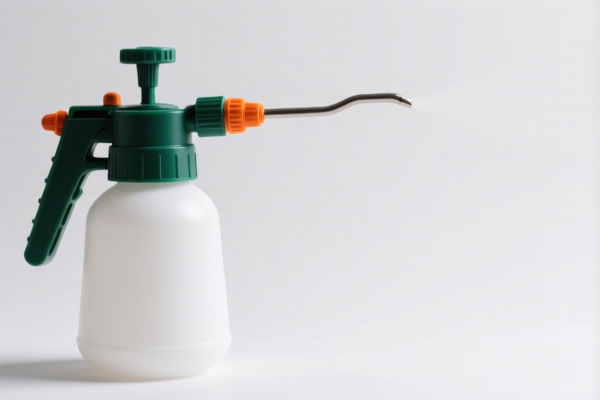
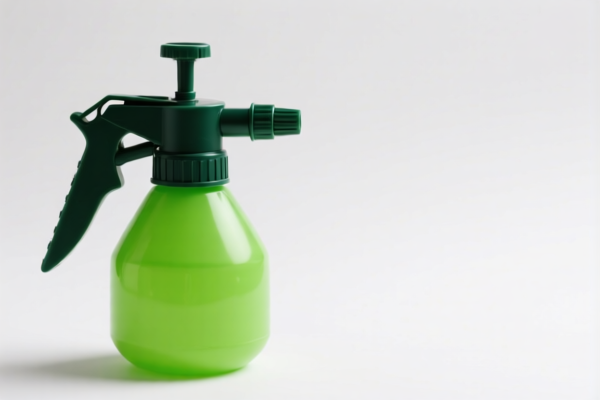
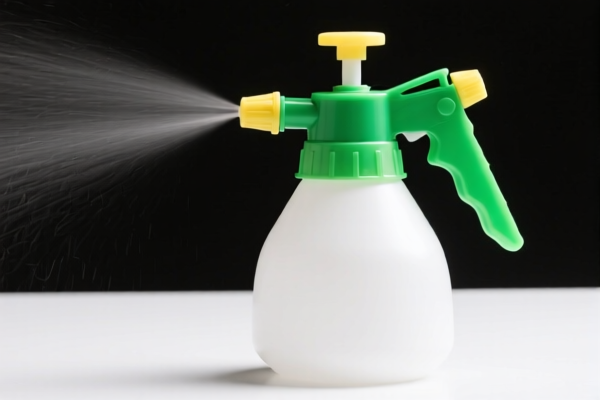
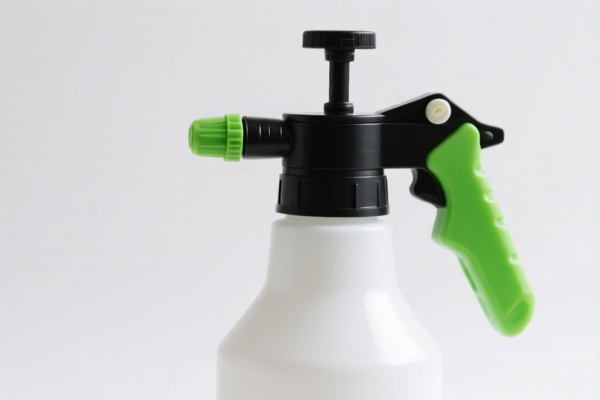
AI Analysis
💦 Water Sprayers (Kitchen & Household Items)
🌐 HS Code Reference & Customs Clearance Guide | 2026 Latest Tariff Analysis | Professional Clearance Strategy
📌 I. Product Definition & Classification: What Exactly is a "Water Sprayer"?
The term "Water Sprayer" is broad and ambiguous in international trade, leading to significantly different tariff outcomes depending on material composition and primary use. In customs classification, it is generally split into two main categories:
Metal Sprayers (Kitchen/Dining): Often made of stainless steel, iron, or aluminum. These are typically classified under Chapter 73 (Articles of Iron or Steel). If classified here, they are heavily impacted by Section 301 tariffs and Section 232 tariffs (Steel/Aluminum).
Plastic Sprayers (Household/Gardening): Made of polymers. These are typically classified under Chapter 39 (Plastics and Articles Thereof). These face lower base tariffs and vary significantly based on specific sub-category (e.g., kitchen utensils vs. other household goods).
⚠️ Critical Distinction Point:
- If the item is primarily metal (iron/steel/aluminum) and used in a kitchen or garden context → It falls under 7323 series.
- If the item is primarily plastic and used for cleaning, gardening, or kitchen prep → It falls under 3924 series.
- Note: Mixed materials are usually classified based on the component that gives the article its essential character.
📦 II. HS Code Classification Details (2026 Latest Tariff Authority Comparison)
| HS Code | Product Description | Applicable Scenario | Material Composition |
|---|---|---|---|
7323.99.90.30 |
Other articles of iron or steel (Kitchen/Dining focus) | Kitchen sprayers, table water sprayers, metal dispensers | 🧱 Metal (Steel/Iron/Aluminum) |
3924.10.40.00 |
Tableware and kitchenware, of plastics | Plastic water bottles/sprayers for home/kitchen use | 🧪 Plastic |
3924.90.56.50 |
Other household articles of plastics | Plastic sprayers for general household/garden use | 🧪 Plastic |
7323.99.90.80 |
Other articles of iron or steel (Cleaning/Garden focus) | Metal sprayers for home cleaning, gardening tools | 🧱 Metal (Steel/Iron) |
7323.99.70.00 |
Watering cans and similar articles (Iron/Steel) | Metal watering cans, garden sprayers specifically as "watering cans" | 🧱 Metal (Steel/Iron) |
🔍 Key Reminder:
- Metal Sprayers (7323) are subject to high cumulative tariffs (Base + Section 301 + Section 232).
- Plastic Sprayers (3924) have variable Section 301 tariffs (0%, 7.5%, or 25%) depending on the specific sub-heading, but never the additional Section 232 steel/aluminum tariff.
- Misclassification is a common pitfall: Declaring a plastic sprayer as metal (or vice versa) to avoid taxes will lead to severe penalties.
💰 III. 2026 Latest Tariff Rate Breakdown (Including Surtaxes, Policy Add-ons)
✅ Applicable Country: United States (US)
✅ Country of Origin: China (CN)
✅ Effective Time: Current trade war regulations (Section 301 & 232) remain in force.
🎯 1. 7323.99.90.30 & 7323.99.90.80 —— Metal Sprayers (Steel/Iron/Aluminum)
| Item | Content |
|---|---|
| Base Tariff | 3.4% (Ad Valorem) |
| Section 301 Surcharge | +25.0% (List 4B/4A items) |
| Section 232 Surcharge | +50.0% (Steel, Aluminum, Copper products under 122 Clause) |
| Total Tax Rate | 88.4% |
| Tax Calculation | CIF Value × 88.4% |
| De Minimis Exemption | ❌ Not Eligible (Denied due to high surcharge rates) |
| Legal Basis Path | Section 301: 25% → Section 232: 50% → Base: 3.4% → HS: 7323.99.90 |
📌 Explanation:
- The 88.4% rate is devastating for metal kitchenware. It includes the standard 25% trade war tariff plus the specific 50% steel/aluminum tariff triggered by Section 232 investigations.
- Even if the item is "compatible with stainless steel," if the primary material is steel/aluminum, the 50% surcharge applies.
🎯 2. 7323.99.70.00 —— Metal Watering Cans (Specific Sub-category)
| Item | Content |
|---|---|
| Base Tariff | 5.3% |
| Section 301 Surcharge | 0.0% (Some specific watering cans may qualify for exemption or lower list, check specific HTS notes) |
| Section 232 Surcharge | +50.0% (Steel/Aluminum products) |
| Total Tax Rate | 65.3% |
| Tax Calculation | CIF Value × 65.3% |
| De Minimis Exemption | ❌ Not Eligible |
| Legal Basis Path | Section 232: 50% → Base: 5.3% |
📌 Note:
- While the base tariff is higher (5.3% vs 3.4%), the absence of the 25% Section 301 surcharge makes this rate (65.3%) significantly lower than the standard metal sprayer rate (88.4%).
- This highlights the importance of accurate description: "Watering Can" vs. "Sprayer" can shift the Section 301 applicability.
🎯 3. 3924.10.40.00 —— Plastic Tableware/Kitchenware
| Item | Content |
|---|---|
| Base Tariff | 3.4% |
| Section 301 Surcharge | 0.0% |
| Section 232 Surcharge | N/A (Plastic is not steel/aluminum) |
| Total Tax Rate | 13.4% |
| Tax Calculation | CIF Value × 13.4% |
| De Minimis Exemption | ❌ Not Eligible (High value items or specific lists may apply, but generally low risk) |
| Legal Basis Path | Base: 3.4% → HS: 3924.10.40.00 |
📌 Advantage:
- This is the most cost-effective classification if the product is plastic and used in the kitchen.
- No Section 301 or Section 232 penalties apply here.
🎯 4. 3924.90.56.50 —— Other Plastic Household Articles
| Item | Content |
|---|---|
| Base Tariff | 3.4% |
| Section 301 Surcharge | +7.5% |
| Section 232 Surcharge | N/A |
| Total Tax Rate | 20.9% |
| Tax Calculation | CIF Value × 20.9% |
| De Minimis Exemption | ❌ Not Eligible |
| Legal Basis Path | Section 301: 7.5% → Base: 3.4% → HS: 3924.90.56.50 |
📌 Note:
- If the plastic sprayer is not classified as "tableware/kitchenware" (e.g., it's for general gardening or cleaning), it falls into "Other household articles."
- This incurs a 7.5% Section 301 surcharge (common for many plastic household goods), resulting in a total of 20.9%.
- Still significantly cheaper than metal alternatives.
🛠️ IV. Customs Clearance Practical Advice (Battle-Tested Pitfall Guide)
✅ 1. Preparation Checklist (Non-negotiable)
| Document | Required | Description |
|---|---|---|
| ✅ Product Specification | ✔️ | Clearly state material (e.g., "100% PP Plastic" or "304 Stainless Steel"). Ambiguity leads to worst-case classification. |
| ✅ Product Photos | ✔️ | Clear images of the sprayer, nozzle, and any branding. Show scale and material texture. |
| ✅ Bill of Lading / Invoice | ✔️ | Description must match HS Code logic. Do not write "Water Sprayer" if it's a "Plastic Kitchen Item." Use precise terms. |
| ✅ Material Composition Sheet | ✔️ | If mixed, prove which material provides the "essential character." |
| ✅ FCC/RoHS Certification | ✔️ | For plastic items, RoHS helps prove safety; for electronic sprayers, FCC is mandatory. |
✅ 2. Declaration Strategy (Key Mantras)
🔥 “Material First, Use Second, Avoid Metal Traps!”
| Scenario | Correct Declaration | Wrong Practice |
|---|---|---|
| Plastic Kitchen Sprayer | 3924.10.40.00 (13.4%) |
Declaring as "General Household" (3924.90...) → 20.9% Declaring as Metal → 88.4% |
| Metal Kitchen Sprayer | 7323.99.90.30 (88.4%) |
High cost unavoidable. Consider sourcing from non-China origin for duty evasion. |
| Metal Watering Can | 7323.99.70.00 (65.3%) |
Calling it "Sprayer" (7323.99.90...) → 88.4%. Terminology matters! |
| Plastic Garden Sprayer | 3924.90.56.50 (20.9%) |
Declaring as "Agricultural Machinery" (if inapplicable) → Risk of audit. |
✅ 3. Special Circumstances Handling
| Situation | Handling Advice |
|---|---|
| OEM Plastic Sprayers | Ensure invoices say "Plastic Household Item" not "Metal Sprayer" just because of metal springs or pumps. If plastic body > 50%, prioritize 3924. |
| Sprayers with Metal Parts | If the body is plastic but has a metal pump mechanism, argue Essential Character lies with the plastic container. Seek classification under 3924. |
| Origin Diversification | If shipping metal sprayers to the US, consider sourcing from Vietnam or Thailand to potentially avoid Section 301 (25%) and Section 232 (50%) tariffs, though rules of origin apply. |
🌍 V. Global Market Clearance Comparison (2026 Latest)
| Country/Region | Recommended HS Code | Tariff Rate (China Origin) | Certification | Notes |
|---|---|---|---|---|
| 🇺🇸 USA | 3924.10.40.00 (Plastic) |
13.4% | RoHS, FDA (if food contact) | Metal items face 88.4% |
| 🇨🇳 China | 3924.10.40.00 |
8% | N/A | Domestic duty is low; focus on export |
| 🇪🇺 EU | 3924.10.00 |
4.5% | CE, LFGB (Food) | No trade war tariffs in EU |
| 🇬🇧 UK | 3924.10.00 |
4.5% | UKCA | Post-Brexit rules apply |
| 🇦🇺 Australia | 3924.10.00 |
5% | SAA Certification | Low tariffs, easy entry |
📌 Conclusion:
- Plastic is King: For the US market, plastic sprayers (3924) are 5-6 times cheaper to import than metal ones (7323).
- Metal is a Trap: Metal sprayers from China face punitive tariffs (65%-88.4%).
- Terminology is Power: Calling a metal item a "Watering Can" (7323.99.70) saves ~23% tax compared to "Sprayer" (7323.99.90).
📌 VI. Common Errors & Pitfall Guide (Blood & Tears Lessons)
❌ Error 1: Declaring a Plastic sprayer as Metal to avoid "Plastic" checks?
👉 Consequence: Customs inspection reveals plastic → Re-classification to 7323 (if argued as metal accessory) OR fine for misdeclaration. If it's actually plastic, declare as 3924 to save 60%+ tax.
❌ Error 2: Calling a Metal Watering Can a "Water Sprayer"
👉 Consequence: 7323.99.90.30 (88.4%) vs. 7323.99.70.00 (65.3%).
👉 Action: Use the term "Watering Can" if applicable to save 23.1%.
❌ Error 3: Ignoring the Section 232 Steel/Aluminum Tariff
👉 Consequence: Even if Section 301 (25%) is waived, the 50% Steel/Aluminum tariff applies. Metal sprayers are almost always subject to this.
❌ Error 4: Assuming "De Minimis" ($800) applies
👉 Consequence: FALSE. High-tariff items (Section 301/232) are explicitly excluded from de minimis exemptions in the US. You will pay duties even on small shipments.
✅ Correct Practice:
"Plastic Water Sprayer Bottle, PP Material, for Kitchen Use, No Metal Body" →
3924.10.40.00
"Stainless Steel Watering Can, for Garden Use" →7323.99.70.00
🎯 VII. Conclusion: Professional Declaration, Save Cost, Avoid Risk!
🎯 Remember the Mantra:
🔹 "Plastic Sprayer: 13% (Kitchen) / 20% (Other). Metal Sprayer: 65% (Can) / 88% (General). Pick plastic if possible!"
🔹 "Terminology Matters: 'Watering Can' beats 'Sprayer' by 23% on metal items."
📌 Pro Tip:
If your business relies heavily on metal water sprayers from China, the US market is extremely hostile.
Strategy:
1. Shift production to Vietnam/Thailand to avoid Section 301 (25%) and potentially Section 232 (50%).
2. Redesign product to be all-plastic to utilize the 13.4% rate.
3. Consider bonded warehouses or FTA routing if sourcing from ASEAN countries.
📣 Immediate Action:
📞 Contact your customs broker with material composition docs.
🚀 Re-evaluate your BOM (Bill of Materials): Can you switch from metal to plastic? Can you label it a "Watering Can"?
📉 Calculate the 75% difference: It might make or break your profit margin.
✨ Professional clearance starts with accurate classification!
💼 Every dollar of duty saved is pure profit!
Customer Reviews
About HS Code Classification
The Harmonized System (HS) is an internationally standardized nomenclature developed by the World Customs Organization (WCO) to classify traded products. Over 200 countries use the HS system as the basis for customs tariffs, trade statistics, and import/export regulations.
Each HS code follows a hierarchical structure:
- Chapter (2 digits) — Broad category of goods (e.g., Chapter 84: Machinery and Mechanical Appliances)
- Heading (4 digits) — More specific grouping within the chapter
- Subheading (6 digits) — Internationally standardized breakdown, used by all WCO member countries
- National subdivisions (8-10 digits) — Country-specific extensions for further classification, such as US HTSUS 10-digit codes
Correct HS code classification is essential for smooth customs clearance, accurate duty payment, and compliance with trade regulations. Misclassification can lead to customs delays, overpayment of duties, or penalties.
When importing from CN to US, the applicable tariff rates may include:
- Most-Favored-Nation (MFN) rate — The standard duty rate applied to WTO members
- General rate — Applied to countries without trade agreements
- Trade remedy duties — Additional tariffs such as Section 301 (anti-dumping), Section 232 (national security), or countervailing duties
The information provided on this page is for reference purposes only. For official classification, please consult with your local customs authority or a licensed customs broker.