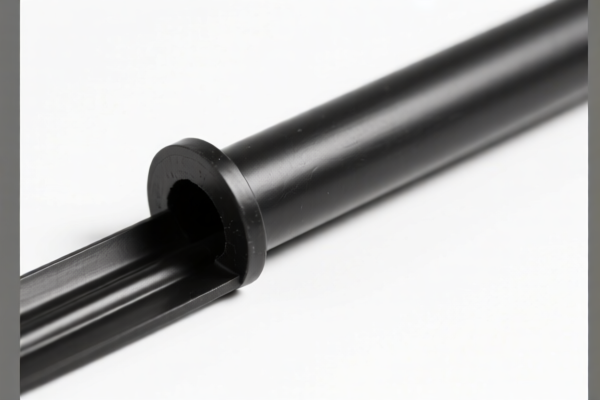
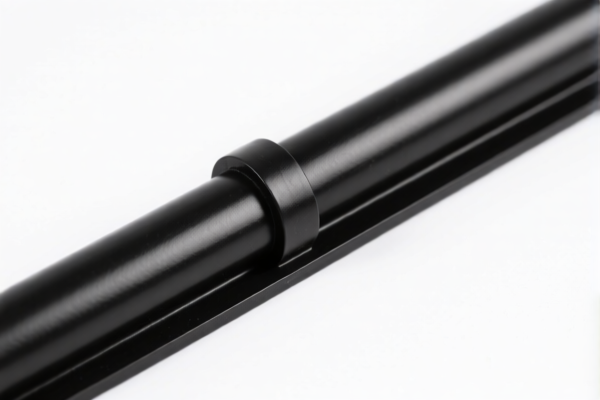
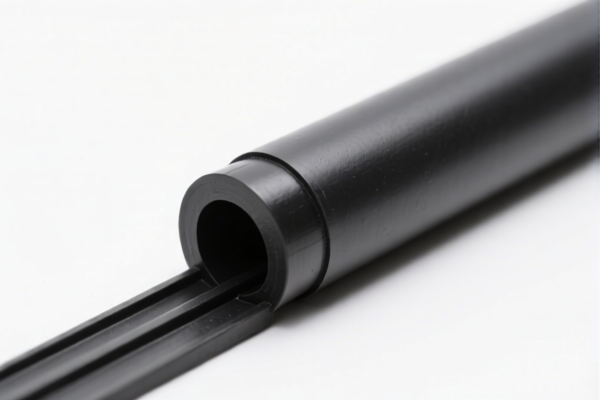
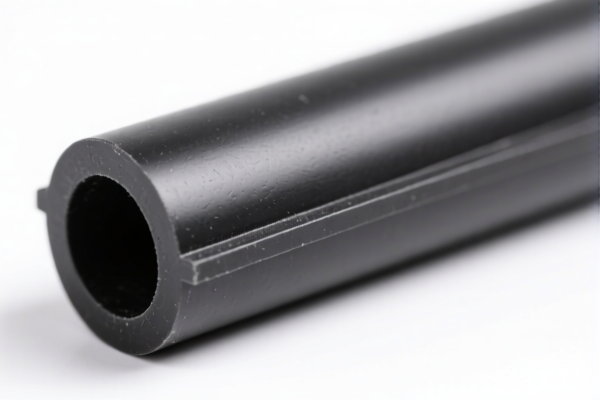
water stop strip
CN → US| HS Code | Tariff Rate | Origin | Destination | Doc |
|---|---|---|---|---|
| 3926904590 | 38.5% | CN | US | Official Doc |
| 3926909989 | 22.8% | CN | US | Official Doc |
| 7326908688 | 87.9% | CN | US | Official Doc |
| 6907211051 | 45.0% | CN | US | Official Doc |
| 3926905900 | 37.4% | CN | US | Official Doc |
Product Images
AI Analysis
🚧 Water Stop Strip (Waterbar)
🌐 HS Code Reference & Customs Clearance Guide | 2026 Latest Tariff Analysis for Construction Materials | Professional Clearance Strategy
📌 I. Product Definition & Classification: Do You Really Understand "Water Stop Strips"?
A Water Stop Strip (often referred to as a Waterbar) is a critical waterproofing component used in construction joint systems, particularly in concrete structures like tunnels, basements, dams, and reservoirs. Its primary function is to prevent water leakage through construction joints.
In international trade, the classification hinges entirely on the material composition:
- PVC Water Stops: Made from Polyvinyl Chloride (plastic).
- Steel/Rubber Composite Water Stops: Contain steel plates for reinforcement.
- Ceramic/Glass Water Stops: Less common, but exist for specialized chemical resistance.
⚠️ Key Distinction Point:
- If the product is purely plastic (PVC/HDPE) → It falls under Chapter 39 (Plastics).
- If the product contains steel/reinforcement → It falls under Chapter 73 (Iron/Steel).
- If the product is ceramic → It falls under Chapter 69 (Ceramics).
📦 II. HS Code Classification Details (2026 Latest Tariff Concordance)
Based on the material inference, here are the 5 most likely HS Codes for Water Stop Strips:
| HS Code | Product Description | Material Inference | Applicable Scenario |
|---|---|---|---|
3926.90.99.89 |
Other articles of plastic | Plastic (PVC/PE) | Standard PVC water stops, no metal core. |
3926.90.45.90 |
Other plastic articles (seals/gaskets) | Plastic | Used specifically as sealing/gasket-like components in joints. |
7326.90.86.88 |
Other articles of iron or steel | Iron/Steel | Steel water stops, or PVC water stops with a central steel plate. |
6907.21.10.51 |
Ceramic floor/wall tiles & accessories | Ceramic | Ceramic water stop strips for corrosive environments. |
3926.90.59.00 |
Other plastic articles | Plastic/Composite | Composite plastic materials or other unspecified plastic components. |
🔍 Critical Note:
- The presence of a steel core in a PVC water stop often shifts the classification to Chapter 73 (Steel) due to the essential character provided by the steel reinforcement. - Pure PVC strips must be carefully distinguished from "rubber" seals. If they are thermoplastic elastomers (TPE), they may still fall under plastics (Chapter 39).
💰 III. 2026 Latest Tariff Rate Breakdown (Including Add-on Taxes & Policy Surcharges)
✅ Applicable Country: United States (US)
✅ Country of Origin: China (CN)
✅ Effective Date: From November 10, 2025 (and subsequent imports)
🎯 1. 3926.90.99.89 —— Other Articles of Plastic (Pure PVC)
| Item | Detail |
|---|---|
| Base Tariff | 5.3% (Ad Valorem) |
| Section 301 Surcharge | +7.5% |
| Section 122 Surcharge | +10% |
| Total Effective Rate | 22.8% |
| Tax Calculation | CIF Value × 22.8% |
| De Minimis Exemption | ❌ Not Eligible (Subject to strict scrutiny) |
| Legal Basis | Section 301: 7.5% → Section 122: 10% → USITC: 3926.90.99.89 |
📌 Explanation:
- Base 5.3%: Standard MFN rate for "Other plastic articles." - Section 301 (7.5%): Applies to specific plastic products from China. - Section 122 (10%): Additional safeguard tariff on certain imports. - Total 22.8%: A moderate but significant cost increase for plastic water stops.
🎯 2. 3926.90.45.90 —— Plastic Seals/Gaskets (Sealing/Pad Usage)
| Item | Detail |
|---|---|
| Base Tariff | 3.5% |
| Section 301 Surcharge | +25.0% |
| Section 122 Surcharge | +10% |
| Total Effective Rate | 38.5% |
| Tax Calculation | CIF Value × 38.5% |
| De Minimis Exemption | ❌ Not Eligible |
| Legal Basis | Section 301: 25.0% → Section 122: 10% → USITC: 3926.90.45.90 |
📌 Warning:
- If customs officers classify your PVC water stop as a "seal" or "gasket" rather than a general "article," the Section 301 rate jumps to 25%. - This results in a 38.5% total tax burden, which is 15.7% higher than the general plastic code. - Strategy: Ensure documentation supports "construction joint waterstop" rather than generic "seal."
🎯 3. 7326.90.86.88 —— Other Articles of Iron or Steel
| Item | Detail |
|---|---|
| Base Tariff | 2.9% |
| Section 301 Surcharge | +25.0% |
| Section 122 Surcharge | +10% |
| Steel/Aluminum/Copper Surcharge | +50% |
| Total Effective Rate | 87.9% |
| Tax Calculation | CIF Value × 87.9% |
| De Minimis Exemption | ❌ Not Eligible |
| Legal Basis | Steel Surcharges: 50% → Section 301: 25% → Section 122: 10% |
📌 CRITICAL ALERT:
- This is the highest risk classification.
- If your water stop contains a steel plate (even if surrounded by PVC), it may be deemed "an article of steel." - The 50% Steel/Aluminum/Copper Surcharge is applied on top of Section 301 and 122. - Total Tax: 87.9%. This effectively destroys the profit margin for steel-reinforced water stops.
🎯 4. 6907.21.10.51 —— Ceramic Tiles & Accessories
| Item | Detail |
|---|---|
| Base Tariff | 10.0% |
| Section 301 Surcharge | +25.0% |
| Section 122 Surcharge | +10% |
| Total Effective Rate | 45.0% |
| Tax Calculation | CIF Value × 45.0% |
| De Minimis Exemption | ❌ Not Eligible |
| Legal Basis | Section 301: 25% → Section 122: 10% → USITC: 6907.21.10.51 |
📌 Note:
- Ceramic water stops are niche. The tariff is high (45%) due to the 25% Section 301 surcharge on ceramics.
🎯 5. 3926.90.59.00 —— Other Plastic Articles
| Item | Detail |
|---|---|
| Base Tariff | 2.4% |
| Section 301 Surcharge | +25.0% |
| Section 122 Surcharge | +10% |
| Total Effective Rate | 37.4% |
| Tax Calculation | CIF Value × 37.4% |
| De Minimis Exemption | ❌ Not Eligible |
| Legal Basis | Section 301: 25% → Section 122: 10% → USITC: 3926.90.59.00 |
📌 Note:
- Similar to3926.90.45.90, this code attracts a 25% Section 301 surcharge, leading to a high total tax burden of 37.4%.
🛠️ IV. Customs Clearance Practical Advice (Avoid Pitfalls)
✅ 1. Documentation Checklist (Non-Negotiable)
| Document | Required | Description |
|---|---|---|
| ✅ Product Specification Sheet | ✔️ | Must clearly state material (e.g., "100% PVC," "PVC with Steel Core"). |
| ✅ Material Composition Report | ✔️ | Lab test report confirming % of plastic vs. metal. |
| ✅ Product Photos | ✔️ | Show cross-section. If steel is visible, it triggers Chapter 73. |
| ✅ Commercial Invoice | ✔️ | Description: "PVC Water Stop Strip for Concrete Joints" (Avoid "Steel Waterbar" if not applicable). |
| ✅ Usage Declaration | ✔️ | Confirm it is for construction waterproofing, not industrial sealing. |
✅ 2. Classification Strategy (Key Mnemonics)
🔥 "Material is King, Steel is Kingmaker, Plastic is Cheaper!"
| Scenario | Recommended HS Code | Estimated Tax | Risk Level |
|---|---|---|---|
| Pure PVC Water Stop | 3926.90.99.89 |
22.8% | 🟢 Low (Best Option) |
| PVC with Steel Core | 7326.90.86.88 |
87.9% | 🔴 Extreme (Avoid if possible) |
| Ceramic Water Stop | 6907.21.10.51 |
45.0% | 🟠 High |
| General Plastic Article | 3926.90.59.00 |
37.4% | 🟠 Medium-High |
📌 Actionable Tip:
- If your product has a steel core, consider switching to fully plastic (PVC/HDPE) or Rubberized alternatives to avoid the 87.9% tariff. - If you must use steel-core water stops, ensure the invoice clearly describes it as an "article of steel" to avoid penalties for misclassification.
✅ 3. Special Case Handling
| Situation | Handling Advice |
|---|---|
| PVC Water Stop with Steel Core | High Risk. Customs may classify under Chapter 73. Provide strong evidence that the PVC is the essential character, but expect challenges. |
| Rubber Water Stops | Check if they fall under Chapter 40 (Rubber). If rubber, tariffs may differ. If thermoplastic, they stay in Chapter 39. |
| Composite Materials | If the product is a blend, the essential character determines the chapter. Steel usually dominates. |
| De Minimis (Section 321) | Not Applicable. Water stops are subject to all surcharges (Section 301, 122, Steel). No $800 exemption. |
🌍 V. Global Market Comparison (2026)
| Country/Region | Recommended HS Code | Tariff (China Origin) | Certification | Notes |
|---|---|---|---|---|
| 🇺🇸 USA | 3926.90.99.89 (Plastic) |
22.8% | No specific US cert | Highest Risk for Steel-Core (87.9%) |
| 🇨🇳 China | 3926.90.99.89 |
5-8% | None | Low export tax |
| 🇪🇺 EU | 3926.90.99 |
3-4% | CE (if applicable) | No Section 301/122 equivalent |
| 🇦🇺 Australia | 3926.90.99 |
5% | None | Standard rate |
| 🇯🇵 Japan | 3926.90.99 |
3-6% | None | Standard rate |
📌 Conclusion:
- The USA is the most punitive market for water stop strips due to layered surcharges. - Steel-core water stops are economically unviable for the US market due to the 87.9% tariff. - Pure PVC is the safest and most cost-effective option for US exports.
📌 VI. Common Errors & Pitfalls (Lessons Learned)
❌ Error 1: Classifying Steel-Core PVC Water Stops as pure plastic (3926.90.99.89)
👉 Consequence: Customs will reclassify to Chapter 73, charging 87.9% instead of 22.8%. Back taxes + penalties!
❌ Error 2: Using vague descriptions like "Construction Joint Seal"
👉 Consequence: Customs may default to the highest surcharge code (e.g., seals/gaskets at 38.5%).
👉 Fix: Use precise terms: "PVC Water Stop Strip, 300mm Width, Pure PVC."
❌ Error 3: Ignoring the Section 122 (10%) surcharge
👉 Consequence: Underestimating total landed cost. Always factor in the 10% add-on.
❌ Error 4: Assuming De Minimis applies
👉 Consequence: Water stops are not eligible for the $800 exemption. All duties apply from the first unit.
✅ Correct Declaration Example:
"Water Stop Strip, 300mm x 3mm, 100% PVC, No Steel Core, for Concrete Joint Waterproofing, HS Code 3926.90.99.89"
🎯 VII. Conclusion: Precise Classification Saves 65%+ in Costs!
🎯 Key Takeaways:
🔹 "Pure PVC is King (22.8%)"
🔹 "Steel Core is Death (87.9%)"
🔹 "Vague Descriptions are Dangerous (38.5%+)"
📌 Pro Tip:
- If your product contains any steel, consider switching to Plastic or Rubber alternatives for the US market.
- Always provide cross-sectional photos to prove the material composition.
- Pre-classify your product with a customs broker to avoid the 87.9% trap.
📣 Immediate Action:
📞 Contact a US Customs Broker
📄 Provide Material Test Reports
🚀 Optimize Product Design (Eliminate steel cores if exporting to the US)
✨ Professional Clearance Starts with Accurate Classification!
💼 Every Percentage Point of Tax Saved is Pure Profit!
Customer Reviews
About HS Code Classification
The Harmonized System (HS) is an internationally standardized nomenclature developed by the World Customs Organization (WCO) to classify traded products. Over 200 countries use the HS system as the basis for customs tariffs, trade statistics, and import/export regulations.
Each HS code follows a hierarchical structure:
- Chapter (2 digits) — Broad category of goods (e.g., Chapter 84: Machinery and Mechanical Appliances)
- Heading (4 digits) — More specific grouping within the chapter
- Subheading (6 digits) — Internationally standardized breakdown, used by all WCO member countries
- National subdivisions (8-10 digits) — Country-specific extensions for further classification, such as US HTSUS 10-digit codes
Correct HS code classification is essential for smooth customs clearance, accurate duty payment, and compliance with trade regulations. Misclassification can lead to customs delays, overpayment of duties, or penalties.
When importing from CN to US, the applicable tariff rates may include:
- Most-Favored-Nation (MFN) rate — The standard duty rate applied to WTO members
- General rate — Applied to countries without trade agreements
- Trade remedy duties — Additional tariffs such as Section 301 (anti-dumping), Section 232 (national security), or countervailing duties
The information provided on this page is for reference purposes only. For official classification, please consult with your local customs authority or a licensed customs broker.