waterproof screen
CN → US| HS Code | Tariff Rate | Origin | Destination | Doc |
|---|---|---|---|---|
| 5907006000 | 35.0% | CN | US | Official Doc |
| 3926909989 | 22.8% | CN | US | Official Doc |
| 3926904590 | 38.5% | CN | US | Official Doc |
| 6807100000 | 35.0% | CN | US | Official Doc |
| 5907001500 | 43.0% | CN | US | Official Doc |
Product Images
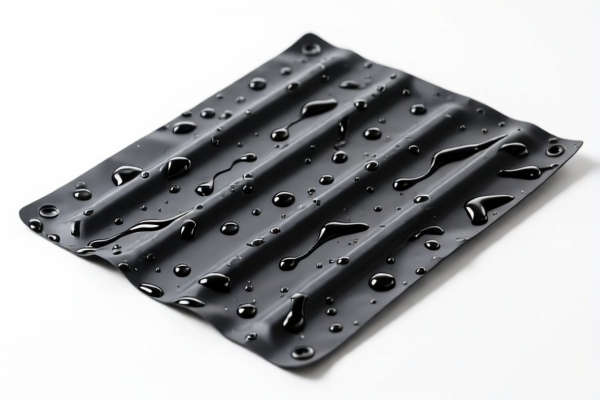
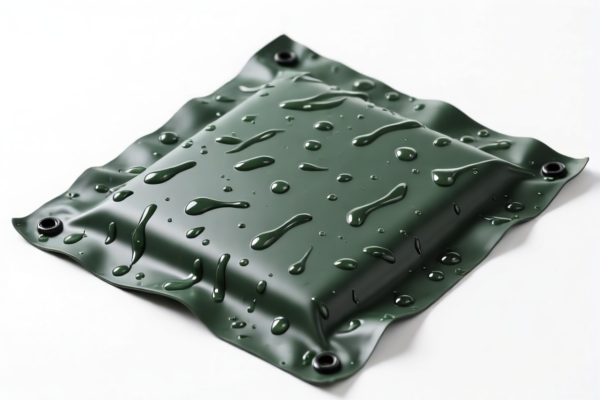
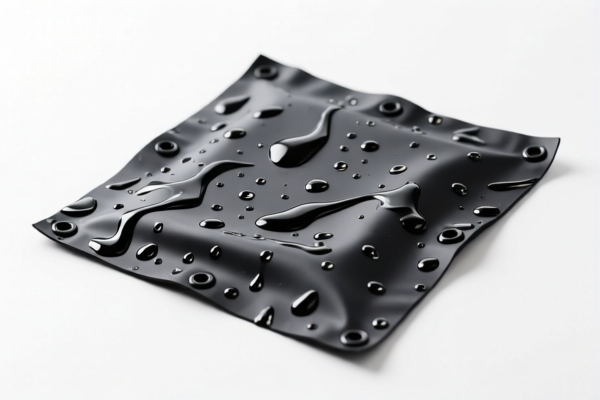
AI Analysis
🛡️ Waterproof Screen (Waterproof Membrane/Film)
🌐 HS Code Reference & Customs Clearance Guide | 2026 Tariff Full Analysis | Professional Clearance Strategy
📌 Part I: Product Definition & Classification: What is a "Waterproof Screen"?
A "Waterproof Screen" is a broad term in international trade. It does not have a single, unique HS Code. Instead, its classification depends entirely on its material composition and primary function. It generally falls into two major categories:
- Textile-Based Waterproof Membranes: Fabrics (artificial or natural fibers) impregnated, coated, covered, or laminated with plastic, rubber, or other substances to make them waterproof.
- Plastic/Non-Textile Waterproof Films: Sheets or rolls made primarily of plastics (e.g., PVC, PE) or other non-textile materials, used for waterproofing construction, packaging, or industrial applications.
⚠️ Key Distinction Point:
- If the base material is fabric/textile and the waterproofing is a coating/lamination → Look at Chapter 59.
- If the base material is plastic/rubber or it's a rigid/semi-rigid sheet → Look at Chapter 39 or Chapter 68.
📦 Part II: Detailed HS Code Classification (2026 Latest Tariff Authority Comparison)
Based on the provided data, here are the precise classifications for "Waterproof Screen/Membrane":
| HS Code | Product Description | Material Basis | Primary Use Case |
|---|---|---|---|
5907.00.60.00 |
Textile fabrics impregnated, coated, covered or laminated with plastic materials, other than those of heading 59.03 | Artificial Fiber Textile | Waterproof tents, outdoor gear fabrics, coated canvas |
3926.90.99.89 |
Other articles of plastics and articles of other materials of heading 39 or 40 (Plastic Products) | Plastic (General) | General purpose plastic waterproof sheets, tarps, plastic films |
3926.90.45.90 |
Other articles of plastics: Gaskets and washers; Seals | Plastic (Sealing Class) | Waterproof seals, gaskets, sealing membranes for construction/industrial use |
6807.10.00.00 |
Articles of asphalt or of similar material (e.g., coal tar pitch) | Asphalt/Bitumen | Waterproof roofing membranes, bituminous sheets, road waterproofing |
5907.00.15.00 |
Textile fabrics impregnated, coated, covered or laminated with plastic materials, for making photographic plates, films, paper, cloth, etc. | Artificial/Plastic Composite Textile | Specialized coated fabrics, technical textiles with plastic backing |
🔍 Critical Note:
- Textile vs. Plastic: If it can be torn apart to reveal a woven fabric base, it likely belongs in Chapter 59. If it tears cleanly like a plastic sheet, it likely belongs in Chapter 39.
- Asphalt Content: If it smells like tar/pitch and is black/rigid, it falls under Chapter 68.
💰 Part III: 2026 Latest Tariff Rate Breakdown (Including Surcharges & Policy Add-ons)
✅ Applicable Country: United States (US)
✅ Country of Origin: China (CN)
✅ Effective Date: Current tariffs apply based on Section 301 and IEEPA provisions.
🎯 1. 5907.00.60.00 – Textile Fabrics Coated with Plastic
| Item | Detail |
|---|---|
| Base Tariff | 0.0% (Most Favored Nation rate for this specific subheading) |
| Section 301 Surcharge | +25.0% (Trade Action under Section 301) |
| IEEPA Surcharge | +10.0% (China-related surcharge under International Emergency Economic Powers Act) |
| Total Tariff Rate | 35.0% |
| Tax Calculation | CIF Value × 35% |
| De Minimis Exemption? | ❌ NO (Subject to high duties) |
| Legal Basis Path | Section 301: 9903.01.25 → IEEPA: 9903.01.24 → USITC: 5907.00.60.00 |
📌 Explanation:
- Although the base rate is 0%, the Section 301 and IEEPA surcharges stack up to 35%.
- This is a moderate-high duty. Proper classification as "textile-based" vs. "plastic-based" can sometimes shift duties, but for China-origin goods, surcharges are unavoidable.
🎯 2. 3926.90.99.89 – Other Plastic Products (General)
| Item | Detail |
|---|---|
| Base Tariff | 5.3% |
| Section 301 Surcharge | +7.5% |
| IEEPA Surcharge | +10.0% |
| Total Tariff Rate | 22.8% |
| Tax Calculation | CIF Value × 22.8% |
| De Minimis Exemption? | ❌ NO |
| Legal Basis Path | Section 301: 9903.01.24 → IEEPA: 9903.01.24 → USITC: 3926.90.99.89 |
📌 Explanation:
- This is the most cost-effective option if the product qualifies as a general plastic product.
- Strategy: If your "waterproof screen" is a simple plastic film (PVC/PE) without textile reinforcement, strive for this classification to save ~12% compared to textile coatings or asphalt.
🎯 3. 3926.90.45.90 – Plastic Gaskets/Seals
| Item | Detail |
|---|---|
| Base Tariff | 3.5% |
| Section 301 Surcharge | +25.0% |
| IEEPA Surcharge | +10.0% |
| Total Tariff Rate | 38.5% |
| Tax Calculation | CIF Value × 38.5% |
| De Minimis Exemption? | ❌ NO |
| Legal Basis Path | Section 301: 9903.01.25 → IEEPA: 9903.01.24 → USITC: 3926.90.45.90 |
📌 Explanation:
- High duty due to the 25% Section 301 surcharge applied to this specific subcategory of plastic goods.
- Only use this if the product is clearly defined as a "gasket" or "seal" and not a general sheet.
🎯 4. 6807.10.00.00 – Articles of Asphalt or Similar Material
| Item | Detail |
|---|---|
| Base Tariff | 0.0% |
| Section 301 Surcharge | +25.0% |
| IEEPA Surcharge | +10.0% |
| Total Tariff Rate | 35.0% |
| Tax Calculation | CIF Value × 35.0% |
| De Minimis Exemption? | ❌ NO |
| Legal Basis Path | Section 301: 9903.01.25 → IEEPA: 9903.01.24 → USITC: 6807.10.00.00 |
📌 Explanation:
- Typical for roofing membranes or bituminous waterproofing rolls.
- Same total duty as textile coatings (35%).
🎯 5. 5907.00.15.00 – Textile Fabrics Coated with Plastic (Special Purpose)
| Item | Detail |
|---|---|
| Base Tariff | 8.0% |
| Section 301 Surcharge | +25.0% |
| IEEPA Surcharge | +10.0% |
| Total Tariff Rate | 43.0% |
| Tax Calculation | CIF Value × 43.0% |
| De Minimis Exemption? | ❌ NO |
| Legal Basis Path | Section 301: 9903.01.25 → IEEPA: 9903.01.24 → USITC: 5907.00.15.00 |
📌 Explanation:
- Highest Duty Rate (43%).
- This code is for specific technical textiles. Misclassifying a general waterproof fabric here will result in unnecessary overpayment. Avoid this unless the product is strictly for photographic/technical film backing.
🛠️ Part IV: Customs Clearance Practical Advice (Avoid Pitfalls Guide)
✅ 1. Preparation Checklist (Non-negotiable)
| Document | Required? | Description |
|---|---|---|
| ✅ Product Specification Sheet | ✔️ | Must detail material composition (e.g., "Polyester base + PVC coating"). |
| ✅ Material Composition % | ✔️ | Crucial for distinguishing Chapter 59 (Textile) vs. Chapter 39 (Plastic). |
| ✅ Product Photos | ✔️ | Clear shots of cross-section to show layers (if textile-reinforced plastic, it’s Ch. 59). |
| ✅ Commercial Invoice | ✔️ | Must state "Waterproof Membrane" or "Waterproof Coated Fabric," not just "Screen." |
| ✅ Certificate of Origin | ✔️ | Needed to apply correct surcharge rates. |
| ✅ Usage Declaration | ✔️ | Is it for tents? Roofing? Industrial sealing? This helps determine the right HS code. |
✅ 2. Declaration Strategies (Key Mnemonics)
🔥 "Material First, Function Second! Textile vs. Plastic Defines the Duty!"
| Scenario | Correct Declaration | Risk of Error |
|---|---|---|
| PVC Tarpaulin (No fabric reinforcement) | 3926.90.99.89 (22.8%) |
❌ If declared as textile (5907), duty jumps to 35%+ |
| Coated Canvas Tent Fabric (Polyester + PVC) | 5907.00.60.00 (35.0%) |
✅ Correct. Base is textile. |
| Bituminous Roofing Roll | 6807.10.00.00 (35.0%) |
✅ Correct. Material is asphalt. |
| Plastic Window Film | 3926.90.99.89 (22.8%) |
✅ Best rate. Don't call it "textile." |
| Industrial Seal Gasket | 3926.90.45.90 (38.5%) |
❌ Only if it's strictly a seal. Misuse leads to 38.5%. |
📌 Pro Tip:
If you can peel off the waterproof layer and find woven fabric underneath, declare under HS 5907.
If it is solid plastic throughout, declare under HS 3926.
Lower Duty Strategy: Aim for3926.90.99.89(22.8%) if the product is purely plastic-based.
✅ 3. Special Handling
| Situation | Recommendation |
|---|---|
| Multi-layer Products | Provide a bill of materials (BOM). If textile weight > plastic weight, Ch. 59 is likely. |
| Samples | Always send a physical sample for Pre-Ruling (Advance Ruling) if unsure. |
| Mixed Shipments | Do not mix "PVC Sheets" (Ch. 39) with "Coated Fabric" (Ch. 59) in one line item. Separate them. |
| Origin Marking | Ensure products are clearly marked "Made in China" to avoid misclassification issues with surcharges. |
🌍 Part V: Global Market Comparison (2026 Update)
| Market | Recommended HS Code | Est. Total Duty (China Origin) | Key Requirement |
|---|---|---|---|
| 🇺🇸 USA | 3926.90.99.89 |
22.8% | Section 301 + IEEPA apply. |
| 🇺🇸 USA | 5907.00.60.00 |
35.0% | Higher due to textile category surcharges. |
| 🇨🇳 China | 5907.00.60.00 |
10-15% | No Section 301. Standard import tax. |
| 🇪🇺 EU | 5907.00.60.00 |
0-6.5% | REACH compliance required. |
| 🇯🇵 Japan | 3926.90.99.89 |
3-6% | JIS standards may apply. |
📌 Conclusion:
- USA has the most complex tariff structure for "Waterproof Screens" due to Section 301 and IEEPA.
- Plastic-based products (3926) are generally cheaper to import into the US than Textile-based (5907) or Asphalt-based (6807) ones.
- Optimization Tip: If your product allows, consider redesigning to be pure plastic (e.g., non-woven polyester is still textile, but pure polyethylene film is plastic) to qualify for the 22.8% rate instead of 35%+.
📌 Part VI: Common Mistakes & Pitfalls (Lessons Learned)
❌ Mistake 1: Calling all "Waterproof Screens" the same HS Code.
👉 Result: Customs may reclassify and charge the higher rate (e.g., 35% instead of 22.8%).
❌ Mistake 2: Misclassifying a Textile-Coated Fabric as a Plastic Sheet.
👉 Result: Under-declaration of duty. Penalties + 30% interest. Customs will check the cross-section.
❌ Mistake 3: Ignoring IEEPA Surcharges in cost calculation.
👉 Result: Profit margin eroded by an unexpected 10% on top of Section 301.
❌ Mistake 4: Using vague terms like "Screen" or "Membrane" without material specs.
👉 Result: Customs holds the shipment for inspection, delaying clearance by weeks.
✅ Correct Approach:
"Waterproof Coated Polyester Fabric, PVC Laminated, Roll 100m, for Tent Manufacturing" →
5907.00.60.00
"Solid PVC Waterproof Sheet, 0.5mm Thick, Roll 50m, for Pond Lining" →3926.90.99.89
🎯 Part VII: Conclusion: Precision in Classification Saves Money!
🎯 Remember the Golden Rule:
🔹 "Check the Base Material!"
🔹 Plastic Base? → Aim for3926.90.99.89(22.8%).
🔹 Textile Base? → Expect5907.00.60.00(35.0%).
🔹 Asphalt Base? →6807.10.00.00(35.0%).
🔹 Avoid5907.00.15.00unless necessary (43.0%).
📌 Pro Tip:
If you are importing large volumes, apply for a Binding Tariff Information (BTI) or Advance Ruling from US Customs and Border Protection (CBP). It provides legal certainty on your HS Code and prevents future disputes.
📣 Immediate Action:
📞 Consult a Customs Broker with product samples.
📄 Provide Detailed Material Specs (Base Fiber vs. Coating Type).
🚀 Optimize Supply Chain by selecting the most tax-efficient material composition where possible.
✨ Professional Clearance Starts with Accurate Classification!
💼 Every Percent of Duty Saved is Pure Profit!
Customer Reviews
About HS Code Classification
The Harmonized System (HS) is an internationally standardized nomenclature developed by the World Customs Organization (WCO) to classify traded products. Over 200 countries use the HS system as the basis for customs tariffs, trade statistics, and import/export regulations.
Each HS code follows a hierarchical structure:
- Chapter (2 digits) — Broad category of goods (e.g., Chapter 84: Machinery and Mechanical Appliances)
- Heading (4 digits) — More specific grouping within the chapter
- Subheading (6 digits) — Internationally standardized breakdown, used by all WCO member countries
- National subdivisions (8-10 digits) — Country-specific extensions for further classification, such as US HTSUS 10-digit codes
Correct HS code classification is essential for smooth customs clearance, accurate duty payment, and compliance with trade regulations. Misclassification can lead to customs delays, overpayment of duties, or penalties.
When importing from CN to US, the applicable tariff rates may include:
- Most-Favored-Nation (MFN) rate — The standard duty rate applied to WTO members
- General rate — Applied to countries without trade agreements
- Trade remedy duties — Additional tariffs such as Section 301 (anti-dumping), Section 232 (national security), or countervailing duties
The information provided on this page is for reference purposes only. For official classification, please consult with your local customs authority or a licensed customs broker.