waterproofing material
CN → US| HS Code | Tariff Rate | Origin | Destination | Doc |
|---|---|---|---|---|
| 5907006000 | 35.0% | CN | US | Official Doc |
| 3926909989 | 22.8% | CN | US | Official Doc |
| 6807100000 | 35.0% | CN | US | Official Doc |
| 6807900010 | 37.7% | CN | US | Official Doc |
| 5907001500 | 43.0% | CN | US | Official Doc |
Product Images
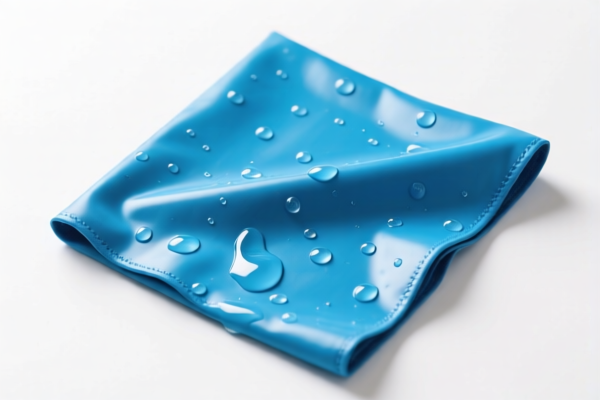
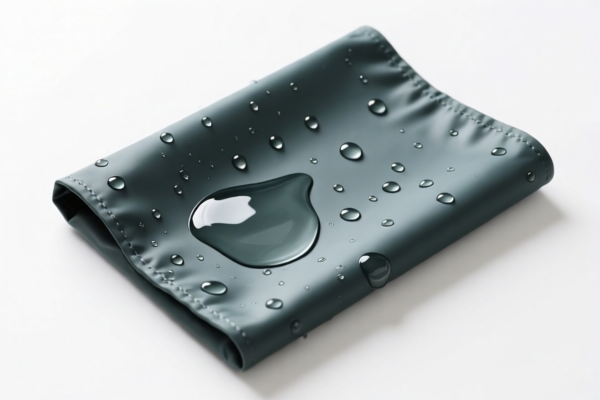
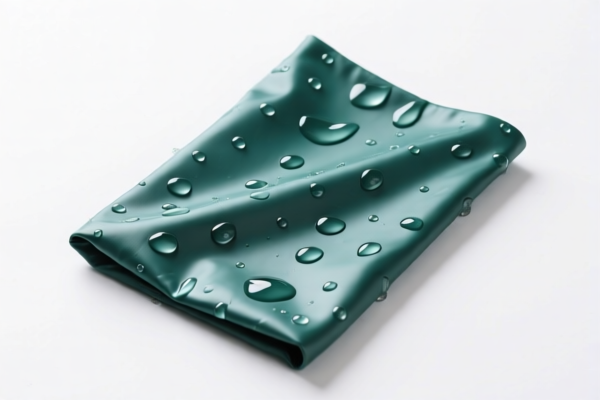
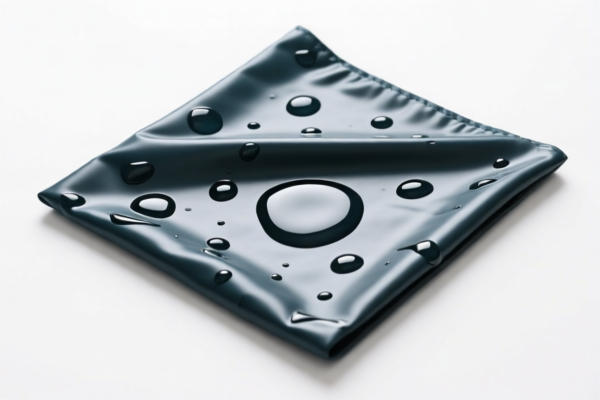
AI Analysis
💧 Waterproofing Material (Membranes & Sheets)
🌐 HS Code Reference & Customs Clearance Guide | 2026 Latest Tariff Analysis | Professional Clearance Strategy
📌 I. Product Definition & Classification: Do You Really Understand "Waterproof Membrane"?
Waterproofing materials are critical components in construction, infrastructure, and industrial applications. In international trade, they are not classified as a single category but are strictly divided based on material composition and physical form.
The key to accurate classification lies in answering two questions: 1. What is it made of? (Textile/Fiber vs. Plastic/Polymer vs. Asphalt) 2. How is it processed? (Impregnated/Covered vs. Pure Material Product)
⚠️ Critical Distinction:
- If the base material is textile/fiber (artificial/synthetic) and is treated with resin/bitumen → It belongs to Chapter 59.
- If the material is plastic/polymer in sheet form without textile base → It belongs to Chapter 39.
- If the material is bitumen/asphalt based → It belongs to Chapter 68.
📦 II. HS Code Classification Details (2026 Latest Tariff Authoritative Comparison)
| HS Code | Product Description | Application Scenario | Material Basis | Tax Complexity |
|---|---|---|---|---|
5907.00.60.00 |
Textile-based Waterproof Membrane Impregnated, coated, or covered textile fabric |
Architectural roofing, industrial covers, flexible waterproofing layers | Artificial/Synthetic Fibers | ⚠️ High (43% base potential) |
5907.00.15.00 |
Heavy-Duty Coated Textile Highly impregnated/covered textile fabric |
Heavy industrial use, high-load roofing, reinforced membranes | Artificial Fibers/Plastic Textile Base | 🔴 Highest (53% total) |
3926.90.99.89 |
Plastic/Polymer Waterproof Sheet Other plastic articles not elsewhere specified |
General purpose waterproofing, non-textile polymer sheets | Plastic/Polymer Material | ✅ Low (22.8% total) |
6807.10.00.00 |
Bitumen/Asphalt Product Articles of bitumen or similar materials |
Roofing felts, asphalt-impregnated papers, rigid waterproof layers | Bitumen/Asphalt | ⚠️ High (35% base potential) |
6807.90.00.10 |
Specialized Bitumen Article Other articles of bitumen for building/waterproofing |
Specialized roofing, wall waterproofing, bitumen-coated boards | Bitumen/Asphalt | 🔴 High (37.7% total) |
🔍 Key Reminder:
- "Textile Base" = Chapter 59: Even if coated with plastic, if the structural base is fabric/fiber, it goes to 5907.
- "Pure Plastic" = Chapter 39: If it’s a solid plastic sheet or film without textile reinforcement, it goes to 3926.
- "Bitumen" = Chapter 68: If the primary waterproofing agent is bitumen/asphalt, it goes to 6807, regardless of shape.
💰 III. 2026 Latest Tariff Rate Breakdown (Including Surtaxes & Policy Add-ons)
✅ Applicable Country: United States (US)
✅ Country of Origin: China (CN)
✅ Effective Date: From November 10, 2025 (and subsequent imports)
🎯 1. 5907.00.60.00 —— Textile-Based Waterproof Membrane (Light/Standard Coating)
| Item | Content |
|---|---|
| Basic Tariff | 0% (ad valorem) |
| USITC Surcharge | +25% (From USITC Footnote 9903.88.01 - Section 301) |
| IEEPA Surcharge | +10% (China/HK products, under IEEPA from Nov 10, 2025) |
| Total Tax Rate | 35.0% |
| Tax Calculation | CIF Value × 35% |
| De Minimis Eligibility | ❌ Not Eligible (deny_de_minimis) |
| Legal Basis Path | IEEPA:9903.01.25 → IEEPA:9903.01.24 → USITC:5907.00.60.00 → FOOTNOTE:9903.88.01 |
📌 Explanation:
- This is for standard textile-based membranes where the coating/impregnation is not excessively heavy.
- Base Tariff 0% might seem attractive, but the 35% total effective rate makes it costly.
- No de minimis exemption applies; small shipments are still taxed.
🎯 2. 3926.90.99.89 —— Plastic/Polymer Waterproof Sheet
| Item | Content |
|---|---|
| Basic Tariff | 5.3% |
| USITC Surcharge | +7.5% (Specific surcharge for this plastic article category) |
| IEEPA Surcharge | +10% (China/HK products) |
| Total Tax Rate | 22.8% |
| Tax Calculation | CIF Value × 22.8% |
| De Minimis Eligibility | ❌ Not Eligible (deny_de_minimis) |
| Legal Basis Path | IEEPA:9901.25 → IEEPA:9903.01.24 → USITC:3926.90.99.89 → FOOTNOTE:9903.88.01 |
📌 Note:
- This is the most cost-effective option among the listed codes for standard plastic/polymer sheets.
- Applies to non-textile, non-bitumen plastic waterproofing membranes.
- Savings Alert: Compared to textile (5907) or bitumen (6807) codes, this saves 10–12% in total duties.
🎯 3. 5907.00.15.00 —— Heavy-Duty Coated Textile Membrane
| Item | Content |
|---|---|
| Basic Tariff | 8.0% |
| USITC Surcharge | +25% (Section 301) |
| IEEPA Surcharge | +10% (China/HK products) |
| Total Tax Rate | 43.0% |
| Tax Calculation | CIF Value × 43.0% |
| De Minimis Eligibility | ❌ Not Eligible (deny_de_minimis) |
| Legal Basis Path | IEEPA:9903.01.25 → IEEPA:9903.01.24 → USITC:5907.00.15.00 → FOOTNOTE:9903.88.01 |
📌 Explanation:
- This code is for heavily impregnated or covered textile fabrics.
- High Risk: If your product is classified here, the tariff jumps to 43%.
- Common Mistake: Many exporters try to classify heavy textiles under5907.60(0% base) to save taxes, but if the coating is substantial, Customs may reclassify to5907.15, resulting in back taxes + penalties.
🎯 4. 6807.10.00.00 —— Bitumen/Asphalt Products (General)
| Item | Content |
|---|---|
| Basic Tariff | 0% |
| USITC Surcharge | +25% (Section 301) |
| IEEPA Surcharge | +10% (China/HK products) |
| Total Tax Rate | 35.0% |
| Tax Calculation | CIF Value × 35.0% |
| De Minimis Eligibility | ❌ Not Eligible (deny_de_minimis) |
| Legal Basis Path | IEEPA:9903.01.25 → IEEPA:9903.01.24 → USITC:6807.10.00.00 → FOOTNOTE:9903.88.01 |
📌 Note:
- Applies to rigid or semi-rigid bitumen articles.
- Even with 0% base tariff, the 35% total is significant.
- Ensure the product is not merely "bitumen-coated paper" (which might fall elsewhere) but a distinct "article" of bitumen.
🎯 5. 6807.90.00.10 —— Specialized Bitumen Article
| Item | Content |
|---|---|
| Basic Tariff | 2.7% |
| USITC Surcharge | +25% (Section 301) |
| IEEPA Surcharge | +10% (China/HK products) |
| Total Tax Rate | 37.7% |
| Tax Calculation | CIF Value × 37.7% |
| De Minimis Eligibility | ❌ Not Eligible (deny_de_minimis) |
| Legal Basis Path | IEEPA:9901.25 → IEEPA:9903.01.24 → USITC:6807.90.00.10 → FOOTNOTE:9903.88.01 |
📌 Explanation:
- This is a catch-all for bitumen articles not specified elsewhere (e.g., specialized roofing boards, wall waterproofing sheets).
- Highest Bitumen Rate: At 37.7%, it’s more expensive than general bitumen articles.
- Justification Required: Must provide clear product specifications to prove it’s not a standard roofing felt (which might be6807.10).
🛠️ IV. Customs Clearance Practical Advice (Real-World Pitfall Avoidance Guide)
✅ 1. Required Documentation Checklist (None Missing)
| Document | Mandatory? | Explanation |
|---|---|---|
| ✅ Product Specification Sheet | ✔️ | Must detail: Material composition (% fiber vs. % plastic vs. % bitumen), thickness, coating type. |
| ✅ Material Safety Data Sheet (MSDS) | ✔️ | Especially for bitumen-based products to confirm chemical composition. |
| ✅ Product Photos (Label & Structure) | ✔️ | Clear images showing texture, edges, and any branding/specs. |
| ✅ Certificate of Origin (CO) | ✔️ | Critical for confirming China origin to apply correct IEEPA surcharges. |
| ✅ Commercial Invoice | ✔️ | Must accurately describe product (e.g., "Polymer Waterproof Membrane" vs. "Plastic Sheet"). |
| ✅ Packing List | ✔️ | Detail net/gross weight; avoid vague descriptions like "Building Materials". |
✅ 2. Declaration Tips (Key Mnemonics)
🔥 "Material First, Coating Second, Don't Mix Textile and Plastic!"
| Scenario | Correct Declaration | Wrong Practice |
|---|---|---|
| Textile base + Light Coating | 5907.00.60.00 |
Declare as "Plastic Sheet" → Audit Risk |
| Textile base + Heavy Coating | 5907.00.15.00 |
Declare as "Plastic Sheet" → Back Taxes + Penalty |
| Pure Plastic/Polymer Sheet | 3926.90.99.89 |
Declare as "Textile" → Unnecessary High Tax |
| Bitumen-Roofing Felt | 6807.10.00.00 |
Declare as "Paper Product" → Misclassification |
| Bitumen Board for Walls | 6807.90.00.10 |
Declare as "Plastic Board" → Rejection |
✅ 3. Special Case Handling
| Scenario | Handling Advice |
|---|---|
| Hybrid Materials (e.g., Plastic-coated Fabric) | Default to Textile (Chapter 59) if fabric is structural base. Provide lab test showing fiber % > plastic %. |
| Bitumen-impregnated Paper | If paper is the core, it might be 4811; if bitumen is the main feature, it’s 6807. Clarify with Customs Broker. |
| OEM Custom Waterproofing | Provide client’s design specs + material certificates. Avoid generic names like "Waterproofing Material". |
| Sample Shipments | Still subject to 35–43% tariffs. No de minimis exemption. Include full tax payment in cost calculation. |
🌍 V. Global Market Clearance Comparison (2026 Latest)
| Country/Region | Recommended HS Code | Tariff (China Origin) | Certification Requirements | Remarks |
|---|---|---|---|---|
| 🇺🇸 USA | 3926.90.99.89 |
22.8% | No special cert | Lowest Tax Option for plastic |
| 🇺🇸 USA | 5907.00.60.00 |
35.0% | No special cert | High tax for textile-based |
| 🇺🇸 USA | 6807.10.00.00 |
35.0% | No special cert | High tax for bitumen |
| 🇨🇳 China | 3926.90.99.89 |
5.3% | CCC (if applicable) | No surcharges |
| 🇪🇺 EU | 3926.90.99 |
0% (if CE) | CE + REACH | No additional tariffs |
| 🇦🇺 Australia | 3926.90.99 |
5% | RCM | No surcharges |
📌 Conclusion:
- US is the most complex market due to Section 301 + IEEPA surcharges.
- Plastic-based membranes (3926) offer the lowest duty burden (22.8%) compared to textile (35–43%) or bitumen (35–37.7%).
- Strategic Tip: If your product can be engineered as a pure polymer sheet without textile reinforcement, choose3926to save 10–20% in duties.
📌 VI. Common Mistakes & Pitfall Guide (Lessons Learned)
❌ Mistake 1: Classifying heavy-duty coated fabric as 5907.60 (0% base)
👉 Consequence: Customs reclassifies to 5907.15 (8% base) → Back taxes + 10% penalty.
❌ Mistake 2: Calling a bitumen sheet a "plastic sheet" to get 22.8% instead of 35%
👉 Consequence: Customs inspection reveals bitumen content → Seizure + Refund Delay.
❌ Mistake 3: Not declaring material composition in the invoice
👉 Consequence: Customs assumes worst-case scenario (highest tax) or requests additional documentation → Clearance Delay.
❌ Mistake 4: Using vague terms like "Waterproofing Material"
👉 Consequence: High risk of misclassification. Always specify: "Polymer Waterproof Membrane" or "Textile-Based Waterproofing Fabric".
✅ Correct Practice:
"Polymer-Based Waterproof Membrane Sheet, 2mm Thickness, PE Material, Roll 10m x 1.2m, For Roofing Application"
🎯 VII. Conclusion: Precise Classification Saves Money!
🎯 Remember the Mnemonic:
🔹 "Plastic is King (22.8%), Textile is Tricky (35-43%), Bitumen is Middle (35-37.7%)"
🔹 "Base Material Determines Chapter, Coating Determines Subheading"
🔹 "HS Code is Destiny, Tax Rate Differs by 20%, One Wrong Step Costs Thousands!"
📌 Pro Tip:
If your waterproofing material is manufactured in Vietnam, Mexico, or Thailand, you may be eligible for IEEPA Exemptions or FTZ (Free Trade Zone) benefits, reducing tariffs to 0–5%.
✅ Recommendation: Apply for Advance Ruling from US Customs (CBP) before shipping to avoid clearance risks.
📣 Immediate Action:
📞 Contact a Professional Customs Broker + Provide Product Specs + Request HS Code Advance Ruling
🚀 Ensure Your Waterproofing Materials Pass Customs Smoothly, Efficiently Enter the US, and Maximize Profits!
✨ Professional Clearance Starts with Accurate Classification!
💼 Every Cent of Your Cost Deserves Precise Calculation!
Customer Reviews
About HS Code Classification
The Harmonized System (HS) is an internationally standardized nomenclature developed by the World Customs Organization (WCO) to classify traded products. Over 200 countries use the HS system as the basis for customs tariffs, trade statistics, and import/export regulations.
Each HS code follows a hierarchical structure:
- Chapter (2 digits) — Broad category of goods (e.g., Chapter 84: Machinery and Mechanical Appliances)
- Heading (4 digits) — More specific grouping within the chapter
- Subheading (6 digits) — Internationally standardized breakdown, used by all WCO member countries
- National subdivisions (8-10 digits) — Country-specific extensions for further classification, such as US HTSUS 10-digit codes
Correct HS code classification is essential for smooth customs clearance, accurate duty payment, and compliance with trade regulations. Misclassification can lead to customs delays, overpayment of duties, or penalties.
When importing from CN to US, the applicable tariff rates may include:
- Most-Favored-Nation (MFN) rate — The standard duty rate applied to WTO members
- General rate — Applied to countries without trade agreements
- Trade remedy duties — Additional tariffs such as Section 301 (anti-dumping), Section 232 (national security), or countervailing duties
The information provided on this page is for reference purposes only. For official classification, please consult with your local customs authority or a licensed customs broker.