wax melt liners
CN → US| HS Code | Tariff Rate | Origin | Destination | Doc |
|---|---|---|---|---|
| 6912004810 | 19.8% | CN | US | Official Doc |
| 6912004890 | 19.8% | CN | US | Official Doc |
Product Images
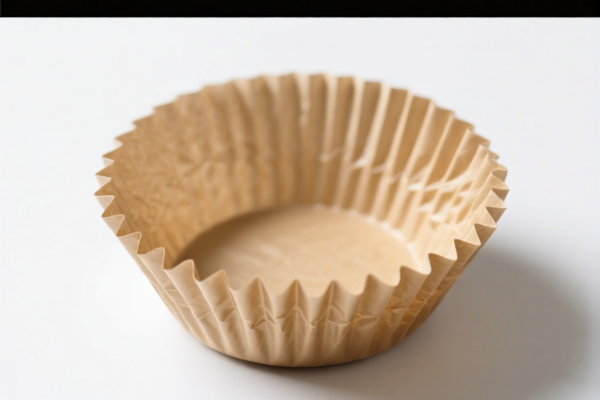
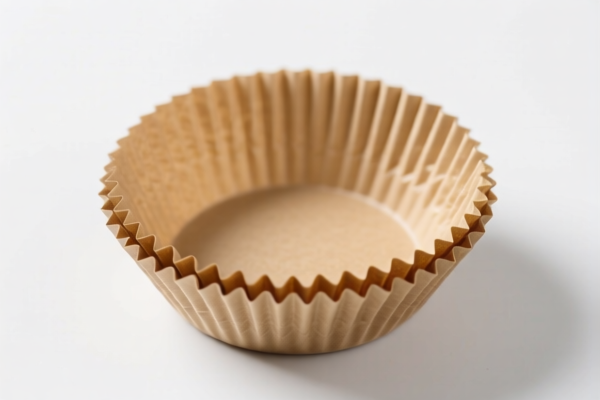
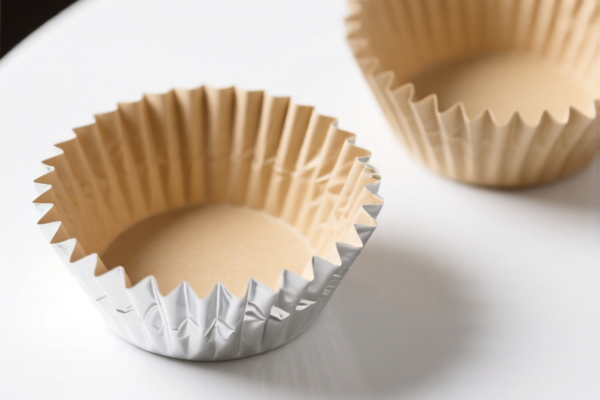
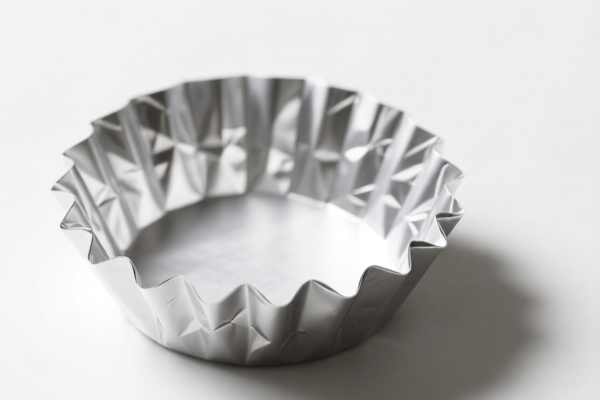
AI Analysis
🕯️ Wax Melt Liners (Ceramic Inserts for Wax Warmers)
🌐 HS Code Reference & Customs Clearance Guide | 2024 Latest Tariff Analysis | Professional Compliance Strategy
📌 I. Product Definition & Classification: What Are "Wax Melt Liners"?
Wax Melt Liners are small, shallow ceramic dishes designed to sit inside electric wax warmers. Their primary function is to hold solid fragrance wax melts, allowing the heat from the warmer to melt the wax without damaging the warmer's internal heating element. They are not intended for direct cooking or dining but are strictly household items for ambient fragrance diffusion.
⚠️ Key Distinction:
- Ceramic vs. Porcelain/China: In customs terminology, "Porcelain or China" (Chapter 69.01 & 69.03) refers to high-fired, translucent, white, fine ceramics. Most decorative wax melt liners are made of earthenware, stoneware, or low-fire ceramics. Therefore, they fall under 69.12 ("Other ceramic tableware... other than of porcelain or china").
- Tableware vs. Toilet Articles: While they are small, they are used for "tabletop" ambient use (fragrance), not for eating (tableware) nor for hygiene/toileting (toilet articles). Thus, they fall under the "Other household articles" or "Other" category within 69.12.
📦 II. HS Code Classification Details (Based on Provided Data)
Based on the provided <DATA>, there are two specific HS Codes for this product. The distinction lies in whether the item is explicitly deemed "Suitable for food or drink contact" or is simply "Other."
| HS Code | Product Description | Applicability Scenario |
|---|---|---|
6912.00.48.10 |
Ceramic tableware... Other: Other Suitable for food or drink contact | If the liner is marketed as food-safe (e.g., can be used for small appetizers, dips, or if the manufacturer certifies it meets FDA/EFSA food contact standards). |
6912.00.48.90 |
Ceramic tableware... Other: Other Other | If the liner is solely for fragrance wax and is not certified or marketed for food/drink contact. This is the default for standard decorative wax warmers. |
🔍 Critical Note:
- Even if a wax liner can technically hold food, if it is not intended or labeled as food-safe, it must be classified under6912.00.48.90.
- Misclassification between.10and.90can lead to customs queries regarding food safety certifications (FDA 21 CFR, EU 1935/2004).
💰 III. Tariff Rate Analysis (2024 Latest)
✅ Applicable Context: Based on the provided
<TAX>data.
✅ Tariff Structure:
- Base Duty: 9.8%
- Additional Duties (Section 301 / Retaliatory): 0.0% (Note: This specific dataset shows 0.0% additional tax. However, in real-world US-China trade, Section 301 tariffs often apply. Please verify with your customs broker if this data reflects a specific exemption or non-US origin.)
- Total Effective Tax Rate: 9.8%
🎯 1. 6912.00.48.10 – Suitable for Food/Drink Contact
| Item | Details |
|---|---|
| Base Tariff | 9.8% |
| Additional Tax | 0.0% |
| Total Tax | 9.8% |
| Tax Calculation | CIF Value × 9.8% |
| De Minimis Eligibility | ⚠️ Check threshold (e.g., $800 in US). If below, duty may be waived. |
🎯 2. 6912.00.48.90 – Other Ceramic Articles
| Item | Details |
|---|---|
| Base Tariff | 9.8% |
| Additional Tax | 0.0% |
| Total Tax | 9.8% |
| Tax Calculation | CIF Value × 9.8% |
| De Minimis Eligibility | ⚠️ Check threshold. |
📌 Explanation:
- Both codes carry an identical 9.8% duty rate in this dataset.
- The choice between.10and.90should be driven by product labeling and intent, not tax savings, as the rate is the same.
- If this data is for US Imports, verify if Section 301 tariffs (25%) have been removed or if this is a specific exemption. If Section 301 applies, the total could be 34.8%. Based strictly on the provided<DATA>, the rate is 9.8%.
🛠️ IV. Customs Clearance Practical Advice
✅ 1. Documentation Checklist (Must-Haves)
| Document | Required | Purpose |
|---|---|---|
| Commercial Invoice | ✔️ | Clearly state "Ceramic Wax Melt Liners" or "Ceramic Fragrance Warmers Inserts." Do not write "Cookware" or "Tableware" if it's for fragrance only. |
| Product Photographs | ✔️ | Show the item alone and inside a warmer. Prove it is small, shallow, and not a dinner plate. |
| Material Declaration | ✔️ | Specify: "Stoneware," "Earthenware," or "Low-fire Ceramic." Avoid "Porcelain" unless it is high-fire white translatable ceramic. |
Food Safety Certificate (Only if using .10) |
✔️ | If classifying as 6912.00.48.10, provide FDA/EFSA compliance docs. If absent, you must use .90. |
| Packing List | ✔️ | Detail quantity, weight, and dimensions. |
✅ 2. Declaration Strategy (Key Tips)
🔥 Rule of Thumb:
"Declare by Material & Function: Ceramic + Non-Porous Household Use."
| Scenario | Recommended HS Code | Reason |
|---|---|---|
| Standard decorative wax liners | 6912.00.48.90 |
Most common. Not intended for food. |
| Liners explicitly marketed as "Food Safe" | 6912.00.48.10 |
Only if you have proof of food-grade certification. |
| Set with Wax & Liner | 6912.00.48.90 |
Group with the ceramic component. |
| Plastic/Metal Liners | ❌ Not in Data | Would fall under different chapters (e.g., 39, 73). Stick to Ceramic. |
✅ 3. Common Pitfalls to Avoid
| Mistake | Consequence | Solution |
|---|---|---|
| Calling it "Porcelain" | Misclassification (69.01/03) → Higher scrutiny or rejection | Use "Ceramic" or "Stoneware" unless it is true porcelain. |
| Missing "Not for Food Use" Label | If using .10 without food certs, customs may reclassify or penalize |
Use .90 if not food-safe. Add "For Fragrance Use Only" on packaging. |
| Over-declaring Value | Overpayment of duties | Accurately declare CIF value. 9.8% is significant on high-value sets. |
| Ignoring Section 301 (US Specific) | Unexpected 25% additional duty | Verify if the 0.0% additional tax in your data is current. In many cases, Chinese ceramics attract 25% extra. If true, total is 34.8%. |
🌍 V. Global Market Comparison (Hypothetical for Context)
| Region | HS Code | Typical Duty | Notes |
|---|---|---|---|
| 🇺🇸 USA (Based on Data) | 6912.00.48.x0 |
9.8% | Check for Section 301 addition. If applicable, total could be ~34.8%. |
| 🇪🇺 EU | 6912 00 48 |
9.6% | Standard MFN rate. No major additional tariffs. |
| 🇨🇳 China (Export) | N/A | 0% | China does not tax exports of most ceramics. |
| 🇬🇧 UK | 6912 00 48 |
6.5% | Post-Brexit tariff rates. |
📌 VI. Conclusion & Action Plan
🎯 Final Recommendation:
- Classify as
6912.00.48.90unless you have explicit food-grade certification and marketing for6912.00.48.10. This is the safer, more common classification for fragrance wax liners. - Verify Additional Duties: The provided data shows 0.0% additional tax. If you are importing into the US from China, double-check current Section 301 tariffs. If a 25% duty applies, the effective rate is 34.8%. If the data is authoritative, stick to 9.8%.
- Label Clearly: Ensure packaging states "Ceramic Wax Melt Liner" and "Not for Cooking/Consumption" to avoid confusion with actual tableware.
🚀 Pro Tip:
"Certify for Safety, Declare for Function."
Use.90for standard wax warmers to avoid food-safety audits.
Use.10only if you are selling multi-purpose ceramic dishes marketed as food-safe.
✨ Accurate Classification Saves Time and Money!
💼 Always consult a licensed customs broker to confirm Section 301 applicability.
Customer Reviews
About HS Code Classification
The Harmonized System (HS) is an internationally standardized nomenclature developed by the World Customs Organization (WCO) to classify traded products. Over 200 countries use the HS system as the basis for customs tariffs, trade statistics, and import/export regulations.
Each HS code follows a hierarchical structure:
- Chapter (2 digits) — Broad category of goods (e.g., Chapter 84: Machinery and Mechanical Appliances)
- Heading (4 digits) — More specific grouping within the chapter
- Subheading (6 digits) — Internationally standardized breakdown, used by all WCO member countries
- National subdivisions (8-10 digits) — Country-specific extensions for further classification, such as US HTSUS 10-digit codes
Correct HS code classification is essential for smooth customs clearance, accurate duty payment, and compliance with trade regulations. Misclassification can lead to customs delays, overpayment of duties, or penalties.
When importing from CN to US, the applicable tariff rates may include:
- Most-Favored-Nation (MFN) rate — The standard duty rate applied to WTO members
- General rate — Applied to countries without trade agreements
- Trade remedy duties — Additional tariffs such as Section 301 (anti-dumping), Section 232 (national security), or countervailing duties
The information provided on this page is for reference purposes only. For official classification, please consult with your local customs authority or a licensed customs broker.