wax melts cubes
CN → US| HS Code | Tariff Rate | Origin | Destination | Doc |
|---|---|---|---|---|
| 2712902000 | 35.0% | CN | US | Official Doc |
| 2712200000 | 17.5% | CN | US | Official Doc |
| 3404905110 | 35.0% | CN | US | Official Doc |
| 3404905150 | 35.0% | CN | US | Official Doc |
Product Images
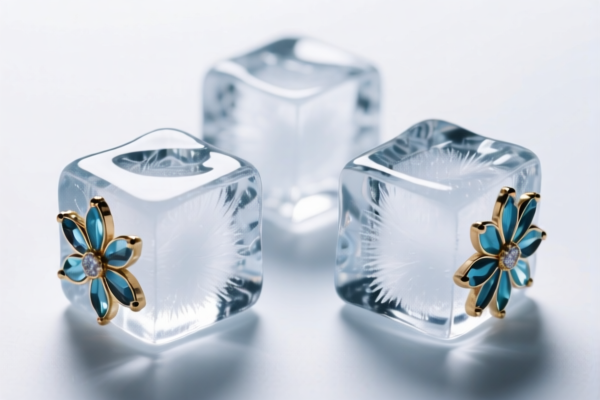
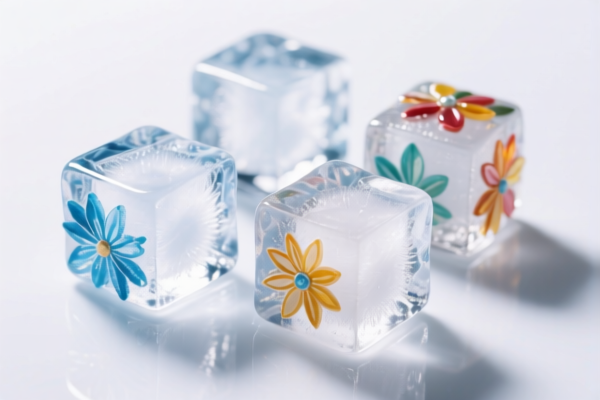
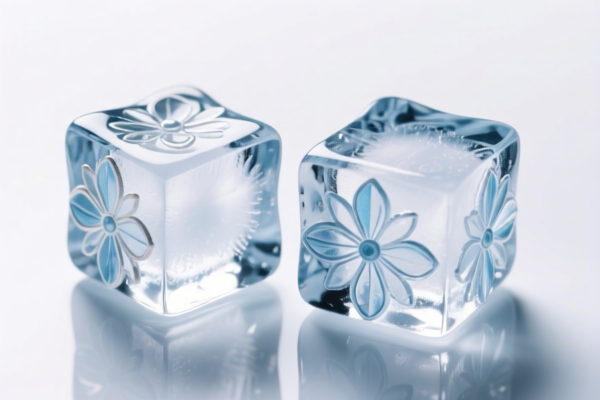
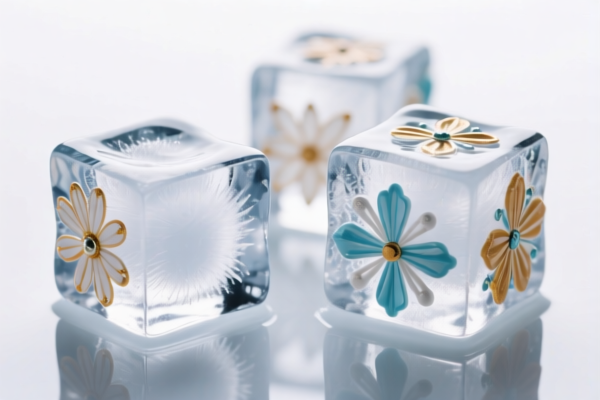
AI Analysis
🕯️ Wax Melts Cubes (Aromatherapy & Home Fragrance)
🌐 HS Code Reference & Customs Clearance Guide | 2026 Latest Tariff Analysis | Professional Clearance Strategy
📌 I. Product Definition & Classification: What Exactly Are "Wax Melts"?
Wax melts (often sold as cubes, discs, or shapes) are scented wax products designed to be melted in a warmer to release fragrance. They are not candles with wicks. In international trade, their classification depends heavily on their material composition and functional purpose:
- Mineral Waxes (Paraffin, Ozokerite, Carnauba - natural origin but processed as mineral) → Often grouped under Chapter 27.
- Artificial/Synthetic Waxes (Polyethylene, Microcrystalline) → Often grouped under Chapter 34 (Wax preparations).
- Prepared/Modulated Waxes (Mixed with essential oils, dyes, etc.) → Specifically classified as "Prepared Waxes."
⚠️ Key Distinction Point:
- If the primary material is Paraffin (derived from petroleum) and used for basic industrial/waxing purposes → Chapter 27.
- If it is Prepared/Modulated Wax (mixed with fragrance/oils for cosmetic/home use) → Chapter 34.
- Note: Even if made of paraffin, if it's "prepared" for aromatic use, customs may still argue for Chapter 34. However, based on the provided data, Paraffin-based products are mapped to 2712.
📦 II. HS Code Classification Details (Based on Provided Data)
The following HS codes and tax rates are strictly derived from the <DATA> provided. Note that the Total Tax Rate includes Base Tariff, Additional Tariffs (Section 301), and Section 122 Tariffs (likely referring to specific US trade actions or retaliatory tariffs on Chinese goods).
| HS Code | Product Description | Material/State | Total Tax Rate | Tax Breakdown |
|---|---|---|---|---|
2712.90.20.00 |
Wax blocks, material: mineral wax, form: solid blocks | Mineral Wax (e.g., Paraffin, Ozokerite) | 35.0% | Base: 0% + Additional: 25% + Section 122: 10% |
2712.20.00.00 |
Wax blocks, form: solid blocks, material inferred: mineral/synthetic wax | Mineral/Synthetic (Unspecified/General) | 17.5% | Base: 0% + Additional: 7.5% + Section 122: 10% |
3404.90.51.10 |
Wax blocks, form: solid, material inferred: artificial/modulated wax | Artificial/Modulated Wax | 35.0% | Base: 0% + Additional: 25% + Section 122: 10% |
3404.90.51.50 |
Wax blocks, material: wax, form: solid, fits artificial/modulated wax category | Artificial/Modulated Wax | 35.0% | Base: 0% + Additional: 25% + Section 122: 10% |
🔍 Critical Insight:
- Chapter 27 (2712) covers mineral waxes. The 35% rate applies if it's clearly paraffin/mineral wax classified under2712.90.20.00.
- Chapter 34 (3404) covers artificial waxes and prepared waxes. The 35% rate applies to3404.90.51.xxcodes.
- Lowest Potential Rate:2712.20.00.00at 17.5%. This is a generic/mineral wax code with a lower "Additional Tariff" (7.5% vs 25%). It may apply if the product is a basic mineral wax without complex preparations, but it is risky for scented melts.
💰 III. 2026 Latest Tariff Rate Details (Including Surcharges & Policy Surcharges)
✅ Applicable Country: United States (US)
✅ Origin: China (CN) [Inferred from "Section 122" and typical high-tariff context]
✅ Effective Time: Current Trade Policy (2026)
🎯 1. 2712.90.20.00 — Mineral Waxes (e.g., Paraffin Blocks)
| Item | Content |
|---|---|
| Base Tariff | 0.0% (ad valorem) |
| Additional Tariff (Section 301) | +25.0% |
| Section 122 Tariff | +10.0% |
| Total Tax Rate | 35.0% |
| Tax Calculation | CIF Value × 35% |
| De Minimis Eligibility | ❌ No (Generally excluded for high-tariff categories) |
| Legal Basis Path | USITC:2712.90.20.00 → Section 301: 25% → Section 122: 10% |
📌 Explanation:
- This code is for mineral waxes. If your wax melts are primarily paraffin wax (standard candle wax), this is a likely candidate.
- The 35% total tariff is a significant cost factor.
- Warning: If customs determines the product is "prepared" (scented/colored), they might shift it to Chapter 34, but the rate remains high (35%).
🎯 2. 2712.20.00.00 — Other Mineral/Synthetic Waxes (Lower Rate Option)
| Item | Content |
|---|---|
| Base Tariff | 0.0% |
| Additional Tariff (Section 301) | +7.5% |
| Section 122 Tariff | +10.0% |
| Total Tax Rate | 17.5% |
| Tax Calculation | CIF Value × 17.5% |
| De Minimis Eligibility | ❌ No |
| Legal Basis Path | USITC:2712.20.00.00 → Section 301: 7.5% → Section 122: 10% |
📌 Explanation:
- This code has a lower additional tariff (7.5%). It may apply to basic mineral waxes that are not highly "prepared" or specific synthetic blends not covered by other subheadings.
- Strategy: If your product is a simple, unscented or lightly scented mineral wax, investigate if this code is applicable to save 17.5% in taxes compared to the 35% rate.
🎯 3. 3404.90.51.10 & 3404.90.51.50 — Artificial/Modulated Waxes (Candle/Wax Melts)
| Item | Content |
|---|---|
| Base Tariff | 0.0% |
| Additional Tariff (Section 301) | +25.0% |
| Section 122 Tariff | +10.0% |
| Total Tax Rate | 35.0% |
| Tax Calculation | CIF Value × 35% |
| De Minimis Eligibility | ❌ No |
| Legal Basis Path | USITC:3404.90.51.xx → Section 301: 25% → Section 122: 10% |
📌 Explanation:
- Chapter 34 covers "Artificial wax; prepared wax." Most scented wax melts (cubes with essential oils/fragrances) fall under Prepared Wax.
- The 35% rate applies here as well.
- Common Practice: Many importers of scented wax melts use3404.90codes. The distinction between2712(mineral) and3404(prepared) is often debated. However, both result in 35% in this specific dataset.
🛠️ IV. Customs Clearance Practical Advice (Battle-Tested Pitfall Guide)
✅ 1. Documentation Checklist (Non-Negotiable)
| Document | Required | Notes |
|---|---|---|
| ✅ Product Composition Statement | ✔️ | Must specify % of Paraffin, Soy, Beeswax, Fragrance, Dye. |
| ✅ Material Safety Data Sheet (MSDS) | ✔️ | Required for chemical/flammable goods. |
| ✅ Certificate of Origin (CO) | ✔️ | Essential for claiming origin (China). |
| ✅ Commercial Invoice | ✔️ | Must clearly state "Wax Melts/Cubes for Warmer Use" and HS Code. |
| ✅ Packing List | ✔️ | Detail net/gross weight, cube dimensions. |
| ✅ Third-Party Test Report | ✔️ | Flammability tests, fragrance content verification. |
✅ 2. Declaration Strategy (Key Mnemonics)
🔥 "Material Defines Code, Fragrance Triggers Chapter 34, Always Declare Total Tax!"
| Scenario | Recommended HS Code | Risk |
|---|---|---|
| Pure Paraffin Blocks (No scent, industrial) | 2712.90.20.00 or 2712.20.00.00 |
Lower risk if truly unprepared. Check if 2712.20.00.00 (17.5%) is viable. |
| Scented Wax Melts (Essential oils added) | 3404.90.51.10 or 3404.90.51.50 |
High compliance risk. Must prove "preparation." Rate is 35%. |
| Mixed Wax (Paraffin + Soy) | 3404.90.51.xx |
Treated as prepared wax. Rate is 35%. |
| Beeswax Candles/Melts | Not in Data | Caution: Beeswax is Chapter 15. Data does not cover this. Do not use 2712/3404 for natural beeswax unless instructed. |
📌 Warning:
- Do not declare scented melts as "Unprepared Mineral Wax" (2712.20.00.00) to save taxes. Customs will seize goods for misclassification.
- The 17.5% rate for2712.20.00.00is a "trap" for low-value imports. Ensure the product truly fits "Mineral Wax" without significant "preparation" (scents/dyes).
✅ 3. Special Handling Tips
| Situation | Recommendation |
|---|---|
| Small Package (<$800) | De Minimis Exemption? ❌ NO. The data implies high tariffs. Check if Section 321 applies, but high-tariff goods are often excluded. |
| Customs Audit | Provide formula sheet. Prove the % of wax vs. fragrance. If fragrance <10%, argue for mineral wax classification (risky). |
| Flammability | Ensure packaging is marked UN3171 (VAPOR INFLAMMABLE SOLID, N.O.S.) if required by IATA/IMDG for air/ocean freight. |
| Labeling | Must include: Country of Origin, Product Name, Warnings (Flammable, Keep Away from Children). |
🌍 V. Global Market Comparison (2026 Context)
| Country | Recommended HS Code | Tariff (Approx.) | Key Requirement |
|---|---|---|---|
| 🇺🇸 USA | 3404.90.51.xx |
35% (Total) | Section 301 + Section 122. MSDS Required. |
| 🇨🇳 China | 3404.90.51.xx |
~3-5% | CCC Certification (if applicable). |
| 🇪🇺 EU | 3404.90.90 |
6.5% | REACH Compliance (Fragrance allergens declared). |
| 🇬🇧 UK | 3404.90.90 |
6.5% | UKCA Marking (Post-Brexit rules). |
📌 Conclusion:
- USA is the highest-cost market due to Section 301 and Section 122 tariffs.
- Total Tax of 35% significantly impacts profit margins. Consider pricing strategies or supply chain diversification (e.g., production in Vietnam/Mexico) for IEEPA exemption opportunities.
📌 VI. Common Mistakes & Pitfalls (Lessons Learned)
❌ Mistake 1: Declaring "Scented Wax Melts" as "Paraffin Wax" (2712) to get the 17.5% rate.
👉 Result: Customs inspection reveals fragrance oils → Reclassification to 35% + Penalties + Delay.
❌ Mistake 2: Ignoring Section 122 Tariffs.
👉 Result: Underpayment by 10%. Back-taxes + Interest apply.
❌ Mistake 3: Confusing Wax Melts with Candles.
👉 Result: Candles (with wicks) are also 3401 or 3404, but declaration details differ. Ensure "No Wick" is stated.
❌ Mistake 4: Using "Artificial Wax" vague descriptions.
👉 Result: Customs requests additional info, holding cargo for weeks. Be specific: "Paraffin Wax with Fragrance."
✅ Correct Approach:
"Scented Wax Melts/Cubes, Paraffin-based, 10% Fragrance Oil, 90% Paraffin Wax. HS Code: 3404.90.51.10. Total Tariff: 35%."
🎯 VII. Conclusion: Professional Declaration, Save Costs, Ensure Clearance!
🎯 Remember the Mnemonic:
🔹 "Scented = Prepared = Chapter 34 = 35% Tax"
🔹 "Plain Paraffin = Chapter 27 = Check 17.5% vs 35%"
🔹 "Section 301 + Section 122 = Non-Negotiable Surcharges"
📌 Pro Tip:
If your product is 100% Beeswax or Soy Wax (natural), do not use the codes above. They are for Mineral/Artificial waxes. Natural waxes have different HS codes (Chapter 15) and potentially lower tariffs. Confirm your material!
📣 Immediate Action:
📞 Consult a Customs Broker: Verify if your specific fragrance blend qualifies for the lower
2712.20.00.00rate (17.5%) or must be3404(35%).
🚀 Prepare MSDS: Essential for all wax products.
💼 Calculate Landed Cost: Include the 35% tariff in your pricing model for the US market.
✨ Professional Clearance Starts with Accurate Classification!
💼 Your Margin Depends on Your HS Code!
Customer Reviews
About HS Code Classification
The Harmonized System (HS) is an internationally standardized nomenclature developed by the World Customs Organization (WCO) to classify traded products. Over 200 countries use the HS system as the basis for customs tariffs, trade statistics, and import/export regulations.
Each HS code follows a hierarchical structure:
- Chapter (2 digits) — Broad category of goods (e.g., Chapter 84: Machinery and Mechanical Appliances)
- Heading (4 digits) — More specific grouping within the chapter
- Subheading (6 digits) — Internationally standardized breakdown, used by all WCO member countries
- National subdivisions (8-10 digits) — Country-specific extensions for further classification, such as US HTSUS 10-digit codes
Correct HS code classification is essential for smooth customs clearance, accurate duty payment, and compliance with trade regulations. Misclassification can lead to customs delays, overpayment of duties, or penalties.
When importing from CN to US, the applicable tariff rates may include:
- Most-Favored-Nation (MFN) rate — The standard duty rate applied to WTO members
- General rate — Applied to countries without trade agreements
- Trade remedy duties — Additional tariffs such as Section 301 (anti-dumping), Section 232 (national security), or countervailing duties
The information provided on this page is for reference purposes only. For official classification, please consult with your local customs authority or a licensed customs broker.