wedding shoulder strap
CN → US| HS Code | Tariff Rate | Origin | Destination | Doc |
|---|---|---|---|---|
| 6217109550 | 32.1% | CN | US | Official Doc |
| 3926904000 | 12.8% | CN | US | Official Doc |
| 6117808500 | 32.1% | CN | US | Official Doc |
| 6217108500 | 24.6% | CN | US | Official Doc |
| 6117809570 | 32.1% | CN | US | Official Doc |
Product Images
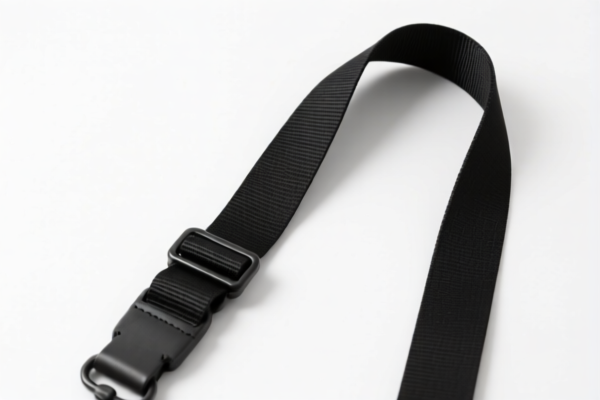
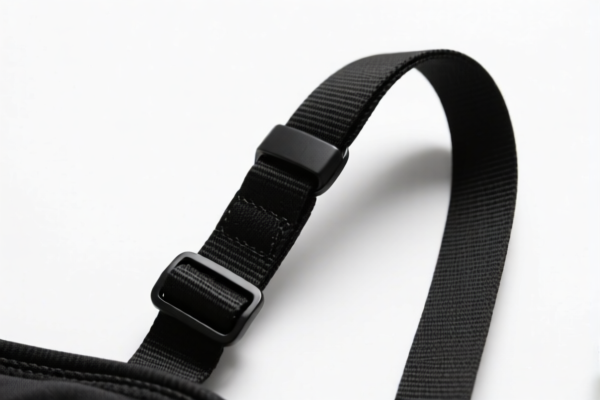
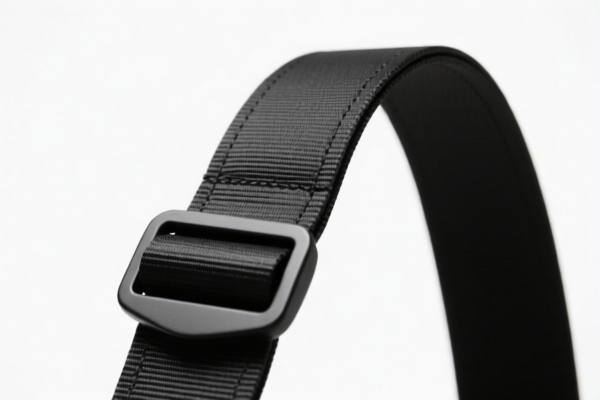
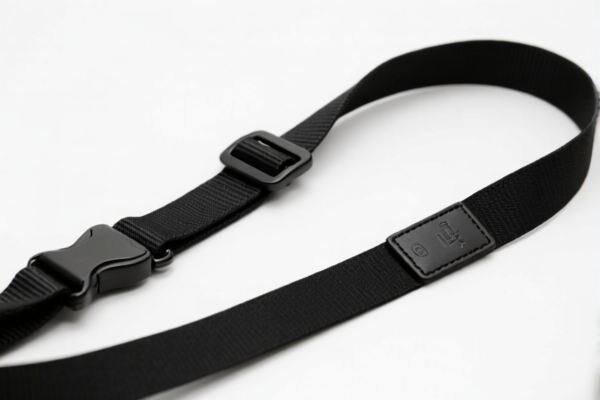
AI Analysis
🎀 Wedding Shoulder Strap (派对肩带)
🏷️ Trade Classification & Customs Clearance Guide | 2026 Tariff Analysis | Professional Compliance Strategy
📌 I. Product Definition & Classification: What is a "Wedding Shoulder Strap"?
In the context of international trade, a "Wedding Shoulder Strap" (often referred to as a decorative sash, garter strap, or festive ribbon accessory) is a textile or plastic accessory used for ceremonial, decorative, or fashion purposes. It is typically made from woven fabric, satin, polyester, or plastic films.
⚠️ Key Classification Challenge:
These items straddle the line between textile apparel accessories and plastic articles. The correct HS Code depends entirely on the primary material and the method of manufacture. Misclassification leads to significant duty discrepancies.
📦 II. HS Code Classification Matrix (2026 Latest Tariff Data)
Based on the provided data, there are 5 distinct HS Code pathways depending on material and construction.
| HS Code | Product Description & Logic | Primary Material | Manufacturing Type | Duty Rate (Total) |
|---|---|---|---|---|
| 6217.10.95.50 | Other Made-up Apparel Accessories Generic classification for other apparel accessories. |
Fabric / Plastic | Woven/Non-knitted | 32.1% |
| 3926.90.40.00 | Other Articles of Plastics Specifically for straps made of plastic film/strips. |
Plastic / Polyester Film | Plastic Articles | 12.8% |
| 6117.80.85.00 | Other Made-up Knitted/Crocheted Accessories For knitted or crocheted festive accessories. |
Knitted Fabric | Knitted / Crocheted | 32.1% |
| 6217.10.85.00 | Decorative Apparel Accessories Specifically for hair bands, ponytail holders, and similar decorative items. |
Fabric / Plastic | Woven/Non-knitted | 24.6% |
| 6117.80.95.70 | Other Accessories (Non-Cotton/Wool) For accessories made of materials other than cotton or wool. |
Non-cotton / Non-wool | Knitted / Crocheted | 32.1% |
🔍 Critical Distinction:
- Plastic vs. Textile: If the strap is made of plastic film or synthetic strips (e.g., shiny party ribbons), it may qualify for 3926.90.40.00 (12.8%). This is the lowest duty rate. - Knitted vs. Woven: If the material is knitted (like a stretchy fabric), it falls under Chapter 61 (e.g., 6117.80.85.00 or 6117.80.95.70). If woven (like satin or polyester fabric), it falls under Chapter 62 (e.g., 6217.10.95.50 or 6217.10.85.00).
💰 III. 2026 Tariff Rate Breakdown (USA Import from China)
✅ Applicable Country: United States (US)
✅ Origin: China (CN)
✅ Status: All rates include Base Tariff + Section 301/122 Additional Duties
🎯 1. 3926.90.40.00 – Best Case Scenario (Lowest Duty)
Total Tax: 12.8%
| Component | Rate | Notes |
|---|---|---|
| Base Tariff | 2.8% | Standard USMFN rate for other plastic articles. |
| Section 301 / Add'l Tariff | 0.0% | No additional 301 tariff applied to this specific plastic article subheading. |
| Section 122 Tariff | 10% | Additional duty under Section 122 (specifically for certain goods from China). |
| TOTAL | 12.8% | Significant savings compared to textile counterparts. |
📌 Strategy: If the product is made of plastic film, synthetic webbing, or non-textile polymers, aggressively argue for this classification to save ~19% in duties.
🎯 2. 6217.10.85.00 – Middle Ground (Decorative Fabric/Plastic)
Total Tax: 24.6%
| Component | Rate | Notes |
|---|---|---|
| Base Tariff | 14.6% | Higher base rate for made-up textile accessories. |
| Section 301 / Add'l Tariff | 0.0% | No additional 301 tariff. |
| Section 122 Tariff | 10% | Additional duty under Section 122. |
| TOTAL | 24.6% | Optimal for woven fabric/plastic blends. |
📌 Strategy: Use this if the strap is woven fabric (e.g., satin, taffeta) or non-knitted plastic used for decoration. It avoids the 7.5% Section 301 tariff.
🎯 3. 6217.10.95.50, 6117.80.85.00, 6117.80.95.70 – Highest Duty Cases
Total Tax: 32.1%
| Component | Rate | Notes |
|---|---|---|
| Base Tariff | 14.6% | Standard rate for textile accessories. |
| Section 301 / Add'l Tariff | 7.5% | Additional 301 tariff applies. |
| Section 122 Tariff | 10% | Additional duty under Section 122. |
| TOTAL | 32.1% | Avoid if possible. |
📌 Why So High?
These codes trigger the 7.5% additional Section 301 tariff.
- 6217.10.95.50: Generic "other" textile accessory.
- 6117.80.85.00: Knitted accessory (generic).
- 6117.80.95.70: Knitted accessory (non-cotton/wool).
🛠️ IV. Customs Clearance Practical Advice
✅ 1. Material Verification is Key
🔥 "Plastic Saves Money, Knitting Costs More!"
| Material Type | Recommended HS Code | Duty Rate | Risk Level |
|---|---|---|---|
| Plastic Film / Synthetic Webbing | 3926.90.40.00 |
12.8% | 🟢 Low (Best Option) |
| Woven Fabric (Satin, Polyester) | 6217.10.85.00 |
24.6% | 🟡 Medium |
| Knitted Fabric / Stretchy Mesh | 6117.80.85.00 |
32.1% | 🔴 High (Max Duty) |
| Mixed/Unknown Material | 6217.10.95.50 |
32.1% | 🔴 High (Default Risk) |
⚠️ Warning: Do not claim
6217.10.85.00if the product is actually knitted. Customs will reclassify it to a Chapter 61 code, imposing the extra 7.5% tariff and potential penalties.
✅ 2. Documentation Checklist
| Document | Purpose | Required Details |
|---|---|---|
| Product Specification Sheet | Prove Material Composition | Explicitly state: "100% Polyester Film" vs. "Woven Satin." |
| Material Test Report | Verify Fabric Type | Differentiate between Knitted (loops) and Woven (interlaced). |
| Commercial Invoice | Clear Description | Use specific terms: "Decorative Plastic Strap for Wedding" vs. "Textile Sash." |
| Photos of Product | Visual Evidence | Show texture, weave pattern, and any plastic components. |
✅ 3. Declaration Tips
| Scenario | Correct Declaration | Incorrect Declaration | Consequence |
|---|---|---|---|
| Plastic Ribbon | "Decorative Strap, 100% PET Plastic Film" | "Wedding Fabric Sash" | Misclassification → 32.1% duty + Penalty |
| Satin Ribbon | "Decorative Woven Polyester Strap" | "Plastic Strap" | Misclassification → 12.8% duty → Re-evaluated to 24.6% |
| Knitted Garter | "Knitted Nylon Accessory" | "Woven Decorative Strap" | Misclassification → 24.6% duty → Re-evaluated to 32.1% |
📌 Pro Tip: If the product is a blend, the material that gives it its essential character determines the classification. For a plastic-coated fabric strap, argue for Plastic (3926) if the plastic component is dominant in function/value.
🌍 V. Global Market Comparison (2026)
| Market | Recommended HS Code | Duty Rate (China Origin) | Key Requirement |
|---|---|---|---|
| 🇺🇸 USA | 3926.90.40.00 |
12.8% | Must prove plastic composition. |
| 🇺🇸 USA | 6217.10.85.00 |
24.6% | For woven fabric/plastic blends. |
| 🇺🇸 USA | 6117.80.85.00 |
32.1% | For knitted textiles. |
| 🇪🇺 EU | 6217.10 / 6117.80 |
Varies (0-12%) | No Section 122/301 tariffs. |
| 🇨🇳 China | 6217.10 / 6117.80 |
0-5% | Import duty for re-export. |
📌 Conclusion:
- The USA has the most complex tariff structure due to Section 301 and Section 122 tariffs.
- Plastic straps (3926) are the most cost-effective entry into the US market.
- Knitted textiles (6117) attract the highest duties due to the cumulative 7.5% + 10% + Base rates.
📌 VI. Common Mistakes & Pitfalls
❌ Mistake 1: Calling a plastic strap a "Textile Accessory"
👉 Result: You pay 32.1% instead of 12.8%.
💡 Fix: Provide material test reports proving it is plastic/film.
❌ Mistake 2: Calling a knitted strap a "Woven Accessory"
👉 Result: Customs reclassifies to 6117, applying the 7.5% add-on.
💡 Fix: Ensure your invoice specifies "Knitted" if applicable.
❌ Mistake 3: Ignoring Section 122
👉 Result: All codes above include a 10% Section 122 tariff.
💡 Fix: No exemption. Factor this into your pricing model.
🎯 VII. Final Recommendation: Optimize Your Duty Paid
🚀 Step-by-Step Action Plan:
- Analyze Material: Is it Plastic, Woven Fabric, or Knitted Fabric?
- Select Best Code:
- If Plastic → Use
3926.90.40.00(12.8%). - If Woven Fabric → Use
6217.10.85.00(24.6%). - If Knitted → Accept
6117.80.85.00(32.1%) or redesign to woven/plastic. - Prepare Documentation: Include material composition certificates and clear product descriptions.
- Apply for Advance Ruling: If uncertain, request a Customs Ruling from CBP to lock in the lower duty rate.
💼 Remember:
"Plastic is Cheap, Knitting is Expensive. Choose Wisely!"
By correctly classifying your Wedding Shoulder Straps, you can save up to 19.5% in duties.
✨ Professional Clearance Starts with Precise Classification!
💼 Every cent saved is pure profit!
Customer Reviews
About HS Code Classification
The Harmonized System (HS) is an internationally standardized nomenclature developed by the World Customs Organization (WCO) to classify traded products. Over 200 countries use the HS system as the basis for customs tariffs, trade statistics, and import/export regulations.
Each HS code follows a hierarchical structure:
- Chapter (2 digits) — Broad category of goods (e.g., Chapter 84: Machinery and Mechanical Appliances)
- Heading (4 digits) — More specific grouping within the chapter
- Subheading (6 digits) — Internationally standardized breakdown, used by all WCO member countries
- National subdivisions (8-10 digits) — Country-specific extensions for further classification, such as US HTSUS 10-digit codes
Correct HS code classification is essential for smooth customs clearance, accurate duty payment, and compliance with trade regulations. Misclassification can lead to customs delays, overpayment of duties, or penalties.
When importing from CN to US, the applicable tariff rates may include:
- Most-Favored-Nation (MFN) rate — The standard duty rate applied to WTO members
- General rate — Applied to countries without trade agreements
- Trade remedy duties — Additional tariffs such as Section 301 (anti-dumping), Section 232 (national security), or countervailing duties
The information provided on this page is for reference purposes only. For official classification, please consult with your local customs authority or a licensed customs broker.