weighing scale
CN → US| HS Code | Tariff Rate | Origin | Destination | Doc |
|---|---|---|---|---|
| 8423810010 | 35.0% | CN | US | Official Doc |
| 8423810040 | 35.0% | CN | US | Official Doc |
| 9031808085 | 35.0% | CN | US | Official Doc |
| 9031499000 | 35.0% | CN | US | Official Doc |
| 8423810040 | 35.0% | CN | US | Official Doc |
Product Images
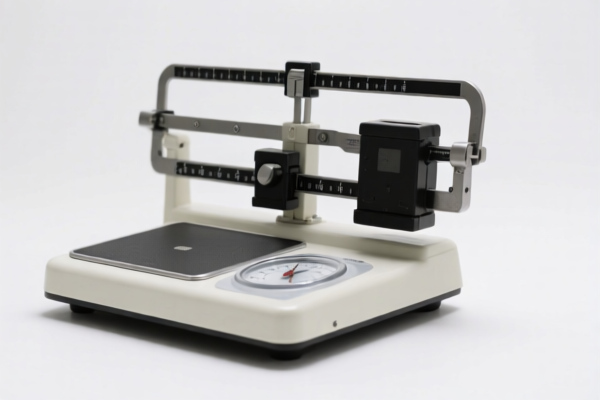
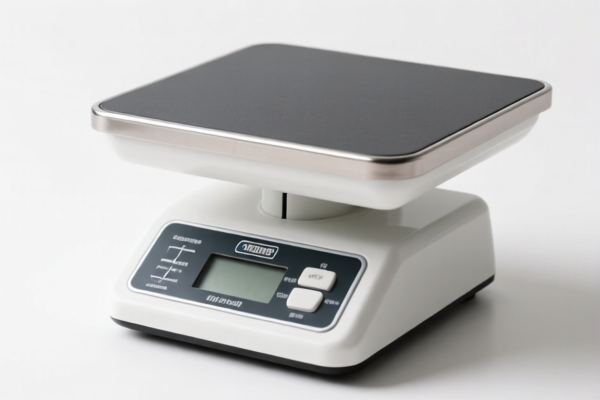
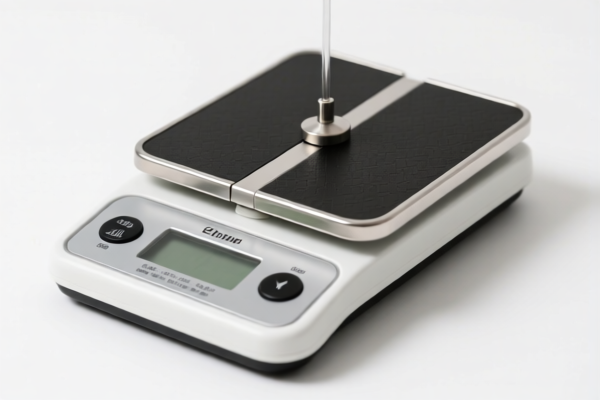
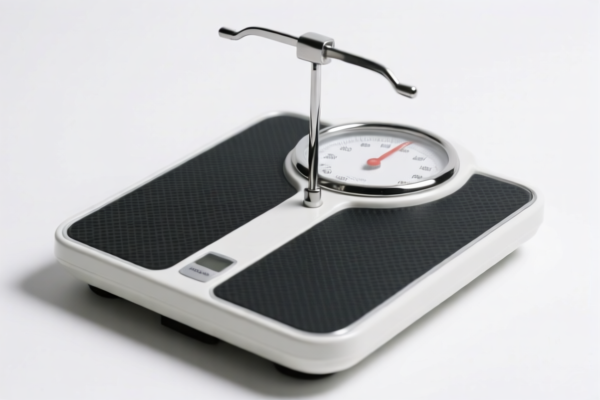
AI Analysis
⚖️ Weighing Scale (电子秤/厨房秤/工业秤)
🌐 HS Code Reference & Customs Clearance Guide | 2026 Latest Tariff Analysis | Professional Entry Strategy
📌 1. Product Definition & Classification: What Exactly is a "Weighing Scale"?
In international trade, "Weighing Scales" are not a single unified category. They are split based on function, capacity, and technology. For US imports from China, the distinction between 8423 (Mechanical/Electronic Scales) and 9031 (Measuring Instruments) is critical due to massive tariff differences and regulatory requirements.
⚠️ Key Distinction Point:
- Household/Kitchen/Digital Scales (≤30kg): Often fall under Chapter 90 (Optical/Measuring Instruments) for precision, BUT frequently classified under 8423 if designed for general weighing tasks.
- Industrial/Commercial Scales: Strictly 8423 (Weighing Machinery).
- Lab Precision Scales: 9031 (Measuring/Checking Instruments).🔍 Why Multiple HS Codes?
The provided data shows 5 potential HS Codes. This indicates ambiguity in classification. Customs may interpret the same scale differently based on marketing description, end-use, and technical specs.
📦 2. HS Code Classification Matrix (2026 Authorized Reference)
| HS Code | Product Description | Application Scenario | Key Justification |
|---|---|---|---|
8423.81.00.10 |
Electronic Scales (≤30kg) | Household digital kitchen scales, bathroom scales | "Electronic weighing equipment," consistent use, no material conflict. |
8423.81.00.40 |
Other Weighing Machinery (≤30kg) | Digital scales, general-purpose weighing machines | "Other weighing machines," catch-all category for ≤30kg devices. |
9031.80.80.85 |
Other Measuring/Checking Instruments | Kitchen scales classified as "measuring instruments" | Fits Chapter 90's logic for measuring/testing functions. |
9031.49.90.00 |
Other Optical/Mechanical Measuring Instruments | High-precision digital scales | Classified under "Other measuring instruments" in Ch. 90. |
8423.81.00.40 |
Digital Electronic Weighing Machinery | Digital scales inferred ≤30kg range | "Other categories" for digital types within weight limit. |
🔍 Critical Note:
- 8423 vs 9031: The biggest risk is misclassification between Chapter 84 and 90.
- US Customs (CBP) typically prefers 8423 for general weighing scales unless they are high-precision laboratory instruments (then 9031).
- All listed codes carry the same total tariff rate of 35% in this dataset, but compliance risk differs.
💰 3. 2026 Tariff Rate Breakdown (Detailed Tax Clauses)
✅ Applicable Country: United States (US)
✅ Origin: China (CN)
✅ Effective Date: 2025–2026 (Ongoing Trade War Policies)
🎯 Total Tariff Rate: 35%
All 5 HS Codes in the provided data share the same tax structure:
| Tax Component | Rate | Legal Basis / Policy Clause |
|---|---|---|
| Basic Duty | 0% | Standard MFN rate for most scales |
| Section 301 Tariff | +25% | USITC Footnote 9903.88.01 / 301 Tariff List |
| 122 Section Tariff (IEEPA) | +10% | Executive Order 13936 / 122 Section List |
| Total Weighted Tariff | 35% | 0% + 25% + 10% |
📌 Explanation:
- Section 301 (25%): Applied to almost all Chinese-origin consumer electronics and weighing devices.
- 122 Section (10%): Additional penalty tariff targeting specific Chinese imports under Section 122 of the Trade Act.
- No De Minimis Exemption: These tariffs apply to all shipments, regardless of value.
- Calculation:Tariff = CIF Value × 35%
🛠️ 4. Customs Clearance Strategy (Avoid Penalties)
✅ 1. Required Documentation
| Document | Mandatory? | Purpose |
|---|---|---|
| Product Spec Sheet | ✔️ | Must state max capacity, unit (kg/lb), power supply |
| Marketing Brochure/Photos | ✔️ | To prove "end-use" (kitchen vs. lab vs. industrial) |
| Commercial Invoice | ✔️ | Must specify "Electronic Weighing Scale" or "Digital Scale" |
| FCC Certification | ✔️ | Mandatory for all electronic scales with digital displays |
| UL/ETL Safety Report | ✔️ | Strongly recommended for liability protection |
| Packing List | ✔️ | Detail contents to avoid "hidden parts" claims |
✅ 2. Classification Best Practices
| Scenario | Recommended HS Code | Reason |
|---|---|---|
| Kitchen Digital Scale | 8423.81.00.10 or 8423.81.00.40 |
Most common; CBP accepts under Ch. 84 for general weighing |
| Lab Precision Scale | 9031.80.80.85 |
If accuracy ≤0.01g, argue "measuring instrument" |
| Bathroom Scale | 8423.81.00.10 |
Classified as electronic scale, not medical device |
| Industrial Platform Scale | 8423.81.00.40 |
Heavy-duty, general-purpose weighing |
🔥 Golden Rule:
"Do not list as 'Kitchen Appliance' alone. Specify 'Electronic Weighing Scale' with capacity."
✅ 3. Common Mistakes & Penalties
❌ Mistake 1: Classifying as "Household Appliance" without specifying function
👉 Risk: CBP reclassifies → Audit + Back Taxes
❌ Mistake 2: Ignoring FCC Certification for Digital Scales
👉 Risk: FDA/FCC Detention → Return Shipment
❌ Mistake 3: Using "9031" for Non-Lab Scales
👉 Risk: Over-compliance or under-compliance → Classification Dispute
✅ Correct Declaration Example:
"Digital Electronic Weighing Scale, Model XYZ, 30kg Capacity, 1g Precision, FCC Certified, for Kitchen Use"
🌍 5. Global Market Comparison (2026)
| Market | Recommended HS Code | Basic Duty | Additional Tariffs | Total Rate | Notes |
|---|---|---|---|---|---|
| 🇺🇸 USA | 8423.81.00.10 |
0% | 35% (301+122) | 35% | High compliance risk |
| 🇨🇳 China | 8423.81.00.10 |
5% | None | 5% | Low cost, CCC required |
| 🇪🇺 EU | 8423.81.00.10 |
0% | None | 0% | CE + WEEE required |
| 🇬🇧 UK | 8423.81.00.10 |
0% | None | 0% | UKCA required |
| 🇦🇺 Australia | 8423.81.00.10 |
5% | None | 5% | RCM required |
📌 Conclusion:
- USA is the most expensive market due to 35% total tariffs.
- EU/UK/AU offer 0–5% rates, but require CE/UKCA/RoHS compliance.
- China domestic rate is low but irrelevant for export.
📌 6. Actionable Checklist for Importers
- Determine Exact HS Code: Use
8423.81.00.10for general scales; consult CBP Ruling if high-precision. - Apply for Pre-Ruling: Submit CBP Form 5510 to lock in classification.
- Ensure FCC Compliance: All digital scales must have FCC ID.
- Budget for 35% Tariff: Include in landed cost calculation.
- Labeling: Must include "Made in China", capacity, and manufacturer info.
🎯 7. Final Advice: Minimize Risk, Maximize Profit
🎯 Remember:
🔹 "Electronic scales go to 8423, not 9031, unless lab-grade."
🔹 "35% tariff is non-negotiable for US imports from China."
🔹 "FCC certification is your passport to entry."
📌 Pro Tip:
If your scales are assembled in Vietnam/Malaysia with Chinese components, explore FTZ or De Minimis strategies carefully. However, Substantial Transformation rules apply — simple assembly may not qualify for tariff relief.
📣 Immediate Next Steps:
📞 Engage a licensed US Customs Broker
📄 Prepare FCC Test Reports + Product Specs
📊 Apply for CBP Pre-Ruling
🚀 Clear customs smoothly, avoid penalties, and protect your margins!
✨ Precision in Classification, Power in Compliance!
💼 Every percentage point matters in global trade!
Customer Reviews
About HS Code Classification
The Harmonized System (HS) is an internationally standardized nomenclature developed by the World Customs Organization (WCO) to classify traded products. Over 200 countries use the HS system as the basis for customs tariffs, trade statistics, and import/export regulations.
Each HS code follows a hierarchical structure:
- Chapter (2 digits) — Broad category of goods (e.g., Chapter 84: Machinery and Mechanical Appliances)
- Heading (4 digits) — More specific grouping within the chapter
- Subheading (6 digits) — Internationally standardized breakdown, used by all WCO member countries
- National subdivisions (8-10 digits) — Country-specific extensions for further classification, such as US HTSUS 10-digit codes
Correct HS code classification is essential for smooth customs clearance, accurate duty payment, and compliance with trade regulations. Misclassification can lead to customs delays, overpayment of duties, or penalties.
When importing from CN to US, the applicable tariff rates may include:
- Most-Favored-Nation (MFN) rate — The standard duty rate applied to WTO members
- General rate — Applied to countries without trade agreements
- Trade remedy duties — Additional tariffs such as Section 301 (anti-dumping), Section 232 (national security), or countervailing duties
The information provided on this page is for reference purposes only. For official classification, please consult with your local customs authority or a licensed customs broker.