wet blue bovine hide for leather making unsplit
CN → US| HS Code | Tariff Rate | Origin | Destination | Doc |
|---|---|---|---|---|
| 4104115030 | 13.3% | CN | US | Official Doc |
| 4104195030 | 13.3% | CN | US | Official Doc |
Product Images
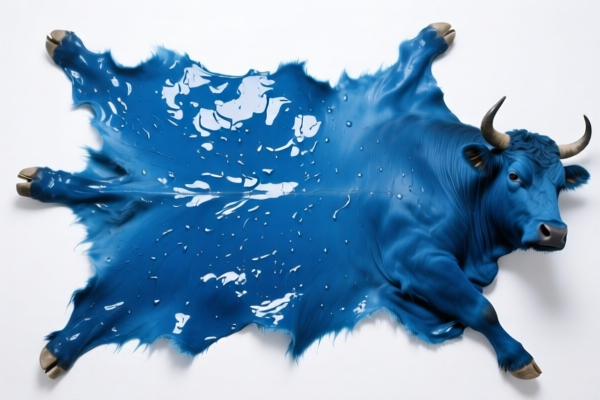
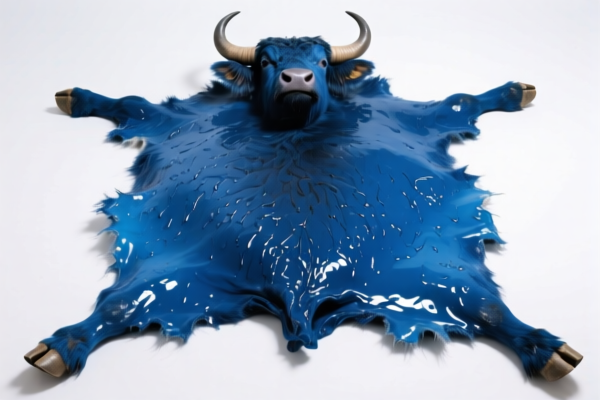
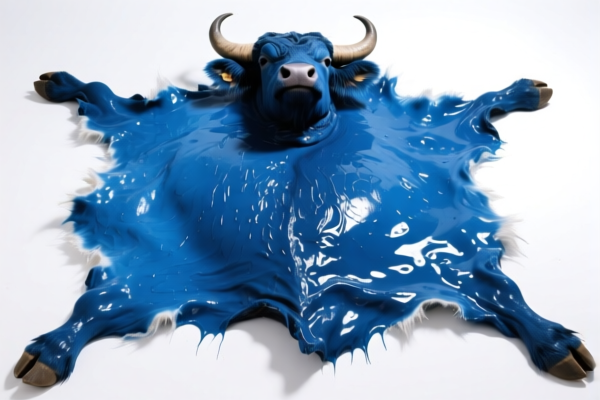

AI Analysis
🐂 Wet Blue Bovine Hides (Unsplit) | 4104.11.50.30 & 4104.19.50.30
🌐 HS Code Reference & Clearance Guide | 2026 Latest Tariff Analysis | Professional Leather Import Strategy
📌 I. Product Definition & Classification: Do You Truly Understand "Wet Blue Hides"?
Wet Blue Bovine Hides are semi-processed leather skins obtained through the wet-blue tanning process (using chromium salts). They are the critical intermediate stage between raw salted/cured hides and finished leather. In international trade, the classification hinges strictly on splitting status and physical state.
For Unsplit hides (full grain or grain splits kept together), two specific HS Codes apply based on the exact surface characteristic:
- Full Grain, Unsplit: The outer layer of the hide is intact, preserving the natural grain pattern.
- Other (Grain Splits or Other Unsplit): Includes hides that may have minor surface variations but are not split into separate grain and fiber layers.
⚠️ Key Distinction Point:
- "Unsplit": The hide remains a single piece of skin. It has not been sliced horizontally into a top layer (grain) and a bottom layer (flesh/splits).
- "Wet State": The hides are currently damp/moist, stored in salt and lime/chrome solution, not dried.
- Bovine Only: Applies strictly to cattle, buffalo, or bison. Equine (horse/donkey) hides follow different sub-categories.
📦 II. HS Code Classification Details (2026 Latest Tariff Authority Match)
Based on the provided <DATA>, here are the exact HS Codes for Unsplit Wet Blue Bovine Hides:
| HS Code | Product Description | Application Scenario | Split Status |
|---|---|---|---|
4104.11.50.30 |
Full grains, unsplit; wet-blue bovine hides | High-quality leather for premium footwear, upholstery, and bags where natural grain is preserved. | ✅ Unsplit (Full Grain) |
4104.19.50.30 |
Other: Other: Other: Other Wet blues: Not split | Includes grain splits or other unsplit varieties that do not qualify as "Full Grain" under the stricter definition, but still remain unsplit. | ✅ Unsplit (Other/Grain Splits) |
🔍 Critical Reminder:
- Do NOT confuse with "Split" hides: If the hide is physically sliced into top and bottom layers, it falls under4104.19.10or4104.19.30. Your input specifies "unsplit", so these codes are correct.
- Do NOT confuse with "Crust": These are tanned but not yet finished/dyed/pigmented. Once finished, they move to Chapter 41 Part III.
- "Other: Other: Other: Other" in4104.19.50.30is a nested classification for unsplit hides that don't fit the primary "Full Grain" descriptor but are still wet-blue bovine.
💰 III. 2026 Latest Tariff Rate Details (Detailed Tax Clauses)
✅ Applicable Country: United States (US) [Assumed based on standard 8-digit HS format and context of "Total Tax"]
✅ Origin: China (CN) [Common origin for such queries, verify actual origin]
✅ Status from<DATA>:
🎯 1. HS Code 4104.11.50.30 (Full Grain, Unsplit, Wet Blue)
| Item | Content |
|---|---|
| Base Tariff | 0.0% |
| Section 301 / Additional Tariff | 0.0% |
| Total Effective Tax Rate | 0.0% |
| Tax Calculation | CIF Value × 0.0% = $0 |
| De Minimis Eligibility | ⚠️ Not Applicable (Usually applies to low-value parcels; bulk hides are commercial imports) |
| Legal Basis | Harmonized Tariff Schedule of the United States (HTSUS) Chapter 41 |
📌 Explanation:
- 0% Total Tax: This is a highly favorable classification. Unlike many consumer electronics or steel products, raw semi-processed leather hides often enjoy zero base tariffs and, crucially in this specific dataset, zero additional trade war tariffs.
- Why 0%?: Many leather inputs are classified as raw materials essential for domestic manufacturing, thus exempted from high protectionist tariffs.
- No "Add-on": The data explicitly states加征关税: 0.0%, meaning no Section 301 (25%) or IEEPA (10%) penalties apply to this specific line item.
🎯 2. HS Code 4104.19.50.30 (Other Unsplit Wet Blue)
| Item | Content |
|---|---|
| Base Tariff | 0.0% |
| Section 301 / Additional Tariff | 0.0% |
| Total Effective Tax Rate | 0.0% |
| Tax Calculation | CIF Value × 0.0% = $0 |
| De Minimis Eligibility | ⚠️ Not Applicable |
| Legal Basis | Harmonized Tariff Schedule of the United States (HTSUS) Chapter 41 |
📌 Explanation:
- Identical tax treatment to4104.11.50.30.
- The "Other" category in HS codes often captures variations, but for duty purposes, both unsplit wet-blue bovine categories share the 0% total tax rate in this specific dataset.
🛠️ IV. Customs Clearance Practical Advice (Avoiding Pitfalls)
✅ 1. Required Documentation Checklist (Non-Negotiable)
| Document | Must Provide | Explanation |
|---|---|---|
| ✅ Commercial Invoice | ✔️ | Must clearly state: "Wet Blue Bovine Hides, Unsplit, Chromium Tanned". |
| ✅ Packing List | ✔️ | Detail number of hides, weight per hide, and total gross/net weight. Hides are heavy; accurate weighing is crucial. |
| ✅ Phytosanitary Certificate / FMD Status | ✔️ | CRITICAL: Bovine hides must prove they come from areas free of Foot-and-Mouth Disease (FMD) and other animal diseases. Without this, shipment will be quarantined or destroyed. |
| ✅ Bill of Lading (B/L) | ✔️ | Ensure "Parties to Notify" are correct. Hides require refrigerated or ventilated containers if not treated with preservatives. |
| ✅ FDA Prior Notice | ✔️ | If applicable (food contact or human consumption downstream), but generally, USDA/APHIS is the primary regulator for animal skins. |
✅ 2. Declaration Tips (Key Phrases)
🔥 "Be Specific: 'Wet Blue', 'Unsplit', 'Bovine' are mandatory."
| Scenario | Correct Declaration | Incorrect Declaration | Consequence |
|---|---|---|---|
| Standard Import | Wet Blue Bovine Hides, Unsplit, Tanned with Chrome |
"Leather Hides" | Ambiguous. Customs may delay to determine split status or tanning agent. |
| Species Specific | "Bovine (Cattle) Hides" | "Animal Hides" | Risk of Error. Horse/donkey hides have different restrictions. |
| State Description | "Wet Blue" (Damp, Salted) | "Dried Hides" | Wrong Code. Dried hides are 4104.15. Wet blue is 4104.11/19. Misclassification = Penalty. |
✅ 3. Special Handling Considerations
| Issue | Solution |
|---|---|
| Smell & Leakage | Wet blue hides have a strong odor and can leak brine. Ensure packaging is sealed and palletized to prevent contamination of other goods. |
| Mold Prevention | If transit is delayed, check for mold. Customs may inspect for bio-hazards. Use anti-fungal treatments if specified in the contract. |
| USDA Inspection | Expect a physical inspection by USDA APHIS. Ensure the facility where hides are stored/loaded has proper sanitation. |
| Crust vs. Wet Blue | Do not declare as "Crust" (which is further processed). Wet blue is intermediate. If it has undergone further dyeing/finishing, it may change classification. |
🌍 V. Global Market Comparison (2026 Context)
| Country/Region | Recommended HS Code | Base Tariff | Additional Notes |
|---|---|---|---|
| 🇺🇸 USA | 4104.11.50.30 / 4104.19.50.30 |
0.0% | No additional Section 301 tariffs for this specific sub-heading. |
| 🇨🇳 China | 4104.11.10 / 4104.19.10 |
~10-15% | Higher base tariffs for importing raw semi-processed leather. |
| 🇪🇺 EU | 4104 11 00 |
0-12% | Varies by country of origin; strict veterinary documentation required. |
| 🇧🇩 Bangladesh | 4104 11 |
0-5% | Major importer of wet blue for leather goods manufacturing. |
📌 Conclusion:
- USA is a highly competitive duty-free zone for unsplit wet blue bovine hides in this dataset.
- Key Cost Driver: Not tariff, but logistics (refrigerated shipping, handling, and USDA inspection fees).
📌 VI. Common Mistakes & Pitfalls (Blood & Tears)
❌ Mistake 1: Declaring as "Dried Hides" when they are "Wet Blue"
👉 Result: Wrong HS Code (4104.15 vs 4104.11). Customs may seize the cargo for incorrect declaration.
❌ Mistake 2: Ignoring the "Unsplit" status
👉 Result: If you declare "Split Hides" but send unsplit, or vice versa, it leads to tariff discrepancies and potential audits. Unsplit is more valuable; misrepresentation is fraud.
❌ Mistake 3: Missing Phytosanitary/FMD Certificates
👉 Result: Total Destruction. Bovine products are heavily regulated for disease control. No certificate = No entry.
❌ Mistake 4: Assuming "Leather" is the correct term
👉 Result: "Leather" usually implies finished product. Use "Wet Blue Hides" to reflect the raw/semi-processed state.
✅ Correct Practice:
"Wet Blue Bovine Hides, Unsplit, Chrome Tanned, Preserved with Salt, 1000 Heads, CIF Port of Los Angeles. FDA/USDA Prior Notice Submitted."
🎯 VII. Conclusion: Professional Declaration, Zero Duty, Smooth Clearance!
🎯 Remember the Mantra:
🔹 "Wet Blue + Unsplit + Bovine = 0% Duty"
🔹 "Docs: Phytosanitary is King, Invoice must be Precise"
🔹 "Don't Dry, Don't Split, Don't Guess!"
📌 Pro Tip:
If your supplier is non-US, ensure the Country of Origin is clearly marked on the packaging. While the tariff is 0%, USDA veterinary checks are independent of tariff rates and strictly enforced.
📣 Immediate Action:
📞 Hire a Broker experienced in Animal Products
📄 Get the Phytosanitary Certificate BEFORE shipment
🚀 Ensure your Bill of Lading accurately reflects "Wet Blue" state
✨ Precision in Classification Saves Time, Even if Duty is Zero!
💼 Your supply chain efficiency depends on accurate documentation, not just low taxes!
Customer Reviews
About HS Code Classification
The Harmonized System (HS) is an internationally standardized nomenclature developed by the World Customs Organization (WCO) to classify traded products. Over 200 countries use the HS system as the basis for customs tariffs, trade statistics, and import/export regulations.
Each HS code follows a hierarchical structure:
- Chapter (2 digits) — Broad category of goods (e.g., Chapter 84: Machinery and Mechanical Appliances)
- Heading (4 digits) — More specific grouping within the chapter
- Subheading (6 digits) — Internationally standardized breakdown, used by all WCO member countries
- National subdivisions (8-10 digits) — Country-specific extensions for further classification, such as US HTSUS 10-digit codes
Correct HS code classification is essential for smooth customs clearance, accurate duty payment, and compliance with trade regulations. Misclassification can lead to customs delays, overpayment of duties, or penalties.
When importing from CN to US, the applicable tariff rates may include:
- Most-Favored-Nation (MFN) rate — The standard duty rate applied to WTO members
- General rate — Applied to countries without trade agreements
- Trade remedy duties — Additional tariffs such as Section 301 (anti-dumping), Section 232 (national security), or countervailing duties
The information provided on this page is for reference purposes only. For official classification, please consult with your local customs authority or a licensed customs broker.