wettable powder aromatic insecticide
CN → US| HS Code | Tariff Rate | Origin | Destination | Doc |
|---|---|---|---|---|
| 3808611000 | 41.5% | CN | US | Official Doc |
| 3808591000 | 16.5% | CN | US | Official Doc |
| 3808932000 | 40.0% | CN | US | Official Doc |
| 3808997000 | 40.0% | CN | US | Official Doc |
| 2827399050 | 10.0% | CN | US | Official Doc |
Product Images
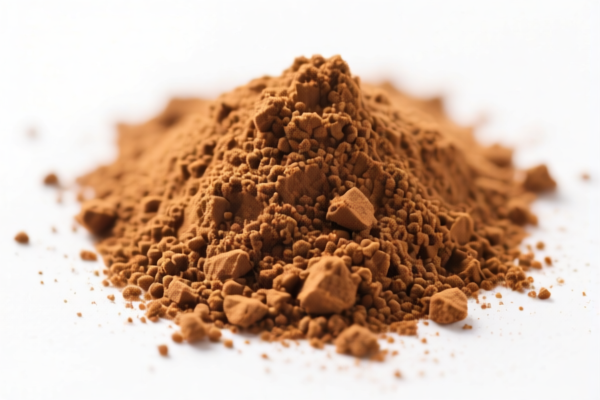
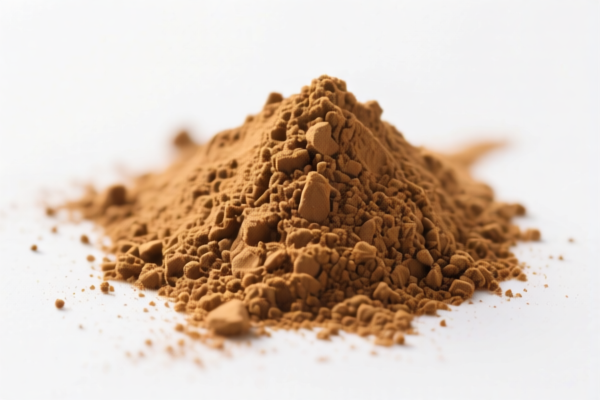
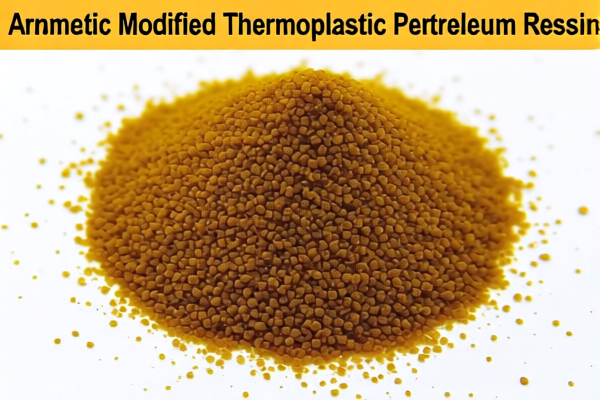
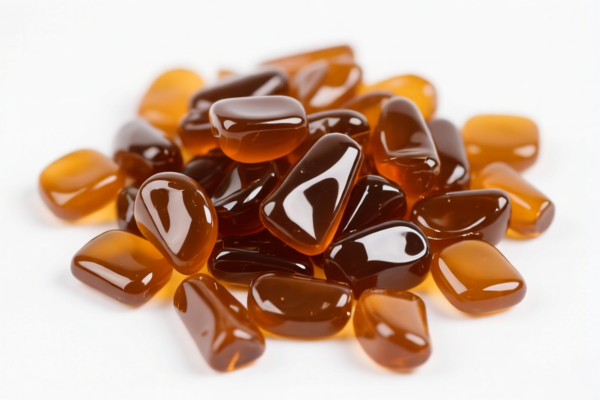
AI Analysis
🐞 Wettable Powder Aromatic Insecticide & Herbicides
🌐 HS Code Reference & Customs Clearance Guide | 2026 Latest Tariff Analysis | Professional Strategy for US Imports
📌 I. Product Definition & Classification: What Exactly Are You Importing?
In international trade, agricultural and chemical products are strictly categorized based on their active ingredients and chemical nature. The term "Wettable Powder" (WP) describes the physical form (a dry powder that disperses in water), but it does not determine the tariff code. The chemical composition determines the HS Code and, consequently, the tariff rate.
Based on the provided data, there are two distinct categories: 1. Aromatic Insecticides: Products containing aromatic compounds used to kill insects. 2. Inorganic Herbicides: Products containing inorganic salts/compounds used to kill weeds.
⚠️ Critical Distinction:
- If the product is an Insecticide with Aromatic components → It falls under Chapter 3808, specifically subheadings related to aromatic insecticides.
- If the product is a Herbicide with Inorganic components → It also falls under Chapter 3808, but under different subheadings for herbicides.
- Do not mix these up! Misclassification leads to severe penalties, delays, and overpayment of duties.
📦 II. HS Code Classification Details (2026 Latest Tariff Authority)
| HS Code | Product Description | Key Identifier | Total Tax Rate (China Origin) |
|---|---|---|---|
3808.61.10.00 |
Aromatic Insecticide Powder | Aromatic substance-based insecticide | 41.5% |
3808.59.10.00 |
Aromatic Insecticide Powder | Alternative aromatic insecticide classification | 16.5% |
3808.93.20.00 |
Inorganic Herbicide Wettable Powder | Inorganic compound-based herbicide | 40.0% |
3808.99.70.00 |
Inorganic Herbicide Wettable Powder | General inorganic herbicide classification | 40.0% |
2827.39.90.50 |
Inorganic Herbicide Wettable Powder | Inorganic chemical salt (primary form) | +10.0% |
🔍 Key Insight:
- Insecticides (3808.61/3808.59) have varying rates depending on the specific aromatic composition.
- Herbicides (3808.93/3808.99) are generally taxed at 40.0% due to the combination of base duty and Section 301 tariffs.
- Raw Inorganic Salts (2827.39.90.50) are taxed significantly lower at +10.0%, but they must be classified as chemical salts rather than formulated herbicides.
💰 III. 2026 Latest Tariff Rate Breakdown (Detailed Policy Analysis)
✅ Applicable Country: United States (US)
✅ Origin: China (CN)
✅ Effective Date: Ongoing (as of 2026)
🎯 1. 3808.61.10.00 – Aromatic Insecticide Powder (High Risk)
| Item | Content |
|---|---|
| Base Duty Rate | 6.5% (ad valorem) |
| Section 301 Additional Duty | 25.0% |
| Section 122 Duty | 10.0% |
| Total Tax Rate | 41.5% |
| Tax Calculation | CIF Value × 41.5% |
| De Minimis Exemption | ❌ Not Eligible (Section 301 & 122 duties apply regardless of value) |
| Legal Basis | HTSUS 3808.61.10 + USITC Footnote 301 + Section 122 Order |
📌 Explanation:
- Base Duty (6.5%): Standard tariff for insecticides containing aromatic compounds.
- Section 301 (25%): Imposed on Chinese goods under Trade Act of 1974.
- Section 122 (10%): Additional duty imposed by the President under Trade Expansion Act of 1962 (often applies to specific agricultural/chemical imports).
- Total 41.5% is extremely high. Importers must ensure the product is correctly classified to avoid overpayment if a lower subheading applies.
🎯 2. 3808.59.10.00 – Aromatic Insecticide Powder (Cost-Effective Option)
| Item | Content |
|---|---|
| Base Duty Rate | 6.5% |
| Section 301 Additional Duty | 0.0% |
| Section 122 Duty | 10.0% |
| Total Tax Rate | 16.5% |
| Tax Calculation | CIF Value × 16.5% |
| De Minimis Exemption | ❌ Not Eligible (Section 122 still applies) |
| Legal Basis | HTSUS 3808.59.10 + Section 122 Order |
📌 Note:
- This code offers significant savings (16.5% vs. 41.5%) if the aromatic insecticide fits this specific subheading.
- Zero Section 301 duty is a major advantage.
- Crucial: You must prove the product’s chemical formulation aligns with3808.59.10and not3808.61.10. This requires detailed COA (Certificate of Analysis).
🎯 3. 3808.93.20.00 & 3808.99.70.00 – Inorganic Herbicide Wettable Powders
| Item | Content |
|---|---|
| Base Duty Rate | 5.0% |
| Section 301 Additional Duty | 25.0% |
| Section 122 Duty | 10.0% |
| Total Tax Rate | 40.0% |
| Tax Calculation | CIF Value × 40.0% |
| De Minimis Exemption | ❌ Not Eligible |
| Legal Basis | HTSUS 3808.93.20/99.70 + USITC Footnote 301 + Section 122 |
📌 Explanation:
- Both codes result in 40.0% total tax.
- 3808.93.20 is for specific inorganic herbicides; 3808.99.70 is a residual category for other herbicides.
- If your product is a formulated herbicide, expect 40% unless you can classify it as raw chemical salt.
🎯 4. 2827.39.90.50 – Inorganic Chemical Salt (Raw Material)
| Item | Content |
|---|---|
| Base Duty Rate | 0.0% (Base duty not specified in data, assumed low/exempt) |
| Section 301 Additional Duty | 0.0% |
| Section 122 Duty | 10.0% |
| Total Tax Rate | +10.0% |
| Tax Calculation | CIF Value × 10.0% |
| De Minimis Exemption | ❌ Not Eligible (Section 122 applies) |
| Legal Basis | HTSUS 2827.39.90.50 + Section 122 |
📌 Strategic Insight:
- This code is for inorganic chemical salts in primary forms, NOT formulated herbicides.
- If your "wettable powder" is actually a raw inorganic salt (e.g., sodium chlorate, copper sulfate) that is formulated later, it may qualify here.
- Savings: Up to 30% less tax compared to formulated herbicide codes.
- Risk: High scrutiny from CBP. Must provide proof that it is a raw chemical, not a finished agricultural product.
🛠️ IV. Customs Clearance Practical Advice (Real-World Pitfall Avoidance)
✅ 1. Required Documentation Checklist
| Document | Mandatory? | Purpose |
|---|---|---|
| ✅ Certificate of Analysis (COA) | ✔️ Essential | Proves active ingredients, aromatic vs. inorganic, and concentration. |
| ✅ Product Label & SDS | ✔️ Essential | Shows intended use (insecticide vs. herbicide) and chemical nature. |
| ✅ Commercial Invoice | ✔️ Mandatory | Must clearly state HS Code and product description. |
| ✅ Packing List | ✔️ Mandatory | Details net/gross weight, package dimensions. |
| ✅ Import License (EPA) | ✔️ For Insecticides/Herbicides | EPA registration number is required for pesticide products. |
| ✅ Form 434 (EPA) | ✔️ For Pesticides | Required for entry of pesticide products into the US. |
⚠️ EPA Requirement:
All insecticides and herbicides imported into the US must be registered with the Environmental Protection Agency (EPA). Without EPA registration and Form 434, the shipment will be rejected or destroyed.
✅ 2. Declaration Tips (Key Mantra)
🔥 "Classify by Chemistry, Not Form! EPA Number is King!"
| Scenario | Correct Declaration | Incorrect Declaration |
|---|---|---|
| Aromatic Insecticide WP | 3808.61.10.00 or 3808.59.10.00 + EPA Reg. No. |
"Insecticide Powder" → Ambiguous → Audit Risk |
| Inorganic Herbicide WP | 3808.93.20.00 or 3808.99.70.00 + EPA Reg. No. |
"Weed Killer" → Vague → High Tax Bracket |
| Raw Inorganic Salt | 2827.39.90.50 + No EPA Reg. (if not a formulated pesticide) |
"Herbicide Raw Material" → Misclassification |
| Mixed Shipment | Split HS Codes for Insecticides vs. Herbicides | Single HS Code for all → Error |
✅ 3. Special Case Handling
| Case | Handling Advice |
|---|---|
| Product is Aromatic Insecticide | Determine if it fits 3808.61.10 (25% S301) or 3808.59.10 (0% S301). Provide COA to prove structure. |
| Product is Inorganic Herbicide | Expect 40% tax unless it can be classified as raw salt (2827.39.90.50). |
| Raw Chemical Salt Formulation | If the product is sold as a raw inorganic salt for further formulation, use 2827.39.90.50. Do not use EPA-regulated pesticide codes. |
| EPA Registration Missing | Do not ship! Apply for EPA registration or work with a registered importer. |
🌍 V. Global Market Comparison (2026)
| Country/Region | Recommended HS Code | Tariff (China Origin) | Key Requirement | Note |
|---|---|---|---|---|
| 🇺🇸 USA | See Table II above | 10.0% – 41.5% | EPA Registration | High Section 301 & 122 duties apply |
| 🇨🇳 China | 3808.61 / 3808.93 | ~5-13% | Production License | Low base duties, no S301/122 |
| 🇪🇺 EU | 3808.60 / 3808.90 | 0-6.5% | EU PPR Approval | No Section 301/122, but strict eco-standards |
| 🇦🇺 Australia | 3808.61 / 3808.93 | ~5% | APVMA Registration | Moderate duties, strict biosecurity |
📌 Conclusion:
- USA is the most expensive market due to Section 301 and Section 122 tariffs.
- Duty Savings Strategy: If possible, structure supply chain to import raw chemicals (2827.39.90.50) and formulate locally, or ensure correct classification under3808.59.10for insecticides.
📌 VI. Common Errors & Pitfalls (Lessons Learned)
❌ Error 1: Declaring a formulated herbicide as a raw chemical salt.
👉 Consequence: CBP denies classification, imposes back duties + penalties.
❌ Error 2: Missing EPA Registration for insecticides/herbicides.
👉 Consequence: Shipment held at border, potential seizure, fines up to $20,000/day.
❌ Error 3: Using "Wettable Powder" as the primary descriptor.
👉 Consequence: Customs cannot determine chemical nature. Must include Active Ingredient and Chemical Class (Aromatic vs. Inorganic).
❌ Error 4: Ignoring Section 122 Duties.
👉 Consequence: Underpayment of 10% additional duty on all items.
✅ Correct Approach:
"Aromatic Insecticide, Wettable Powder, Contains [Chemical Name], EPA Reg. No. [Number], HTSUS: 3808.59.10.00"
🎯 VII. Conclusion: Professional Classification Saves Money!
🎯 Remember the Mantra:
🔹 "Check EPA First! Then Chemistry Next!"
🔹 "Aromatic Insecticide: 16.5% or 41.5%? Prove it!"
🔹 "Inorganic Herbicide: 40% or 10%? Is it raw or formulated?"
📌 Pro Tip:
If your product qualifies for 3808.59.10.00 (0% Section 301) or 2827.39.90.50 (0% Section 301), invest in precise COA and legal documentation to justify the classification. The 25-30% tax savings are worth the effort.
📣 Immediate Action:
📞 Contact an EPA-licensed importer + Provide COA & SDS + File Form 434
🚀 Ensure compliance, avoid seizure, and optimize costs!
✨ Precise Classification Starts Here!
💼 Your Cost Efficiency Depends on These Digits!
Customer Reviews
About HS Code Classification
The Harmonized System (HS) is an internationally standardized nomenclature developed by the World Customs Organization (WCO) to classify traded products. Over 200 countries use the HS system as the basis for customs tariffs, trade statistics, and import/export regulations.
Each HS code follows a hierarchical structure:
- Chapter (2 digits) — Broad category of goods (e.g., Chapter 84: Machinery and Mechanical Appliances)
- Heading (4 digits) — More specific grouping within the chapter
- Subheading (6 digits) — Internationally standardized breakdown, used by all WCO member countries
- National subdivisions (8-10 digits) — Country-specific extensions for further classification, such as US HTSUS 10-digit codes
Correct HS code classification is essential for smooth customs clearance, accurate duty payment, and compliance with trade regulations. Misclassification can lead to customs delays, overpayment of duties, or penalties.
When importing from CN to US, the applicable tariff rates may include:
- Most-Favored-Nation (MFN) rate — The standard duty rate applied to WTO members
- General rate — Applied to countries without trade agreements
- Trade remedy duties — Additional tariffs such as Section 301 (anti-dumping), Section 232 (national security), or countervailing duties
The information provided on this page is for reference purposes only. For official classification, please consult with your local customs authority or a licensed customs broker.