wheel nuts
CN → US| HS Code | Tariff Rate | Origin | Destination | Doc |
|---|---|---|---|---|
| 7318160045 | 67.5% | CN | US | Official Doc |
| 8708998180 | 12.5% | CN | US | Official Doc |
| 7318160030 | 67.5% | CN | US | Official Doc |
| 8708706060 | 37.5% | CN | US | Official Doc |
| 7616109030 | 41.0% | CN | US | Official Doc |
Product Images
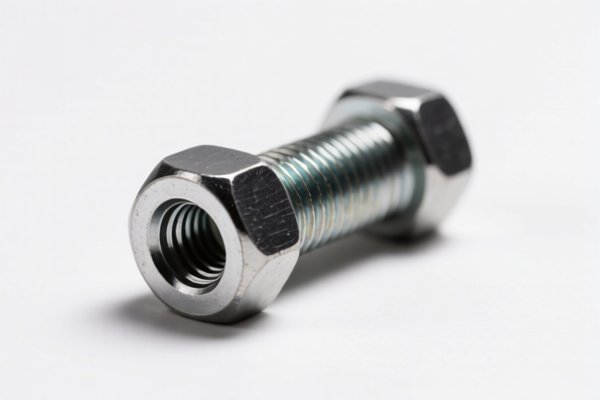
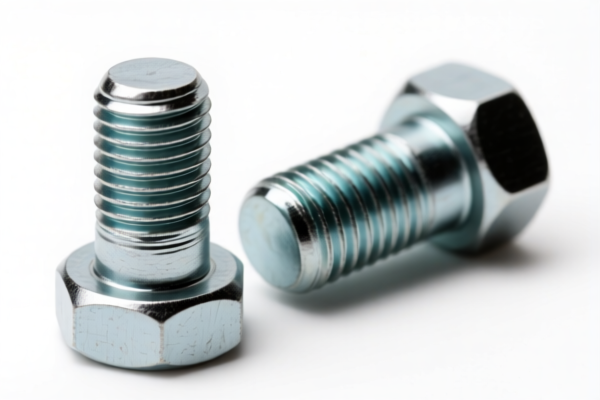
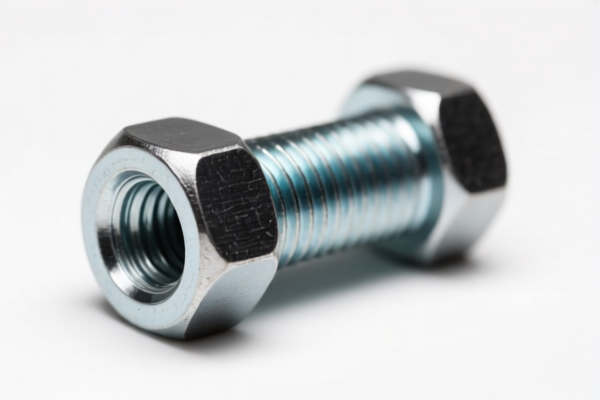
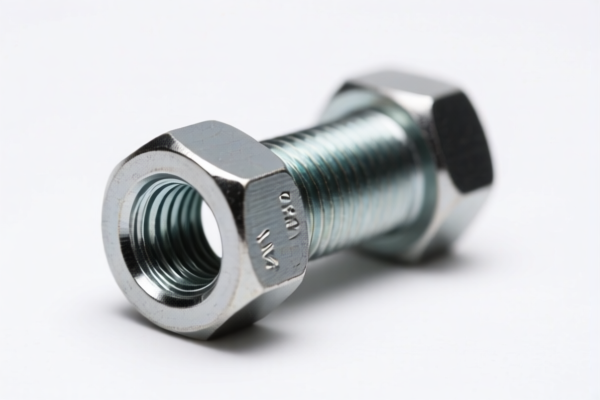
AI Analysis
🚗 Wheel Nuts (Automotive Fasteners)
🌐 HS Code Reference & Customs Clearance Guide | 2026 Latest Tariff Analysis | Professional-Level通关 Strategy
📌 I. Product Definition & Classification: Do You Really Understand "Wheel Nuts"?
Wheel nuts are critical automotive fasteners used to secure wheels to the vehicle hub. In international trade, their classification depends heavily on material composition (Steel, Iron, Aluminum) and specific functional definition (general fastener vs. specific auto part).
⚠️ Key Distinction:
- If made of Iron/Steel and categorized as general mechanical fasteners → HS 7318
- If explicitly defined as Auto Parts/Accessories (regardless of material, if specific) → HS 8708
- If made of Aluminum and categorized as fasteners → HS 7616
📦 II. HS Code Classification Details (2026 Latest Tariff Authority Comparison)
| HS Code | Product Description | Material/Type | Total Tax Rate (CN→US) |
|---|---|---|---|
7318.16.00.45 |
Wheel Nuts: General fasteners matching hub nuts | Iron/Steel | 67.5% |
8708.99.81.80 |
Wheel Nuts: As Auto Parts/Accessories | Metal | 12.5% |
7318.16.00.30 |
Wheel Nuts: Nuts/Hub Nuts | Iron/Steel | 67.5% |
8708.70.60.60 |
Wheel Nuts: Vehicle Hub Related Parts | Metal | 37.5% |
7616.10.90.30 |
Wheel Nuts: Aluminum Fasteners | Aluminum | 41.0% |
🔍 Critical Reminder:
- HS 8708 codes are generally preferred for lower duties if the product can be legally defined strictly as an "auto part accessory" rather than a generic hardware item. - HS 7318 codes (Steel/Iron) incur heavy additional tariffs due to Section 232 (Steel/Aluminum) and Section 301 measures. - HS 7616 (Aluminum) also carries Section 232 penalties.
💰 III. 2026 Latest Tariff Rate Breakdown (Including Additional Taxes & Policy Surcharges)
✅ Applicable Country: United States (US)
✅ Origin: China (CN)
✅ Effective Time: Post-2025 (Current Trade Regime)
🎯 1. 8708.99.81.80 —— Wheel Nuts as Auto Parts/Accessories (Lowest Duty Strategy)
| Item | Content |
|---|---|
| Base Tariff | 2.5% (Ad Valorem) |
| Section 301 Surcharge | 0.0% |
| IEEPA/Other Surcharges | 0.0% |
| Total Tax Rate | 12.5% |
| Tax Calculation | CIF Value × 12.5% |
| De Minimis Eligibility | ❌ Not Applicable (Commercial Import) |
| Legal Basis Path | HTSUS:8708.99.81.80 → General Rate |
📌 Explanation:
- This code classifies wheel nuts specifically as "Parts and Accessories of Motor Vehicles". - It benefits from the lowest base rate and avoids the heavy 122-Clause or Section 232 steel/aluminum surcharges that apply to generic fastener codes. - Highly Recommended if product specifications allow this classification.
🎯 2. 8708.70.60.60 —— Wheel Nuts as Hub-Related Parts
| Item | Content |
|---|---|
| Base Tariff | 2.5% |
| Section 301 Surcharge | +25.0% |
| IEEPA/122-Clause | +10% |
| Total Tax Rate | 37.5% |
| Tax Calculation | CIF Value × 37.5% |
| De Minimis Eligibility | ❌ No |
| Legal Basis Path | HTSUS:8708.70.60.60 → Sec301: Footnote 9903.01.25 → IEEPA |
📌 Note:
- This code treats nuts as specific hub assembly components. - While better than steel fasteners, it still incurs a 25% Section 301 tariff plus 10% IEEPA/122-Clause surcharge. - Suitable if the nuts are sold as part of a hub kit rather than generic hardware.
🎯 3. 7616.10.90.30 —— Aluminum Wheel Nuts (Fasteners)
| Item | Content |
|---|---|
| Base Tariff | 6.0% |
| Section 301 Surcharge | +25.0% |
| IEEPA/122-Clause | +10% |
| Total Tax Rate | 41.0% |
| Tax Calculation | CIF Value × 41.0% |
| De Minimis Eligibility | ❌ No |
| Legal Basis Path | HTSUS:7616.10.90.30 → Sec301 → IEEPA |
📌 Note:
- Aluminum products are subject to Section 232 National Security Tariffs. - Even as auto parts, if classified under Chapter 76 (Aluminum), the surcharges apply. - Only use this if the material is explicitly Aluminum and cannot be reclassified under 8708.
🎯 4. 7318.16.00.45 & 7318.16.00.30 —— Steel/Iron Wheel Nuts (Generic Fasteners)
| Item | Content |
|---|---|
| Base Tariff | 0.0% |
| Section 301 Surcharge | +7.5% (or variable) |
| 122-Clause/Sec232 | +50.0% (Steel/Aluminum/Copper Surcharges) |
| Total Tax Rate | 67.5% |
| Tax Calculation | CIF Value × 67.5% |
| De Minimis Eligibility | ❌ No |
| Legal Basis Path | HTSUS:7318.16.00.xx → Sec232 → IEEPA |
📌 Warning:
- These codes classify wheel nuts as generic mechanical fasteners (nuts). - They trigger the maximum 50% Section 232/122-Clause surcharge for steel products. - Highest Risk/Highest Cost. Avoid this classification if possible by proving "Auto Part" status under 8708.
🛠️ IV. Customs Clearance Practical Advice (Real-World Pitfall Avoidance)
✅ 1. Documentation Checklist (Essential)
| Document | Mandatory | Explanation |
|---|---|---|
| ✅ Product Spec Sheet | ✔️ | Must specify material (Steel/Aluminum), thread size, torque specs. |
| ✅ Material Declaration | ✔️ | Crucial for Section 232 determination. If Steel, expect 50% surcharge under 7318. |
| ✅ Commercial Invoice | ✔️ | Clearly state "Wheel Nuts for Automotive Use" to support HS 8708. |
| ✅ Bill of Lading | ✔️ | Standard shipping docs. |
| ✅ Proof of End-Use | ✔️ | Optional but helpful: Order from Auto Manufacturer or Distributor to support "Auto Part" claim. |
✅ 2. Declaration Strategy (Key Mnemonic)
🔥 "Auto Part is King, Steel is Pain, Aluminum is Expensive!"
| Scenario | Correct HS Code | Reason |
|---|---|---|
| Best Case | 8708.99.81.80 |
Classified as "Auto Accessory". Lowest tax (12.5%). |
| Hub Specific | 8708.70.60.60 |
Classified as "Hub Part". Medium tax (37.5%). |
| Aluminum Fastener | 7616.10.90.30 |
Classified as "Aluminum Fastener". High tax (41.0%). |
| Generic Steel Nut | 7318.16.00.30/45 |
Classified as "Iron/Steel Fastener". Highest tax (67.5%). |
⚠️ Common Mistake:
- Declaring steel wheel nuts as "General Hardware" (7318) when they are clearly Automotive Specific.
- Result: 67.5% duty vs. 12.5% duty. Loss of 55% margin!
✅ 3. Special Cases Handling
| Situation | Recommendation |
|---|---|
| OEM Parts | If sold directly to car manufacturers, insist on HS 8708. Provide OEM Part Numbers. |
| Aftermarket Parts | Can still use HS 8708 if marketed as "Auto Replacement Parts". Avoid "Hardware Store" language. |
| Mixed Shipments | Do NOT mix HS 8708 with HS 7318 in one line item. Separate bills of lading or clear line-item distinction. |
| Aluminum Wheels+Nuts | If nuts are bundled with aluminum wheels, ensure invoice details separate the fasteners to avoid 232 penalties if possible, or accept the 41% rate. |
🌍 V. Global Market Comparison (2026 Update)
| Country/Region | Recommended HS Code | Duty (CN Origin) | Notes |
|---|---|---|---|
| 🇺🇸 USA | 8708.99.81.80 |
12.5% | Best for Auto Parts. Avoid 7318 (67.5%). |
| 🇨🇳 China | 7318.15.xx / 8708 |
5-10% | Import duties vary by specific subheading. |
| 🇪🇺 EU | 7318.15.xx |
2.5-4% | No heavy Section 301/232 equivalents, but anti-dumping may apply. |
| 🇯🇵 Japan | 7318.15.xx |
3.5-6% | Standard mechanical fastener rates. |
📌 Conclusion:
- USA is the most critical market for HS code selection due to punitive tariffs on steel/aluminum fasteners. - Strategy: Always argue for HS 8708 (Auto Parts) over HS 7318 (General Fasteners) for steel wheel nuts.
📌 VI. Common Errors & Pitfall Guide (Lessons Learned)
❌ Error 1: Declaring Steel Wheel Nuts as "Bolts and Screws" (7318)
👉 Consequence: 67.5% Tariff.
💡 Fix: Reclassify as "Parts of Motor Vehicles" (8708) to achieve 12.5%.
❌ Error 2: Using Generic Descriptions like "Metal Nuts"
👉 Consequence: Customs may default to 7318 (highest penalty).
💡 Fix: Use precise descriptions: "Automotive Wheel Nuts, Steel, for Hub Assembly, OEM Part #XYZ".
❌ Error 3: Ignoring Material Composition for Aluminum
👉 Consequence: Misdeclaration leading to Section 232 penalties (50% surcharge).
💡 Fix: If Aluminum, declare 7616.10.90.30 (41%) or try 8708 (12.5%) if allowed by specific auto-part rules.
🎯 VII. Conclusion: Professional Declaration, Cost Efficiency!
🎯 Remember the Golden Rule:
🔹 "Auto Part = 12.5% | Hub Part = 37.5% | Aluminum Fastener = 41.0% | Steel Fastener = 67.5%"
🔹 "One HS Code difference saves 55% tax on Steel Nuts!"
📌 Pro Tip:
If your wheel nuts are not made in China, you may avoid these surcharges entirely.
However, for China-origin goods, HS 8708.99.81.80 is the only optimal choice.
Action: Provide OEM documentation, clear auto-part marketing, and precise material specs to secure the 12.5% rate.
📣 Immediate Action:
📞 Consult a customs broker before shipment.
📄 Prepare a Product Specification Sheet highlighting "Automotive Application".
🚀 Secure the 12.5% Rate, Avoid the 67.5% Penalty!
✨ Precise Classification Starts Here!
💼 Your Profit Margin Depends on Your HS Code!
Customer Reviews
About HS Code Classification
The Harmonized System (HS) is an internationally standardized nomenclature developed by the World Customs Organization (WCO) to classify traded products. Over 200 countries use the HS system as the basis for customs tariffs, trade statistics, and import/export regulations.
Each HS code follows a hierarchical structure:
- Chapter (2 digits) — Broad category of goods (e.g., Chapter 84: Machinery and Mechanical Appliances)
- Heading (4 digits) — More specific grouping within the chapter
- Subheading (6 digits) — Internationally standardized breakdown, used by all WCO member countries
- National subdivisions (8-10 digits) — Country-specific extensions for further classification, such as US HTSUS 10-digit codes
Correct HS code classification is essential for smooth customs clearance, accurate duty payment, and compliance with trade regulations. Misclassification can lead to customs delays, overpayment of duties, or penalties.
When importing from CN to US, the applicable tariff rates may include:
- Most-Favored-Nation (MFN) rate — The standard duty rate applied to WTO members
- General rate — Applied to countries without trade agreements
- Trade remedy duties — Additional tariffs such as Section 301 (anti-dumping), Section 232 (national security), or countervailing duties
The information provided on this page is for reference purposes only. For official classification, please consult with your local customs authority or a licensed customs broker.