whole bovine hides
CN → US| HS Code | Tariff Rate | Origin | Destination | Doc |
|---|---|---|---|---|
| 4101201010 | 17.5% | CN | US | Official Doc |
| 4101501010 | 17.5% | CN | US | Official Doc |
Product Images
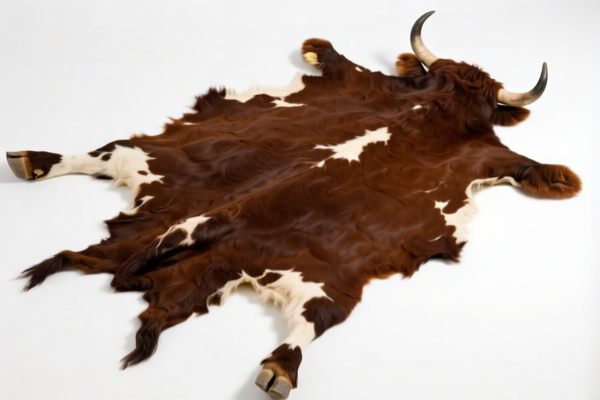
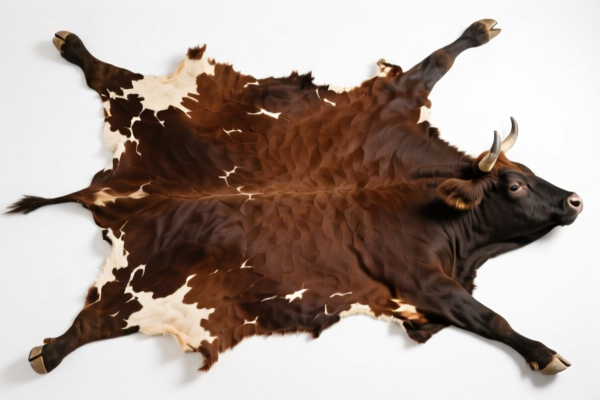
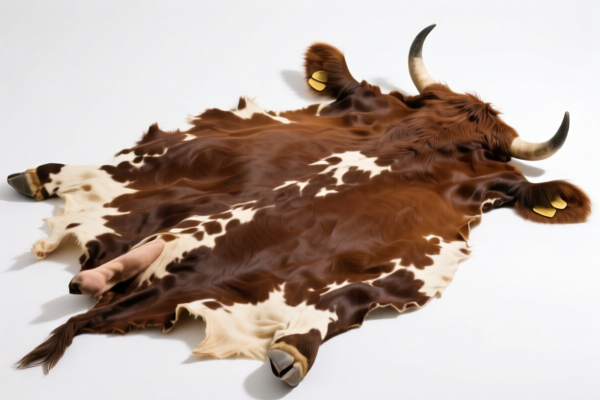
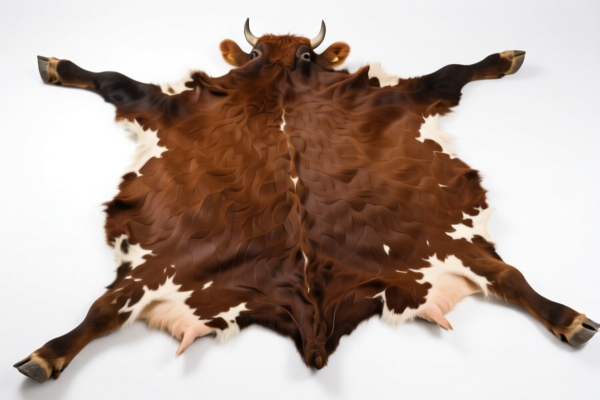
AI Analysis
🐮 Whole Bovine Hides (Raw Hides and Skins of Bovine Animals)
🌐 HS Code Reference & Customs Clearance Guide | 2026 Latest Tariff Full Analysis | Professional Clearance Strategy
📌 I. Product Definition and Classification: Do You Really Understand "Raw Bovine Hides"?
Raw bovine hides are the foundational material for the global leather industry. In international trade, they are strictly regulated as "Not Tanned, Parchment-Dressed or Further Prepared." Even if they are salted, dried, limed, or pickled for preservation, they remain in Chapter 41 until the tanning process begins.
They are categorized primarily by weight and state (fresh/dry/salted):
Lightweight Hides (Under Thresholds):
- Weight ≤ 8 kg (when simply dried)
- Weight ≤ 10 kg (when dry-salted)
- Weight ≤ 16 kg (when fresh, wet-salted, or otherwise preserved)
Heavyweight Hides (Over Thresholds):
- Weight > 16 kg (all conditions)
⚠️ Critical Distinction Point:
- If the hide is untanned and fits the weight criteria below 8kg/10kg/16kg → Classified under 4101.20.10.10
- If the hide is untanned and exceeds 16 kg (or exceeds specific limits for cattle specifically) → Classified under 4101.50.10.10
- Note: "Cattle" refers to domestic cattle (Bos taurus). Buffalo and equine animals have separate sub-headings not included in this specific set.
📦 II. HS Code Classification Details (2026 Latest Tariff Authority对照)
| HS Code | Product Description | Application Scenario | Weight Condition |
|---|---|---|---|
4101.20.10.10 |
Raw hides of bovine animals, not pretanned, whole/unsplit | Light raw hides, salted, or dried hides below weight limits | ≤ 8 kg (dry), ≤ 10 kg (dry-salted), ≤ 16 kg (fresh/wet-salted) |
4101.50.10.10 |
Raw hides of bovine animals (Cattle), not pretanned, whole | Heavy raw hides, typically large full hides or cattle specifically | > 16 kg (or exceeding other threshold limits for cattle) |
🔍 Key Reminder:
- Both codes apply only to Whole Hides (Unsplit). If the hide is split into layers (grain layer vs. flesh layer), it falls under different HS codes (e.g., 4104/4105 series).
- Both codes apply to Not Pretanned hides. If pre-tanned, they move to Chapter 41.03.
- The distinction is purely based on weight and species (Bovine vs. Other).
💰 III. 2026 Latest Tariff Rate Detailed Breakdown
✅ Applicable Country: United States (US)
✅ Origin: China (CN) (Based on the "Additional Tariff" context in data)
✅ Effective Time: Current Trade War Tariffs Apply
🎯 1. 4101.20.10.10 —— Raw Bovine Hides (Light/Small Weight)
| Item | Content |
|---|---|
| Base Duty Rate | 0.0% (ad valorem) |
| Additional Tariff (Section 301 / IEEPA) | +7.5% |
| Total Tax Rate | 7.5% |
| Tax Calculation | CIF Value × 7.5% |
| De Minimis Exemption | ❌ Not Eligible (Typically, raw hides/leather are excluded from de minimis benefits in many jurisdictions, especially US. Note: Specific 800/861/864 rules apply, but generally raw agricultural/animal products face strict inspection and higher scrutiny.) |
| Legal Basis Path | HTSUS:4101.20.10.10 → USITC Footnote: Additional Tariff on Chinese Goods |
📌 Explanation:
- The 0.0% base rate reflects theMFN (Most Favored Nation) standard duty for raw hides.
- The 7.5% additional tariff is the standard Section 301/IEEPA penalty applied to many Chinese-origin goods, including raw hides.
- Total Cost Impact: You pay only the 7.5% additional duty on top of zero base duty. This is relatively low compared to manufactured goods, but logistics and inspection costs are high.
🎯 2. 4101.50.10.10 —— Raw Bovine Hides (Cattle/Heavy Weight)
| Item | Content |
|---|---|
| Base Duty Rate | 0.0% (ad valorem) |
| Additional Tariff (Section 301 / IEEPA) | +7.5% |
| Total Tax Rate | 7.5% |
| Tax Calculation | CIF Value × 7.5% |
| De Minimis Exemption | ❌ Not Eligible |
| Legal Basis Path | HTSUS:4101.50.10.10 → USITC Footnote: Additional Tariff on Chinese Goods |
📌 Note:
- The tax structure is identical to the lightweight hides.
- Whether the hide is heavy or light, if it is Raw, Untanned, Bovine, and from China, the tariff remains 7.5%.
- Do not assume heavier hides pay more duty; the rate is flat. However, the value is higher, so the absolute dollar amount of tax will be higher.
🛠️ IV. Customs Clearance Practical Advice (Battle-Tested Pitfall Guide)
✅ 1. Required Documentation Checklist (None Can Be Missing)
| Document | Mandatory? | Explanation |
|---|---|---|
| ✅ Commercial Invoice | ✔️ | Must clearly state "Raw Bovine Hides," Weight, and Condition (Fresh/Salted/Dried). |
| ✅ Packing List | ✔️ | Must detail weight per skin or total weight, and number of skins. |
| ✅ Veterinary Certificate | ✔️ | CRITICAL: Proof that hides are free from Foot-and-Mouth Disease (FMD) and other contagious animal diseases. |
| ✅ Health Certificate | ✔️ | Issued by the exporting country's veterinary authority. |
| ✅ Salt Preservation Proof | ✔️ | If wet-salted, documentation of salt content may be required to prove preservation method. |
| ✅ Is It Split? | ✔️ | Explicitly declare "Whole, Unsplit" to avoid misclassification into split hides codes. |
✅ 2. Declaration Techniques (Key Mnemonics)
🔥 "Raw & Untanned, Weight Defines the Line, Vet Cert is King, Split Changes Everything!"
| Scenario | Correct Declaration | Incorrect Action |
|---|---|---|
| Fresh Cowhide, 15kg | 4101.20.10.10 |
Misdeclare as >16kg → 4101.50.10.10 (No tax difference, but wrong description) |
| Salted Cowhide, 12kg | 4101.20.10.10 |
Declare as "Leather" → Denied Entry (Not tanned yet) |
| Split Cowhide | 4104.10... or 4105.10... |
Declare as 4101... → Seizure/Fine (Misclassification) |
| Tanned Cowhide | 4106... |
Declare as 4101... → Misclassification |
✅ 3. Special Handling Cases
| Case | Handling Advice |
|---|---|
| Smell/Health Inspection | Raw hides are subject to strict USDA (US Department of Agriculture) inspection. Ensure no visible blood, hair, or dirt. Salting must be uniform. |
| Wet-Salted vs. Dry-Salted | Wet-salted hides are heavier and risk spoilage during transit. Declare exact salt content if requested. Dry-salted are lighter but may be brittle. |
| Buffalo vs. Cattle | The provided specifies Bovine (Cattle). Buffalo hides have different HS codes. If mixed, declare separately to avoid errors. |
| Origin Labeling | Clearly mark "Product of [Country]." Mislabeling origin can trigger higher tariffs or bans. |
🌍 V. Global Major Market Customs Comparison (2026 Latest)
| Country/Region | Recommended HS Code | Tariff (China Origin) | Certification/Inspection | Notes |
|---|---|---|---|---|
| 🇺🇸 USA | 4101.20.10.10 / 4101.50.10.10 |
7.5% (Total) | USDA Veterinary Cert | High inspection scrutiny for disease. |
| 🇨🇳 China | 4101.20.10.10 / 4101.50.10.10 |
0% - 5% (Varies) | CIQ Inspection | Import duties may be lower if not subject to retaliation. |
| 🇪🇺 EU | 4101.20 / 4101.50 |
0% (Often) | Veterinary Health Cert | Strict animal welfare and disease controls. |
| 🇦🇺 Australia | 4101.20 / 4101.50 |
5% | Biosecurity Permit | Extremely strict biosecurity (DAFF). |
📌 Conclusion:
- Tariff Rate: The US tariff of 7.5% is moderate for raw materials, but the non-tariff barriers (veterinary certificates, inspections) are the real cost drivers.
- USA: Ensure your Veterinary Certificate is flawless. Any sign of disease leads to immediate rejection.
- EU/Australia: Similar strictness on biosecurity, but tariffs may be 0% under certain FTAs or MFN rates.
📌 VI. Common Mistakes & Pitfall Guide (Blood & Tears Lessons)
❌ Mistake 1: Declaring "Leather" instead of "Raw Hides"
👉 Consequence: Customs will reject the entry because it is not tanned. Return or Destroy.
❌ Mistake 2: Ignoring the Weight Thresholds
👉 Consequence: While the tax is the same (7.5%), misdeclaring weight can trigger audits. If a 17kg hide is declared as 15kg, it looks like fraud. Be precise.
❌ Mistake 3: Missing the Veterinary Certificate
👉 Consequence: USDA Rejection. The shipment will be refused entry. This is the #1 reason for raw hide delays.
❌ Mistake 4: Confusing "Bovine" with "Equine" or "Buffalo"
👉 Consequence: Wrong HS code. While tax might be similar, the regulatory requirements for different species can vary.
✅ Correct Practice:
"Raw Whole Bovine Hides, Salted, Untanned, Unsplit, Product of China, Net Weight 500kg, Veterinary Certificate No. XYZ123"
🎯 VII. Conclusion: Professional Clearance, Save Time, Reduce Costs!
🎯 Remember the Mnemonic:
🔹 "Raw & Untanned, Weight Defines the Line."
🔹 "Vet Cert is King, No Cert, No Entry."
🔹 "7.5% Tax is Low, but Inspections are High."
📌 Pro Tip:
- If you are importing small quantities (e.g., sample hides), check if they qualify for De Minimis (Section 321). However, animal products are often excluded from de minimis entry due to USDA restrictions. Always verify with your customs broker.
- Pre-clearance: Obtain the USDA Import Permit (if required for your specific region of origin) BEFORE shipping.
📣 Immediate Action:
📞 Contact your Customs Broker + Provide Veterinary Certificate + Verify Weight & Condition
🚀 Let your hides pass USDA inspection smoothly, avoid delays, and keep your leather supply chain moving!
✨ Professional Clearance Starts with Precise Classification!
💼 Your every pound of hide, deserves accurate declaration!
Customer Reviews
About HS Code Classification
The Harmonized System (HS) is an internationally standardized nomenclature developed by the World Customs Organization (WCO) to classify traded products. Over 200 countries use the HS system as the basis for customs tariffs, trade statistics, and import/export regulations.
Each HS code follows a hierarchical structure:
- Chapter (2 digits) — Broad category of goods (e.g., Chapter 84: Machinery and Mechanical Appliances)
- Heading (4 digits) — More specific grouping within the chapter
- Subheading (6 digits) — Internationally standardized breakdown, used by all WCO member countries
- National subdivisions (8-10 digits) — Country-specific extensions for further classification, such as US HTSUS 10-digit codes
Correct HS code classification is essential for smooth customs clearance, accurate duty payment, and compliance with trade regulations. Misclassification can lead to customs delays, overpayment of duties, or penalties.
When importing from CN to US, the applicable tariff rates may include:
- Most-Favored-Nation (MFN) rate — The standard duty rate applied to WTO members
- General rate — Applied to countries without trade agreements
- Trade remedy duties — Additional tariffs such as Section 301 (anti-dumping), Section 232 (national security), or countervailing duties
The information provided on this page is for reference purposes only. For official classification, please consult with your local customs authority or a licensed customs broker.