whole mink skin with claws
CN → US| HS Code | Tariff Rate | Origin | Destination | Doc |
|---|---|---|---|---|
| 4103901190 | 17.5% | CN | US | Official Doc |
| 4302110010 | 37.1% | CN | US | Official Doc |
| 4302110020 | 37.1% | CN | US | Official Doc |
| 4301900000 | 10.0% | CN | US | Official Doc |
| 4301800260 | 17.5% | CN | US | Official Doc |
Product Images
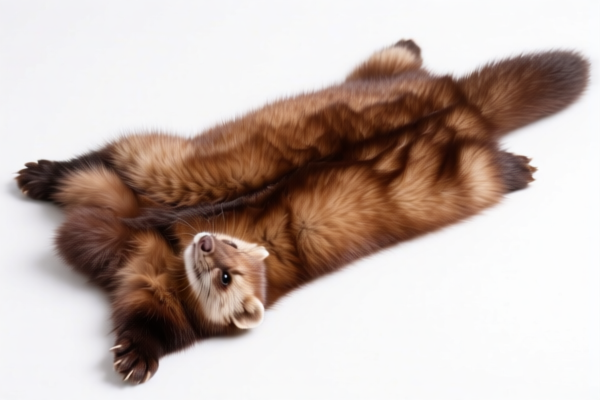
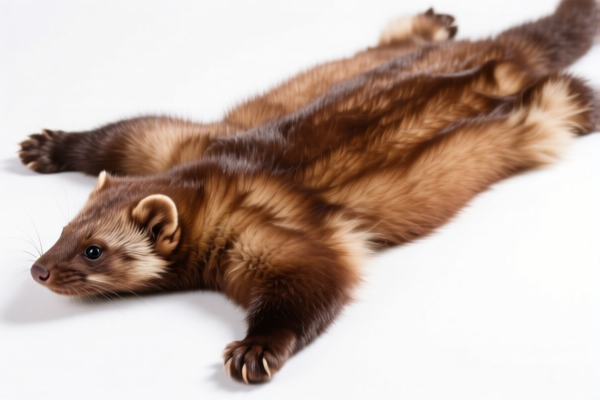
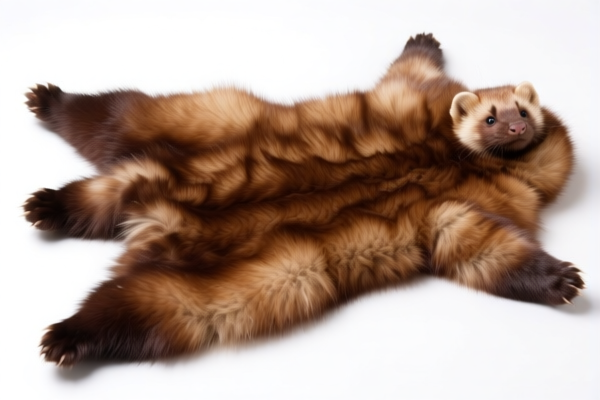
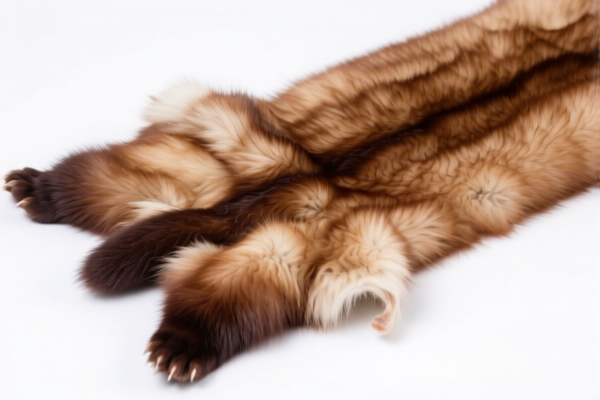
AI Analysis
🦊 Whole Mink Skin with Claws (Whole Mink Skin with Claws)
🌐 HS Code Reference & Customs Clearance Guide | 2026 Latest Tariff Analysis | Professional Clearance Strategy
📌 I. Product Definition & Classification: Do You Truly Understand "Whole Mink Skin"?
Whole Mink Skin (specifically Minks) is a high-value raw material in the global fur industry. In international trade, it is strictly divided based on its processing state and composition. The presence of claws, head, and tail significantly impacts its classification under the Harmonized System (HS).
Raw Skins (Unprocessed): * Unguentiated/Tanned Skins: Skins that have been salted, dried, or lightly processed but not fully tanned into leather. * Specifically "With Claws": The inclusion of claws (and often head/tail) often shifts classification from general fur categories to specific wild animal categories.
Processed Skins (Tanned/Prepared): * Tanned Skins: Skins that have undergone the full tanning process, making them durable and suitable for garment manufacturing. * Unassembled: Tanned skins that have not yet been sewn into garments or panels.
⚠️ Key Distinction Point:
- Raw/Salted Mink Skins → Generally fall under Chapter 41 (Raw Hides and Skins) or Chapter 43 (Furskins) depending on specific preparation. Note: In the provided data, raw mink is classified under Chapter 41. - Tanned Mink Skins → Fall under Chapter 43 (Furskins and articles thereof). - Wild vs. Farmed: "Mink" usually refers to farmed mink (Neovison vison). "Sable" (Zi Mao) refers to wild/marten species. This distinction is critical for tariff rates.
📦 II. HS Code Classification Details (2026 Latest Tariff Authority Comparison)
| HS Code | Product Description | Applicable Scenario | Tax Rate (China Origin to US) |
|---|---|---|---|
4103.90.11.90 |
Whole Mink Skin with Claws (Raw/Unguentiated) | Raw fur, salted/dried, includes claws, not yet tanned. | 17.5% |
4302.11.00.10 |
Whole Mink Skin (With Head), Before Tanning | Raw skins, includes head, processed but not tanned for leather use. | 37.1% |
4302.11.00.20 |
Whole Mink Skin (With Head), Tanned but Unassembled | Tanned fur, includes head, not yet cut/sewn into goods. | 37.1% |
4301.90.00.00 |
Whole Sable Skin with Claws (Wild) | Wild Sable (Zi Mao), includes head, tail, claws. High-value wild fur. | 10.0% |
4301.80.02.60 |
Whole Sable Skin with Claws (Complete) | Wild Sable, complete with claws. Distinct from farmed mink. | 17.5% |
🔍 Critical Reminder:
- "Mink" (Farmed) vs. "Sable" (Wild): The data distinguishes between Mink (Chapters 41/43.02) and Sable/Zi Mao (Chapter 43.01). Do not confuse them. - "With Claws": This feature is explicitly highlighted. Ensure the physical goods match the description. If claws are removed, the HS code may change. - "Head Included": Skins4302.11.00.10and.20specifically require the head to be present.
💰 III. 2026 Latest Tariff Rate Breakdown (Including Additional Taxes & Policy Add-ons)
✅ Applicable Country: USA (US)
✅ Origin: China (CN)
✅ Effective Date: November 10, 2025 (and subsequent imports)
🎯 1. 4103.90.11.90 — Whole Mink Skin with Claws (Raw)
| Item | Content |
|---|---|
| Base Duty Rate | 0.0% (ad valorem) |
| Additional Tariff (Section 301) | +7.5% |
| IEEPA Tariff (Section 122) | +10.0% |
| Total Duty Rate | 17.5% |
| Tax Calculation | CIF Value × 17.5% |
| De Minimis Exemption | ❌ Not Eligible (Deny de minimis applies to Section 301/IEEPA goods) |
| Legal Basis Path | IEEPA:9903.01.24 → USITC:4103.90.11.90 → FOOTNOTE:9903.88.01 |
📌 Explanation:
- Raw mink skins with claws are considered less processed than tanned furs. - The base rate is 0%, but additional tariffs push the total to 17.5%. - Crucial: If declared incorrectly as "Tanned," the rate jumps to 37.1%.
🎯 2. 4302.11.00.10 — Whole Mink Skin (With Head), Before Tanning
| Item | Content |
|---|---|
| Base Duty Rate | 2.1% |
| Additional Tariff (Section 301) | +25.0% |
| IEEPA Tariff (Section 122) | +10.0% |
| Total Duty Rate | 37.1% |
| Tax Calculation | CIF Value × 37.1% |
| De Minimis Exemption | ❌ Not Eligible |
| Legal Basis Path | IEEPA:9903.01.24 → USITC:4302.11.00.10 → FOOTNOTE:9903.88.01 |
📌 Note:
- Higher base duty (2.1%) due to being classified under Chapter 43 (Furskins) rather than Chapter 41. - High additional tariffs make this category significantly more expensive.
🎯 3. 4302.11.00.20 — Whole Mink Skin (With Head), Tanned but Unassembled
| Item | Content |
|---|---|
| Base Duty Rate | 2.1% |
| Additional Tariff (Section 301) | +25.0% |
| IEEPA Tariff (Section 122) | +10.0% |
| Total Duty Rate | 37.1% |
| Tax Calculation | CIF Value × 37.1% |
| De Minimis Exemption | ❌ Not Eligible |
| Legal Basis Path | IEEPA:9903.01.24 → USITC:4302.11.00.20 → FOOTNOTE:9903.88.01 |
📌 Note:
- Same rate as raw-with-head. The key is that it is Tanned but Unassembled. - Do not confuse with4302.19(other tanned furs) which may have different rates, but this specific code is for "Whole Mink with Head."
🎯 4. 4301.90.00.00 — Whole Sable Skin with Claws (Wild)
| Item | Content |
|---|---|
| Base Duty Rate | 0.0% |
| Additional Tariff (Section 301) | 0.0% |
| IEEPA Tariff (Section 122) | +10.0% |
| Total Duty Rate | 10.0% |
| Tax Calculation | CIF Value × 10.0% |
| De Minimis Exemption | ❌ Not Eligible |
| Legal Basis Path | IEEPA:9903.01.24 → USITC:4301.90.00.00 → FOOTNOTE:9903.88.01 |
📌 Important:
- This is Sable (Wild), not Mink (Farmed). - Base and Section 301 tariffs are 0%, only the 10% IEEPA applies. - This is the lowest tax rate among the listed codes, but strict proof of "Sable" origin is required.
🎯 5. 4301.80.02.60 — Whole Sable Skin with Claws (Complete)
| Item | Content |
|---|---|
| Base Duty Rate | 0.0% |
| Additional Tariff (Section 301) | +7.5% |
| IEEPA Tariff (Section 122) | +10.0% |
| Total Duty Rate | 17.5% |
| Tax Calculation | CIF Value × 17.5% |
| De Minimis Exemption | ❌ Not Eligible |
| Legal Basis Path | IEEPA:9903.01.24 → USITC:4301.80.02.60 → FOOTNOTE:9903.88.01 |
📌 Note:
- Another Sable classification, but with a 7.5% Section 301 tariff. - Total rate is 17.5%, same as raw mink with claws, but different legal basis.
🛠️ IV. Customs Clearance Practical Advice (Real-World Pitfall Avoidance)
✅ 1. Required Documentation Checklist (Non-Negotiable)
| Document | Must Provide | Explanation |
|---|---|---|
| ✅ Product Specification Sheet | ✔️ | Must specify: Species (Mink vs. Sable), Processing State (Raw/Tanned), Parts Included (Head/Claws/Tail). |
| ✅ Product Photos | ✔️ | Clear images showing claws, head, and overall skin condition. |
| ✅ Commercial Invoice | ✔️ | Must explicitly state: "Whole Mink/Sable Skin with Claws, [Raw/Tanned], No Garments." |
| ✅ Packing List | ✔️ | Detailed count of skins, weights, and dimensions. |
| ✅ Origin Certificate | ✔️ | Proves origin is China (if applicable). |
| ✅ CITES Permit (If Applicable) | ✔️ | Critical for Sable/Wild Species. If CITES applies, clearance will be halted without permits. |
| ✅ Tanning Certificate (If Tanned) | ✔️ | Proves processing state to distinguish from raw skins. |
✅ 2. Declaration Tips (Key Mantras)
🔥 "Species Clear, State Precise, Claws Included, Tax Right!"
| Scenario | Correct Declaration | Wrong Practice |
|---|---|---|
| Raw Mink with Claws | 4103.90.11.90 - "Whole Mink Skin, Salted, with Claws" |
Declaring as Tanned Fur → 37.1% |
| Tanned Mink with Head | 4302.11.00.20 - "Tanned Mink Skin, Whole, with Head, Unassembled" |
Declaring as Raw → 17.5% |
| Wild Sable | 4301.90.00.00 - "Whole Sable Skin, Wild, with Claws" |
Declaring as Mink → 17.5% or higher |
| Garments Made from Skins | Not Listed in Data | Declaring skins as garments → Wrong HS Code |
⚠️ Warning:
- Mink vs. Sable: Misdeclaring Sable as Mink can lead to severe penalties due to wildlife protection laws (CITES). - Claws: If claws are removed, the description "with Claws" is false, leading to fraud allegations.
✅ 3. Special Situation Handling
| Situation | Handling Advice |
|---|---|
| Mixed Shipments (Mink + Sable) | Must be separated and declared individually. Mixed declarations will cause delays. |
| Partial Skins (No Head) | Does not fit 4302.11.00.10/.20. Must be classified under other subheadings (not listed in data). |
| CITES Compliance | Sable (Zi Mao) is often CITES-listed. Ensure all permits are obtained before shipment. |
| Raw vs. Tanned Ambiguity | If unsure, provide chemical treatment certificates to prove processing state. |
🌍 V. Global Main Market Clearance Comparison (2026 Latest)
| Country/Region | Recommended HS Code | Duty Rate (China Origin) | Certification Requirements | Notes |
|---|---|---|---|---|
| 🇺🇸 USA | 4103.90.11.90 / 4302.11.00.20 / 4301.90.00.00 |
10% - 37.1% | CITES (if wild), FDA (if treated with chemicals) | High additional tariffs. |
| 🇨🇳 China | 4103.90.11.90 / 4302.11.00.20 |
See Local Tariff | N/A | Export from China may have different rules. |
| 🇪🇺 EU | 4103.90.90 / 4302.11 |
Varies (Often 0-6%) | CITES, REACH | Strict wildlife regulations. |
| 🇬🇧 UK | 4103.90 / 4302.11 |
Varies (Often 0-6%) | CITES, UKCA | Post-Brexit rules apply. |
| 🇨🇦 Canada | 4103.90 / 4302.11 |
Varies | CITES | NAFTA/USMCA does not apply to furs. |
📌 Conclusion:
- USA has the most complex tariff structure with additional Section 301 and IEEPA tariffs. - CITES is critical for Sable and other wild furs. - Mink is generally farmed and less restricted by CITES, but tariffs are higher.
📌 VI. Common Errors & Pitfall Guide (Blood & Tears Lessons)
❌ Error 1: Declaring "Tanned Mink" as "Raw Mink" to save tax.
👉 Consequence: Customs may reject the declaration or impose fines for misclassification.
❌ Error 2: Declaring "Sable" as "Mink" to avoid CITES checks.
👉 Consequence: Severe penalties, confiscation, and legal action for wildlife trade violations.
❌ Error 3: Omitting "With Claws" in the description.
👉 Consequence: If claws are present but not declared, it may be seen as incomplete documentation.
❌ Error 4: Using "Fur Garment" for raw skins.
👉 Consequence: Wrong HS Code, incorrect duty rate, and potential detention.
✅ Correct Practice:
"Whole Mink Skin, Raw, Salted, with Claws and Head, HS 4103.90.11.90"
OR
"Whole Sable Skin, Tanned, with Claws, HS 4301.90.00.00"
🎯 VII. Conclusion: Professional Declaration, Save Time and Money!
🎯 Remember the Mantra:
🔹 "Species First, State Second, Claws Included, Tax Calculated Right!"
🔹 "Mink is Farmed, Sable is Wild, Tax Rates Differ, Don't Mix Them Up!"
📌 Tips:
- If your fur originates from Vietnam, Mexico, Thailand, or Malaysia, you may be eligible for IEEPA exemptions, reducing taxes to 0%~17.5%.
- Apply for Advance Rulings if your shipment is high-value to avoid clearance risks.
📣 Immediate Action:
📞 Contact a professional customs broker + Provide Product Photos + Apply for HS Code Advance Ruling
🚀 Ensure your furs clear customs smoothly, efficiently, and profitably!
✨ Professional Customs Clearance Starts with Accurate Classification!
💼 Every cent of your cost deserves precise calculation!
Customer Reviews
About HS Code Classification
The Harmonized System (HS) is an internationally standardized nomenclature developed by the World Customs Organization (WCO) to classify traded products. Over 200 countries use the HS system as the basis for customs tariffs, trade statistics, and import/export regulations.
Each HS code follows a hierarchical structure:
- Chapter (2 digits) — Broad category of goods (e.g., Chapter 84: Machinery and Mechanical Appliances)
- Heading (4 digits) — More specific grouping within the chapter
- Subheading (6 digits) — Internationally standardized breakdown, used by all WCO member countries
- National subdivisions (8-10 digits) — Country-specific extensions for further classification, such as US HTSUS 10-digit codes
Correct HS code classification is essential for smooth customs clearance, accurate duty payment, and compliance with trade regulations. Misclassification can lead to customs delays, overpayment of duties, or penalties.
When importing from CN to US, the applicable tariff rates may include:
- Most-Favored-Nation (MFN) rate — The standard duty rate applied to WTO members
- General rate — Applied to countries without trade agreements
- Trade remedy duties — Additional tariffs such as Section 301 (anti-dumping), Section 232 (national security), or countervailing duties
The information provided on this page is for reference purposes only. For official classification, please consult with your local customs authority or a licensed customs broker.