wig connector ring
CN → US| HS Code | Tariff Rate | Origin | Destination | Doc |
|---|---|---|---|---|
| 6704110000 | 17.5% | CN | US | Official Doc |
| 6704190000 | 17.5% | CN | US | Official Doc |
| 3926908500 | 24.0% | CN | US | Official Doc |
| 3926909989 | 22.8% | CN | US | Official Doc |
| 8308100000 | 0.0% | CN | US | Official Doc |
Product Images
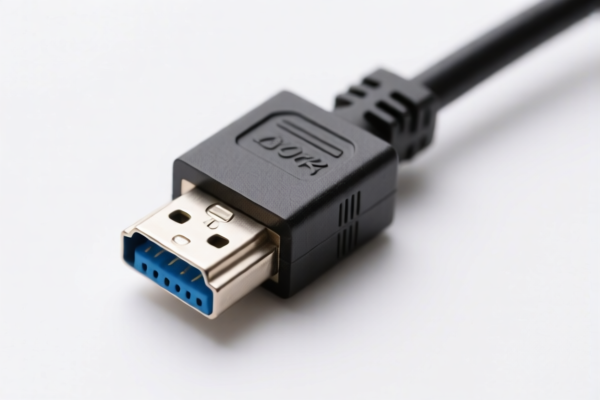
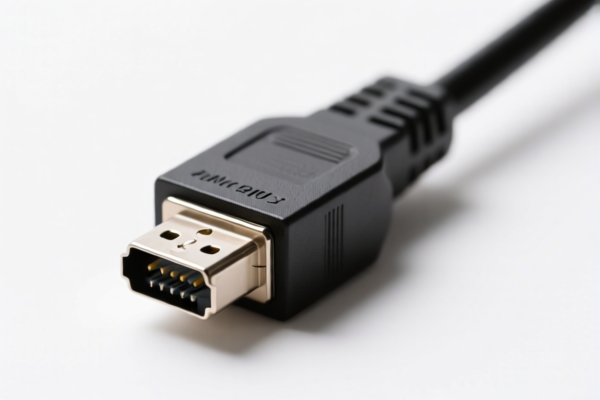
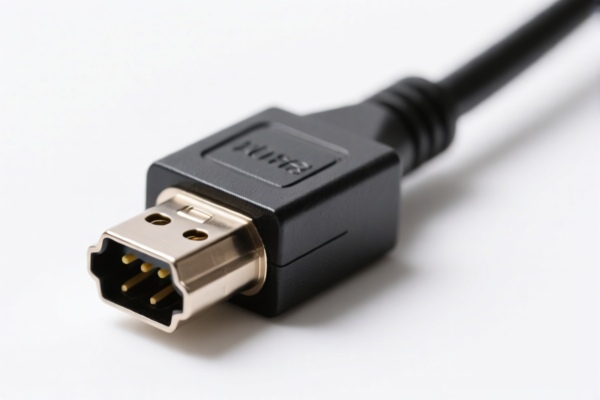
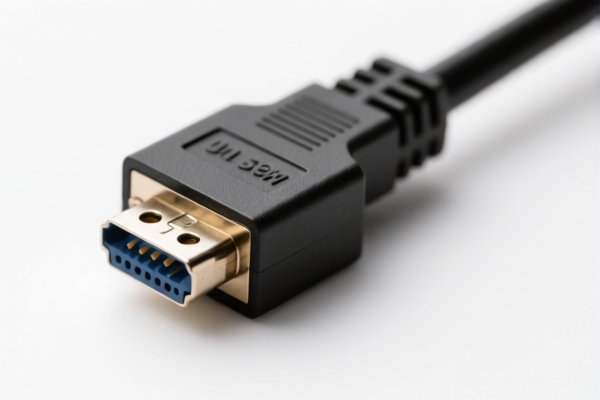
AI Analysis
👩🦱 Wig Connector Ring (假发连接环)
🌐 HS Code Reference & Customs Clearance Guide | 2024 Latest Tariff Analysis | Professional Clearance Strategy
📌 I. Product Definition & Classification: What Exactly is a "Wig Connector Ring"?
A Wig Connector Ring is a critical accessory in the hairpiece and wig industry. Its classification depends entirely on its material composition and functional role. It is not a monolithic product; customs authorities distinguish between the wig itself (hair), the hairpiece attachments, and the hardware used to secure them.
⚠️ Key Distinction Points:
- If the product is part of the wig/hairpiece (e.g., synthetic hair loops, hair weft ties) → It falls under Chapter 67 (Wigs, False Hair).
- If the product is a standalone hardware component made of plastic → It falls under Chapter 39 (Plastics).
- If the product is a standalone hardware component made of base metal (e.g., hooks, eyelets) → It falls under Chapter 83 (Base Metal Articles).
📦 II. HS Code Classification Matrix (2024 Latest Tariff Authority)
Based on the specific material and form of the "Wig Connector Ring," here are the four possible classifications:
| HS Code | Product Description | Applicable Scenario | Material Basis |
|---|---|---|---|
6704.19.00.00 |
Synthetic Wig Rings | Synthetic hair loops, wig hair bundles, or hairpiece components made of synthetic textile materials | Synthetic Textiles |
6704.11.00.00 |
Human Hair/Textile Hairpiece Accessories | Hairpiece attachments, hair wefts, or rings made of textile materials or human hair | Textiles / Human Hair |
3926.90.85.00 |
Plastic Connector Rings (Specialized) | Standalone connector rings/nuts for hairpieces, made of plastic or composite materials, classified as specialized parts | Plastic / Composite |
3926.90.99.89 |
Other Plastic Articles | General plastic connector rings not specifically categorized elsewhere, standard plastic manufacturing | Plastic |
8308.10.00.00 |
Base Metal Hooks & Eyelets | Metal connector rings, hooks, or eyelets used to attach hairpieces, made of base metal (e.g., steel, iron, non-precious) | Base Metal |
🔍 Critical Note:
- Misclassification Risk: Do not declare plastic/metal hardware as "Hair" (Chapter 67). If it is purely a connector (hardware) and not hair, it must be declared under Chapter 39 or 83.
- Hybrid Products: If the ring is inseparably attached to synthetic hair, it may be classified under6704.19.00.00. If it is a loose metal clip sold separately, it is8308.10.00.00.
💰 III. 2024 Latest Tariff Rate Breakdown (Including Additional Duties)
✅ Applicable Country: United States (US)
✅ Country of Origin: China (CN)
✅ Effective Time: Current policies (Section 301 & IEEPA 122)
🎯 1. 6704.19.00.00 & 6704.11.00.00 —— Synthetic/Human Hair Rings & Attachments
| Item | Content |
|---|---|
| Basic Tariff | 0.0% (Ad Valorem) |
| Section 301 Additional Duty | +7.5% |
| IEEPA Section 122 Duty | +10.0% (Targeting Chinese synthetic/textile products) |
| Total Effective Rate | 17.5% |
| Calculation Method | CIF Value × 17.5% |
| De Minimis Eligibility | ❌ NO (Deny de minimis) |
| Legal Reference Path | IEEPA:9903.01.24 (Section 122) → USITC:6704.11/19 → Section 301: 9903.88.01 |
📌 Explanation:
- These codes cover the hair product itself (including synthetic loops used as connectors).
- The 17.5% total includes the standard Section 301 duty and the specific IEEPA Section 122 tariff on synthetic textile/hair products from China.
- High Alert: Even though the basic duty is 0%, the 17.5% landed cost impact is significant.
🎯 2. 3926.90.85.00 —— Plastic Connector Rings (Specialized)
| Item | Content |
|---|---|
| Basic Tariff | 6.5% |
| Section 301 Additional Duty | +7.5% |
| IEEPA Section 122 Duty | +10.0% |
| Total Effective Rate | 24.0% |
| Calculation Method | CIF Value × 24.0% |
| De Minimis Eligibility | ❌ NO (Deny de minimis) |
| Legal Reference Path | IEEPA:9903.01.24 → USITC:3926.90.85 → Section 301 |
📌 Explanation:
- This code applies if the connector ring is a standalone plastic part not considered part of the hair assembly.
- The higher total tax (24%) compared to hair products (6704) is due to the 6.5% basic duty on general plastics, plus the same additional tariffs.
🎯 3. 3926.90.99.89 —— Other Plastic Articles
| Item | Content |
|---|---|
| Basic Tariff | 5.3% |
| Section 301 Additional Duty | +7.5% |
| IEEPA Section 122 Duty | +10.0% |
| Total Effective Rate | 22.8% |
| Calculation Method | CIF Value × 22.8% |
| De Minimis Eligibility | ❌ NO (Deny de minimis) |
| Legal Reference Path | IEEPA:9903.01.24 → USITC:3926.90.99 → Section 301 |
📌 Explanation:
- This is a "catch-all" for plastic items if3926.90.85.00is deemed too specific or incorrect by CBP.
- Slightly lower than85.00due to a lower basic duty (5.3% vs 6.5%), but still heavily impacted by Section 301/122.
🎯 4. 8308.10.00.00 —— Base Metal Hooks & Eyelets
| Item | Content |
|---|---|
| Basic Tariff | 1.1¢/kg + 2.9% (Specific + Ad Valorem) |
| Section 301 Additional Duty | +25.0% |
| IEEPA Section 122 Duty | +10.0% |
| Total Effective Rate | 1.1¢/kg + 37.9% (approx.) |
| Calculation Method | (1.1¢/kg) + (CIF Value × 2.9%) + Additional Duties |
| De Minimis Eligibility | ❌ NO (Deny de minimis) |
| Legal Reference Path | IEEPA:9903.01.24 → USITC:8308.10.00 → Section 301 |
📌 Explanation:
- This applies only if the connector ring is made of base metal (e.g., steel, iron, aluminum) and resembles a hook, eye, or clasp.
- High Complexity: The tax structure is mixed (specific + ad valorem) and the Section 301 rate is 25% (higher than the 7.5% for plastics/hair).
- Warning: This is often the most expensive classification for metal hardware unless the specific duty is negligible due to low weight.
🛠️ IV. Customs Clearance Operational Advice (Practical Pitfall Guide)
✅ 1. Documentation Checklist (Mandatory)
| Document | Required? | Description |
|---|---|---|
| ✅ Product Specification Sheet | ✔️ | Must clearly state: Material (Plastic/Metal/Synthetic), Function (Connector/Attachment), and Dimensions. |
| ✅ High-Resolution Photos | ✔️ | Show the ring isolated (to prove it's a hardware part) AND attached to hair (to prove it's part of the wig). |
| ✅ Bill of Materials (BOM) | ✔️ | If sold as a kit, specify if the ring is sold separately or with the wig. |
| ✅ Commercial Invoice | ✔️ | Description must be precise: e.g., "Plastic Wig Connector Rings, HS 3926.90.85" NOT just "Wig Accessories." |
| ✅ HS Code Justification Letter | ✔️ | Explain why the chosen HS code applies (e.g., "Product is 100% ABS Plastic, used as a mechanical fastener"). |
✅ 2. Classification Strategy (Key Mantras)
🔥 “Material Defines Code, Function Defines Duty!”
| Scenario | Correct HS Code | Risk if Misclassified |
|---|---|---|
| Loose Plastic Rings sold separately | 3926.90.85.00 or 3926.90.99.89 |
If declared as Hair (6704) → Undervaluation/Rejection because plastic is not hair. |
| Loose Metal Hooks/Rings | 8308.10.00.00 |
If declared as Plastic → Undervaluation (Basic duty 2.9% vs 25% Sec 301). |
| Synthetic Hair Loops (integrated) | 6704.19.00.00 |
If declared as Plastic → Overpayment? No, usually underpaid tax if plastic is 24% vs hair 17.5%. But CBP may reject non-hair in hair code. |
| Human Hair Ties/Rings | 6704.11.00.00 |
Must provide proof of human hair content (e.g., burn test report). |
✅ 3. Special Handling Tips
| Situation | Advice |
|---|---|
| Composite Materials (e.g., Plastic ring with Metal clasp) | CBP will likely classify based on the essential character. If the metal clasp is the primary function, use 8308. If the plastic body is dominant, use 3926. |
| De Minimis (Section 321) | ⛔ AVOID: Do NOT ship these items under $800 (de minimis). All four HS codes above are excluded from de minimis due to Section 301 and IEEPA. You must file a formal entry. |
| Labeling | Ensure packages label the material correctly: "100% Synthetic Fiber" or "ABS Plastic" or "Stainless Steel." Vague labels like "Accessory" trigger audits. |
🌍 V. Global Market Comparison (2024 Snapshot)
| Country/Region | Recommended HS Code | Total Tariff (China Origin) | Key Requirements |
|---|---|---|---|
| 🇺🇸 USA | 3926.90.85.00 / 6704.19.00.00 |
17.5% - 24.0% | Formal Entry Required. No De Minimis. |
| 🇨🇳 China (Import) | 6704.19.00.00 |
~10-15% | Standard Import Declaration. |
| 🇪🇺 EU | 6704.19.00.00 / 3926.90.99 |
~6-9% | CE Compliance (if marketed as beauty tool). |
| 🇬🇧 UK | 6704.19.00.00 |
~12-15% | Post-Brexit import rules apply. |
| 🇦🇺 Australia | 6704.19.00.00 |
~5% | Low base duty, but GST (10%) applies. |
📌 Conclusion:
- The US market is the most punitive for Wig Connectors due to Section 301 + IEEPA 122.
- Plastic connectors (3926) are taxed higher (24%) than Hair connectors (6704) (17.5%).
- Metal connectors (8308) are the most complex and potentially most expensive due to the 25% Section 301 rate.
📌 VI. Common Errors & Pitfalls (Lessons Learned)
❌ Error 1: Shipping Plastic Connectors via De Minimis (<$800)
👉 Consequence: Package seized, destroyed, or returned. Fine levied. Reason: Plastic hair accessories are explicitly excluded from Section 321.
❌ Error 2: Declaring Metal Hooks as "Plastic" to save tax
👉 Consequence: CBP border inspection reveals metal content. Re-classification to 8308 + 25% Sec 301 + Penalties.
❌ Error 3: Using generic term "Wig Parts" in Invoice
👉 Consequence: CBP issues a "Lack of Information" notice. Delay in clearance. Must provide material composition.
❌ Error 4: Assuming "Hair" code applies to Plastic Rings
👉 Consequence: Even if the tax rate is lower (17.5% vs 24%), CBP may reject 6704 for a plastic item, causing delays. Consistency is key.
✅ Correct Practice:
"ABS Plastic Wig Connector Rings, 5mm, Sold in Bulk, HS 3926.90.85.00"
🎯 VII. Conclusion: Precision in Classification Saves Money!
🎯 Remember the Mantra:
🔹 "Plastic is 24%, Hair is 17.5%, Metal is 37.9%!"
🔹 "No De Minimis! Formal Entry Required!"
🔹 "Material First, Function Second!"
📌 Pro Tip:
If you are sourcing from China, calculate the Landed Cost including the 17.5%-24% tariff before setting prices.
If volumes are high, consider applying for a Trade Compliance Audit or CBP Ruling to confirm the HS code for your specific product design.
📣 Immediate Action:
📞 Consult your customs broker with photos and material specs.
🚀 Do not rely on generic "Wig Accessory" descriptions.
📦 Ensure your Bill of Lading and Invoice match the declared HS Code exactly.
✨ Professional Clearance Starts with Accurate Classification!
💼 Every Percent of Tariff Counts in Your Profit Margin!
Customer Reviews
About HS Code Classification
The Harmonized System (HS) is an internationally standardized nomenclature developed by the World Customs Organization (WCO) to classify traded products. Over 200 countries use the HS system as the basis for customs tariffs, trade statistics, and import/export regulations.
Each HS code follows a hierarchical structure:
- Chapter (2 digits) — Broad category of goods (e.g., Chapter 84: Machinery and Mechanical Appliances)
- Heading (4 digits) — More specific grouping within the chapter
- Subheading (6 digits) — Internationally standardized breakdown, used by all WCO member countries
- National subdivisions (8-10 digits) — Country-specific extensions for further classification, such as US HTSUS 10-digit codes
Correct HS code classification is essential for smooth customs clearance, accurate duty payment, and compliance with trade regulations. Misclassification can lead to customs delays, overpayment of duties, or penalties.
When importing from CN to US, the applicable tariff rates may include:
- Most-Favored-Nation (MFN) rate — The standard duty rate applied to WTO members
- General rate — Applied to countries without trade agreements
- Trade remedy duties — Additional tariffs such as Section 301 (anti-dumping), Section 232 (national security), or countervailing duties
The information provided on this page is for reference purposes only. For official classification, please consult with your local customs authority or a licensed customs broker.