window sealing strip
CN → US| HS Code | Tariff Rate | Origin | Destination | Doc |
|---|---|---|---|---|
| 4016935050 | 37.5% | CN | US | Official Doc |
| 4016996050 | 37.5% | CN | US | Official Doc |
| 3926904590 | 38.5% | CN | US | Official Doc |
| 3926909989 | 22.8% | CN | US | Official Doc |
| 3926904510 | 38.5% | CN | US | Official Doc |
Product Images
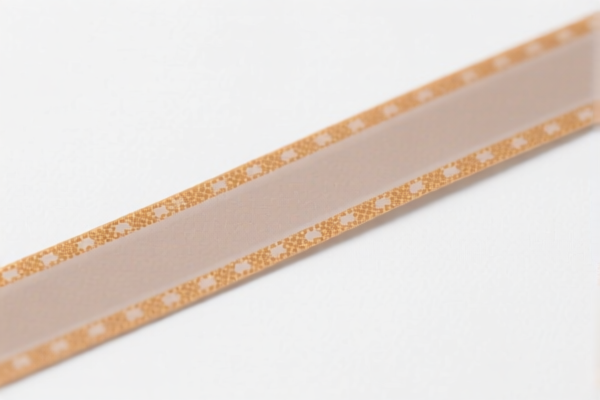
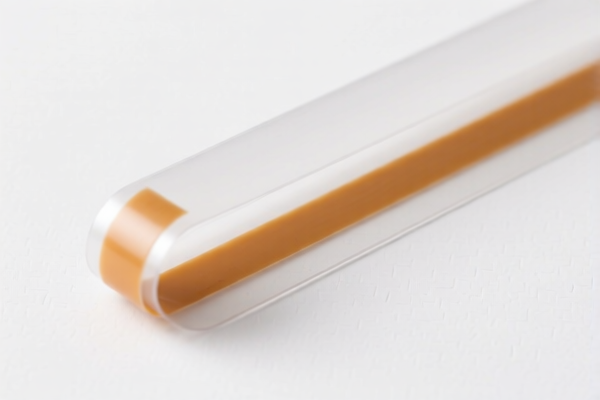


AI Analysis
🚪 Window Sealing Strips (Door & Window Gaskets)
🌐 HS Code Reference & Customs Clearance Guide | 2026 Latest Tariff Analysis | Professional Clearance Strategy
📌 I. Product Definition & Classification: Do You Really Understand "Sealing Strips"?
Window sealing strips, also known as door and window gaskets, are critical components used in construction, automotive, and industrial applications to provide insulation, weatherproofing, and noise reduction. In international trade, the classification depends heavily on the material composition and specific design.
Rubber Gaskets: Made from vulcanized rubber (EPDM, Silicone, Nitrile, etc.), offering superior durability and weather resistance.
Plastic/Composite Gaskets: Often made from PVC, TPE, or other polymers, often used for cost-effective or specific environmental applications.
⚠️ Key Distinction Point:
- If the product is made of Vulcanized Rubber → Classified under Chapter 40 (Rubber and Articles Thereof)
- If the product is made of Plastic (e.g., PVC) → Classified under Chapter 39 (Plastics and Articles Thereof)
- Misclassification can lead to significant tariff discrepancies (up to 15% difference)!
📦 II. HS Code Classification Details (2026 Latest Tariff Authoritative Comparison)
Based on the provided data, here are the 5 possible HS Codes for Window Sealing Strips, categorized by material and specific function:
| HS Code | Product Description | Material | Application Scenario | Total Tax Rate |
|---|---|---|---|---|
4016.93.50.50 |
Sealing strips for doors and windows, Rubber, classified as sealing components under other vulcanized rubber products | Rubber | High-end windows, automotive doors, weather-resistant applications | 37.5% |
4016.99.60.50 |
Sealing strips for doors and windows, Rubber, classified as non-specific use sealing components under other vulcanized rubber products | Rubber | General purpose rubber seals, non-specific industrial use | 37.5% |
3926.90.45.90 |
Sealing strips, material inferred as Plastic or Rubber, classified as other sealing components under plastic and other material products | Plastic/Rubber | Mixed material seals, PVC-based seals | 38.5% |
3926.90.99.89 |
Sealing strips for doors and windows, material Rubber or Plastic, classified as other plastic products not specifically detailed | Plastic/Rubber | General plastic seals, PVC extrusions, non-specific classification | 22.8% |
3926.90.45.10 |
Sealing strips, material Plastic or Rubber, classified as sealing components under plastic and other material products | Plastic/Rubber | Specific plastic sealing components, PVC gaskets | 38.5% |
🔍 Critical Reminder:
- Rubber seals (4016.xxx) and Plastic seals (3926.xxx) have different base tariffs.
- The most cost-effective code is3926.90.99.89at 22.8%, but it requires the product to be clearly classified as a "Plastic Product" rather than a specific "Sealing Component."
- Codes ending in.50or.90under Chapter 40/39 often attract higher surcharges.
💰 III. 2026 Latest Tariff Rate Breakdown (Including Surcharges & Policy Add-ons)
✅ Applicable Country: United States (US)
✅ Origin: China (CN)
✅ Effective Date: From November 10, 2025 onwards (including subsequent imports)
🎯 1. Rubber Sealing Strips (4016.93.50.50 & 4016.99.60.50)
| Item | Content |
|---|---|
| Base Tariff | 2.5% (ad valorem) |
| Section 301 Surcharge | +25.0% (USITC Footnote) |
| Section 122 Surcharge | +10.0% (Trade Remedy) |
| Total Rate | 37.5% |
| Calculation | CIF Value × 37.5% |
| De Minimis Exemption | ❌ Not Eligible |
| Legal Basis Path | USITC:4016.93.50.50 → FOOTNOTE:301 → IEEPA:122 |
📌 Explanation:
- Rubber products are subject to high tariffs due to US protectionist policies on rubber manufacturing.
- The 25% Section 301 tax is the primary driver.
- The 10% Section 122 tax adds further burden, likely related to national security or trade remedy measures.
🎯 2. Plastic/Rubber Sealing Strips (3926.90.45.90 & 3926.90.45.10)
| Item | Content |
|---|---|
| Base Tariff | 3.5% (ad valorem) |
| Section 301 Surcharge | +25.0% |
| Section 122 Surcharge | +10.0% |
| Total Rate | 38.5% |
| Calculation | CIF Value × 38.5% |
| De Minimis Exemption | ❌ Not Eligible |
| Legal Basis Path | USITC:3926.90.45.10 → FOOTNOTE:301 → IEEPA:122 |
📌 Explanation:
- Plastic sealing components are taxed at the highest rate (38.5%) due to the combination of higher base duty and full surcharges.
- This code is less favorable unless the product cannot be classified under the general plastic category.
🎯 3. General Plastic Products (3926.90.99.89) – Optimal Code
| Item | Content |
|---|---|
| Base Tariff | 5.3% (ad valorem) |
| Section 301 Surcharge | +7.5% |
| Section 122 Surcharge | +10.0% |
| Total Rate | 22.8% |
| Calculation | CIF Value × 22.8% |
| De Minimis Exemption | ❌ Not Eligible |
| Legal Basis Path | USITC:3926.90.99.89 → FOOTNOTE:301 → IEEPA:122 |
📌 Explanation:
- This is the most economical code at 22.8%.
- It applies to "Other Plastic Products" that are not specifically listed as sealing components.
- Strategy: If your product is made of PVC or TPE and is not a specialized rubber seal, argue for this classification to save 15-16% in tariffs.
🛠️ IV. Customs Clearance Practical Advice (Battle-Tested Pitfall Guide)
✅ 1. Preparation Checklist (No Exceptions)
| Document | Required | Explanation |
|---|---|---|
| ✅ Product Specification Sheet | ✔️ | Must clearly state Material (e.g., "100% EPDM Rubber" vs. "PVC with Rubber Core") |
| ✅ Material Composition Report | ✔️ | Third-party lab report proving % of rubber vs. plastic. Crucial for distinguishing between 4016 and 3926. |
| ✅ Product Photos (Including Label) | ✔️ | Clear images showing texture, flexibility, and any markings. |
| ✅ Commercial Invoice | ✔️ | Describe as "Window Gasket, Material: PVC/Rubber, Model: XYZ" |
| ✅ Packing List | ✔️ | Detail weights and dimensions. Avoid vague terms like "Miscellaneous Parts." |
✅ 2. Declaration Strategy (Key Mnemonics)
🔥 "Material is King, Code is Queen! Don't Guess, Prove!"
| Scenario | Correct Declaration | Wrong Practice |
|---|---|---|
| 100% Rubber Seal | 4016.93.50.50 (37.5%) |
Claiming "Plastic" → Fraud Risk |
| 100% PVC Seal | 3926.90.99.89 (22.8%) |
Claiming "Sealing Component" (38.5%) → Overpaying! |
| Hybrid (Rubber + Plastic) | Depends on Essential Character | Ambiguous description → Delayed Customs |
| Custom Extruded Profile | 3926.90.99.89 (if plastic-based) |
Mislabeling as "Rubber Gasket" |
✅ 3. Special Cases Handling
| Situation | Recommendation |
|---|---|
| OEM Custom Seals | Provide client specs + material certificates. Argue for 3926.90.99.89 if plastic-based. |
| Foam Rubber Seals | Still likely 4016 (Rubber). Base tariff 2.5%, Total 37.5%. |
| Silicone Seals | Classified as Rubber (4016). Same high tariff. |
| Recycled Rubber Seals | May face additional scrutiny. Ensure compliance with US environmental laws. |
🌍 V. Global Market Customs Comparison (2026 Latest)
| Country/Region | Recommended HS Code | Tariff | Certification | Notes |
|---|---|---|---|---|
| 🇺🇸 United States | 3926.90.99.89 |
22.8% | No specific cert required | Cheapest option for plastic seals. Avoid 3926.90.45 if possible. |
| 🇪🇺 European Union | 4016.93 / 3926.90 |
0-6.5% | REACH, RoHS | No Section 301 or 122 taxes. More stable. |
| 🇨🇳 China | 4016.93 / 3926.90 |
5-10% | CCC (if applicable) | Import duties are moderate. |
| 🇬🇧 United Kingdom | 4016.93 / 3926.90 |
0-6.5% | UKCA | Post-Brexit tariffs mirror EU in many cases. |
📌 Conclusion:
- The US market is the most expensive due to Section 301 and Section 122 taxes.
- Plastic seals (3926.90.99.89) are significantly cheaper than rubber or specific plastic sealing components.
- Always prioritize material proof to justify the lower-tariff classification.
📌 VI. Common Mistakes & Pitfalls (Lessons Learned from Blood and Tears)
❌ Mistake 1: Calling a PVC seal "Rubber Gasket"
👉 Consequence: Classified under 4016 → 37.5% vs 22.8%. Loss of 14.7% margin!
❌ Mistake 2: Using "Sealing Component" for plastic products
👉 Consequence: Classified under 3926.90.45 → 38.5%. Loss of 15.7% margin!
❌ Mistake 3: Vague description "Window Strip"
👉 Consequence: Customs assigns highest possible rate → Automatic 38.5%.
❌ Mistake 4: Ignoring Section 122 Surcharge
👉 Consequence: Unexpected 10% tax at border → Cash flow crisis.
✅ Correct Practice:
"PVC Window Seal Strip, Flexible, Weatherproof, Model: WS-123, Material: 100% PVC (Polyvinyl Chloride), Certified for US Import"
🎯 VII. Conclusion: Professional Declaration, Save Money, Ensure Smooth Clearance!
🎯 Remember the Mantra:
🔹 "Plastic is Cheap, Rubber is Expensive. Don't be Specific if You Can Be General!"
🔹 "HS Code Defines Profit, Tax Rate Defines Survival. Declare Accurately, Save Thousands!"
📌 Pro Tip:
If your sealing strips are made of TPE (Thermoplastic Elastomer), argue for Plastic Classification (3926.90.99.89) rather than Rubber (4016). TPE is often treated as plastic in customs rulings, saving you 14.7% in tariffs.
📣 Immediate Action:
📞 Contact a Professional Customs Broker + Provide Material Test Report + Apply for Advance Ruling
🚀 Let Your Sealing Strips Pass Through Customs Smoothly, Efficiently, and Profitably!
✨ Professional Customs Clearance Starts with Accurate Classification!
💼 Every Penny of Your Cost Deserves to Be Precisely Calculated!
Customer Reviews
About HS Code Classification
The Harmonized System (HS) is an internationally standardized nomenclature developed by the World Customs Organization (WCO) to classify traded products. Over 200 countries use the HS system as the basis for customs tariffs, trade statistics, and import/export regulations.
Each HS code follows a hierarchical structure:
- Chapter (2 digits) — Broad category of goods (e.g., Chapter 84: Machinery and Mechanical Appliances)
- Heading (4 digits) — More specific grouping within the chapter
- Subheading (6 digits) — Internationally standardized breakdown, used by all WCO member countries
- National subdivisions (8-10 digits) — Country-specific extensions for further classification, such as US HTSUS 10-digit codes
Correct HS code classification is essential for smooth customs clearance, accurate duty payment, and compliance with trade regulations. Misclassification can lead to customs delays, overpayment of duties, or penalties.
When importing from CN to US, the applicable tariff rates may include:
- Most-Favored-Nation (MFN) rate — The standard duty rate applied to WTO members
- General rate — Applied to countries without trade agreements
- Trade remedy duties — Additional tariffs such as Section 301 (anti-dumping), Section 232 (national security), or countervailing duties
The information provided on this page is for reference purposes only. For official classification, please consult with your local customs authority or a licensed customs broker.