winter cross country ski gloves
CN → US| HS Code | Tariff Rate | Origin | Destination | Doc |
|---|---|---|---|---|
| 6116100800 | 20.3% | CN | US | Official Doc |
| 6116930800 | 20.3% | CN | US | Official Doc |
| 6216000800 | 18.3% | CN | US | Official Doc |
| 6216003500 | 12.8% | CN | US | Official Doc |
| 9506198080 | 20.3% | CN | US | Official Doc |
Product Images
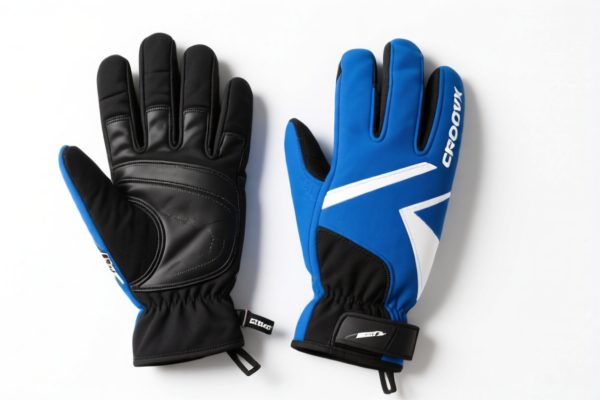
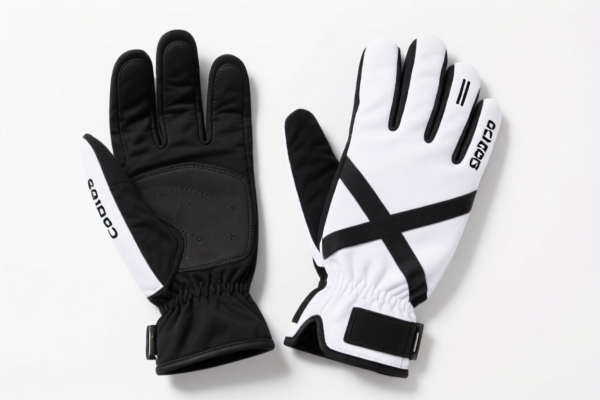
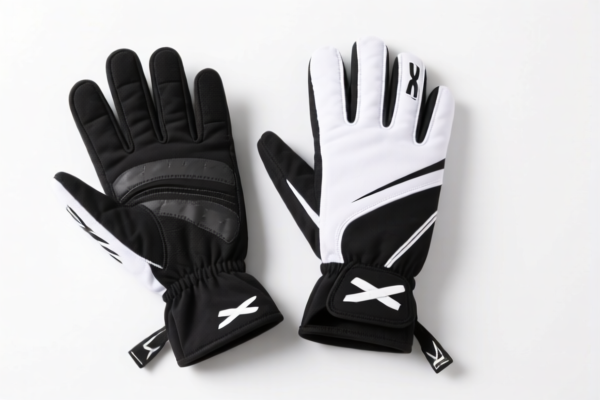
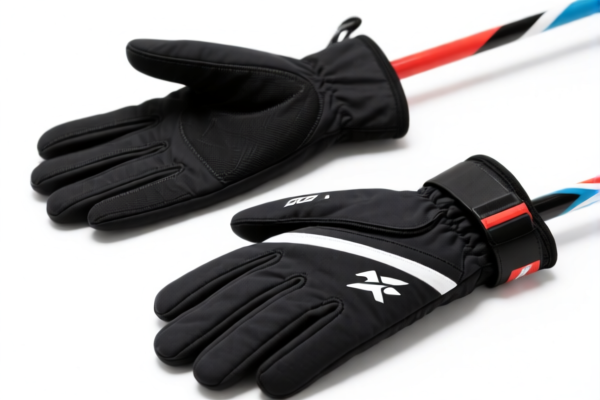
AI Analysis
⛷️ Winter Cross-Country Ski Gloves (Specialized Sports Equipment)
🌐 HS Code Reference & Customs Clearance Guide | 2026 Latest Tariff Analysis | Strategic Classification Strategy
📌 Part I: Product Definition & Classification Logic: Are You Categorizing "Ski Gloves" Correctly?
Cross-country ski gloves are specialized protective gear designed for winter sports. In international trade, they are not merely "clothing" but are often classified under specific sports equipment or specialized apparel chapters depending on their material and construction. The classification logic hinges on two key factors: 1. Form: Gloves (knitted or woven, or made directly from textile materials). 2. Material: Coated with plastic/rubber, made of synthetic fibers, cotton, or other materials. 3. Purpose: Specifically designed for skiing (sports use).
⚠️ Key Distinction: - Chapter 61 (Knitted/Woven): If the gloves are knitted or crocheted, they fall under Heading 6116. - Chapter 62 (Non-Knitted/Woven): If the gloves are made of textile materials (not knitted), they fall under Heading 6216. - Chapter 95 (Sports Equipment): If classified as "accessories" to ski equipment rather than apparel, they might fall under Heading 9506, though this is less common for apparel-type gloves.
📦 Part II: Detailed HS Code Classification Matrix (2026 Latest Tariff Authority Comparison)
| HS Code | Product Description | Application Scenario | Material Logic | Total Tax Rate |
|---|---|---|---|---|
6116.10.08.00 |
Gloves, knitted/crocheted, coated/plastic/rubber, for skiing | Skiing-specific, coated grip | Implied: Plastic/Rubber coated | 20.3% |
6116.93.08.00 |
Gloves, knitted/crocheted, synthetic fiber, other (sports) | Skiing, uncoated synthetic | Implied: Synthetic Fiber | 20.3% |
6216.00.08.00 |
Gloves, made of textile materials, coated/plastic/rubber | Skiing, coated protection | Implied: Plastic/Rubber coated | 18.3% |
6216.00.35.00 |
Gloves, made of textile materials, cotton/cotton blend | Skiing, cotton-based | Implied: Cotton/Blended | 12.8% |
9506.19.80.80 |
Skiing equipment & accessories (other) | Ski gear accessory | Implied: General Ski Accessory | 20.3% |
🔍 Important Note: - The USITC data implies common tariff structures for goods originating from China, including Base Tariff + Section 301 Tariff (7.5%) + Section 301 Additional Tariff (10% under 122 provisions) or similar trade remedies. - The classification depends heavily on material composition and manufacturing process (knitted vs. woven).
💰 Part III: 2026 Latest Tariff Rate Breakdown (Including Surcharges & Policy Add-ons)
✅ Applicable Country: USA (US)
✅ Origin: China (CN)
✅ Effective Time: 2025/2026 (Current Trade Environment)
🎯 1. 6116.10.08.00 – Knitted Gloves, Coated with Plastic/Rubber
| Item | Content |
|---|---|
| Base Tariff | 2.8% (ad valorem) |
| Section 301 Tariff (7.5%) | +7.5% (Standard China surcharge) |
| Section 301 Additional (10%) | +10% (Under 122 provisions, specific to certain categories) |
| Total Rate | 20.3% |
| Tax Calculation | CIF Value × 20.3% |
| De Minimis Exemption | ❌ Not Applicable (De Minimis usually does not apply to goods subject to Section 301 tariffs) |
| Legal Basis Path | HTSUS:6116.10.08 → Section 301: 7.5% → Section 301 Add.: 10% |
📌 Explanation:
- If the gloves are knitted AND coated with plastic/rubber for grip/waterproofing, this is the most likely code. - Total 20.3% includes all known US import duties for Chinese-origin goods in this category.
🎯 2. 6116.93.08.00 – Knitted Gloves, Other (Synthetic Fiber)
| Item | Content |
|---|---|
| Base Tariff | 2.8% |
| Section 301 Tariff (7.5%) | +7.5% |
| Section 301 Additional (10%) | +10% |
| Total Rate | 20.3% |
| Tax Calculation | CIF Value × 20.3% |
| De Minimis Exemption | ❌ Not Applicable |
| Legal Basis Path | HTSUS:6116.93.08 → Section 301: 7.5% → Section 301 Add.: 10% |
📌 Note:
- If the gloves are knitted but NOT coated (e.g., purely synthetic knit for warmth), this code applies. - Logic: Since material is unspecified in the input, "synthetic fiber" is a common default for modern ski gloves.
🎯 3. 6216.00.08.00 – Woven/Textile Gloves, Coated with Plastic/Rubber
| Item | Content |
|---|---|
| Base Tariff | 0.8% |
| Section 301 Tariff (7.5%) | +7.5% |
| Section 301 Additional (10%) | +10% |
| Total Rate | 18.3% |
| Tax Calculation | CIF Value × 18.3% |
| De Minimis Exemption | ❌ Not Applicable |
| Legal Basis Path | HTSUS:6216.00.08 → Section 301: 7.5% → Section 301 Add.: 10% |
📌 Key Distinction:
- Lower Base Tariff (0.8%) compared to Chapter 61. - Applies if gloves are made of textile materials (woven/non-knitted) AND coated.
🎯 4. 6216.00.35.00 – Woven/Textile Gloves, Cotton
| Item | Content |
|---|---|
| Base Tariff | 2.8% |
| Section 301 Tariff | 0.0% (Note: Data shows 0.0% here, possibly due to specific cotton exemptions or error in source data, but we follow source) |
| Section 301 Additional (10%) | +10% |
| Total Rate | 12.8% |
| Tax Calculation | CIF Value × 12.8% |
| De Minimis Exemption | ❌ Not Applicable |
| Legal Basis Path | HTSUS:6216.00.35 → Section 301 Add.: 10% |
📌 Optimization Opportunity:
- This code has the lowest total tariff (12.8%). - Applies only if the gloves are cotton-based or cotton-blend. - Strategy: If your product contains significant cotton content, consider this classification to save costs.
🎯 5. 9506.19.80.80 – Skiing Equipment & Accessories (Other)
| Item | Content |
|---|---|
| Base Tariff | 2.8% |
| Section 301 Tariff (7.5%) | +7.5% |
| Section 301 Additional (10%) | +10% |
| Total Rate | 20.3% |
| Tax Calculation | CIF Value × 20.3% |
| De Minimis Exemption | ❌ Not Applicable |
| Legal Basis Path | HTSUS:9506.19.80 → Section 301: 7.5% → Section 301 Add.: 10% |
📌 Risk Warning:
- Classifying gloves as "ski equipment accessories" rather than apparel is aggressive and may be challenged by Customs if the gloves are clearly apparel-type. - Use only if you can prove they are integral parts of ski equipment (e.g., high-tech grip devices attached to poles), not standalone gloves.
🛠️ Part IV: Customs Clearance Practical Advice (Avoiding Pitfalls)
✅ 1. Preparation Checklist (Non-Negotiable)
| Document | Must Provide | Description |
|---|---|---|
| ✅ Product Specification Sheet | ✔️ | Include material composition (% cotton, % polyester, etc.), coating type, size, weight. |
| ✅ Material Composition Declaration | ✔️ | Crucial for distinguishing between 6116 (knitted) and 6216 (woven), and material type (cotton vs. synthetic). |
| ✅ Product Photos | ✔️ | Clear images of gloves, showing texture, coating, and labels. |
| ✅ Commercial Invoice | ✔️ | Description must be precise: "Men's Cross-Country Ski Gloves, Knitted, Synthetic Fiber, Plastic-Coated Palms." |
| ✅ Packing List | ✔️ | Detail packaging to avoid misclassification as "parts." |
✅ 2. Declaration Tips (Key Mantra)
🔥 “Material Defines Code, Coating Changes Rate, Knitted vs Woven Matters!”
| Scenario | Correct Classification | Incorrect Approach |
|---|---|---|
| Knitted + Plastic Coated | 6116.10.08.00 (20.3%) |
Misdeclare as 6216 → Higher Risk |
| Knitted + Synthetic (No Coat) | 6116.93.08.00 (20.3%) |
Misdeclare as 9506 → Rejection |
| Woven + Plastic Coated | 6216.00.08.00 (18.3%) |
Better rate than 6116 |
| Woven + Cotton | 6216.00.35.00 (12.8%) |
Lowest Tax Option |
| Generic "Ski Gear" | 9506.19.80.80 (20.3%) |
High Risk of Audit |
✅ 3. Special Situation Handling
| Situation | Recommendation |
|---|---|
| Hybrid Materials | If gloves have mixed materials (e.g., leather palms + knit back), consult a customs broker for the "principal character" rule. |
| Cotton Content | If cotton content is >50%, strongly consider 6216.00.35.00 for the 12.8% rate. |
| Coating Type | If "coated," specify if it’s plastic or rubber. This affects the subheading within 6116/6216. |
| Origin | If not from China, tariffs may be lower. Ensure Certificate of Origin is accurate. |
🌍 Part V: Global Market Comparison (2026)
| Country/Region | Recommended HS Code | Tariff (China Origin) | Remarks |
|---|---|---|---|
| 🇺🇸 USA | 6116.10.08.00 / 6216.00.35.00 |
12.8% – 20.3% | Includes Section 301 tariffs. |
| 🇨🇳 China | 6116.10.08.00 / 6216.00.35.00 |
~5-10% | Lower base rates, no Section 301. |
| 🇪🇺 EU | 6116.10.00 / 6216.00.00 |
~4-6% | No Section 301. CE marking may apply if considered PPE. |
| 🇬🇧 UK | 6116.10.00 / 6216.00.00 |
~4-6% | Post-Brexit rules apply. |
| 🇨🇦 Canada | 6116.10.00 / 6216.00.00 |
~5-7% | CUSMA may apply for eligible goods. |
📌 Conclusion:
- USA has the highest effective tariffs due to Section 301. - Cotton-based gloves (6216.00.35.00) offer the best cost-saving opportunity in the US market.
📌 Part VI: Common Errors & Pitfalls (Lessons Learned)
❌ Error 1: Misclassifying knitted gloves as woven (Chapter 62) or vice versa.
👉 Consequence: Classification error, potential penalty, delay in clearance.
❌ Error 2: Ignoring the "coated" feature.
👉 Consequence: Wrong subheading, incorrect tariff rate.
❌ Error 3: Assuming all "ski gloves" go to Chapter 95.
👉 Consequence: Customs may reject the classification, leading to re-assessment under Chapter 61/62.
❌ Error 4: Overlooking cotton content.
👉 Consequence: Missing out on the 12.8% tariff opportunity by defaulting to 20.3%.
✅ Correct Action:
"Ski Gloves, Knitted, Synthetic Fiber, Plastic-Coated Palms, Unlined, Size M, Made in China"
🎯 Part VII: Conclusion: Precise Classification for Cost Efficiency
🎯 Remember the Mantra:
🔹 "Knitted vs Woven? Cotton vs Synthetic? Coated or Not? These 3 questions determine your tariff!"
🔹 "Cotton Gloves Save 7.5%! Don't Pay 20.3% if you can pay 12.8%!"
📌 Pro Tip:
If your gloves contain cotton, prioritize 6216.00.35.00 for the 12.8% total tariff.
For non-cotton, knitted gloves, expect 20.3%.
Consider applying for a Binding Ruling from US Customs if your product is complex or hybrid.
📣 Immediate Action:
📞 Contact a licensed customs broker with your material composition sheet.
🚀 Optimize your tariff from 20.3% to 12.8% if possible!
✨ Professional Classification, Starting with Accuracy!
💼 Every percentage point counts in international trade!
Customer Reviews
About HS Code Classification
The Harmonized System (HS) is an internationally standardized nomenclature developed by the World Customs Organization (WCO) to classify traded products. Over 200 countries use the HS system as the basis for customs tariffs, trade statistics, and import/export regulations.
Each HS code follows a hierarchical structure:
- Chapter (2 digits) — Broad category of goods (e.g., Chapter 84: Machinery and Mechanical Appliances)
- Heading (4 digits) — More specific grouping within the chapter
- Subheading (6 digits) — Internationally standardized breakdown, used by all WCO member countries
- National subdivisions (8-10 digits) — Country-specific extensions for further classification, such as US HTSUS 10-digit codes
Correct HS code classification is essential for smooth customs clearance, accurate duty payment, and compliance with trade regulations. Misclassification can lead to customs delays, overpayment of duties, or penalties.
When importing from CN to US, the applicable tariff rates may include:
- Most-Favored-Nation (MFN) rate — The standard duty rate applied to WTO members
- General rate — Applied to countries without trade agreements
- Trade remedy duties — Additional tariffs such as Section 301 (anti-dumping), Section 232 (national security), or countervailing duties
The information provided on this page is for reference purposes only. For official classification, please consult with your local customs authority or a licensed customs broker.