wiper blade rubber
CN → US| HS Code | Tariff Rate | Origin | Destination | Doc |
|---|---|---|---|---|
| 3926904590 | 13.5% | CN | US | Official Doc |
| 3926909989 | 22.8% | CN | US | Official Doc |
| 4017000000 | 37.7% | CN | US | Official Doc |
| 4016996010 | 37.5% | CN | US | Official Doc |
| 4016931050 | 37.5% | CN | US | Official Doc |
Product Images
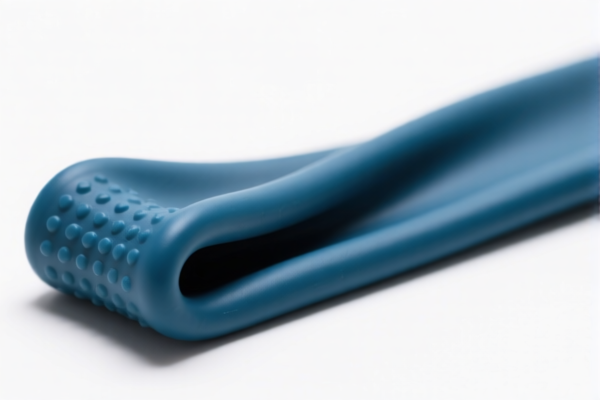
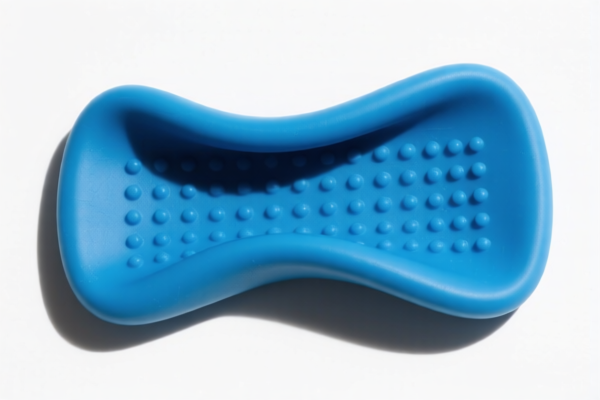
AI Analysis
🚗 Wiper Blade Rubber (Vulcanized Rubber Articles for Motor Vehicles)
🌐 HS Code Reference & Customs Clearance Guide | 2026 Latest Tariff Analysis | Specialized Clearance Strategy 📌 I. Product Definition & Classification: What is "Wiper Blade Rubber"?
Wiper blade rubber refers to elastomeric components, typically made of vulcanized rubber (non-hard rubber), designed for use in automotive windshield wiper systems. In international trade, these are not classified as "automobile parts" (Chapter 87) but as articles of vulcanized rubber.
The classification depends heavily on the specific function and form of the rubber component: 1. Mechanical Articles: If the rubber part is a structural or functional component of the wiper assembly (e.g., the wiping edge, the beam cover, or the hook interface) that is not primarily a seal, it falls under "Other mechanical articles." 2. Seals/Gaskets: If the rubber part functions primarily to prevent leakage or vibration (less common for the main wiper blade itself, but possible for auxiliary seals in the wiper motor housing or fluid reservoirs), it falls under "Gaskets, washers and other seals." 3. Material Composition: If the product is actually made of plastic (e.g., the plastic blade carrier, housing, or pivot points) rather than rubber, it falls under Chapter 39. 4. Hard Rubber: Items made of ebonite or hard rubber are extremely rare for wiper blades and are classified separately.
⚠️ Key Distinction Point: * If it is a mechanical wiping element or structural rubber part → 4016.99 * If it is a seal/gasket (e.g., for the wiper motor casing) → 4016.93 * If it is a plastic component (carrier, arm cover) → 3926.90
📦 II. HS Code Classification Details (2026 Latest Tariff Authority Comparison)
| HS Code | Product Description | Application Scenario | Tax Rate (Total) | Notes |
|---|---|---|---|---|
4016.99.60.10 |
Other articles of vulcanized rubber other than hard rubber: Other: Other: Other: Other: Other Mechanical articles for motor vehicles | Wiper blade rubber edges, rubber beams, structural rubber parts for wipers | 0.0% | ✅ Most Likely Code for wiper blades |
4016.93.10.50 |
Other articles of vulcanized rubber other than hard rubber: Gaskets, washers and other seals: Of a kind used in the automotive goods of chapter 87 | Rubber seals, O-rings, or gaskets used in wiper motor housings or fluid reservoirs | 27.5% | ❌ High tax if misclassified as a seal |
3926.90.45.90 |
Other articles of plastics...: Gaskets, washers and other seals Other | Plastic seals or rubber-like plastic seals for automotive use | 28.5% | ❌ High tax; applies if material is plastic |
3926.90.99.89 |
Other articles of plastics...: Other: Other Other | Plastic wiper blade carriers, plastic arms, or non-seal plastic components | 12.8% | ⚠️ Moderate tax; applies to plastic parts |
4017.00.00.00 |
Hard rubber (ebonite) in all forms... | Hard rubber parts (extremely rare for wipers) | 0.0% | ❌ Rarely applicable |
🔍 Key Reminder: * Wiper Blades are typically classified as mechanical articles under 4016.99.60.10 because their primary function is mechanical wiping/action, not sealing. * Do not classify wiper blades as "seals" (4016.93) unless they are purely sealing components (e.g., gaskets for the wiper motor). Misclassification leads to a 27.5% tax instead of 0%. * If the product includes plastic parts (like the blade frame), ensure they are not mixed with rubber in a way that changes the essential character. If sold as a complete wiper blade, the rubber component usually dictates the classification if it's the principal material, but if it's a mixed article, the "essential character" rule applies.
💰 III. 2026 Latest Tariff Rate Detailed Breakdown (Including Surtaxes, Policy Add-ons)
✅ Applicable Country: United States (US) ✅ Origin: China (CN) ✅ Effective Date: Post-November 10, 2025 (including subsequent imports)
🎯 1. 4016.99.60.10 — Mechanical Articles for Motor Vehicles (Vulcanized Rubber)
| Item | Content |
|---|---|
| Base Tariff | 0.0% (ad valorem) |
| Additional Tariff (Section 301) | 0.0% |
| Total Tax Rate | 0.0% |
| Tax Calculation | CIF Value × 0.0% = $0 |
| De Minimis Eligibility | ✅ Yes (Standard de minimis rules apply if applicable) |
| Legal Basis Path | USITC:4016.99.60.10 |
📌 Explanation: * "Mechanical articles for motor vehicles" under heading 4016 are specifically exempt from the 25% Section 301 surtax. * This is a critical cost-saving code. Misclassifying this item as a general rubber article or a seal can result in a 27.5% tax liability. * The description "Other mechanical articles for motor vehicles" is precise and aligns with the function of wiper blade rubber components.
🎯 2. 4016.93.10.50 — Gaskets/Seals for Automotive Goods (Vulcanized Rubber)
| Item | Content |
|---|---|
| Base Tariff | 2.5% |
| Additional Tariff (Section 301) | 25.0% |
| Total Tax Rate | 27.5% |
| Tax Calculation | CIF Value × 27.5% |
| De Minimis Eligibility | ❌ No (Due to Section 301 surtax) |
| Legal Basis Path | USITC:4016.93.10.50 → FOOTNOTE:301 |
📌 Warning: * If your product is a seal (e.g., O-ring for wiper motor), it falls here. * If your product is a wiper blade rubber, DO NOT use this code. You will pay an extra 27.5% unnecessarily.
🎯 3. 3926.90.45.90 — Plastic Gaskets/Seals
| Item | Content |
|---|---|
| Base Tariff | 3.5% |
| Additional Tariff (Section 301) | 25.0% |
| Total Tax Rate | 28.5% |
| Tax Calculation | CIF Value × 28.5% |
| De Minimis Eligibility | ❌ No |
📌 Note: * Applies only if the product is made of plastic AND functions as a seal. * Common in wiper motor housings or fluid reservoir gaskets.
🎯 4. 3926.90.99.89 — Other Plastic Articles
| Item | Content |
|---|---|
| Base Tariff | 5.3% |
| Additional Tariff (Section 301) | 7.5% |
| Total Tax Rate | 12.8% |
| Tax Calculation | CIF Value × 12.8% |
| De Minimis Eligibility | ❌ No |
📌 Note: * Applies to plastic components like wiper blade carriers, arms, or covers. * Lower than seals, but still significantly higher than rubber mechanical articles (0%).
🛠️ IV. Customs Clearance Practical Advice (Battle-Tested Pitfall Avoidance Guide)
✅ 1. Preparation Checklist (Indispensable)
| Document | Mandatory | Explanation |
|---|---|---|
| ✅ Product Specification Sheet | ✔️ | Must clearly state material (Vulcanized Rubber vs. Plastic), function (Wiping/Sealing), and application (Motor Vehicle Wiper). |
| ✅ Product Photos | ✔️ | Clear images of the item showing it is a rubber blade or mechanical part, not just a generic ring or seal. |
| ✅ Bill of Materials (BOM) | ✔️ | If the product is a mixed assembly (e.g., rubber blade on a plastic frame), clarify which part is being imported or if it's a complete article. |
| ✅ Commercial Invoice | ✔️ | Description must match the HS Code: e.g., "Rubber Wiper Blade Edge for Motor Vehicle" for 4016.99.60.10. |
| ✅ Certificate of Origin | ✔️ | Required to determine eligibility for any preferential treatments (though most US tariffs are MFN + Section 301). |
✅ 2. Declaration Tips (Key Mantras)
🔥 “Rubber Mechanical = 0%, Seal = 27.5%, Plastic = 12-28%”
| Scenario | Correct Declaration | Incorrect Action |
|---|---|---|
| Wiper Blade Rubber Edge | HS: 4016.99.60.10Desc: "Vulcanized Rubber Mechanical Article for Motor Vehicle Wiper" |
Misclassified as "Gasket" → 27.5% tax |
| Rubber Seal for Wiper Motor | HS: 4016.93.10.50Desc: "Rubber Gasket for Automotive Wiper Motor" |
Correct classification, but high tax |
| Plastic Wiper Blade Frame | HS: 3926.90.99.89Desc: "Plastic Article for Motor Vehicle Wiper" |
Correct classification, moderate tax |
| Mixed Assembly (Rubber + Plastic) | Declare based on Essential Character | Splitting incorrectly → Potential penalties |
✅ 3. Special Case Handling
| Situation | Handling Advice |
|---|---|
| OEM Custom Wiper Blades | Provide design drawings showing the rubber component is integral to the mechanical wiping function. |
| Rubber + Steel Spring Assembly | If the rubber is the essential character, it may still be 4016.99.60.10. If the steel frame dominates, it might be Chapter 73 or 84. Consult a specialist. |
| Sample vs. Bulk | Ensure samples match bulk production in material and form. Customs may test material composition. |
| De Minimis Threshold | If shipping under $800, check if the 27.5% or 12.8% taxes apply to de minimis. Generally, Section 301 surcharges do not apply to de minimis under current US policy, but this is subject to change. Verify current CBP guidance. |
🌍 V. Global Market Clearance Comparison (2026 Latest)
| Country/Region | Recommended HS Code | Tariff | Certification Requirement | Notes |
|---|---|---|---|---|
| 🇺🇸 USA | 4016.99.60.10 |
0.0% | No specific cert required for rubber articles | Best option for US imports |
| 🇨🇳 China | 4016.99.60.10 |
5-10% | None | Lower base rate |
| 🇪🇺 EU | 4016.93 or 4016.99 |
4-5% | REACH Compliance | No major surtaxes |
| 🇬🇧 UK | 4016.99.60 |
0-2% | UKCA Mark (if applicable) | Post-Brexit rules apply |
| 🇯🇵 Japan | 4016.99.900 |
3-5% | JIS Standards (if for auto parts) | No major surtaxes |
📌 Conclusion: * USA offers 0% duty for rubber mechanical articles for motor vehicles (
4016.99.60.10). * Misclassification as seals or plastic articles results in 12.8% to 28.5% taxes. * China is the primary manufacturing source, so Section 301 surtaxes are a key risk if not correctly classified.
📌 VI. Common Errors & Pitfall Avoidance (Blood & Tears Lessons)
❌ Error 1: Classifying wiper blades as "Gaskets" (4016.93) 👉 Consequence: Tax jumps from 0% to 27.5%. Wiper blades are mechanical, not sealing, devices.
❌ Error 2: Classifying wiper blades as "Parts of Motor Vehicles" (Chapter 87) 👉 Consequence: Chapter 87 parts often have higher tariffs and more complex documentation. Rubber articles are specifically covered in Chapter 40.
❌ Error 3: Using vague descriptions like "Rubber Parts" 👉 Consequence: Customs may reclassify to a higher tax bracket or demand detailed explanation, causing delays.
❌ Error 4: Assuming De Minimis applies to Section 301 goods 👉 Consequence: Recent policy changes may exclude surtaxes from de minimis. Verify with a customs broker.
✅ Correct Approach:
"Vulcanized Rubber Wiper Blade Edge for Automotive Windshield Wiper System, Mechanical Article for Motor Vehicle"
🎯 VII. Conclusion: Precise Classification, Cost Savings, Efficiency!
🎯 Remember the Mantra:
🔹 "Wiper Blade = Mechanical Article = 0% Tax!" 🔹 "Don't call it a Gasket unless it Seals!" 🔹 "Plastic is more expensive than Rubber Mechanicals!"
📌 Pro Tip:
If you are importing complete wiper blades (rubber + plastic frame), ensure the essential character is determined correctly. If the rubber wiping edge is the principal component, 4016.99.60.10 may still apply. However, if the plastic frame dominates, 3926.90.99.89 (12.8%) might be more accurate. Consult a customs broker for mixed assemblies.
📣 Take Action Now:
📞 Contact a licensed customs broker + Provide Product Photos + Request HS Code Advance Ruling if uncertain. 🚀 Ensure your wiper blades clear customs smoothly, save 27.5% in taxes, and boost profit margins!
✨ Professional Customs Clearance Starts with Precise Classification! 💼 Every Penny Saved in Tariffs is Pure Profit!
Customer Reviews
About HS Code Classification
The Harmonized System (HS) is an internationally standardized nomenclature developed by the World Customs Organization (WCO) to classify traded products. Over 200 countries use the HS system as the basis for customs tariffs, trade statistics, and import/export regulations.
Each HS code follows a hierarchical structure:
- Chapter (2 digits) — Broad category of goods (e.g., Chapter 84: Machinery and Mechanical Appliances)
- Heading (4 digits) — More specific grouping within the chapter
- Subheading (6 digits) — Internationally standardized breakdown, used by all WCO member countries
- National subdivisions (8-10 digits) — Country-specific extensions for further classification, such as US HTSUS 10-digit codes
Correct HS code classification is essential for smooth customs clearance, accurate duty payment, and compliance with trade regulations. Misclassification can lead to customs delays, overpayment of duties, or penalties.
When importing from CN to US, the applicable tariff rates may include:
- Most-Favored-Nation (MFN) rate — The standard duty rate applied to WTO members
- General rate — Applied to countries without trade agreements
- Trade remedy duties — Additional tariffs such as Section 301 (anti-dumping), Section 232 (national security), or countervailing duties
The information provided on this page is for reference purposes only. For official classification, please consult with your local customs authority or a licensed customs broker.