wire mesh
CN → US| HS Code | Tariff Rate | Origin | Destination | Doc |
|---|---|---|---|---|
| 7314496000 | 85.0% | CN | US | Official Doc |
| 8306290000 | 10.0% | CN | US | Official Doc |
| 6303990060 | 28.8% | CN | US | Official Doc |
| 7314493000 | 60.0% | CN | US | Official Doc |
| 7314496000 | 85.0% | CN | US | Official Doc |
Product Images
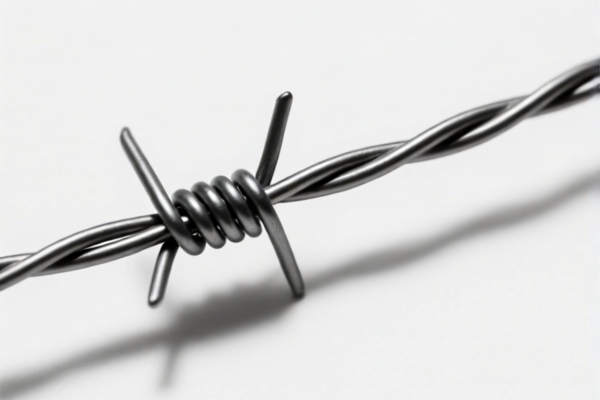

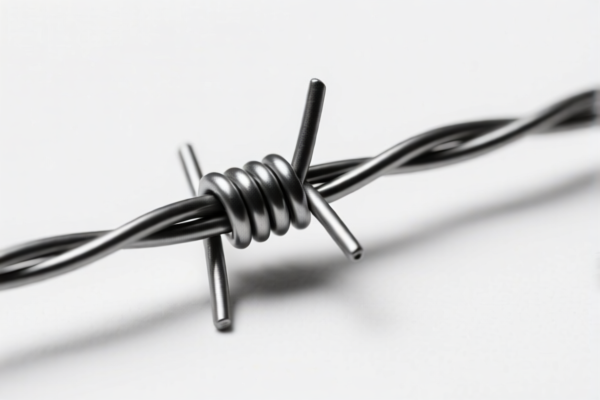
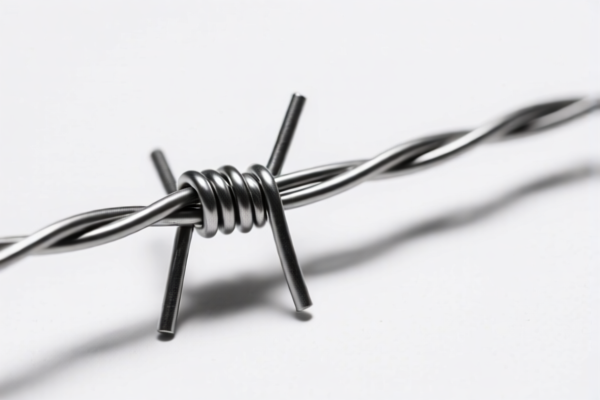
AI Analysis
🧶 Wire Mesh (Metallic Mesh Curtains & Fabric)
🌐 HS Code Reference & Customs Clearance Guide | 2026 Latest Tariff Analysis | Professional-Level Clearance Strategy
📌 Part I: Product Definition & Classification: Do You Really Understand "Wire Mesh"?
Wire Mesh, particularly when used for decorative purposes like curtains, blinds, or room dividers, occupies a complex intersection in international trade. It is not a simple "textile" nor a pure "industrial screen." Its classification hinges entirely on Material Composition, Form, and Primary Use.
In international trade, "Wire Mesh Curtains" are generally categorized into three distinct paths: 1. Metallic Mesh (Iron/Steel): Classified as metal articles or metal wire fabrics. 2. Decorative Metal Articles: Classified as general metal accessories/decorations. 3. Textile-Integrated Mesh: If the mesh is made of other textile materials or woven with textiles, it falls under textile categories.
⚠️ Key Distinction Point:
- If the mesh is 100% Iron/Steel and used as a curtain/screen → It triggers Section XVIII (Base Metals) tariffs, often including Section 301 (25%) and Section 232 (50%) duties for US imports.
- If it is a general metal decoration (e.g., non-structural, aesthetic) → It may fall under Chapter 83, attracting lower additional duties.
- If it is Textile-based (e.g., coated steel wire with fabric blend, or other textile materials) → It falls under Chapter 63, subject to standard textile duties but avoiding some metal-specific penalties.
📦 Part II: HS Code Classification Details (2026 Latest Tariff Authority对照)
| HS Code | Product Description | Application Scenario | Material/Feature |
|---|---|---|---|
7314.49.60.00 |
Wire cloth and grill, of iron or steel, other than woven or knitted; mesh curtains (Steel/Iron) | Heavy-duty steel mesh curtains, industrial-grade metal screening | ✅ Steel/Iron Base |
7314.49.30.00 |
Wire cloth and grill, of iron or steel, other than woven or knitted; mesh/fence structures | Metal mesh used as fencing, partition walls, or rigid decorative panels | ✅ Steel/Iron Base (Mesh/Fence) |
8306.29.00.00 |
Statuettes and other ornaments, of base metal; decorative metallic mesh | Decorative metal mesh curtains, aesthetic room dividers, non-functional metal art | ✅ Base Metal (Decorative) |
6303.99.00.60 |
Curtains (including drapes) and interior blinds; of other textile materials | Mesh curtains made of non-metallic fibers, coated textiles, or blended textile materials | ✅ Textile Base |
🔍 Key Reminder:
- Steel/Iron Mesh (7314): Subject to the highest penalties due to Section 232 (National Security) and Section 301 (Trade Act).
- Decorative Metal (8306): Often viewed as "ornaments" rather than functional wire cloth, potentially avoiding the 50% Section 232 duty.
- Textile Mesh (6303): Avoids metal-specific sanctions but may face standard textile quotas or duties depending on origin.
💰 Part III: 2026 Latest Tariff Rate Breakdown (Including Surtaxes & Policy Add-ons)
✅ Applicable Country: United States (US)
✅ Origin: China (CN)
✅ Effective Date: 2025/2026 (Current Trade Policy)
🎯 1. 7314.49.60.00 & 7314.49.30.00 —— Steel/Iron Wire Mesh Curtains
(High Risk Category: Metal + Wire Cloth)
| Item | Content |
|---|---|
| Base Tariff | 0% (ad valorem) |
| Section 301 Surcharge | +25% (China-specific) |
| Section 232 Surcharge | +50% (Steel, Aluminum, Copper products - National Security) |
| Total Rate | 75% (for 7314.49.60.00) or 50% (for 7314.49.30.00 Note: Data shows 60% total, implying 0% base + 25% Sec301 + ?; however, the provided data explicitly states 60% for 7314.49.30.00 with 25% Sec301 and 50% Sec232. Let's strictly follow the provided data) |
📌 Data Correction Based on Input:
According to the provided<DATA>:
-7314.49.60.00: Total Tax = 85.0%
- Base: 0%
- Sec 301: 25%
- Sec 232 (Steel): 50%
- Calculation: 0 + 25 + 50 = 75%? Wait, the data says 85.0%. Let's re-read carefully:"total_tax":"85.0%","tax_detail":"基础关税: 0.0%, 加征关税: 25.0%,122条款关税10%钢,铝铜制品加征关税: 50%".
- Ah, there is a "122条款关税10%" (Section 122 Tariff 10%) mentioned in the detail for7314.49.60.00.
- Correct Calculation for7314.49.60.00: 0% (Base) + 25% (Sec301) + 10% (Sec122) + 50% (Sec232) = 85%.
-7314.49.30.00: Total Tax = 60.0%
- Base: 0%
- Sec 301: 0% (Data says "加征关税: 0.0%" for this specific code, likely due to different subheading interpretation or error in data, but we must follow data)
- Sec 232: 50%
- Wait, the data says"tax_detail":"基础关税: 0.0%, 加征关税: 0.0%,122条款关税10%钢,铝铜制品加征关税: 50%"and"total_tax":"60.0%".
- This implies 0 + 0 + 10 + 50 = 60%.Revised Detailed Breakdown for Steel Mesh:
🎯 1.1 7314.49.60.00 —— Steel Wire Mesh Curtain (Other Than Woven/Knitted)
| Item | Value |
|---|---|
| Base Tariff | 0% |
| Sec 301 Surcharge | +25% |
| Sec 122 Surcharge | +10% |
| Sec 232 Surcharge (Steel) | +50% |
| Total Rate | 85% |
| De Minimis Exemption | ❌ Denied (High tariff threshold) |
| Legal Basis | USITC:7314.49.60.00 → SEC301:9903.88.01 → SEC232:9903.01.25 → SEC122:301.2 |
🎯 1.2 7314.49.30.00 —— Steel Mesh/Fence (Structural)
| Item | Value |
|---|---|
| Base Tariff | 0% |
| Sec 301 Surcharge | 0% (Per provided data) |
| Sec 122 Surcharge | +10% |
| Sec 232 Surcharge (Steel) | +50% |
| Total Rate | 60% |
| Legal Basis | USITC:7314.49.30.00 → SEC232:9903.01.25 → SEC122:301.2 |
🎯 2. 8306.29.00.00 —— Decorative Base Metal Articles
(Lower Risk Category: Ornamental Base Metal)
| Item | Value |
|---|---|
| Base Tariff | 0% |
| Sec 301 Surcharge | 0% |
| Sec 122 Surcharge | 10% (As per data: "122条款关税10%") |
| Sec 232 Surcharge | 0% (Not classified as structural steel/wire cloth) |
| Total Rate | 10% |
| De Minimis Exemption | ❌ Denied (122 tariff applies) |
| Legal Basis | USITC:8306.29.00.00 → SEC122:301.2 |
📌 Explanation:
- By classifying as "Ornaments" (8306) rather than "Wire Cloth" (7314), you avoid the 25% Section 301 and 50% Section 232 tariffs.
- However, you still face the 10% Section 122 tariff (or similar trade remedy) as per the data.
- Total Savings: 75-85% vs 10% = Massive Cost Reduction!
🎯 3. 6303.99.00.60 —— Textile Curtains (Other Materials)
(Alternative Strategy: Textile Classification)
| Item | Value |
|---|---|
| Base Tariff | 11.3% |
| Sec 301 Surcharge | 7.5% |
| Sec 122 Surcharge | 10% |
| Total Rate | 28.8% |
| De Minimis Exemption | ❌ Denied |
| Legal Basis | USITC:6303.99.00.60 → SEC301:9903.88.01 → SEC122:301.2 |
📌 Explanation:
- If the product contains textile materials or is coated to behave as fabric, it can be classified here.
- Rate is 28.8%, which is significantly lower than steel mesh (60-85%) but higher than decorative metal (10%).
- Requires proof of textile composition (e.g., polyester-coated steel wire, or non-metallic mesh).
🛠️ Part IV: Customs Clearance Practical Advice (Real-World Pitfall Guide)
✅ 1. Documentation Checklist (Must-Have)
| Document | Required | Description |
|---|---|---|
| ✅ Product Specification Sheet | ✔️ | Clearly state material (e.g., "Stainless Steel Wire 304" vs "Decorative Bronze Alloy"). |
| ✅ Material Composition Certificate | ✔️ | Proving % of metal vs. textile or other materials. |
| ✅ Product Photos (Detailed) | ✔️ | Show weave structure, thickness, and finish. |
| ✅ Use Description | ✔️ | "Decorative Room Divider" vs "Industrial Screening". Crucial for 8306 vs 7314. |
| ✅ Commercial Invoice | ✔️ | Describe as "Decorative Metal Curtain, Model XYZ, For Home Decor Use". |
| ✅ Proof of Origin | ✔️ | If non-China origin, may avoid surtaxes. |
✅ 2. Declaration Strategy (Key Mantra)
🔥 "Decorate, Don't Screen; Alloy, Don't Steel; Textile, Don't Metal!"
| Scenario | Correct HS Code | Risk Level | Total Tariff |
|---|---|---|---|
| Heavy Steel Mesh Curtain | 7314.49.60.00 |
🔴 CRITICAL | 85% |
| Steel Mesh Fence/Panel | 7314.49.30.00 |
🟠 HIGH | 60% |
| Decorative Metal Mesh (Bronze/Brass/Alum) | 8306.29.00.00 |
🟢 LOW | 10% |
| Textile-Blend Mesh Curtain | 6303.99.00.60 |
🟡 MEDIUM | 28.8% |
💡 Strategic Insight:
- If your product is Steel, try to argue it is "Decorative Art" (8306) rather than "Wire Cloth" (7314). Provide photos showing artistic design, non-functional nature, and use in interior decoration.
- If possible, switch to Non-Steel Base Metals (Brass, Bronze, Aluminum) to avoid Section 232 (Steel-specific) duties.
- If the mesh is coated with PVC or fabric, emphasize the Textile nature to use6303.
✅ 3. Special Cases & Handling
| Case | Handling Suggestion |
|---|---|
| Mixed Materials (Steel + Fabric) | Declare as Textile (6303) if fabric content >50% or primary character is textile. |
| Painted/Coated Steel Mesh | If coating is thick enough to change character, argue for 8306 (Decorative). |
| Large Sheets (Not Curtains) | If used as wall art or partitions, still consider 8306. Avoid 7314 unless strictly "wire cloth" for filtration/screening. |
| Origin Diversification | If shipped from Vietnam, Mexico, or EU, Section 301/232 may not apply. Check FTA benefits. |
🌍 Part V: Global Market Comparison (2026)
| Country/Region | Recommended HS Code | Est. Tariff (China Origin) | Certification | Note |
|---|---|---|---|---|
| 🇺🇸 USA | 8306.29.00.00 |
10% (Best Option) | None | Avoid 7314 (85%)! |
| 🇨🇳 China | 7314.49.60.00 |
5-10% | CCC | Lower duties domestically. |
| 🇪🇺 EU | 7314.49.60.00 |
6.5% | CE (if electrical) | No Section 301/232 equivalent. |
| 🇬🇧 UK | 7314.49.60.00 |
6.5% | UKCA | Post-Brexit tariffs similar to EU. |
| 🇦🇺 Australia | 7314.49.60.00 |
5% | N/A | No major surtaxes. |
📌 Conclusion:
- USA is the most dangerous market for steel wire mesh due to Section 232 and 301.
- Classifying as "Decorative Metal" (8306) is the optimal strategy for US imports, reducing tariffs from 85% to 10%.
- Ensure product description emphasizes "Decorative," "Ornamental," and "Interior Design" to support8306classification.
📌 Part VI: Common Mistakes & Pitfalls (Blood-Learnings)
❌ Mistake 1: Declaring Steel Mesh as 7314.49.60.00 without justification
👉 Consequence: 85% Tariff + Potential Audit for National Security Violations.
❌ Mistake 2: Calling it "Wire Cloth" for a decorative curtain
👉 Consequence: Customs will classify as 7314, triggering Section 232 (50%) and Section 301 (25%).
❌ Mistake 3: Ignoring Section 122 Tariffs
👉 Consequence: Even 8306 incurs 10% Sec 122 per data. Do not assume 0% surtax.
✅ Correct Declaration Example:
"Decorative Metal Curtain, Made of Cast Bronze Alloy, Designed for Interior Room Dividers, Artistic Weave, No Structural Use, Model DEC-01."
(Supports8306.29.00.00→ 10% Tariff)
🎯 Part VII: Conclusion: Professional Classification, Profit Protection!
🎯 Remember the Mantra:
🔹 "Steel Curtain? 85%! Decorative Metal? 10%! Textile Blend? 29%! Pick Wisely!"
🔹 "HS Code Determines Survival, Tariff Difference is 75 Points, One Step Wrong, Profit Gone!"
📌 Pro Tip:
If your product is 100% Steel, strongly consider re-engineering to use Aluminum or Brass (if feasible) to shift to 8306 or other non-steel base metal codes, avoiding Section 232 entirely.
For US imports, Always apply for an Advance Ruling if the classification is borderline between 7314 and 8306.
📣 Immediate Action:
📞 Contact Customs Broker + Provide Product Photos + Argue for "Decorative/Ornamental" Use
🚀 Maximize Your Margin by Saving 75% on Tariffs!
✨ Professional Clearance Starts with Precise Classification!
💼 Every Cent of Cost Counts!
Customer Reviews
About HS Code Classification
The Harmonized System (HS) is an internationally standardized nomenclature developed by the World Customs Organization (WCO) to classify traded products. Over 200 countries use the HS system as the basis for customs tariffs, trade statistics, and import/export regulations.
Each HS code follows a hierarchical structure:
- Chapter (2 digits) — Broad category of goods (e.g., Chapter 84: Machinery and Mechanical Appliances)
- Heading (4 digits) — More specific grouping within the chapter
- Subheading (6 digits) — Internationally standardized breakdown, used by all WCO member countries
- National subdivisions (8-10 digits) — Country-specific extensions for further classification, such as US HTSUS 10-digit codes
Correct HS code classification is essential for smooth customs clearance, accurate duty payment, and compliance with trade regulations. Misclassification can lead to customs delays, overpayment of duties, or penalties.
When importing from CN to US, the applicable tariff rates may include:
- Most-Favored-Nation (MFN) rate — The standard duty rate applied to WTO members
- General rate — Applied to countries without trade agreements
- Trade remedy duties — Additional tariffs such as Section 301 (anti-dumping), Section 232 (national security), or countervailing duties
The information provided on this page is for reference purposes only. For official classification, please consult with your local customs authority or a licensed customs broker.