women one piece swimsuits
CN → US| HS Code | Tariff Rate | Origin | Destination | Doc |
|---|---|---|---|---|
| 6112410010 | 42.4% | CN | US | Official Doc |
| 6211121010 | 29.3% | CN | US | Official Doc |
| 6211128010 | 25.0% | CN | US | Official Doc |
| 6112410030 | 42.4% | CN | US | Official Doc |
| 6114200040 | 28.3% | CN | US | Official Doc |
| 6114303030 | 32.4% | CN | US | Official Doc |
Product Images
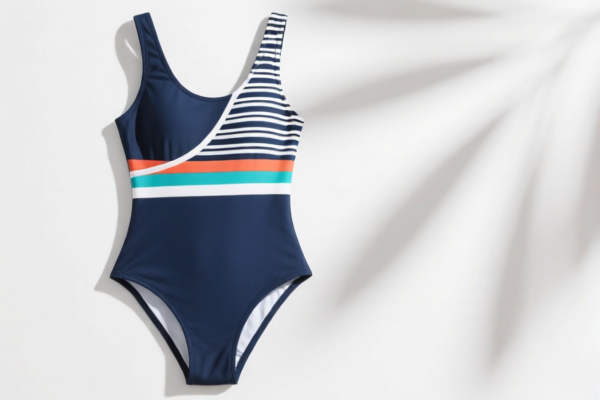
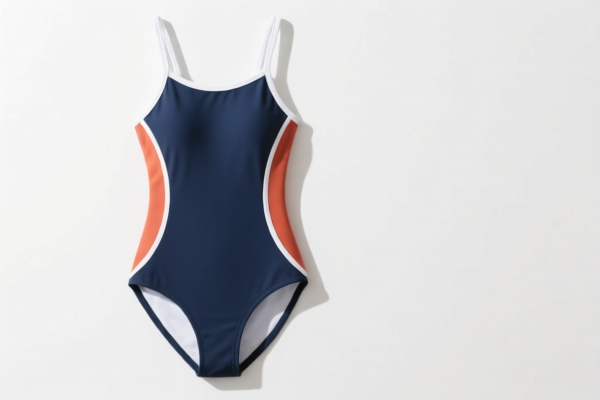
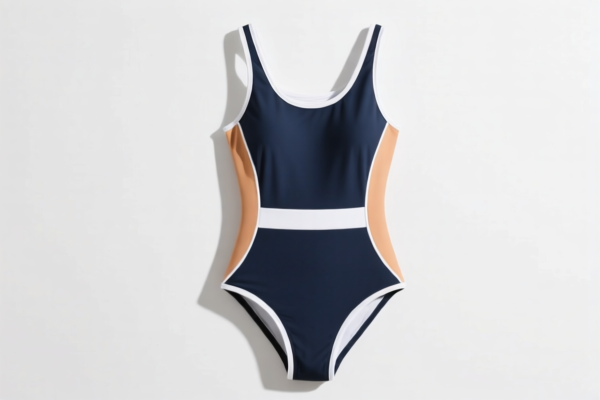
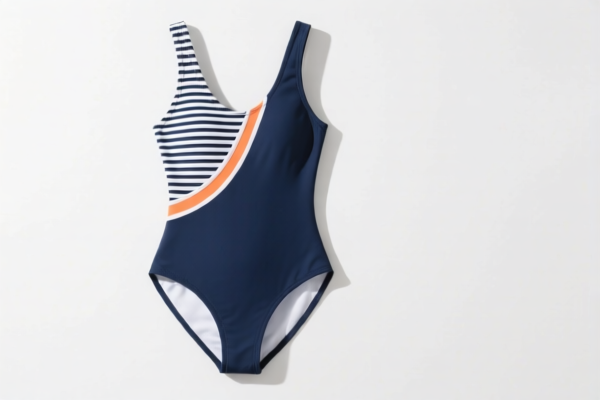
AI Analysis
👙 Women's One-Piece Swimsuits (High-Value Import Guide)
🌐 HS Code Reference & Customs Clearance Guide | 2026 Latest Tariff Analysis | Professional通关策略
📌 I. Product Definition & Classification: What Exactly Are We Importing?
A Women's One-Piece Swimsuit is a single garment covering the torso, designed for swimming or sunbathing. In international trade, the HS Code classification depends strictly on the fabric material (knitted vs. woven) and the fiber composition (synthetic, artificial, cotton, etc.).
⚠️ Critical Distinction:
- Knitted (Chapter 61): Stretchy, elastic fabrics like spandex blends, nylon knits.
- Woven (Chapter 62): Non-stretchy or less elastic fabrics, often lined or structured, like nylon woven, cotton blends.
- Mistake Alert: Misclassifying a knitted suit as woven (or vice versa) can lead to significant tariff differences and customs delays.
📦 II. HS Code Classification Matrix (2026 Latest Data)
Based on the provided , here is the exact breakdown for Women's One-Piece Swimsuits imported into the United States (assuming US origin rules due to "Section 122" and "Add-on Tariffs").
| HS Code | Summary / Description | Fabric Type | Fiber Content | Base Tariff | Add-on Tariffs (China) | Total Tax Rate |
|---|---|---|---|---|---|---|
6112.41.00.10 |
Women's One-Piece Swimsuit | Knitted | Synthetic + Elastic Fiber | 24.9% | 7.5% (Sec 301) + 10% (Sec 122) | 42.4% |
6114.30.30.30 |
Women's One-Piece Swimsuit | Knitted | Artificial Fiber (e.g., Nylon, Polyester Knit) | 14.9% | 7.5% (Sec 301) + 10% (Sec 122) | 32.4% |
6114.20.00.40 |
Women's One-Piece Swimsuit | Knitted | Cotton or Cotton-like | 10.8% | 7.5% (Sec 301) + 10% (Sec 122) | 28.3% |
6211.12.10.10 |
Women's One-Piece Swimsuit | Woven | Artificial Fiber | 11.8% | 7.5% (Sec 301) + 10% (Sec 122) | 29.3% |
6211.12.80.10 |
Women's One-Piece Swimsuit | Woven | Cotton or Other Applicable Material | 7.5% | 7.5% (Sec 301) + 10% (Sec 122) | 25.0% |
6112.41.00.30 |
Women's One-Piece Swimsuit | Knitted | Synthetic Fiber | 24.9% | 7.5% (Sec 301) + 10% (Sec 122) | 42.4% |
🔍 Key Takeaway:
- Highest Tariff (42.4%): Applies to Knitted suits made of Synthetic fibers (HS6112.41.00.10/6112.41.00.30).
- Lowest Tariff (25.0%): Applies to Woven suits made of Cotton/Other materials (HS6211.12.80.10).
- Mid-Range (28.3% - 32.4%): Knitted suits made of Cotton-like or Artificial fibers.
💰 III. Detailed Tariff Breakdown (China Origin → USA)
✅ Applicable Country: United States (US)
✅ Origin: China (CN)
✅ Effective Time: Current Rates (2025-2026 Context)
🎯 1. 6112.41.00.10 & 6112.41.00.30 – The "Heavy Hitters" (42.4%)
- Description: Knitted swimsuits, synthetic fibers (e.g., Polyester/Spandex blends).
- Tax Detail:
- Base Duty: 24.9%
- Section 301 Add-on: 7.5%
- Section 122 Add-on: 10%
- Total: 42.4%
- Why so high? Synthetic knitted textiles are heavily taxed to protect domestic manufacturing and due to geopolitical trade tensions.
🎯 2. 6211.12.10.10 – Woven Artificial Fiber (29.3%)
- Description: Woven swimsuits, artificial fiber (e.g., Woven Nylon).
- Tax Detail:
- Base Duty: 11.8%
- Section 301 Add-on: 7.5%
- Section 122 Add-on: 10%
- Total: 29.3%
- Note: Woven fabrics generally have lower base duties than knitted synthetics, but the add-ons remain the same.
🎯 3. 6114.30.30.30 – Knitted Artificial Fiber (32.4%)
- Description: Knitted swimsuits, artificial fiber like nylon/polyester knit.
- Tax Detail:
- Base Duty: 14.9%
- Section 301 Add-on: 7.5%
- Section 122 Add-on: 10%
- Total: 32.4%
🎯 4. 6114.20.00.40 – Knitted Cotton-like (28.3%)
- Description: Knitted swimsuits, cotton or cotton-like material.
- Tax Detail:
- Base Duty: 10.8%
- Section 301 Add-on: 7.5%
- Section 122 Add-on: 10%
- Total: 28.3%
🎯 5. 6211.12.80.10 – Woven Cotton/Other (25.0%)
- Description: Woven swimsuits, cotton or other applicable materials.
- Tax Detail:
- Base Duty: 7.5%
- Section 301 Add-on: 7.5%
- Section 122 Add-on: 10%
- Total: 25.0%
- Strategy: This is the lowest risk/cost classification if the product truly qualifies as woven cotton/other.
🛠️ IV. Customs Clearance Practical Advice (Avoid Pitfalls)
✅ 1. Documentation Checklist (Must-Haves)
| Document | Required? | Purpose |
|---|---|---|
| ✅ Composition Label | Yes | Must clearly state: "100% Polyester" or "80% Nylon, 20% Spandex". Crucial for HS Code determination. |
| ✅ Tech Sheet / Fabric Swatch | Yes | To prove if the fabric is Knitted (stretchy, looped) or Woven (tight, non-stretch). Misclassification here is the #1 error. |
| ✅ Commercial Invoice | Yes | Must specify "Women's One-Piece Swimsuit" and Country of Origin: China. |
| ✅ Packing List | Yes | Details quantity, weight, and dimensions. |
| ✅ Test Report (Optional but Recommended) | Yes | Chemical compliance (e.g., OEKO-TEX) to avoid FDA/CBP hold for chemical violations. |
✅ 2. Classification Strategy: Knitted (61) vs. Woven (62)
🔥 "Know Your Weave!"
| Feature | Knitted (Ch. 61) | Woven (Ch. 62) |
|---|---|---|
| Stretch | High elasticity, stretches in all directions | Little to no stretch, structured |
| Construction | Loops of yarn interlocked | Threads woven at right angles |
| Common HS | 6112.41, 6114.30 |
6211.12 |
| Tariff Impact | Higher Base Duties (e.g., 24.9%) | Lower Base Duties (e.g., 7.5%-11.8%) |
| Advice | If your suit is spandex-heavy knit, expect 42.4% tax. | If you can use woven cotton/nylon, aim for 25.0% or 29.3%. |
✅ 3. Special Notes on "Section 122" & "Section 301"
- Section 301 (7.5%): Applies to all Chinese-origin goods in these categories. Non-negotiable.
- Section 122 (10%): Applies to specific textile/apparel items. Non-negotiable.
- Total Add-on: 17.5% is fixed for all HS codes listed above.
- Savings Strategy: You cannot avoid these add-ons for Chinese goods. Your only leverage is selecting the right HS Code to minimize the Base Duty.
✅ 4. Common Errors & Consequences
❌ Error 1: Declaring a Knitted Spandex Suit as Woven Cotton (6211.12.80.10).
👉 Result: Customs audit → Reclassification to 42.4% + Penalties + Delay.
❌ Error 2: Missing the Fabric Composition on the label.
👉 Result: CBP cannot determine the HS Code → Hold for inspection → Demurrage charges.
❌ Error 3: Using vague descriptions like "Swimwear" without specifying "One-Piece" or "Women's".
👉 Result: Misclassification risk → Potential 20-40% tariff discrepancy.
🌍 V. Global Market Comparison (2026 Outlook)
| Market | Recommended HS Code | Base Tariff | Add-ons (China) | Total Effective Rate | Key Certification |
|---|---|---|---|---|---|
| 🇺🇸 USA | 6112.41.00.10 (Synth. Knit) |
24.9% | +17.5% (301+122) | 42.4% | CPC (Children's Product if <12), CPSIA |
| 🇪🇺 EU | 6112.41 |
12% | 0% | 12% | REACH, OEKO-TEX |
| 🇨🇳 China | 6112.41 |
8% | 0% | 8% | CCC (if applicable) |
| 🇯🇵 Japan | 6112.41 |
18% | 0% | 18% | JIS, Safety Standards |
📌 Insight:
- The USA is the most expensive market due to Section 301 and 122 tariffs.
- EU offers a much lower base duty (12%) but strict chemical regulations.
- Strategy for USA: Consider sourcing from Vietnam, Mexico, or Turkey to avoid Section 301/122 tariffs, potentially reducing total tax by 17.5%.
📌 VI. Final Checklist for Importers
- Verify Fabric: Is it Knitted or Woven? Check the swatch.
- Check Composition: Is it Synthetic, Artificial, or Cotton?
- Match HS Code: Use the table above to find the exact 10-digit code.
- Calculate Landed Cost:
Landed Cost = CIF Value + (CIF Value × Total Tax Rate)
Example: $100 CIF + ($100 × 42.4%) = $142.40 landed cost. - Label Correctly: Ensure "Made in China" and fiber content are visible.
🎯 VII. Conclusion: Precision Saves Money
🎯 Key Takeaway:
🔹 "Knitted Synthetic? Pay 42.4%. Woven Cotton? Pay 25.0%."
🔹 "Section 122 & 301 are fixed. Optimize the Base Duty."
🔹 "Fabric Type = King. Composition = Queen."📢 Action Item:
If you are importing high-volume swimsuits, consider supply chain diversification to countries with lower tariffs (e.g., Vietnam, Mexico) to mitigate the 17.5% add-on burden. For China-origin goods, precise classification is your only tool to manage costs.
✨ Professional Customs Clearance Starts with Accurate Classification!
💼 Every percentage point saved is pure profit!
Customer Reviews
About HS Code Classification
The Harmonized System (HS) is an internationally standardized nomenclature developed by the World Customs Organization (WCO) to classify traded products. Over 200 countries use the HS system as the basis for customs tariffs, trade statistics, and import/export regulations.
Each HS code follows a hierarchical structure:
- Chapter (2 digits) — Broad category of goods (e.g., Chapter 84: Machinery and Mechanical Appliances)
- Heading (4 digits) — More specific grouping within the chapter
- Subheading (6 digits) — Internationally standardized breakdown, used by all WCO member countries
- National subdivisions (8-10 digits) — Country-specific extensions for further classification, such as US HTSUS 10-digit codes
Correct HS code classification is essential for smooth customs clearance, accurate duty payment, and compliance with trade regulations. Misclassification can lead to customs delays, overpayment of duties, or penalties.
When importing from CN to US, the applicable tariff rates may include:
- Most-Favored-Nation (MFN) rate — The standard duty rate applied to WTO members
- General rate — Applied to countries without trade agreements
- Trade remedy duties — Additional tariffs such as Section 301 (anti-dumping), Section 232 (national security), or countervailing duties
The information provided on this page is for reference purposes only. For official classification, please consult with your local customs authority or a licensed customs broker.