women pants
CN → US| HS Code | Tariff Rate | Origin | Destination | Doc |
|---|---|---|---|---|
| 6204628018 | 34.1% | CN | US | Official Doc |
| 6204639011 | 46.1% | CN | US | Official Doc |
| 6104632011 | 45.7% | CN | US | Official Doc |
| 6211420530 | 25.6% | CN | US | Official Doc |
| 6211421030 | 25.6% | CN | US | Official Doc |
| 6208995020 | 24.6% | CN | US | Official Doc |
Product Images
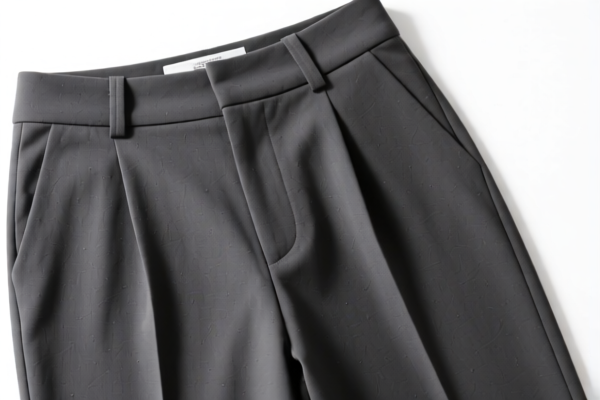
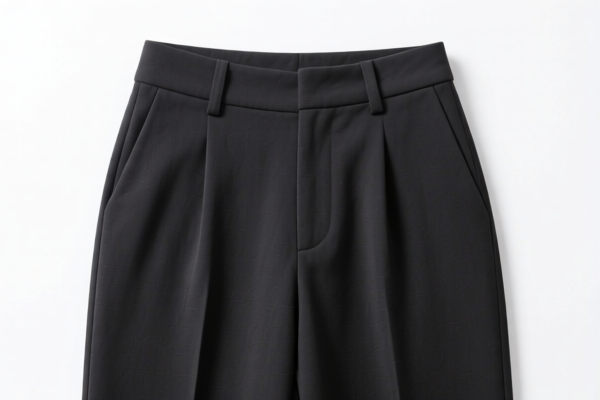
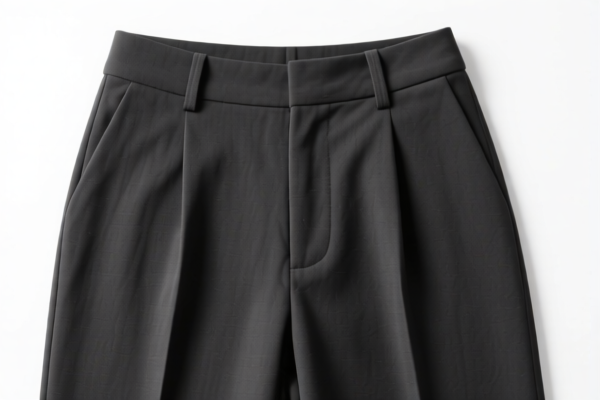
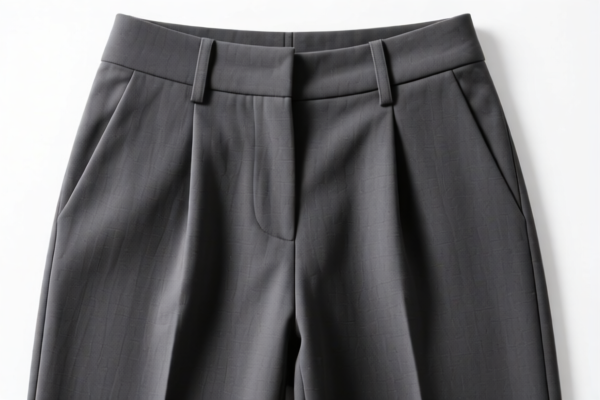
AI Analysis
👖 Women’s Pants (Bottoms for Female Apparel)
🌐 HS Code Reference & Clearance Guide | 2024-2025 Latest Tariff Analysis | Strategic Customs Strategy for US Imports
📌 1. Product Definition & Classification: Do You Truly Understand "Women's Pants"?
Women's pants, in the context of international trade, are not a single monolithic category. They are strictly segmented by material composition and construction type (knitted vs. woven). This distinction is critical because it determines the Harmonized System (HS) code, and consequently, the tariff burden.
Knitted or Crocheted (Jersey, Sweatpants, Leggings): Flexible, stretchy fabrics (typically Chapter 61).
Woven (Trousers, Jeans, Slacks, Suit Pants): Structured, non-stretch or limited-stretch fabrics (typically Chapter 62).
⚠️ Key Distinction Point:
- If the fabric is knitted (loop structure, stretchy) → Falls under Chapter 61 (e.g.,6104.63...).
- If the fabric is woven (weft/warp structure, structured) → Falls under Chapter 62 (e.g.,6204.62...).
- Misclassification Error: Declaring knitted leggings as "woven trousers" can lead to detention, as the HS codes have different base rates and regulatory requirements.
📦 2. HS Code Classification Details (Based on Provided Data)
The following table maps the provided HS codes to their specific product descriptions and material inferences as per the dataset.
| HS Code | Product Description (Inferred) | Material Composition | Total Tax Rate | Tax Breakdown |
|---|---|---|---|---|
6204.62.80.18 |
Women's Trousers/Breeches | Cotton or Non-Excluded Materials | 34.1% | Base: 16.6% + Sec 301: 7.5% + Sec 122: 10% + Other: 0%* |
6204.63.90.11 |
Women's Trousers/Breeches | Synthetic Fibers | 46.1% | Base: 28.6% + Sec 301: 7.5% + Sec 122: 10% + Other: 0%* |
6104.63.20.11 |
Women's Trousers/Breeches | Synthetic Fibers | 45.7% | Base: 28.2% + Sec 301: 7.5% + Sec 122: 10% + Other: 0%* |
6211.42.05.30 |
Women's Outerwear Trousers | Cotton or Synthetic Fibers | 25.6% | Base: 8.1% + Sec 301: 7.5% + Sec 122: 10% + Other: 0%* |
6211.42.10.30 |
Women's Sportswear Trousers | Cotton or Other Fibers | 25.6% | Base: 8.1% + Sec 301: 7.5% + Sec 122: 10% + Other: 0%* |
6208.99.50.20 |
Women's Silk Trousers | Silk | 24.6% | Base: 7.1% + Sec 301: 7.5% + Sec 122: 10% + Other: 0%* |
🔍 Critical Note on Tax Structure:
The "Total Tax" includes three components: 1. Base Duty: The standard MFN (Most Favored Nation) rate. 2. Section 301 Duty: An additional 7.5% imposed on goods from China. 3. Section 122 Duty: An additional 10% imposed on goods from China (often related to specific textile restrictions or trade remedy actions).Note: The sum of Base + 7.5% + 10% equals the Total Tax provided in the source data.
💰 3. Detailed Tariff Rate Explanation
✅ Applicable Country: United States (US)
✅ Country of Origin: China (CN) (Inferred from Sec 301 and Sec 122 applicability)
✅ Effective Time: Current active rates
🎯 1. High-Tariff Categories: 6204.62.80.18 & 6204.63.90.11
- Products: General woven women's trousers (Cotton/Synthetic).
- Total Tax: 34.1% (Cotton) / 46.1% (Synthetic).
- Breakdown:
- Base Duty: 16.6% (Cotton) or 28.6% (Synthetic). Synthetic fibers generally attract higher base duties.
- Sec 301 Surcharge: +7.5%
- Sec 122 Surcharge: +10%
- Implication: Synthetic woven pants are the most expensive category due to the high base rate (28.6%) combined with surcharges.
🎯 2. Knitted Synthetic Pants: 6104.63.20.11
- Product: Knitted women's trousers (e.g., leggings, sweatpants) made of synthetic fibers.
- Total Tax: 45.7%.
- Breakdown:
- Base Duty: 28.2%
- Sec 301 Surcharge: +7.5%
- Sec 122 Surcharge: +10%
- Implication: Despite being "knitted" (which sometimes has lower base rates for other items), synthetic knitted bottoms carry a very high base duty (28.2%), resulting in a near-identical total tax to woven synthetics.
🎯 3. Outerwear & Sportswear: 6211.42.05.30 & 6211.42.10.30
- Products: Women's outerwear trousers (e.g., windbreakers, technical pants) and sportswear.
- Total Tax: 25.6%.
- Breakdown:
- Base Duty: 8.1%
- Sec 301 Surcharge: +7.5%
- Sec 122 Surcharge: +10%
- Implication: Significant Cost Saving. If your pants can be classified as "Sportswear" or "Outerwear" rather than general "Trousers," the base duty drops drastically from ~16-28% to 8.1%, saving you roughly 9-10% in total landed cost.
🎯 4. Luxury/Natural Fiber: 6208.99.50.20
- Product: Women's trousers made of Silk.
- Total Tax: 24.6%.
- Breakdown:
- Base Duty: 7.1%
- Sec 301 Surcharge: +7.5%
- Sec 122 Surcharge: +10%
- Implication: Natural fibers like silk often enjoy lower base duties. This is the lowest total tax rate in the dataset.
🛠️ 4. Customs Clearance Practical Advice (Pitfall Avoidance Guide)
✅ 1. Documentation Checklist (Essential for Smooth Clearance)
| Document | Required? | Description |
|---|---|---|
| ✅ Commercial Invoice | ✔️ | Must explicitly state: "Women's Pants," Material (e.g., 100% Cotton, Polyester), and Country of Origin. |
| ✅ Packing List | ✔️ | Detail weight, dimensions, and quantity. |
| ✅ Product Spec Sheet | ✔️ | Include fabric composition, weave type (knitted vs. woven), and garment type (trousers vs. sportswear). |
| ✅ Brand Authorization | ✔️ | If selling a branded item, provide authorization to prevent IP seizures. |
| ✅ Textile Labels | ✔️ | Ensure physical garments have care labels and fiber content labels compliant with US FTC rules. |
✅ 2. Declaration Strategy (Key Mnemonic)
🔥 "Knitted vs. Woven, Sportswear Wins, Silk Shines Low!"
| Scenario | Correct HS Approach | Avoid This! |
|---|---|---|
| Standard Denim/Cotton Pants | 6204.62.80.18 (34.1%) |
Misclassifying as Sportswear to avoid tax → Audit Risk. |
| Synthetic Leggings | 6104.63.20.11 (45.7%) |
Declaring as "Cotton" → Seizure for Fraud. |
| Yoga Pants / Gym Wear | 6211.42.10.30 (25.6%) |
If they truly function as sportswear. |
| Silk Evening Pants | 6208.99.50.20 (24.6%) |
Declaring as Cotton → Overpaying Tax. |
| Mixed Fabric Pants | Determine Main Material by Weight | Guessing → Customs Delay. |
✅ 3. Special Considerations
| Situation | Handling Advice |
|---|---|
| "Sportswear" Classification | To qualify for 6211.42.10.30 (25.6% tax), the garment must be designed primarily for sports. Provide marketing materials or design specs showing athletic purpose (e.g., moisture-wicking, stretch zones). |
| Section 122 & 301 Impact | These surcharges are mandatory for Chinese-origin goods. There is no exemption for small packages in these categories (no de minimis for these specific high-tariff textile codes). |
| Material Inference | The HS code depends heavily on the fiber content. Ensure your supplier provides accurate fiber analysis reports. A "polyester-cotton blend" might be classified differently than 100% polyester. |
🌍 5. Global Market Comparison (2024-2025)
| Country/Region | Recommended HS Code (Example) | Base Duty | Surcharges (CN Origin) | Total Approx. | Notes |
|---|---|---|---|---|---|
| 🇺🇸 USA | 6204.62.80.18 |
16.6% | +17.5% (301+122) | 34.1% | Highest cost due to multiple surcharges. |
| 🇨🇳 China | 6204.62.80.18 |
Varies | None | ~8-10% | Domestic trade only; export to US faces full burden. |
| 🇪🇺 EU | 6204.63.90 |
12% | None (Usually) | ~12% | No Section 301/122 equivalents. Lower cost for EU market. |
| 🇬🇧 UK | 6204.63.90 |
12% | None | ~12% | Post-Brexit, aligns with EU generally. |
| 🇨🇦 Canada | 6204.63.90 |
17.5% | None | ~17.5% | Lower than US due to no Section 301. |
📌 Conclusion:
- USA Market: Extremely high friction due to Section 301 (7.5%) and Section 122 (10%) surcharges on top of base duties. - Alternative Markets: EU, UK, and Canada offer significantly lower landed costs for Chinese-origin textiles, but require robust supply chain routing if targeting these markets.
📌 6. Common Errors & Pitfalls (Lessons Learned)
❌ Error 1: Classifying "Yoga Pants" as general "Trousers" (6204.62...)
👉 Consequence: Paying 34.1% instead of 25.6%. If the product is genuinely designed for athletic use, it can be classified as Sportswear (6211.42.10.30), saving 8.5%.
❌ Error 2: Misidentifying Fabric Structure
👉 Consequence: Declaring Knitted (Ch 61) as Woven (Ch 62) or vice versa. This is a major customs violation.
- Knitted: Look for loops (like a knitted sweater).
- Woven: Look for a grid pattern (like a shirt).
❌ Error 3: Ignoring Section 122 Tariffs
👉 Consequence: Many importers only account for Section 301 (7.5%) but forget the additional 10% Section 122 duty, leading to unexpected bills at customs.
✅ Correct Practice:
"Women's Woven Cotton Trousers, Model XYZ, Made in China, Landed Cost Includes 34.1% Duty."
🎯 7. Conclusion: Precise Classification Saves Money
🎯 Remember the Mnemonic:
🔹 "Knitted is 61, Woven is 62."
🔹 "Sportswear is Cheaper (25.6%), Synthetics are Pricy (45-46%), Silk is Sweet (24.6%)."
🔹 "Add 17.5% on top for China (7.5% Sec 301 + 10% Sec 122)."
📌 Pro Tip:
If your product qualifies as Sportswear or is made of Silk, prioritize these classifications to reduce the base duty, thereby lowering the absolute dollar amount of the surcharges.
Always request a Product Material Test Report from your supplier to confirm fiber content and fabric structure (Knitted vs. Woven) before booking shipment.
📣 Immediate Action:
📞 Consult a licensed customs broker to verify the "Sportswear" eligibility if applicable.
🚀 Ensure your commercial invoice accurately reflects the HS Code and Material Composition to prevent delays.
✨ Professional clearance starts with accurate classification!
💼 Every percentage point of tax saved adds directly to your profit margin!
Customer Reviews
About HS Code Classification
The Harmonized System (HS) is an internationally standardized nomenclature developed by the World Customs Organization (WCO) to classify traded products. Over 200 countries use the HS system as the basis for customs tariffs, trade statistics, and import/export regulations.
Each HS code follows a hierarchical structure:
- Chapter (2 digits) — Broad category of goods (e.g., Chapter 84: Machinery and Mechanical Appliances)
- Heading (4 digits) — More specific grouping within the chapter
- Subheading (6 digits) — Internationally standardized breakdown, used by all WCO member countries
- National subdivisions (8-10 digits) — Country-specific extensions for further classification, such as US HTSUS 10-digit codes
Correct HS code classification is essential for smooth customs clearance, accurate duty payment, and compliance with trade regulations. Misclassification can lead to customs delays, overpayment of duties, or penalties.
When importing from CN to US, the applicable tariff rates may include:
- Most-Favored-Nation (MFN) rate — The standard duty rate applied to WTO members
- General rate — Applied to countries without trade agreements
- Trade remedy duties — Additional tariffs such as Section 301 (anti-dumping), Section 232 (national security), or countervailing duties
The information provided on this page is for reference purposes only. For official classification, please consult with your local customs authority or a licensed customs broker.