women separated swimwear
CN → US| HS Code | Tariff Rate | Origin | Destination | Doc |
|---|---|---|---|---|
| 6112310010 | 43.4% | CN | US | Official Doc |
| 6211111010 | 45.3% | CN | US | Official Doc |
| 6112410010 | 42.4% | CN | US | Official Doc |
| 6211111020 | 45.3% | CN | US | Official Doc |
| 6112410030 | 42.4% | CN | US | Official Doc |
Product Images
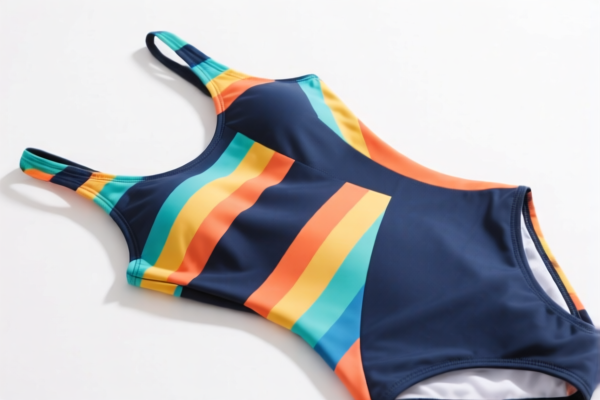
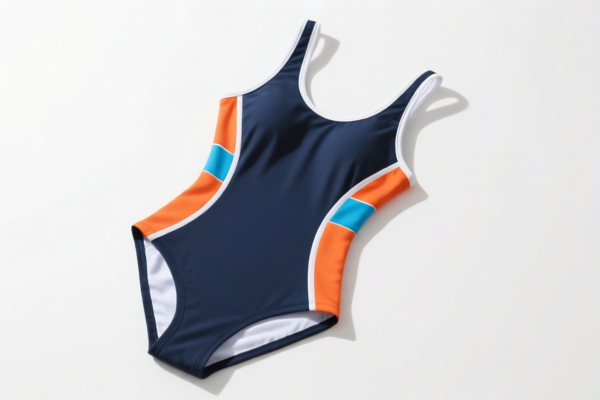
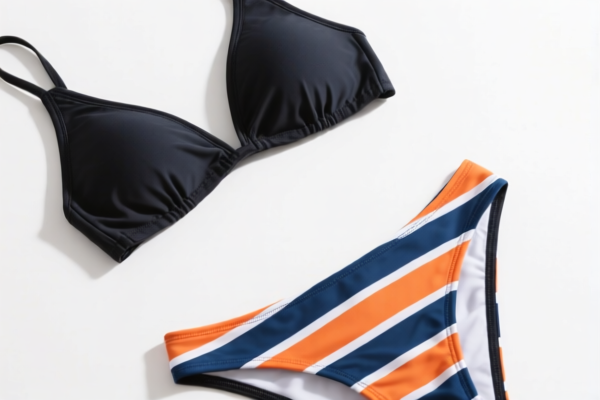

AI Analysis
👙 Women's Separated Swimwear (Two-Piece Swimsuits)
🌐 HS Code Reference & Clearance Guide | 2024/2026 Tariff Analysis | Professional Customs Strategy
📌 I. Product Definition & Classification: Do You Know "Separately Sold Swimwear"?
Women's "separated swimwear" refers to two-piece swimsuits where the top (bikini top) and bottom (bikini bottom) are sold as separate items, not as a single set. In international trade, the classification depends heavily on the material composition (Synthetic vs. Artificial/Man-made fibers) and the knitting/weaving method.
⚠️ Key Distinction:
- Knitted/Crocheted → Generally falls under Chapter 61 (Articles of Apparel and Clothing Accessories, Knitted or Crocheted).
- Woven (Non-knitted) → Generally falls under Chapter 62 (Articles of Apparel and Clothing Accessories, Not Knitted or Crocheted).
- Material: Synthetic (e.g., Nylon, Polyester) vs. Artificial (e.g., Rayon, Viscose).
📦 II. HS Code Classification Details (Based on Provided Data)
Based on the provided dataset, here are the specific HS Codes for Women's Separated Swimwear, categorized by material and construction:
| HS Code | Product Description | Material Type | Construction | Estimated Total Tax Rate* |
|---|---|---|---|---|
6112.31.00.10 |
Women's Separated Swimwear | Synthetic Fiber | Knitted/Crocheted | 43.4% |
6112.41.00.10 |
Women's Separated Swimwear | Synthetic Fiber | Knitted/Crocheted | 42.4% |
6112.41.00.30 |
Women's One-Piece Swimsuit* | Synthetic Fiber | Knitted/Crocheted | 42.4% |
6211.11.10.10 |
Women's Separated Swimwear | Artificial Fiber | Woven | 45.3% |
6211.11.10.20 |
Women's Separated Swimwear | Artificial Fiber | Woven | 45.3% |
* Note: The dataset includes
6112.41.00.30labeled as "Women's Swimsuit" (likely one-piece or general category), while the others are explicitly "Separated." Always verify the specific design in customs declarations.🔍 Important Reminder:
- "Synthetic" includes Polyester, Nylon, Spandex blends.
- "Artificial" includes Rayon, Viscose, Acetate.
- Knitted means the fabric is made by interlocking loops (stretchy).
- Woven means the fabric is made by weaving threads (less stretch, structured).
💰 III. 2024/2026 Latest Tariff Rate Breakdown (Including Additional Duties)
✅ Applicable Country: USA (US)
✅ Origin: China (CN)
✅ Effective Time: Current rates apply (Subject to 301/122 Section updates)
🎯 1. Synthetic Fiber Swimsuits (Chapter 61)
| Item | Detail |
|---|---|
| HS Codes | 6112.31.00.10, 6112.41.00.10, 6112.41.00.30 |
| Material | Synthetic Fibers (e.g., Polyester, Nylon) |
| Base Duty | ~24.9% - 25.9% (Ad Valorem) |
| Section 301 Duty | +7.5% (Additional Duty) |
| Section 122 Duty | +10% (Under certain conditions for specific apparel) |
| Total Tax Rate | 42.4% - 43.4% |
| Calculation | CIF Value × Total Rate |
| De Minimis Exemption? | ❌ No (Section 301 duties generally do not apply to de minimis, but check latest CBP memos; however, for large shipments, this is strict) |
📌 Explanation:
- The base duty for knit swimwear is relatively low (often 0-17%), but the Section 301 additional duty of 7.5% significantly increases the cost.
- Section 122 may apply depending on the specific subheading and origin, adding another 10%.
- Total Impact: Over 40% tariff, making cost control critical.
🎯 2. Artificial Fiber Swimsuits (Chapter 62)
| Item | Detail |
|---|---|
| HS Codes | 6211.11.10.10, 6211.11.10.20 |
| Material | Artificial Fibers (e.g., Rayon, Viscose) |
| Base Duty | ~27.8% (Ad Valorem) |
| Section 301 Duty | +7.5% |
| Section 122 Duty | +10% |
| Total Tax Rate | 45.3% |
| Calculation | CIF Value × 45.3% |
| De Minimis Exemption? | ❌ No |
📌 Explanation:
- Woven artificial fiber swimwear has a higher base duty (27.8%) compared to synthetic knitwear.
- With additional duties, the total rate reaches 45.3%, the highest in the dataset.
- Cost Warning: This is the most expensive category to import. Consider synthetic fibers if possible to reduce base duty.
🛠️ IV. Clearance Practical Advice (Avoiding Pitfalls)
✅ 1. Required Documentation Checklist
| Document | Required? | Notes |
|---|---|---|
| ✅ Commercial Invoice | ✔️ | Must clearly state "Women's Two-Piece Swimsuit, Separately Sold" |
| ✅ Product Description | ✔️ | Specify "Synthetic" or "Artificial" fiber content (e.g., 80% Polyester, 20% Spandex) |
| ✅ Fabric Composition Label | ✔️ | Photo of the care label inside the garment |
| ✅ Test Report | ✔️ | Fiber composition test from an accredited lab (critical for correct HS Code) |
| ✅ Packaging Details | ✔️ | If sold separately, declare each piece's value if possible, or total set value |
✅ 2. Declaration Tips (Key Rules)
🔥 "Material Determines Chapter, Knit/Weave Determines Chapter 61/62"
| Scenario | Correct HS Code Approach | Wrong Approach |
|---|---|---|
| Knit, Synthetic | 6112.31.00.10 or 6112.41.00.10 |
Misclassify as Woven → Higher Base Duty |
| Woven, Artificial | 6211.11.10.10 |
Misclassify as Synthetic → Incorrect Base Duty |
| Set Sold Together | Declare as Set if marketed as one, but if separated in invoice, declare as separate items | Force a "set" classification to avoid scrutiny → Risk of Audit |
| Mixed Materials | Use the material that gives the essential character | Ignore fiber content → High Risk of Re-classification |
✅ 3. Special Considerations
| Case | Advice |
|---|---|
| OEM/Private Label | Ensure the invoice matches the product exactly. "Swimsuit" is not enough; specify "Two-Piece, Separately Sold." |
| Spandex/Lycra Content | If >5%, it's still "Synthetic." Ensure the test report confirms this. |
| Section 122 Applicability | Verify if your specific HS Code triggers Section 122. Some knit swimwear may be exempt, but the data shows +10% for these codes. |
| De Minimis (Section 321) | Do NOT rely on De Minimis for Section 301 goods if the value exceeds thresholds or if the carrier restricts it. Check with your freight forwarder. |
🌍 V. Global Market Comparison (2024/2026)
| Country/Region | Recommended HS Code | Approx. Tariff | Certification | Notes |
|---|---|---|---|---|
| 🇺🇸 USA | 6112.31.00.10 / 6211.11.10.10 |
42.4% - 45.3% | No specific certification, but fiber test needed | High tariff due to Section 301 + 122 |
| 🇨🇳 China | 6112.31.00 / 6211.11.10 |
~8-13% | N/A | No Section 301 |
| 🇪🇺 EU | 6112.31 / 6211.11 |
12% | CE (if functional), No specific swimwear tariff | No Section 301 equivalent |
| 🇬🇧 UK | 6112.31 / 6211.11 |
12% | UKCA | Post-Brexit rules apply |
📌 Conclusion:
- USA is the most expensive market for Chinese-made swimwear due to cumulative additional duties.
- Cost Optimization: Consider shifting production to non-China origins (e.g., Vietnam, India) if possible to avoid Section 301 duties.
- Material Choice: Synthetic knitwear (6112.31.00.10) has a slightly lower total tax rate (43.4%) than artificial woven (6211.11.10.10at 45.3%). Choose synthetic if cost is the primary driver.
📌 VI. Common Errors & Pitfalls (Lessons Learned)
❌ Error 1: Declaring "Swimsuit" without specifying "Separated" or "Two-Piece"
👉 Consequence: CBP may re-classify as "One-Piece" or "Set," leading to different duty rates and penalties.
❌ Error 2: Ignoring Fiber Composition
👉 Consequence: Misdeclaring "Artificial" as "Synthetic" or vice versa leads to incorrect base duty and potential fraud charges.
❌ Error 3: Assuming De Minimis Applies to Section 301 Goods
👉 Consequence: Packages may be seized or returned if Section 301 duties are not paid.
❌ Error 4: Not Providing a Fiber Test Report
👉 Consequence: Customs may impose a high "unknown material" duty or hold the shipment for testing.
✅ Correct Approach:
"Women's Two-Piece Swimsuit, Top and Bottom Sold Separately, Synthetic Fiber (Polyester/Spandex), Knitted, Model XYZ, Origin China"
🎯 VII. Conclusion: Professional Declaration, Cost Savings, Smooth Clearance
🎯 Remember the Golden Rules:
🔹 "Knit is 61, Woven is 62"
🔹 "Synthetic is Cheaper Base, Artificial is More Expensive"
🔹 "Section 301 + 122 = Over 40% Total Tax"
🔹 "Always Provide a Fiber Test Report!"
📌 Pro Tip:
If you are importing large volumes, consider applying for an Advance Ruling from CBP to confirm the HS Code and duty rate before shipment. This reduces the risk of unexpected costs.
📣 Immediate Action:
📞 Contact a licensed Customs Broker
📄 Prepare a Fiber Composition Test Report
🚀 Ensure your Commercial Invoice is precise and detailed
✨ Professional Customs Clearance Starts with Accurate Classification!
💼 Every Percent of Duty Saved is Pure Profit!
Customer Reviews
About HS Code Classification
The Harmonized System (HS) is an internationally standardized nomenclature developed by the World Customs Organization (WCO) to classify traded products. Over 200 countries use the HS system as the basis for customs tariffs, trade statistics, and import/export regulations.
Each HS code follows a hierarchical structure:
- Chapter (2 digits) — Broad category of goods (e.g., Chapter 84: Machinery and Mechanical Appliances)
- Heading (4 digits) — More specific grouping within the chapter
- Subheading (6 digits) — Internationally standardized breakdown, used by all WCO member countries
- National subdivisions (8-10 digits) — Country-specific extensions for further classification, such as US HTSUS 10-digit codes
Correct HS code classification is essential for smooth customs clearance, accurate duty payment, and compliance with trade regulations. Misclassification can lead to customs delays, overpayment of duties, or penalties.
When importing from CN to US, the applicable tariff rates may include:
- Most-Favored-Nation (MFN) rate — The standard duty rate applied to WTO members
- General rate — Applied to countries without trade agreements
- Trade remedy duties — Additional tariffs such as Section 301 (anti-dumping), Section 232 (national security), or countervailing duties
The information provided on this page is for reference purposes only. For official classification, please consult with your local customs authority or a licensed customs broker.