women t shirts
CN → US| HS Code | Tariff Rate | Origin | Destination | Doc |
|---|---|---|---|---|
| 6114200010 | 28.3% | CN | US | Official Doc |
| 6114301020 | 45.7% | CN | US | Official Doc |
| 6109901050 | 49.5% | CN | US | Official Doc |
| 6206403035 | 44.4% | CN | US | Official Doc |
| 6109100040 | 34.0% | CN | US | Official Doc |
Product Images
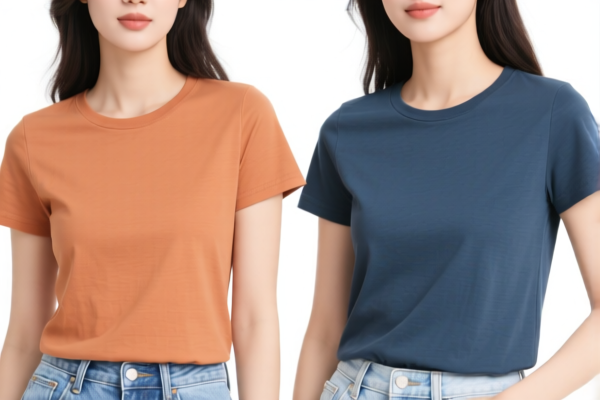
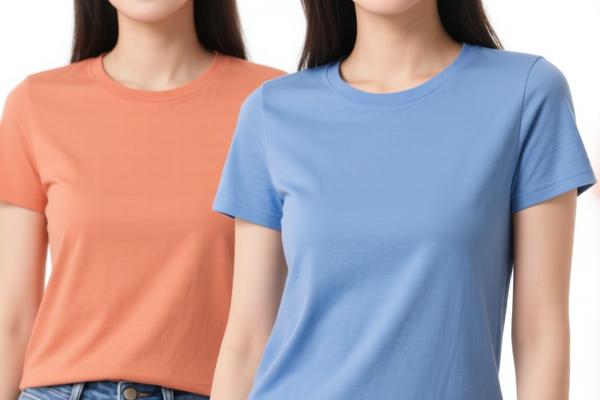
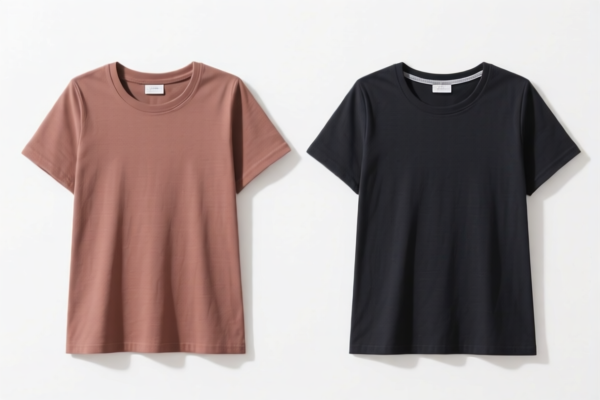
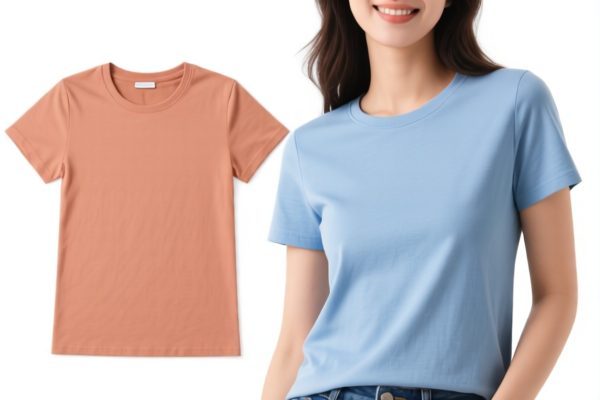
AI Analysis
👗 Women’s T-Shirts & Tops (Apparel for Women)
🌐 HS Code Reference & Customs Clearance Guide | 2026 Latest Tariff Breakdown | Strategic Clearance Strategy
📌 I. Product Definition & Classification: Do You Really Know "Women's T-Shirts"?
In international trade, "Women's T-Shirts" and "Women's Tops" are not just one single item. They are strictly classified based on Knitting vs. Woven, Material (Cotton vs. Synthetic vs. Other), and Product Type. Misclassification here leads to significant tax discrepancies and clearance delays.
Key Distinctions: * Knitted T-Shirts (Tops): Made by knitting (elastic, stretchy). Typically classified under Chapter 61. * Woven Tops (Shirts): Made by weaving (structured, non-stretch). Typically classified under Chapter 62. * Material Matters: Cotton, Man-made Fiber (Polyester/Nylon), and "Other" materials have different Base Rates and Total Effective Tax Rates.
⚠️ Critical Warning:
- Knitted vs. Woven: A "T-shirt" is usually knitted (Ch. 61). A "Blouse" or "Shirt" is usually woven (Ch. 62).
- Material Composition: The primary fiber determines the sub-heading. If it’s 50% Cotton + 50% Polyester, specific rules apply (usually the material that gives the essential character, or by weight).
- High Tariff Alert: Due to Section 301 and Section 122 tariffs, imports from China are subject to extraordinarily high cumulative taxes.
📦 II. HS Code Classification Details (2026 Latest Authority)
Below are the precise HS Codes from the provided data, mapped to specific product types.
| HS Code | Product Description | Material | Structure | Key Identifier |
|---|---|---|---|---|
6114.20.00.10 |
Women's Cotton Knitted T-Shirt (Summary: 女式棉制针织T恤上衣) | 100% Cotton | Knitted | Classic cotton tee, breathable, stretchy. |
6109.10.00.40 |
Women's Cotton Knitted T-Shirt (Summary: 女式棉制针织T恤) | 100% Cotton | Knitted | General cotton tee, often lighter weight or specific cut. |
6114.30.10.20 |
Women's Man-Made Fiber Knitted T-Shirt (Summary: 女式人造纤维制针织T恤上衣) | Polyester/Nylon/etc. | Knitted | Synthetic fabrics, moisture-wicking, sporty, or fast-fashion. |
6109.90.10.50 |
Women's T-Shirt of Other Textile Materials (Summary: 女式其他纺织材料制T恤) | Other (e.g., Wool, Silk, Blends) | Knitted | Non-cotton, non-man-made fiber (e.g., Silk blends, Wool knits). |
6206.40.30.35 |
Women's Woven Top of Other Fibers (Summary: 女式其他纤维制梭织上衣) | Other (Non-Cotton) | Woven | Blouses, button-downs, or structured tops that look like shirts but aren't traditional tees. |
🔍 Important Note:
- HS Code6114vs6109: Both are knitted.6114is often for "other garments," while6109is specifically for "T-shirts, singlets, and similar vests." In practice, many cotton tees fall under6109, but some structured knit tops fall under6114. The data provided lists both for cotton.
- HS Code6206: This is Woven. If your product is a "T-shirt" but made of woven fabric (rare for standard tees, common for "T-shirt dresses" or structured blouses), it falls here.
- "Other Materials": Includes silk, wool, linen, or blends not primarily cotton or synthetic man-made fibers.
💰 III. 2026 Latest Tariff Rate Breakdown (Including Additional Taxes)
✅ Applicable Country: USA (US)
✅ Origin: China (CN)
✅ Effective Date: Current regime includes Base Tariff + Section 301 (7.5% or more) + Section 122 (10% on certain apparel).
🎯 1. 6114.20.00.10 & 6109.10.00.40 —— Women's Cotton Knitted T-Shirts
| Item | Content |
|---|---|
| Base Tariff | 10.8% (for 6114.20.00.10) / 16.5% (for 6109.10.00.40) |
| Section 301 Tariff | +7.5% (Standard 301 rate for apparel) |
| Section 122 Tariff | +10% (Specific apparel surcharge) |
| Total Effective Tax Rate | 34.0% – 28.3% |
| Tax Calculation | CIF Value × Total Rate |
| De Minimis Exemption | ❌ NOT ELIGIBLE (De Minimis does NOT apply to Section 301/122 goods) |
| Legal Basis | Base Tariff + IEEPA/Section 301 + Section 122 |
📌 Explanation:
- Cotton Tees are heavily taxed. Even though cotton is a natural fiber, the US imposes high duties to protect domestic textile industries.
-6114.20.00.10: Lower base tariff (10.8%) → Total 28.3%.
-6109.10.00.40: Higher base tariff (16.5%) → Total 34.0%.
- Why the difference? HS Code structure and specific product definitions within the US HTS.
🎯 2. 6114.30.10.20 —— Women's Man-Made Fiber Knitted T-Shirts
| Item | Content |
|---|---|
| Base Tariff | 28.2% (Significantly higher for synthetics) |
| Section 301 Tariff | +7.5% |
| Section 122 Tariff | +10% |
| Total Effective Tax Rate | 45.7% |
| Tax Calculation | CIF Value × 45.7% |
| De Minimis Exemption | ❌ NOT ELIGIBLE |
| Legal Basis | Base Tariff + IEEPA/Section 301 + Section 122 |
📌 Note:
- Synthetic fibers (Polyester, Nylon) face higher base tariffs than cotton.
- Total Rate: 45.7% is extremely high. This makes importing polyester T-shirts from China to the US very costly.
🎯 3. 6109.90.10.50 —— Women's T-Shirts of Other Textile Materials
| Item | Content |
|---|---|
| Base Tariff | 32.0% (High for "other" materials) |
| Section 301 Tariff | +7.5% |
| Section 122 Tariff | +10% |
| Total Effective Tax Rate | 49.5% |
| Tax Calculation | CIF Value × 49.5% |
| De Minimis Exemption | ❌ NOT ELIGIBLE |
| Legal Basis | Base Tariff + IEEPA/Section 301 + Section 122 |
📌 Note:
- "Other Materials" (e.g., silk, wool, linen) often have high base rates due to luxury status or lack of domestic production capacity.
- Total Rate: 49.5% is the HIGHEST in this list.
🎯 4. 6206.40.30.35 —— Women's Woven Tops of Other Fibers
| Item | Content |
|---|---|
| Base Tariff | 26.9% |
| Section 301 Tariff | +7.5% |
| Section 122 Tariff | +10% |
| Total Effective Tax Rate | 44.4% |
| Tax Calculation | CIF Value × 44.4% |
| De Minimis Exemption | ❌ NOT ELIGIBLE |
| Legal Basis | Base Tariff + IEEPA/Section 301 + Section 122 |
📌 Note:
- Woven tops (blouses, shirts) are classified differently from knitted tees.
- Total Rate: 44.4% is also very high.
- If your product is a "T-shirt" but made of woven fabric (e.g., a structured poplin top), it falls here, not in the knitted categories.
🛠️ IV. Customs Clearance Practical Advice (Battle-Tested Pitfall Avoidance)
✅ 1. Essential Documentation Checklist (Non-Negotiable)
| Document | Must Provide | Explanation |
|---|---|---|
| ✅ Product Spec Sheet | ✔️ | Must detail: Fabric composition (e.g., "100% Cotton Jersey"), Knit/Woven structure, Weight (GSM), Style. |
| ✅ Fabric Swatch/Test | ✔️ | CRITICAL: Customs may ask for a fabric test to confirm if it's Knitted vs. Woven and verify fiber content. |
| ✅ Commercial Invoice | ✔️ | Must clearly state: "Women's Knitted T-Shirt, 100% Cotton" OR "Women's Woven Blouse, Polyester". Avoid generic "Clothing". |
| ✅ Packing List | ✔️ | Detail contents. Ensure no mixed HS Codes in one shipment unless properly declared. |
| ✅ Proof of Origin | ✔️ | If claiming FTA benefits (e.g., from Vietnam, Mexico), you need a valid Certificate of Origin. Note: Section 301/122 may still apply if origin is China. |
| ✅ Test Reports | ✔️ | CPSIA (for children), Prop 65, Fluorescence, Azo Dyes, etc., as required by US CBP. |
✅ 2. Declaration Tips (Key Mantra)
🔥 "Knit vs. Woven, Cotton vs. Synthetic, Name It Right, Avoid the Hit!"
| Scenario | Correct Declaration | Wrong Practice |
|---|---|---|
| Cotton T-Shirt (Knitted) | 6109.10.00.40 or 6114.20.00.10 |
Misdeclaring as 6206 (Woven) → Penalty + Back Taxes |
| Polyester T-Shirt (Knitted) | 6114.30.10.20 |
Declaring as "Cotton" → Customs Detention + Lab Test |
| Silk Top (Knitted) | 6109.90.10.50 |
Generic "T-shirt" → Misclassification |
| Blouse (Woven) | 6206.40.30.35 |
Declaring as "T-shirt" (Knitted) → Wrong HTS, Higher/Incorrect Duty |
| Mixed Materials | Test Report Required | Guessing composition → CBP Seizure |
📌 Critical Clearance Strategy:
- Never use "De Minimis" (Section 321) for Section 301/122 Goods: If you ship < $800 value, you might think you don't pay duty. WRONG. Section 301 and Section 122 tariffs do not qualify for De Minimis exemption. You MUST declare and pay the full tax.
- Fabric Test is King: CBP frequently issues "Requests for Information" (RFIs) for apparel. A third-party lab test confirming 100% Cotton Knitted Jersey will save weeks of delay.
✅ 3. Special Circumstances
| Situation | Handling Advice |
|---|---|
| OEM/Private Label | Provide brand authorization letters if using a trademarked brand. |
| Sample Shipments | Still subject to full tariffs. Mark as "Commercial Sample" but duty applies. |
| Kit/Bundle | If T-shirt + hat + socks, the Essential Character rule applies. If T-shirt is main item, entire kit may be taxed as T-shirt. |
| Origin Shift | If fabric is woven in China, cut/sewn in Vietnam → USMCA/FTA benefits may NOT apply due to "Yarn Forward" rule. Check specific FTA rules. |
🌍 V. Global Market Comparison (2026 Latest)
| Country/Region | Recommended HS Code | Approx. Duty (China Origin) | Certification | Note |
|---|---|---|---|---|
| 🇺🇸 USA | 6114.20.00.10 / 6114.30.10.20 |
28.3% – 49.5% | CPSIA, Prop 65, Oeko-Tex | Highest Taxes: Base + 301 + 122. De Minimis NOT applicable. |
| 🇨🇳 China | 6109.90.00.00 |
10-16% | CCC (if applicable) | Import Duty + VAT (13%). Lower than US. |
| 🇪🇺 EU | 6109.10.00 |
12% | CE (if textile chemicals), REACH | No Section 301/122. Standard MFN rates. |
| 🇬🇧 UK | 6109.10.00 |
12% | UKCA | Post-Brexit rules. Similar to EU. |
| 🇯🇵 Japan | 6109.10.00 |
16% | PSE (if electronic tags) | Standard rates. No extra apparel surcharges. |
| 🇦🇺 Australia | 6109.10.00 |
10% | ACCC Labeling | GST 10% on top. |
📌 Conclusion:
- USA is the most expensive market for Chinese apparel due to Section 301 and Section 122.
- EU/UK/Japan/Australia have much lower tariffs (10-16%).
- Strategy: If targeting the US, consider supply chain diversification (e.g., producing in Vietnam, Bangladesh, or India) to avoid Section 301/122 tariffs, OR accept the high cost and price accordingly.
📌 VI. Common Errors & Pitfall Guide (Blood & Tears Lessons)
❌ Error 1: Claiming "De Minimis" for T-shirts under $800
👉 Result: CBP seizes package, demands payment of 28-49% duty + penalties.
Fix: Declare all apparel from China, regardless of value.
❌ Error 2: Misdeclaring Polyester as "Cotton"
👉 Result: Duty drops from 45.7% to 28.3%, but Customs lab test reveals truth → Fraud allegation + Back Taxes + Fine.
Fix: Always include fabric composition in invoice and spec sheet.
❌ Error 3: Confusing Knitted vs. Woven
👉 Result: Knitted Tees (61xx) vs. Woven Tops (62xx) have different base rates. Misclassification leads to delays.
Fix: Provide fabric swatch and structure description (Knitted = looped; Woven = interlaced).
❌ Error 4: Generic Description "Women's Shirt"
👉 Result: CBP uses discretion, often assigns highest possible rate or demands detailed breakdown.
Fix: Use specific HS Code and precise description: "Women's Knitted T-Shirt, 100% Cotton, Crew Neck".
✅ Correct Action:
"Women's Knitted T-Shirt, 100% Cotton, Crew Neck, Short Sleeve, Model XYZ, CIF $10.00"
HS Code:6109.10.00.40
Total Tax: 34.0%
🎯 VII. Conclusion: Precise Classification Saves Money!
🎯 Remember the Mantra:
🔹 "Knit or Woven? Cotton or Synthetic? Name It Clear, Pay Less Fear!"
🔹 "De Minimis is DEAD for China Apparel in US!"
🔹 "Section 122 + 301 = High Cost, Plan Ahead!"
📌 Pro Tip:
- If your T-shirts are knitted from cotton, check if 6114.20.00.10 (28.3%) or 6109.10.00.40 (34.0%) fits your style.
- If polyester, expect 45.7%.
- If silk/wool, expect 49.5%.
- Always get a fabric test report.
- Consider shipping from non-China countries if margins are thin.
📣 Immediate Action:
📞 Contact your freight forwarder + Provide Product Photos + Request HS Code Pre-Ruling from CBP
🚀 Clear Customs Smoothly, Avoid Seizure, Protect Your Profit!
✨ Professional Clearance Starts with Accurate Classification!
💼 Every Percent of Tax Matters!
Customer Reviews
About HS Code Classification
The Harmonized System (HS) is an internationally standardized nomenclature developed by the World Customs Organization (WCO) to classify traded products. Over 200 countries use the HS system as the basis for customs tariffs, trade statistics, and import/export regulations.
Each HS code follows a hierarchical structure:
- Chapter (2 digits) — Broad category of goods (e.g., Chapter 84: Machinery and Mechanical Appliances)
- Heading (4 digits) — More specific grouping within the chapter
- Subheading (6 digits) — Internationally standardized breakdown, used by all WCO member countries
- National subdivisions (8-10 digits) — Country-specific extensions for further classification, such as US HTSUS 10-digit codes
Correct HS code classification is essential for smooth customs clearance, accurate duty payment, and compliance with trade regulations. Misclassification can lead to customs delays, overpayment of duties, or penalties.
When importing from CN to US, the applicable tariff rates may include:
- Most-Favored-Nation (MFN) rate — The standard duty rate applied to WTO members
- General rate — Applied to countries without trade agreements
- Trade remedy duties — Additional tariffs such as Section 301 (anti-dumping), Section 232 (national security), or countervailing duties
The information provided on this page is for reference purposes only. For official classification, please consult with your local customs authority or a licensed customs broker.