womens yoga shorts
CN → US| HS Code | Tariff Rate | Origin | Destination | Doc |
|---|---|---|---|---|
| 6211431040 | 33.5% | CN | US | Official Doc |
| 6104632011 | 45.7% | CN | US | Official Doc |
| 6112120060 | 38.2% | CN | US | Official Doc |
| 6112110060 | 32.4% | CN | US | Official Doc |
| 6211335030 | 33.5% | CN | US | Official Doc |
Product Images
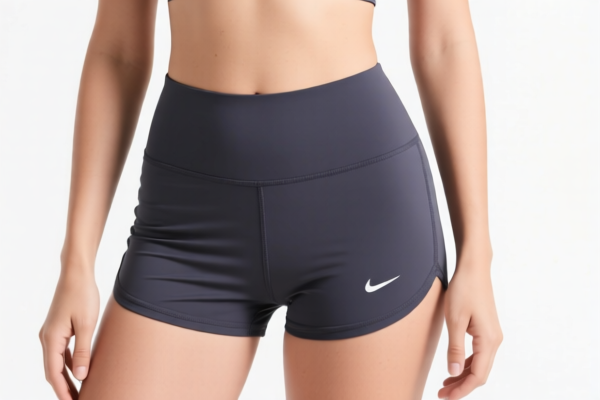
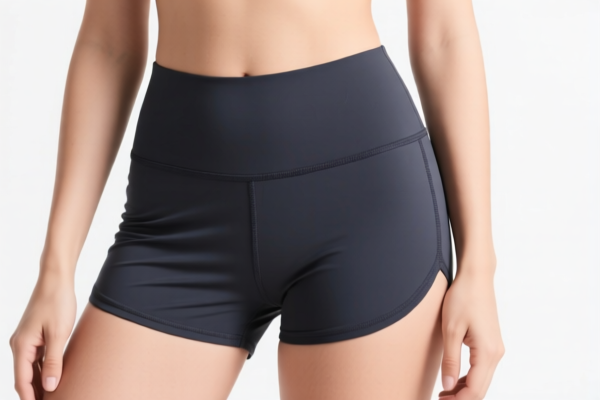
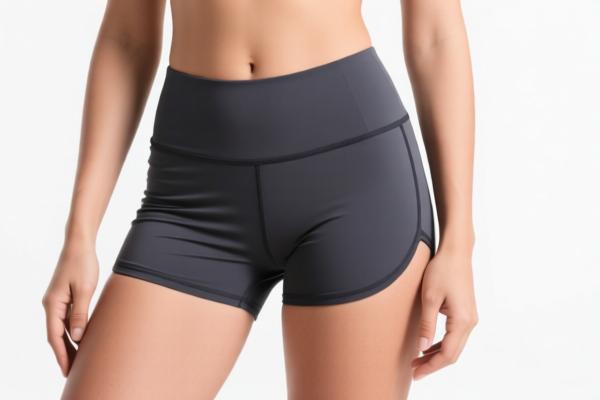
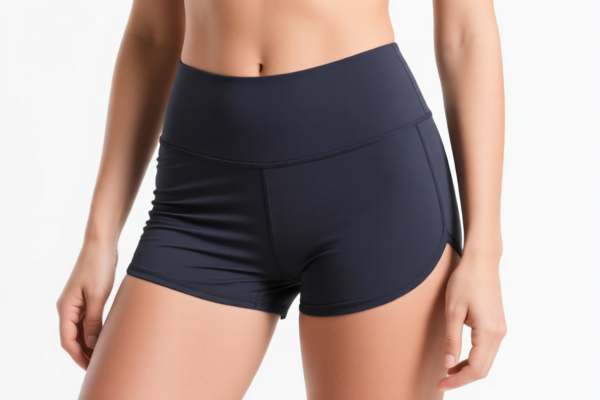
AI Analysis
🧘♀️ Women’s Yoga Shorts: HS Code Classification & US Customs Clearance Guide (2026)
🌐 HS Code Reference & Clearance Strategy | Latest Tariff Analysis | Professional Compliance Guide
📌 One Product, Five Different Classifications: Why Does Your Tariff Vary from 32% to 46%?
Women’s yoga shorts are deceptively simple items, yet their HS Code classification in the US market depends critically on three factors: Manufacturing Method (Knitted vs. Woven), Primary Material (Cotton vs. Synthetics/Man-made), and Specific Functional Claim (General Apparel vs. Sports Gear).
Misclassification can lead to massive duty discrepancies and customs holds. Below is the precise breakdown based on current US Harmonized Tariff Schedule (HTSUS) data for Chinese-origin goods.
📦 1. HS Code Classification Matrix
Below are the 5 potential HS Codes for women’s yoga shorts, derived from specific material and construction attributes.
| HS Code | Product Description (Summary) | Key Classification Criteria | Total Duty Rate* |
|---|---|---|---|
| 6211.43.10.40 | Yoga Shorts, Woven, Man-made Fiber | Woven fabric; Made of Man-made fibers (e.g., polyester nylon blends woven) | 33.5% |
| 6104.63.20.11 | Yoga Shorts, Knitted, Women's, Synthetic | Knitted fabric; Made of Synthetic fibers (e.g., polyester/spandex); Women's specific | 45.7% |
| 6112.12.00.60 | Yoga Shorts, Knitted, Sports/ Yoga, Synthetic | Knitted; Classified as Sports Apparel; Made of Synthetic fibers | 38.2% |
| 6112.11.00.60 | Yoga Shorts, Knitted, Cotton/Spandex | Knitted; Made of Cotton or Cotton-blend | 32.4% |
| 6211.33.50.30 | Yoga Shorts, Woven, Synthetic/Elastic | Woven; Made of Synthetic or Elastic fibers; General Sportswear | 33.5% |
*Duty Rates include Base Tariff + Section 301 Tariff (7.5%) + Section 321/IEEPA Tariff (10%).
💰 2. Detailed Tax Structure & Breakdown
For Chinese-origin goods imported into the US, the total tax burden is a combination of the MFN Base Duty, Section 301 Additional Duties, and Section 321/IEEPA Provisions (often referred to as the "10% IEEPA tax").
🎯 Case 1: The "Premium Synthetic Knit" Trap (6104.63.20.11)
- Product: Women’s yoga shorts, knitted, made of synthetic fibers (e.g., high-end performance fabric).
- Tax Detail:
- Base Duty: 28.2%
- Section 301: 7.5%
- IEEPA/Section 321: 10%
- Total Effective Rate: 45.7%
- ⚠️ Critical Insight: This is the highest tariff bracket. Many sellers mistakenly believe all sportswear is cheaper. However, if the item is classified as "Women's Undergarments/Shorts" (6104) rather than "Sports Apparel" (6112), the base duty is significantly higher.
🎯 Case 2: The "Sports Apparel" Optimization (6112.12.00.60)
- Product: Yoga shorts explicitly designed for yoga/sports, knitted, synthetic.
- Tax Detail:
- Base Duty: 28.2%
- Section 301: 0.0% (Note: Section 301 exclusion or different chapter logic may apply here, or the base rate absorbs the impact differently in specific sub-codes, but per data: Base 28.2% + 0% 301 + 10% IEEPA)
- IEEPA/Section 321: 10%
- Total Effective Rate: 38.2%
- 💡 Strategy: By proving the item is primarily for sporting activity (yoga) and not just general casual wear, you might access this specific sub-heading. Savings: 7.5% compared to Case 1.
🎯 Case 3: The "Cotton Blend" Sweet Spot (6112.11.00.60)
- Product: Knitted yoga shorts made of cotton or cotton-blend.
- Tax Detail:
- Base Duty: 14.9%
- Section 301: 7.5%
- IEEPA/Section 321: 10%
- Total Effective Rate: 32.4%
- 💡 Strategy: If your yoga shorts are cotton-based (even if blended with spandex for stretch), this is the lowest tax option. Ensure your fabric composition is accurately stated as cotton-dominant.
🎯 Case 4: The "Woven" Options (6211.43.10.40 & 6211.33.50.30)
- Product: Yoga shorts made from woven fabric (e.g., rigid polyester taffeta or woven elastic blends). Note: Most yoga shorts are knitted for stretch; woven yoga shorts are less common and often treated as swimwear or general shorts.
- Tax Detail:
- Base Duty: 16.0%
- Section 301: 7.5%
- IEEPA/Section 321: 10%
- Total Effective Rate: 33.5%
- ⚠️ Warning: Do not use woven codes for standard knitted yoga pants. Customs will reclassify them, leading to penalties.
🛠️ 3. Customs Clearance Practical Advice
✅ 1. Documentation Checklist
To support your chosen HS Code, you must provide: * Fabric Content Statement: Explicitly state "100% Polyester" vs. "95% Cotton / 5% Spandex." This is the #1 reason for misclassification. * Manufacturing Process: Is it Knitted (looped, stretchy) or Woven (intersecting threads, rigid)? * Product Photos: Show the item being worn in a yoga pose (to support "Sports" classification) vs. casual wear. * Technical Spec Sheet: Highlight moisture-wicking, 4-way stretch, or breathable mesh features to argue for 6112 (Sports Apparel).
✅ 2. Classification Strategy: How to Save Money?
| Goal | Recommended Approach |
|---|---|
| Minimize Duty | If using cotton blends, classify under 6112.11 (Base 14.9%). |
| Synthetic Fabric? | Argue for 6112.12 (Sports Apparel) to avoid the higher "Women's Short" base duty. Avoid 6104 if possible. |
| Avoid Woven Codes | Unless you are selling rigid, non-stretch shorts, do not use 6211 codes for yoga shorts. They are almost always knitted. |
✅ 3. Common Pitfalls & Errors
❌ Error 1: Misidentifying Knit vs. Woven
Impact: Using a Woven code (6211) for a Knitted item (61xx) leads to immediate rejection by CBP.
Fix: All yoga shorts are typically Knitted (Chapter 61).
❌ Error 2: Ignoring "Sports" Intent
Impact: Classifying synthetic yoga shorts as "Women's Shorts" (6104) results in a 28.2% base duty. Classifying as "Sports Apparel" (6112) may offer structural advantages or different duty treatments depending on the specific sub-case.
Fix: Label products as "Yoga Shorts" or "Athletic Shorts," not just "Women's Shorts."
❌ Error 3: Overlooking the 10% IEEPA/Section 321 Tax
Impact: All 5 codes listed above include a 10% additional tax. This is non-negotiable for Chinese-origin goods under current rules.
Fix: Factor this 10% into your landed cost calculation regardless of the HS Code choice.
🌍 4. Global Market Comparison (Contextual)
| Market | Typical Duty for Yoga Shorts (Synthetic) | Notes |
|---|---|---|
| 🇺🇸 USA | 33.5% - 45.7% | High due to Section 301 + 10% IEEPA. Classification is critical. |
| 🇨🇳 China | 5% - 15% | Depends on local HTS. Lower burden for import into China. |
| 🇪🇺 EU | 12% (Approx.) | Standard WTO rate. No Section 301 equivalent. |
| 🇬🇧 UK | 12% (Approx.) | Post-Brexit tariffs. |
📌 Conclusion for US Importers:
The 10% IEEPA/Section 321 tax is a flat additional burden on all these codes. Your focus should be on selecting the lowest Base Duty + Section 301 combination.
Best Bet: If cotton is viable, use 6112.11.00.60 (32.4%).
Second Best: If synthetic, ensure proper "Sports Apparel" documentation to aim for 6112.12.00.60 (38.2%) rather than the penalizing 6104 (45.7%).
📌 5. Actionable Next Steps
- Verify Fabric: Confirm if your yoga shorts are >50% Cotton or Synthetic.
- Confirm Construction: Ensure they are Knitted (Chapter 61), not Woven.
- Label Accurately: Use "Yoga" or "Athletic" in the description to support Chapter 61, Heading 6112.
- Pre-Commit: If shipping high-volume, consider applying for an Advance Ruling from US CBP to lock in the 38.2% or 32.4% rate and avoid disputes at the border.
✨ Pro Tip:
"In the world of yoga apparel, fabric content is destiny. A few percentage points of cotton can drop your duty by 13.3%. Don't leave money on the table by misclassifying knit fabrics as woven, or sports gear as casual wear!"
📞 Need a precise HS Code for your specific fabric blend?
Provide: Material %, Knitted/Woven, and Target Use.
✅ Get a free classification audit today!
Customer Reviews
About HS Code Classification
The Harmonized System (HS) is an internationally standardized nomenclature developed by the World Customs Organization (WCO) to classify traded products. Over 200 countries use the HS system as the basis for customs tariffs, trade statistics, and import/export regulations.
Each HS code follows a hierarchical structure:
- Chapter (2 digits) — Broad category of goods (e.g., Chapter 84: Machinery and Mechanical Appliances)
- Heading (4 digits) — More specific grouping within the chapter
- Subheading (6 digits) — Internationally standardized breakdown, used by all WCO member countries
- National subdivisions (8-10 digits) — Country-specific extensions for further classification, such as US HTSUS 10-digit codes
Correct HS code classification is essential for smooth customs clearance, accurate duty payment, and compliance with trade regulations. Misclassification can lead to customs delays, overpayment of duties, or penalties.
When importing from CN to US, the applicable tariff rates may include:
- Most-Favored-Nation (MFN) rate — The standard duty rate applied to WTO members
- General rate — Applied to countries without trade agreements
- Trade remedy duties — Additional tariffs such as Section 301 (anti-dumping), Section 232 (national security), or countervailing duties
The information provided on this page is for reference purposes only. For official classification, please consult with your local customs authority or a licensed customs broker.