wood based panel furniture
CN → US| HS Code | Tariff Rate | Origin | Destination | Doc |
|---|---|---|---|---|
| 9403608093 | 35.0% | CN | US | Official Doc |
| 9403608089 | 35.0% | CN | US | Official Doc |
| 9401698090 | 35.0% | CN | US | Official Doc |
| 9403604000 | 35.0% | CN | US | Official Doc |
| 9403608093 | 35.0% | CN | US | Official Doc |
Product Images
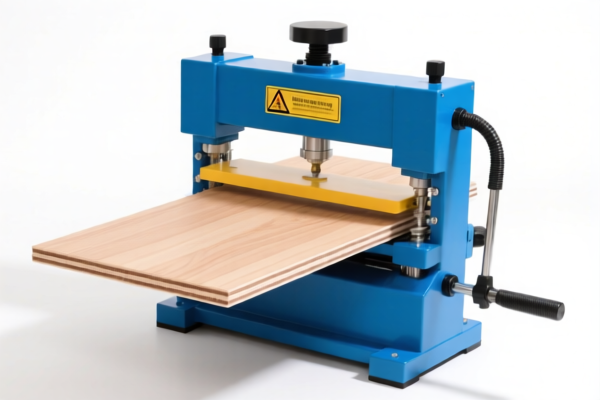
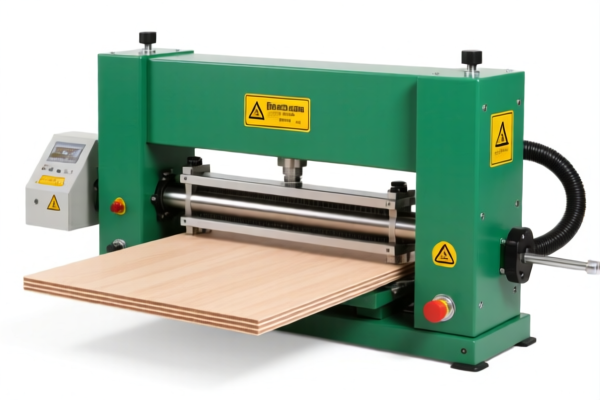
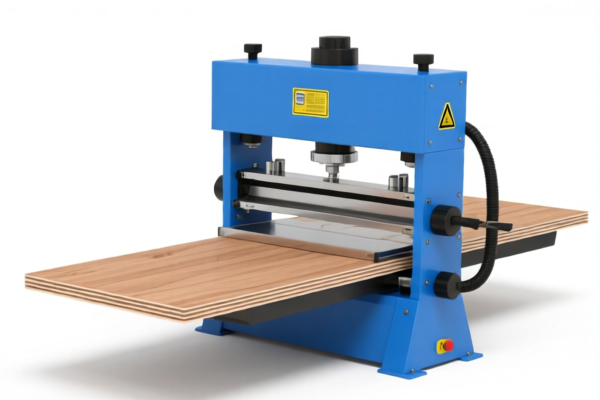
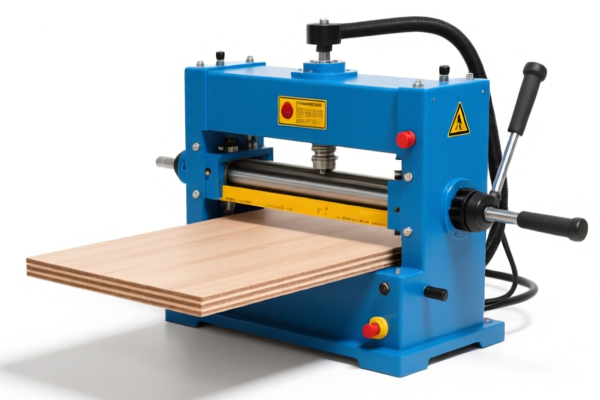
AI Analysis
🪑 Wood-Based Panel Furniture (Wooden Furniture)
🌐 HS Code Reference & Customs Clearance Guide | 2026 Latest Tariff Analysis | Professional Clearance Strategy
📌 I. Product Definition & Classification: Do You Truly Understand "Wood-Based Panel Furniture"?
Wood-based panel furniture refers to furniture manufactured primarily using engineered wood products (such as particleboard, MDF, plywood, or fiberboard) rather than solid timber. In international trade, these items fall under Chapter 94, specifically categorized based on their specific form (seating vs. general furniture) and construction.
Key Distinction Point:
- Seating Furniture: If the item is a chair, stool, or bench with a wooden frame, it is classified under 9401.
- General Wood Furniture: If the item is a table, cabinet, wardrobe, or shelf made from wood panels, it is classified under 9403.
- Material Nuance: Even if made from "wood fiber" or "particleboard," if the core structure is wood-based, it retains the "Wooden" classification unless coated/veneered with specific non-wood materials that override the primary material rule (which is rare for standard panel furniture).
⚠️ Critical Note:
- "Wood-based" does not mean "Solid Wood." It includes MDF, Particleboard, and HDF.
- All items in carry a Total Tax of 35% due to US-China trade tensions.
- Misclassification can lead to severe penalties, as the difference between "Seating" and "General Furniture" lies in specific structural definitions.
📦 II. HS Code Classification Details (2026 Latest Tariff Authority Comparison)
Based on the provided data , here are the precise HS Codes for wood-based panel furniture:
| HS Code | Product Description | Application Scenario | Material/Structure Key |
|---|---|---|---|
9403.60.80.93 |
Wood Fiberboard Furniture, other wooden furniture | Cabinets, wardrobes, shelves, tables made of wood fiber/particleboard | ✅ Wood-based, fits "Other Wooden Furniture" |
9403.60.80.89 |
Other Wooden Furniture (Fallback Category) | Generic wooden furniture with no specific sub-category fit | ✅ Wood-based, no material conflict |
9401.69.80.90 |
Wooden Seating Furniture (Wood Frame) | Chairs, stools, benches with wooden frames/parts | ✅ Wooden, fits "Seating" category |
9403.60.40.00 |
Bentwood Furniture (Upper Category) | Furniture made from bent wood panels or solid bent wood | ✅ Wood-based, specific "Bentwood" sub-category |
9403.60.80.93 |
Wooden Furniture (General Category) | General purpose wooden furniture not specifically listed elsewhere | ✅ Wood-based, explicit "Wooden" material |
🔍 Focus Reminder:
- 9401.69.80.90 is exclusively for seating (chairs/tables with seats). Do not use this for tables without seats!
- 9403.60... codes are for non-seating furniture (tables, cabinets, desks).
- 9403.60.40.00 is specific to Bentwood. If your furniture is not bent wood, do not use this code.
💰 III. 2026 Latest Tariff Rate Breakdown (Including Additional Taxes & Policy Surcharges)
✅ Applicable Country: United States (US)
✅ Origin: China (CN)
✅ Effective Time: 2025/2026 (Current Trade War Era)
🎯 1. 9403.60.80.93 —— Wood Fiberboard Furniture / Other Wooden Furniture
| Item | Details |
|---|---|
| Base Tariff | 0.0% (Most Favored Nation Rate) |
| Section 301 Surcharge | +25.0% (USITC Footnote 9903.01.24/25) |
| Section 122 Clause Surcharge | +10.0% (Specific policy surcharge for Chinese goods) |
| Total Tax Rate | 35.0% |
| Tax Calculation | CIF Value × 35% |
| De Minimis Exemption | ❌ NOT APPLICABLE (Deny de minimis) |
| Legal Basis Path | Section 301:9903.01.24 → Section 122:10% → USITC:9403.60.80.93 |
📌 Explanation:
- The 25% is the standard Section 301 tariff for most Chinese wooden furniture.
- The 10% is an additional "Section 122" tariff, often applied to specific categories of Chinese imports.
- Total 35% is a high barrier. No de minimis (de minimis usually applies to < $800) exemption is allowed for these high-tariff codes.
🎯 2. 9403.60.80.89 —— Other Wooden Furniture (Fallback)
| Item | Details |
|---|---|
| Base Tariff | 0.0% |
| Section 301 Surcharge | +25.0% |
| Section 122 Clause Surcharge | +10.0% |
| Total Tax Rate | 35.0% |
| Tax Calculation | CIF Value × 35% |
| De Minimis Exemption | ❌ NOT APPLICABLE |
| Legal Basis Path | Section 301:9903.01.24 → Section 122:10% → USITC:9403.60.80.89 |
📌 Note:
- This is the "Catch-all" for wooden furniture that doesn't fit other specific 9403 sub-categories.
- Same 35% rate. Ensure you are not double-counting or using the wrong fallback code.
🎯 3. 9401.69.80.90 —— Wooden Seating Furniture
| Item | Details |
|---|---|
| Base Tariff | 0.0% |
| Section 301 Surcharge | +25.0% |
| Section 122 Clause Surcharge | +10.0% |
| Total Tax Rate | 35.0% |
| Tax Calculation | CIF Value × 35% |
| De Minimis Exemption | ❌ NOT APPLICABLE |
| Legal Basis Path | Section 301:9903.01.24 → Section 122:10% → USITC:9401.69.80.90 |
📌 Note:
- Applies to Chairs, Stools, Benches with wooden frames.
- Even if the seat is upholstered, if the frame is wooden, it often falls here. If it's fully upholstered with minimal wood, it might shift to 9401.10/11/19, but the data provided specifies "Wooden Frame."
🎯 4. 9403.60.40.00 —— Bentwood Furniture
| Item | Details |
|---|---|
| Base Tariff | 0.0% |
| Section 301 Surcharge | +25.0% |
| Section 122 Clause Surcharge | +10.0% |
| Total Tax Rate | 35.0% |
| Tax Calculation | CIF Value × 35% |
| De Minimis Exemption | ❌ NOT APPLICABLE |
| Legal Basis Path | Section 301:9903.01.24 → Section 122:10% → USITC:9403.60.40.00 |
📌 Note:
- Strict Definition: Only for furniture made by bending wood sheets or solid wood.
- Do not use for standard flat-pack particleboard furniture. If misclassified, customs may reassess to 9403.60.80.93, but the tax rate remains the same.
🛠️ IV. Customs Clearance Practical Advice (Pitfall Avoidance Guide)
✅ 1. Required Documentation Checklist (Non-Negotiable)
| Document | Must Provide | Notes |
|---|---|---|
| ✅ Product Specification Sheet | ✔️ | Must state material: "Wood Fiberboard," "MDF," or "Particleboard." Do not just say "Wood." |
| ✅ Commercial Invoice | ✔️ | Clearly state "Wood-Based Panel Furniture" or "Wooden Furniture." |
| ✅ Packing List | ✔️ | Include dimensions and weight. If flat-pack, specify. |
| ✅ Proof of Origin (CO) | ✔️ | Required for Section 301 determination. |
| ✅ Material Declaration | ✔️ | Confirm no prohibited wood species (e.g., certain tropical hardwoods) or untreated wood that violates ISPM 15. |
| ✅ Product Photos | ✔️ | Show construction joints (e.g., dowels, screws, melamine finish). |
✅ 2. Declaration Tips (Critical for Accuracy)
🔥 “Material Precise, Form Clear, Tariff 35%, No Loopholes!”
| Scenario | Correct Declaration | Wrong Practice |
|---|---|---|
| MDF Wardrobe | 9403.60.80.93 |
Call it "Cabinet" without specifying wood → Risk of reclassification |
| Wooden Dining Chair | 9401.69.80.90 |
Call it "Furniture" → Risk of using 9403 instead of 9401 |
| Flat-pack Shelf | 9403.60.80.93 |
Split declaration (shelves vs. brackets) → High risk of audit |
| Bentwood Rocking Chair | 9401.69.80.90 (Seating) OR 9403.60.40.00? |
Warning: If it’s a chair, 9401 takes precedence if frame is wood. Check structure. |
📌 Important:
- Do not under-declare. The 35% tariff is significant.
- Do not over-declare. If it’s not bentwood, do not use 9403.60.40.00.
- Section 122 applies to most Chinese wooden furniture. Ensure your supplier confirms this is a Chinese origin product.
✅ 3. Special Cases & Handling
| Situation | Handling Advice |
|---|---|
| Mixed Materials (Wood + Metal Legs) | If wood is the primary material/value, use 9403/9401. If metal frame dominates, might shift to 7321/7610 (but data provided is for wood). Stick to wood codes if wood > 50% value. |
| Upholstered Wooden Chairs | Use 9401.69.80.90 if the frame is wood. If the wood is minor (e.g., tiny legs), it might fall under 9401.10 (Upholstered Seats), but the data provided specifies "Wooden Frame," so use 9401.69.80.90. |
| KD (Knock-Down) Furniture | Declare as assembled furniture. Do not split into "panels" and "screws" to avoid higher component tariffs. |
| OEM/Private Label | Ensure the brand owner is clear. Customs may check for anti-dumping if it’s a specific wood product (rare for general panel furniture, but possible). |
🌍 V. Global Market Comparison (2026 Latest)
| Country/Region | Recommended HS Code | Tariff (China Origin) | Key Requirements | Notes |
|---|---|---|---|---|
| 🇺🇸 USA | 9403.60.80.93 / 9401.69.80.90 |
35% (25% Sec 301 + 10% Sec 122) | FCC (if electronic), Formal Entry Required | Highest cost. No de minimis. |
| 🇨🇳 China | 9403.60.80.93 |
5% (Import Duty) | CCC (if applicable) | No additional surcharges. |
| 🇪🇺 EU | 9403.40 / 9401.30 |
0% - 4% | CE (if electronic), REACH | No Section 301 equivalent. |
| 🇬🇧 UK | 9403.40 / 9401.30 |
0% - 4% | UKCA (if electronic) | Post-Brexit rules apply. |
| 🇨🇦 Canada | 9403.40 / 9401.30 |
0% (if CUSMA) | CITES (if certain woods) | Free trade if Canadian/Mexican origin. |
📌 Conclusion:
- USA is the most challenging market due to the 35% cumulative tariff.
- EU/UK/Canada are more favorable with 0-5% rates.
- Consider supply chain diversification (e.g., Vietnam, Mexico) to avoid Section 301/122 tariffs if exporting to the US.
📌 VI. Common Mistakes & Pitfalls (Lessons Learned)
❌ Mistake 1: Calling "Particleboard Furniture" just "Furniture"
👉 Consequence: Customs may classify under a higher duty or demand additional verification → Delays.
❌ Mistake 2: Misclassifying "Wooden Chairs" as "Tables" (9403)
👉 Consequence: Incorrect HS Code → Potential penalty, though tariff rate is same (35%), but compliance risk increases.
❌ Mistake 3: Ignoring Section 122 (10% Surcharge)
👉 Consequence: Underestimating costs by 10%. Budget must include full 35%.
❌ Mistake 4: Using De Minimis for Small Shipments
👉 Consequence: Denied. High-tariff codes (Sec 301/122) do not qualify for $800 de minimis exemption. All shipments must be formally entered.
✅ Correct Practice:
“Wooden MDF Wardrobe, Melamine Finish, Knock-Down Pack, Made in China, Model XYZ”
🎯 VII. Conclusion: Professional Declaration, Cost Control, Risk Mitigation!
🎯 Remember the Mantra:
🔹 “Wood Base, Form Specific, 35% Total, No Loopholes!”
🔹 “HS Code Defines Liability, Tariff is High, Plan Ahead or Pay Up!”
📌 Pro Tip:
If your furniture originates from Vietnam, Mexico, or Thailand, you may apply for IEEPA/Section 301 Exclusion, reducing tariffs to 0%~5%.
It is highly recommended to apply for an Advance Ruling from US CBP for large shipments to avoid clearance risks.
📣 Immediate Action:
📞 Contact a licensed customs broker + Provide Product Photos + Request HS Code Advance Ruling
🚀 Ensure your furniture passes US Customs efficiently, avoids delays, and protects your margins!
✨ Professional Customs Clearance Starts with Accurate Classification!
💼 Every Percentage Point of Tariff is a Point of Profit!
Customer Reviews
About HS Code Classification
The Harmonized System (HS) is an internationally standardized nomenclature developed by the World Customs Organization (WCO) to classify traded products. Over 200 countries use the HS system as the basis for customs tariffs, trade statistics, and import/export regulations.
Each HS code follows a hierarchical structure:
- Chapter (2 digits) — Broad category of goods (e.g., Chapter 84: Machinery and Mechanical Appliances)
- Heading (4 digits) — More specific grouping within the chapter
- Subheading (6 digits) — Internationally standardized breakdown, used by all WCO member countries
- National subdivisions (8-10 digits) — Country-specific extensions for further classification, such as US HTSUS 10-digit codes
Correct HS code classification is essential for smooth customs clearance, accurate duty payment, and compliance with trade regulations. Misclassification can lead to customs delays, overpayment of duties, or penalties.
When importing from CN to US, the applicable tariff rates may include:
- Most-Favored-Nation (MFN) rate — The standard duty rate applied to WTO members
- General rate — Applied to countries without trade agreements
- Trade remedy duties — Additional tariffs such as Section 301 (anti-dumping), Section 232 (national security), or countervailing duties
The information provided on this page is for reference purposes only. For official classification, please consult with your local customs authority or a licensed customs broker.