wood cutting or planing tools
CN → US| HS Code | Tariff Rate | Origin | Destination | Doc |
|---|---|---|---|---|
| 8202990000 | 35.0% | CN | US | Official Doc |
| 8201600000 | 0.0% | CN | US | Official Doc |
| 8201500000 | 0.0% | CN | US | Official Doc |
| 8205306000 | 40.0% | CN | US | Official Doc |
| 8205303000 | 40.7% | CN | US | Official Doc |
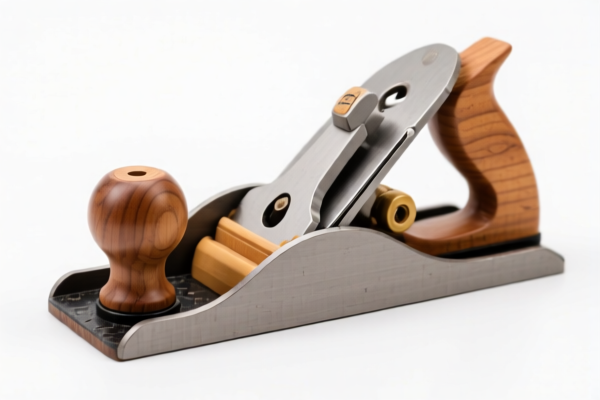
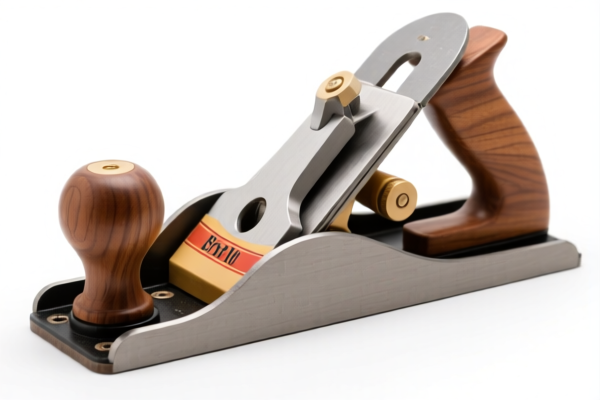
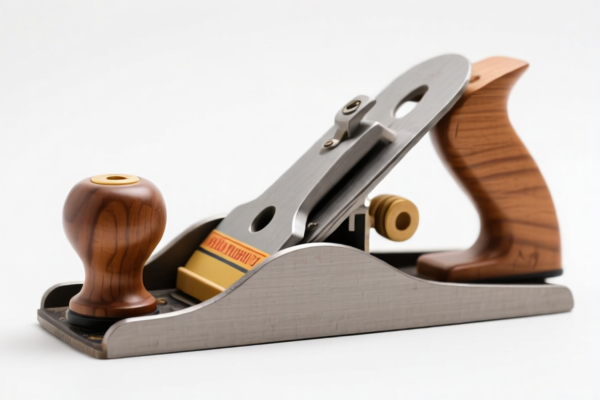
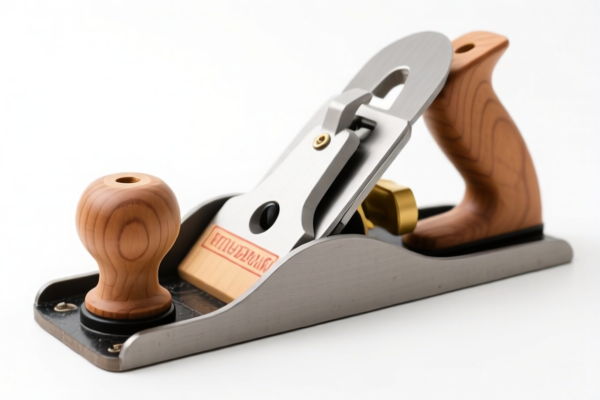
Product Images
AI Analysis
🪚 Wood Cutting or Planing Tools: HS Code Classification & 2026 Customs Clearance Guide
🌐 HS Code Reference & Clearance Guide | 2026 Latest Tariff Analysis | Professional Entry Strategy
📌 One. Product Definition & Classification: Do You Really Understand "Wood Cutting Tools"?
Wood cutting and planing tools are essential implements in forestry, carpentry, and woodworking industries. In international trade, these tools are categorized based on their mechanical structure, cutting edge material, and intended use. They generally fall into two main categories:
1. Saw Blades & Parts (Section 82.02): Circular saw blades, reciprocating saw blades, and their parts, primarily made of base metals, used for cutting wood or other materials. 2. Hand Tools for Gardening/Forestry (Section 82.01): Hand-held shears, loppers, pruning shears, and similar tools, often featuring dual-hand operation or specific ergonomic designs for trimming branches and wood. 3. Other Hand Tools (Section 82.05): Tools that do not fit into specific categories above, such as chisels, gouges, and certain types of planing knives, which are often grouped under "other hand tools."
⚠️ Key Distinction Point:
- If the tool is a circular saw blade or reciprocating blade → It belongs to Chapter 82.02 (Saw Blades).
- If the tool is a hand-held shear, lopper, or pruning shears (dual-hand or single-hand) → It belongs to Chapter 82.01 (Hand Tools).
- If the tool is a chisel, gouge, or specialized planing knife not fitting other specific subheadings → It may fall under Chapter 82.05 (Other Hand Tools).
📦 Two. HS Code Classification Details (2026 Latest Tariff Authority Comparison)
Based on the provided data, here are the five most relevant HS Codes for "Wood Cutting or Planing Tools" and their corresponding tax implications.
| HS Code | Product Description | Application Scenario | Key Characteristics |
|---|---|---|---|
8202.99.00.00 |
Saw Blades & Parts | Wood trimming, industrial woodworking | Metal blade, part of a sawing machine; inferred material is metal/base metal. |
8201.60.00.00 |
Hand Shears/Loppers | Forestry pruning, garden trimming | Dual-hand operation (loppers), double-cutting scissors; designed for branch trimming. |
8201.50.00.00 |
Pruning Shears/Secateurs | Gardening, precision wood trimming | Single-hand shears, metal cutting edge; similar to pruning scissors. |
8205.30.60.00 |
Other Hand Tools | General wood cutting/chiseling | Chisels, gouges, or non-specific planing knives; fits "other hand tools" category. |
8205.30.30.00 |
Woodworking Planes/Chisels | Fine woodworking, planing | Similar to wood planes, chisels, carving knives; specific woodworking cutting tools. |
🔍 Key Reminder:
- Saw Blades (8202) are generally subject to a flat 40% total tariff (excluding specific per-unit fees if any).
- Hand Shears/Pruners (8201) often have a complex tax structure involving a per-unit fee (1¢ each) plus ad valorem rates.
- Other Hand Tools (8205) are subject to high ad valorem rates (40% or 40.7%).
- All items listed are subject to US Section 301 (25%) and Section 122 (10%) additional tariffs, resulting in total rates of 35% to 40.7% depending on the base rate.
💰 Three. 2026 Latest Tariff Rate Details (Including Additional Taxes & Policies)
✅ Applicable Country: United States (US)
✅ Origin: China (CN)
✅ Effective Time: 2025/2026 (Current Trade Policy)
🎯 1. 8202.99.00.00 – Saw Blades & Parts (Wood Cutting)
| Item | Content |
|---|---|
| Base Duty Rate | 0.0% |
| Section 301 Additional Duty | +25.0% |
| Section 122 Additional Duty | +10.0% |
| Total Effective Rate | 35.0% |
| Tax Calculation | CIF Value × 35% |
| De Minimis Exemption | ❌ Not Applicable |
| Legal Basis Path | HTSUS:8202.99.00.00 → USITC:Section301 → Section122 |
📌 Explanation:
- This code covers saw blades and parts. The base duty is 0%, but the Section 301 tariff (25%) and Section 122 tariff (10%) are added, totaling 35%.
- High tariff alert: Even though the base rate is low, the total impact is significant due to additional duties.
🎯 2. 8201.60.00.00 – Hand Shears/Loppers (Dual-Hand Trimming)
| Item | Content |
|---|---|
| Base Duty Rate | 1¢ each + 2.8% |
| Section 301 Additional Duty | +25.0% |
| Section 122 Additional Duty | +10.0% |
| Total Effective Rate | 1¢ each + 37.8% |
| Tax Calculation | (1¢ × Quantity) + (CIF Value × 37.8%) |
| De Minimis Exemption | ❌ Not Applicable |
| Legal Basis Path | HTSUS:8201.60.00.00 → USITC:Section301 → Section122 |
📌 Note:
- This code applies to loppers and large hand shears. The tax structure is compound: a per-unit fee plus an ad valorem rate.
- Total rate: 37.8% (2.8% + 25% + 10%). The per-unit fee adds fixed costs for high-volume shipments.
🎯 3. 8201.50.00.00 – Pruning Shears/Secateurs (Single-Hand)
| Item | Content |
|---|---|
| Base Duty Rate | 1¢ each + 2.8% |
| Section 301 Additional Duty | +25.0% |
| Section 122 Additional Duty | +10.0% |
| Total Effective Rate | 1¢ each + 37.8% |
| Tax Calculation | (1¢ × Quantity) + (CIF Value × 37.8%) |
| De Minimis Exemption | ❌ Not Applicable |
| Legal Basis Path | HTSUS:8201.50.00.00 → USITC:Section301 → Section122 |
📌 Note:
- Similar to8201.60.00.00, this code covers pruning shears.
- Total rate: 37.8%. The per-unit fee applies regardless of the tool's price, affecting low-value items disproportionately.
🎯 4. 8205.30.60.00 – Other Hand Tools (General Wood Cutting)
| Item | Content |
|---|---|
| Base Duty Rate | 5.0% |
| Section 301 Additional Duty | +25.0% |
| Section 122 Additional Duty | +10.0% |
| Total Effective Rate | 40.0% |
| Tax Calculation | CIF Value × 40.0% |
| De Minimis Exemption | ❌ Not Applicable |
| Legal Basis Path | HTSUS:8205.30.60.00 → USITC:Section301 → Section122 |
📌 Explanation:
- This code covers general hand tools for wood cutting that do not fit into specific blade or shear categories.
- Total rate: 40.0%. This is a flat ad valorem rate, making cost prediction straightforward.
🎯 5. 8205.30.30.00 – Woodworking Planes/Chisels (Specific Planing)
| Item | Content |
|---|---|
| Base Duty Rate | 5.7% |
| Section 301 Additional Duty | +25.0% |
| Section 122 Additional Duty | +10.0% |
| Total Effective Rate | 40.7% |
| Tax Calculation | CIF Value × 40.7% |
| De Minimis Exemption | ❌ Not Applicable |
| Legal Basis Path | HTSUS:8205.30.30.00 → USITC:Section301 → Section122 |
📌 Note:
- This code is specific to woodworking planing tools, chisels, and similar cutting instruments.
- Total rate: 40.7%, the highest among the listed codes due to the higher base rate (5.7%).
🛠️ Four. Customs Clearance Practical Advice (Avoid Pitfalls)
✅ 1. Preparation Checklist (All Documents Required)
| Document | Required | Description |
|---|---|---|
| ✅ Product Specification Sheet | ✔️ | Include material, dimensions, cutting edge type, and intended use. |
| ✅ Product Photos | ✔️ | Clear images showing the cutting mechanism, handles, and branding. |
| ✅ Commercial Invoice | ✔️ | Must clearly state "Wood Cutting Tools," "Pruning Shears," or "Saw Blades." |
| ✅ Packing List | ✔️ | Detail item counts, weights, and dimensions. |
| ✅ Country of Origin Certificate | ✔️ | Required for duty determination; must certify Chinese origin if applicable. |
| ✅ Third-Party Test Reports | ✔️ | If applicable (e.g., safety standards for blades). |
✅ 2. Declaration Tips (Key Mnemonics)
🔥 “Blade vs. Shear vs. Chisel: Classify by Mechanism, Not Just ‘Wood Tool’!”
| Scenario | Correct HS Code | Common Error | Consequence |
|---|---|---|---|
| Circular Saw Blade | 8202.99.00.00 |
Misdeclare as 8205 (Hand Tool) |
Over/under payment; potential penalty. |
| Large Loppers (Dual-Hand) | 8201.60.00.00 |
Misdeclare as 8201.50 (Single-Hand) |
Per-unit fee discrepancy; minor tax impact. |
| Pruning Shears (Single-Hand) | 8201.50.00.00 |
Misdeclare as 8202 (Blade) |
Incorrect tax structure (per-unit vs. ad valorem). |
| Chisel/Plane | 8205.30.30.00 |
Misdeclare as 8205.30.60.00 |
0.7% rate difference; minor but precise classification is key. |
| General Hand Tool | 8205.30.60.00 |
Misdeclare as 8201 |
Incorrect per-unit fee application. |
✅ 3. Special Cases Handling
| Case | Handling Advice |
|---|---|
| OEM Custom Blades | Provide client orders and design drawings to prove specific use; avoid generic "wood tool" description. |
| Battery-Powered Cutting Tools | If electric, may fall under Chapter 85; consult specific HS codes for power tools. |
| Sets of Tools | Declare by the "essential character" item; if a set includes blades and shears, the primary function dictates classification. |
| Used Tools | Generally subject to same tariffs; ensure clean condition and proper sanitization certificates if required. |
🌍 Five. Global Market Comparison (2026 Latest)
| Country/Region | Recommended HS Code | Tariff (China Origin) | Certification Requirements | Notes |
|---|---|---|---|---|
| 🇺🇸 USA | 8202.99.00.00 / 8201.60.00.00 / 8205.30.60.00 |
35% - 40.7% | None specific for tools | Highest additional tariffs (30-35%); critical to classify correctly. |
| 🇨🇳 China | 8202.99.00.00 / 8201.60.00.00 / 8205.30.60.00 |
0% - 5% (Import) | CCC (if applicable) | No Section 301 or 122 tariffs; lower import duties. |
| 🇪🇺 EU | 8202.99.00 / 8201.60.00 / 8205.30.60 |
0% - 4.5% (Average) | CE Marking (Safety) | No additional US-style tariffs; standard EU duties apply. |
| 🇬🇧 UK | 8202.99.00 / 8201.60.00 / 8205.30.60 |
0% - 4.5% | UKCA Marking | Post-Brexit tariffs similar to EU; no US extra duties. |
| 🇦🇺 Australia | 8202.99.00 / 8201.60.00 / 8205.30.60 |
5% | RCM (if electrical) | Low tariffs; no major additional duties. |
📌 Conclusion:
- USA is the most challenging market due to Section 301 (25%) and Section 122 (10%) additional tariffs, pushing total duties to 35-40.7%.
- EU, UK, and Australia offer much lower tariff structures for these items.
- China Origin goods face the highest barriers in the US market.
📌 Six. Common Errors & Pitfalls (Lessons Learned)
❌ Error 1: Declaring "Wood Cutting Tools" without specifying the type (Blade vs. Shear vs. Chisel).
👉 Consequence: Customs may assign a default high-rate code or delay clearance for inspection.
❌ Error 2: Misclassifying Saw Blades (8202) as Hand Shears (8201) to avoid per-unit fees.
👉 Consequence: Severe penalties for misdeclaration; potential seizure of goods.
❌ Error 3: Ignoring Section 122 (10%) and Section 301 (25%) in cost calculations.
👉 Consequence: Underestimating landed cost by up to 35%, leading to profit loss.
❌ Error 4: Using generic descriptions like "Garden Tool" for specific industrial blades.
👉 Consequence: Customs may reclassify, applying higher tariffs and interest.
✅ Correct Practice:
"Circular Saw Blade, 10-inch, Carbide-Tipped, for Wood Cutting, HS 8202.99.00.00"
"Pruning Shears, Bypass Type, Steel Blade, HS 8201.50.00.00"
🎯 Seven. Conclusion: Professional Declaration for Cost Efficiency
🎯 Remember the Mnemonic:
🔹 "Blade 35%, Shear 37.8% (with per-unit), Chisel 40.7% – Classify Precisely!"
🔹 "US Market: 30% Extra Tax – Plan Ahead!"
📌 Pro Tip:
If your products are originating from Vietnam, Mexico, or Thailand, you may be eligible for IEEPA exemptions or lower tariffs under USMCA or other trade agreements.
Recommendation: Apply for a Binding Ruling (Advance Ruling) from US Customs and Border Protection (CBP) before shipping to ensure accurate classification and avoid post-import audits.
📣 Immediate Action:
📞 Contact a licensed customs broker + Provide Product Images + Apply for HS Code Pre-Ruling
🚀 Ensure smooth clearance, cost control, and efficient market entry for your Wood Cutting Tools!
✨ Professional Clearance Starts with Accurate Classification!
💼 Every Percent of Tax Savings Counts!
Customer Reviews
About HS Code Classification
The Harmonized System (HS) is an internationally standardized nomenclature developed by the World Customs Organization (WCO) to classify traded products. Over 200 countries use the HS system as the basis for customs tariffs, trade statistics, and import/export regulations.
Each HS code follows a hierarchical structure:
- Chapter (2 digits) — Broad category of goods (e.g., Chapter 84: Machinery and Mechanical Appliances)
- Heading (4 digits) — More specific grouping within the chapter
- Subheading (6 digits) — Internationally standardized breakdown, used by all WCO member countries
- National subdivisions (8-10 digits) — Country-specific extensions for further classification, such as US HTSUS 10-digit codes
Correct HS code classification is essential for smooth customs clearance, accurate duty payment, and compliance with trade regulations. Misclassification can lead to customs delays, overpayment of duties, or penalties.
When importing from CN to US, the applicable tariff rates may include:
- Most-Favored-Nation (MFN) rate — The standard duty rate applied to WTO members
- General rate — Applied to countries without trade agreements
- Trade remedy duties — Additional tariffs such as Section 301 (anti-dumping), Section 232 (national security), or countervailing duties
The information provided on this page is for reference purposes only. For official classification, please consult with your local customs authority or a licensed customs broker.