wood lined textile fabric wallets
CN → US| HS Code | Tariff Rate | Origin | Destination | Doc |
|---|---|---|---|---|
| 4202329300 | 52.6% | CN | US | Official Doc |
| 6307909891 | 24.5% | CN | US | Official Doc |
| 6307909875 | 17.0% | CN | US | Official Doc |
| 4202329100 | 52.6% | CN | US | Official Doc |
Product Images
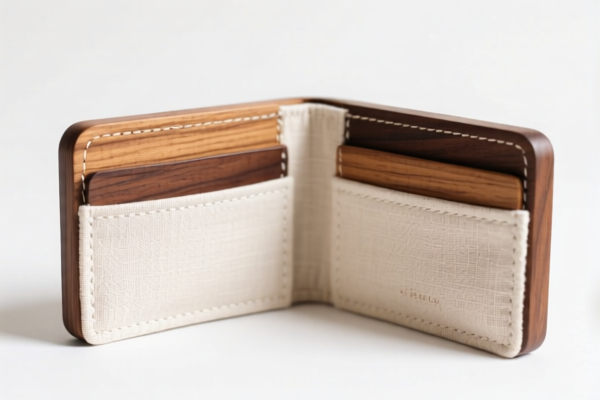
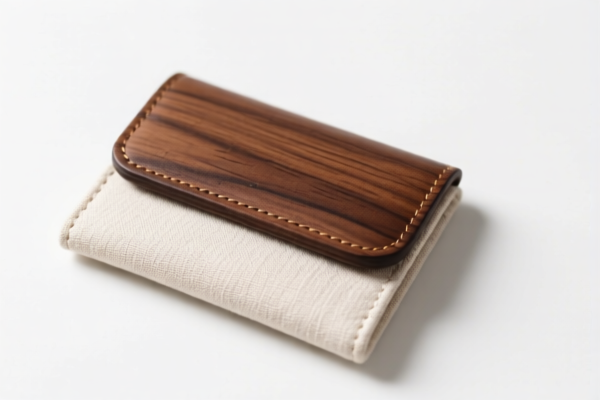
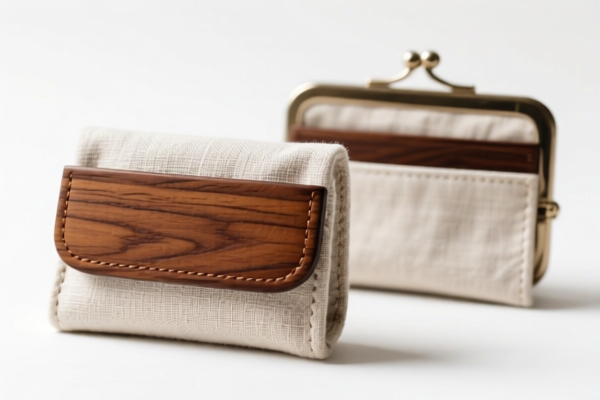
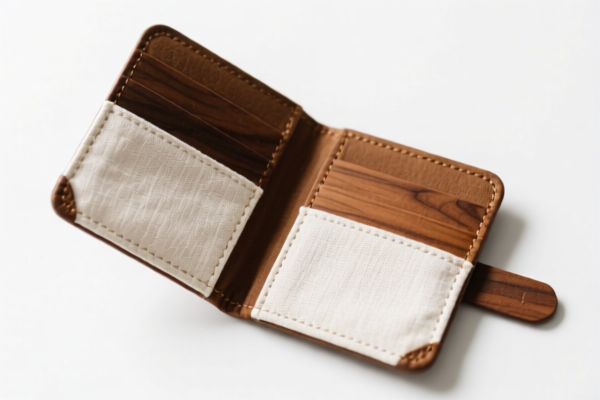
AI Analysis
🛍️ Wood-Lined Textile Fabric Wallets (HS Code Classification & Tariff Analysis 2026)
🌐 HS Code Reference & Customs Clearance Guide | 2026 Latest Tariff Rules | Professional Clearance Strategy
📌 I. Product Definition & Classification: Do You Really Understand "Textile Wallets"?
Wood-lined textile fabric wallets represent a hybrid product in international trade, combining textile materials with potential wood accents or linings. Depending on the specific composition and structure, customs authorities classify them differently. The key distinction lies in whether the wallet is considered an accessory of general use (Art 42) or a textile article (Art 63).
⚠️ Critical Distinction Point:
- If the outer surface is primarily textile material and it functions as a personal accessory (wallet/pouch) → Likely归类 to Chapter 42 (Articles of leather; saddlery and harness; travel goods, handbags...).
- If classified as a general textile-made item (not specifically an accessory of Chapter 42) → Likely归类 to Chapter 63 (Other made-up textile articles).
- Note: The term "wood-lined" may imply a composite material. However, if the primary character is defined by the textile exterior, it often falls under textile-related HS codes unless the wood constitutes the main structural component (which is rare for wallets).
📦 II. HS Code Classification Details (2026 Latest Tariff Authority Comparison)
Based on the provided data, here are the four specific HS codes relevant to textile fabric wallets:
| HS Code | Product Description | Scenario | Tax Rate | Key Detail |
|---|---|---|---|---|
4202.32.93.00 |
Textile fabric-lined wallet, material is textile fiber, form is wallet. Classified under artificial fiber/textile category specific sub-items. | Standard textile wallet | 52.6% | Base: 17.6% + Surtax: 25.0% + Sec 122: 10% |
6307.90.98.91 |
Textile fabric-lined wallet. Classified as a manufactured good (Chapter 63), material is textile fabric, form is wallet, categorized as other manufactured goods. | General textile accessory | 24.5% | Base: 7.0% + Surtax: 7.5% + Sec 122: 10% |
6307.90.98.75 |
Textile fabric-lined wallet. Classified as other made-up textile articles, form fits the accessory/small item attribute under other categories. | Other textile accessory | 17.0% | Base: 7.0% + Surtax: 0.0% + Sec 122: 10% |
4202.32.91.00 |
Textile fabric-lined wallet, form is wallet, material is textile fabric, meets the description of "external surface made of textile materials." | Textile exterior wallet | 52.6% | Base: 17.6% + Surtax: 25.0% + Sec 122: 10% |
🔍 Key Reminder:
- Chapter 42 vs. Chapter 63: The biggest tariff difference exists between Chapter 42 (52.6%) and Chapter 63 (17.0%-24.5%).
- Surtax Impact: The 25% Surtax applied to Chapter 42 codes significantly drives up the total cost.
- Sec 122: A flat 10% additional tariff applies to all listed classifications for US imports from China.
💰 III. 2026 Latest Tariff Rate Details (Including Surtaxes, Policy Add-ons)
✅ Applicable Country: United States (US)
✅ Origin: China (CN)
✅ Effective Time: 2026 (Current Data)
🎯 1. 4202.32.93.00 & 4202.32.91.00 —— Textile Wallets (High Tariff Path)
| Item | Content |
|---|---|
| Base Duty Rate | 17.6% (ad valorem) |
| Section 301 Surtax | +25.0% (USITC Footnote 9903.88.01 equivalent for textiles/accessories) |
| Section 122 Tariff | +10.0% (Specific US regulation for certain Chinese goods) |
| Total Rate | 52.6% |
| Tax Calculation | CIF Value × 52.6% |
| De Minimis Eligibility | ❌ No (High tax rate usually excludes de minimis exemption) |
| Legal Basis Path | USITC:4202.32.91.00/93.00 → Surtax:25% → Sec122:10% |
📌 Explanation:
- These codes fall under Chapter 42 (Articles of Leather/Travel Goods).
- The 25% surtax is a significant penalty, likely related to Section 301 tariffs on Chinese imports.
- Total 52.6% is extremely high, making this classification costly for exporters.
🎯 2. 6307.90.98.91 —— Other Made-up Textile Articles (Medium Tariff Path)
| Item | Content |
|---|---|
| Base Duty Rate | 7.0% (ad valorem) |
| Section 301 Surtax | +7.5% (Reduced surtax for general textile articles) |
| Section 122 Tariff | +10.0% |
| Total Rate | 24.5% |
| Tax Calculation | CIF Value × 24.5% |
| De Minimis Eligibility | ❌ No |
| Legal Basis Path | USITC:6307.90.98.91 → Surtax:7.5% → Sec122:10% |
📌 Note:
- This code falls under Chapter 63 (Other made-up textile articles).
- Lower surtax (7.5%) compared to Chapter 42.
- A more cost-effective option if the product can be legally classified here.
🎯 3. 6307.90.98.75 —— Other Made-up Textile Articles (Lowest Tariff Path)
| Item | Content |
|---|---|
| Base Duty Rate | 7.0% (ad valorem) |
| Section 301 Surtax | +0.0% (No surtax for this specific sub-item) |
| Section 122 Tariff | +10.0% |
| Total Rate | 17.0% |
| Tax Calculation | CIF Value × 17.0% |
| De Minimis Eligibility | ❌ No |
| Legal Basis Path | USITC:6307.90.98.75 → Surtax:0% → Sec122:10% |
📌 Note:
- Best Cost Option: This code has 0% surtax from Section 301.
- Only the Base (7.0%) and Section 122 (10%) apply.
- Total 17.0% is significantly lower than Chapter 42 options.
- Suitable for wallets classified as general textile accessories rather than formal "travel goods" or "handbags."
🛠️ IV. Customs Clearance Practical Suggestions (Real-World Pitfall Avoidance)
✅ 1. Required Documentation Checklist (Non-negotiable)
| Document | Must Provide | Explanation |
|---|---|---|
| ✅ Product Specifications | ✔️ | Material composition (Textile %, Wood %), dimensions, closure type |
| ✅ Photos (Labeled) | ✔️ | Clear images of exterior, interior lining, and any wood components |
| ✅ Composition Statement | ✔️ | Explicitly state: "100% Textile Exterior, Textile Lining, [Wood Description if any]" |
| ✅ Commercial Invoice | ✔️ | Description must match HS Code logic (e.g., "Textile Wallet" vs. "Wood Accessory") |
| ✅ Packing List | ✔️ | Weight and dimensions for duty calculation |
✅ 2. Declaration Strategy (Key Mantra)
🔥 “Material Defines Chapter, Function Defines Heading!”
| Scenario | Recommended HS Code | Rationale |
|---|---|---|
| Primary material is Textile, functions as a personal accessory (coin purse, billfold) | 6307.90.98.75 or 6307.90.98.91 |
Avoids the high 25% surtax of Chapter 42. Classifies as a "made-up textile article." |
| Formal "Travel Good" or "Handbag" structure (e.g., wristlet, structured pouch with straps) | 4202.32.91.00 or 4202.32.93.00 |
Fits "Articles of Leather/Textile" definition but incurs 52.6% tax. |
| Wood is the Main Structural Material | Check Chapter 44/46 | If wood constitutes the essential character, it may not be a textile article. However, "textile-lined wallet" suggests textile dominance. |
📌 Important:
- If the wallet is small (coin purse/billfold), Chapter 63 is often more favorable due to lower surtax.
- If it is a larger "pouch" or "handbag" with zippers/straps, Chapter 42 may be required by customs, leading to higher taxes.
✅ 3. Special Case Handling
| Situation | Handling Advice |
|---|---|
| "Wood-Lined" Ambiguity | Clarify if wood is just a thin lining or a major component. If minimal, emphasize Textile in description. |
| Customs Audits | Provide a material breakdown to prove textile percentage. If textile > 50%, Chapter 63 is stronger. |
| Section 122 Tariff | This 10% is unavoidable for all listed codes. Factor it into your pricing regardless of HS code choice. |
| Origin Labeling | Ensure "Made in China" is clearly marked on product and packaging to comply with US Customs requirements. |
🌍 V. Global Market Comparison (2026 Latest)
| Country/Region | Recommended HS Code | Total Tax (China Origin) | Notes |
|---|---|---|---|
| 🇺🇸 USA | 6307.90.98.75 |
17.0% | Lowest effective rate; avoid Chapter 42 if possible. |
| 🇺🇸 USA | 4202.32.93.00 |
52.6% | Highest rate; only if product strictly fits Chapter 42 definition. |
| 🇨🇳 China | 6307.90.98.75 |
~7-10% (Import Duty) | Domestic consumption uses different HS; check local tax. |
| 🇪🇺 EU | 4202.32 or 6307.99 |
Varies (0-12%) | EU does not apply Section 301/122. Generally lower taxes. |
| 🇬🇧 UK | 4202.32 or 6307.99 |
Varies (0-12%) | Post-Brexit rules apply; no US-style surtaxes. |
📌 Conclusion:
- USA is the only market with punitive surtaxes (25% + 10%) for these goods.
- Opt for6307.90.98.75if your product is a simple textile wallet/pouch to minimize costs.
- Avoid4202.32.xxxxunless the product structure strictly requires it (e.g., formal handbag design).
📌 VI. Common Errors & Pitfalls (Lessons Learned)
❌ Error 1: Declaring a Textile Wallet as 4202.32.93.00 when it could be 6307.90.98.75
👉 Consequence: Paying 52.6% instead of 17.0%. Overpayment of 35.6%!
❌ Error 2: Ignoring Section 122 Tariff
👉 Consequence: Even with 0% surtax, you still pay 10%. Factor this into all cost calculations.
❌ Error 3: Misleading Description ("Wooden Wallet" for Textile)
👉 Consequence: Customs reclassification → Penalties + Back Taxes + Delays.
✅ Correct Practice:
"Textile Fabric Wallet with Textile Lining, Model XYZ, 100% Polyester Exterior, 100% Polyester Lining"
(If wood is minimal, omit "wood-lined" from primary description or clarify as "minimal wood accent".)
🎯 VII. Conclusion: Smart Classification Saves Money!
🎯 Remember the Mantra:
🔹 "Textile Pouch? Go Chapter 63! 17% Tax!"
🔹 "Handbag Structure? Chapter 42! 52.6% Tax!"
🔹 "Section 122 Always 10%, Don't Forget!"
📌 Pro Tip:
If your wallet is a simple billfold or coin purse, argue for Chapter 63 (6307.90.98.75) to save 35.6% in duties.
Request an Advance Ruling (Pre-classification) from US Customs and Border Protection (CBP) before shipping large volumes.
📣 Immediate Action:
📞 Consult a licensed customs broker to verify the functional structure of your wallet.
🚀 Choose the right HS Code, save thousands, and clear customs smoothly!
✨ Professional clearance starts with precise classification!
💼 Every percentage point counts in your profit margin!
Customer Reviews
About HS Code Classification
The Harmonized System (HS) is an internationally standardized nomenclature developed by the World Customs Organization (WCO) to classify traded products. Over 200 countries use the HS system as the basis for customs tariffs, trade statistics, and import/export regulations.
Each HS code follows a hierarchical structure:
- Chapter (2 digits) — Broad category of goods (e.g., Chapter 84: Machinery and Mechanical Appliances)
- Heading (4 digits) — More specific grouping within the chapter
- Subheading (6 digits) — Internationally standardized breakdown, used by all WCO member countries
- National subdivisions (8-10 digits) — Country-specific extensions for further classification, such as US HTSUS 10-digit codes
Correct HS code classification is essential for smooth customs clearance, accurate duty payment, and compliance with trade regulations. Misclassification can lead to customs delays, overpayment of duties, or penalties.
When importing from CN to US, the applicable tariff rates may include:
- Most-Favored-Nation (MFN) rate — The standard duty rate applied to WTO members
- General rate — Applied to countries without trade agreements
- Trade remedy duties — Additional tariffs such as Section 301 (anti-dumping), Section 232 (national security), or countervailing duties
The information provided on this page is for reference purposes only. For official classification, please consult with your local customs authority or a licensed customs broker.