wood shavings and pellets
CN → US| HS Code | Tariff Rate | Origin | Destination | Doc |
|---|---|---|---|---|
| 4401310000 | 35.0% | CN | US | Official Doc |
| 4405000000 | 38.2% | CN | US | Official Doc |
| 4401394210 | 35.0% | CN | US | Official Doc |
Product Images
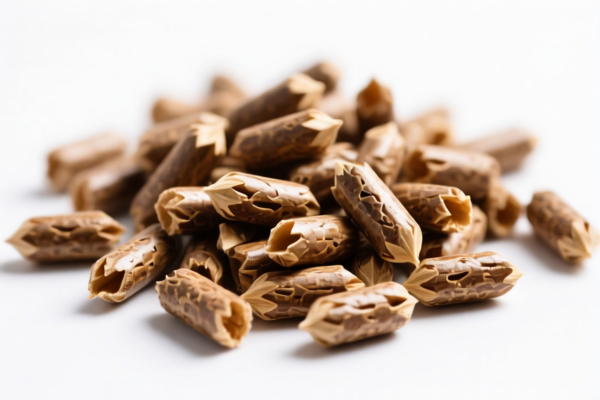
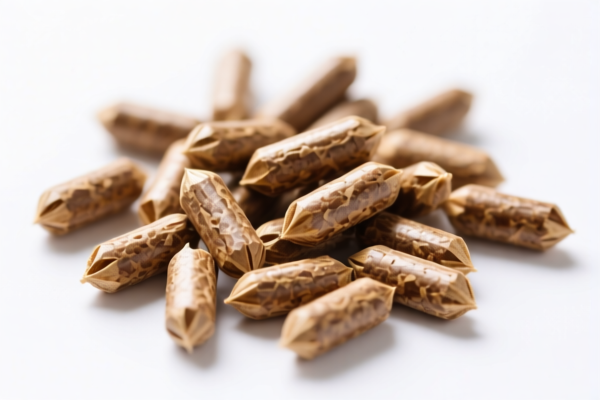
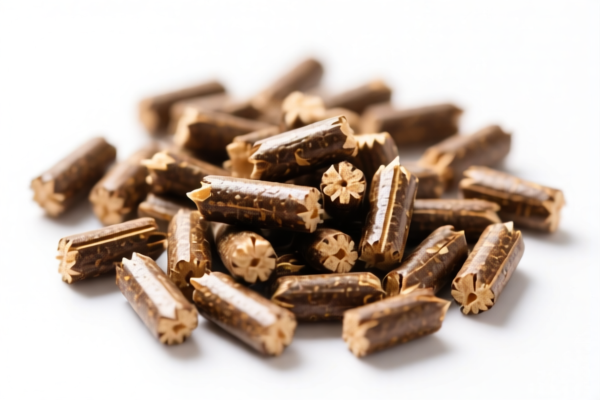
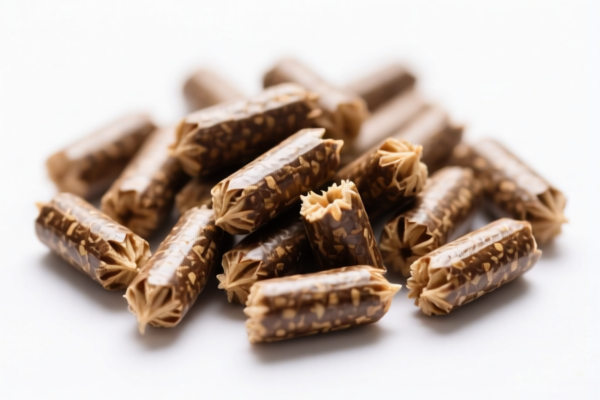
AI Analysis
🪵 Wood Shavings & Pellets: The Ultimate Classification & Duty Breakdown (2026 Update)
🌐 HS Code Reference & Customs Clearance Guide | Latest Tariff Analysis | Strategic Import Strategy
📌 Part 1: Product Definition – What Are "Wood Shavings and Pellets"?
In international trade, Wood Shavings and Pellets are not a single uniform commodity. Their classification depends entirely on their physical form, processing level, and intended use. Misclassification can lead to severe duty shocks due to specific trade remedies (Section 301 and Section 232/IEEPA).
The dataset identifies three distinct categories: 1. Standard Biomass Pellets: Dense, granular fuel wood. 2. Structural Wood Particles: Defined as sawdust or shavings used in manufacturing (e.g., MDF). 3. Fuel Wood/Waste: Irregular wood waste or low-grade fuel.
⚠️ Critical Distinction:
- If the material is dense, uniform pellets made from wood waste → Often4401.31or4401.39.
- If the material is loose sawdust/shavings used for industrial processing (not just fuel) → May fall under4405.00.
- Note: The term "Wood Shavings" in the prompt must be matched to the specific HS code description provided in the data to avoid ambiguity.
📦 Part 2: HS Code Classification Matrix (2026 Official Tariff)
Based on the provided data, here is the precise mapping of products to their HS Codes and Tax Details.
| HS Code | Product Description (From Data) | Key Characteristics | Total Tax Rate |
|---|---|---|---|
4401.31.00.00 |
Wood Pellets Material: Wood shavings Form: Granular/Pellets |
Standard biomass fuel pellets. Dense, uniform size. | 35.0% |
4405.00.00.00 |
Wood Sawdust / Wood Shavings Material: Wood Form: Granular/Particles Definition: Matches sawdust/shavings definition |
Loose particles, sawdust, or wood fibers. Often used for board manufacturing (MDF/Plywood) rather than direct combustion. | 38.2% |
4401.39.42.10 |
Fuel Wood / Wood Shavings / Pellets Form: Wood waste Definition: Matches "Fuel Wood, Wood Chips or Pellets" |
Irregular wood waste or lower-grade fuel wood. May include mixed waste forms classified under "other" wood fuels. | 35.0% |
🔍 Key Observation:
-4405.00.00.00carries the highest total tax (38.2%) due to a higher base duty (3.2%).
-4401.31.00.00and4401.39.42.10share the same total tax (35.0%) but differ in base duty (0.0%) and product scope.
💰 Part 3: Detailed Tariff Breakdown (2026)
✅ Applicable Country: United States (US)
✅ Origin: China (CN) (Implied by the specific "122 Clause" and high rates)
✅ Effective Date: Current (2025-2026 Trade Policy)
🎯 1. 4401.31.00.00 – Wood Pellets (Granular)
| Item | Detail |
|---|---|
| Base Duty | 0.0% |
| Section 301 Duty | +25.0% |
| Section 122 Duty | +10.0% |
| Total Effective Rate | 35.0% |
| Calculation | CIF Value × 35% |
| De Minimis Exemption? | ❌ NO (High duty rates typically exclude $800 de minimis exemption for bulk wood products) |
📌 Explanation:
- Base Duty: Wood pellets often have a 0% MFN base duty.
- Section 301 (+25%): Applied due to "List 4B" or similar trade remedy lists targeting Chinese wood products.
- Section 122 (+10%): A specific statutory provision (often related to national security or critical supply chains, e.g., lumber/wood).
- Result: A flat 35% levy on the customs value.
🎯 2. 4405.00.00.00 – Sawdust / Wood Shavings (Particles)
| Item | Detail |
|---|---|
| Base Duty | 3.2% |
| Section 301 Duty | +25.0% |
| Section 122 Duty | +10.0% |
| Total Effective Rate | 38.2% |
| Calculation | CIF Value × 38.2% |
| De Minimis Exemption? | ❌ NO |
📌 Explanation:
- Higher Base Duty: Unlike pellets, "Sawdust" has a non-zero base duty (3.2%).
- Surcharge: Same Section 301 (25%) and Section 122 (10%) apply.
- Warning: This is the most expensive classification in the dataset. Importers must ensure the product is truly "sawdust/shavings" and not misclassified pellets to avoid underpayment penalties.
🎯 3. 4401.39.42.10 – Other Fuel Wood / Waste (Pellets/Shavings)
| Item | Detail |
|---|---|
| Base Duty | 0.0% |
| Section 301 Duty | +25.0% |
| Section 122 Duty | +10.0% |
| Total Effective Rate | 35.0% |
| Calculation | CIF Value × 35% |
| De Minimis Exemption? | ❌ NO |
📌 Explanation:
- Falls under "Other" wood fuel in Chapter 44.
- Base duty is 0%, but surcharges push it to 35%.
- Useful for irregular wood waste that doesn't fit the strict "pellet" definition of4401.31.
🛠️ Part 4: Customs Clearance Strategy & Recommendations
✅ 1. Product Description & Documentation (Must-Haves)
To ensure smooth clearance and correct HS Code assignment, provide the following:
| Document | Requirement | Why It Matters |
|---|---|---|
| Commercial Invoice | Clearly state: "Wood Pellets" vs "Wood Sawdust" vs "Wood Waste" | Defines the physical form. "Pellets" implies density; "Shavings" implies loose particles. |
| Product Specification Sheet | Include: Moisture content (<20%), Density (kg/m³), Size (mm), Binders (if any) | Density is key to distinguishing 4401 (Fuel) from 4405 (Processing material). |
| Photos | High-res images of the product (bulk and close-up) | Customs officers visually verify if it's "pelletized" (uniform) or "shredded/shaved" (irregular). |
| Certificate of Origin | Standard COO (Form A or general) | Required for determining eligibility for any potential exemptions (though unlikely here). |
| Fumigation Certificate | ISPM 15 compliant (if wood is untreated) | Prevents biosecurity delays. Wood shavings/pellets often exempt from ISPM 15 if processed >56°C, but verify. |
✅ 2. Classification Strategy (How to Choose)
| Scenario | Recommended HS Code | Reasoning |
|---|---|---|
| Uniform, dense cylinders (typical biomass fuel) | 4401.31.00.00 |
Matches "Pellets" definition. 0% base duty. |
| Loose, powdery, or fibrous material (for MDF/plastic composites) | 4405.00.00.00 |
Matches "Sawdust/Shavings". Higher base duty (3.2%). |
| Irregular wood chips, waste, or mixed fuel | 4401.39.42.10 |
"Other" fuel wood. Good for non-standard sizes. |
⚠️ Critical Pitfall:
Do NOT declare "Wood Shavings" as4401.31if they are actually loose sawdust.
- Risk: Customs may reclassify to4405.00(38.2%) + Penalties.
- Best Practice: Be precise. Use "Wood Pellets" for fuel; "Wood Flour/Sawdust" for industrial feedstock.
✅ 3. Cost Optimization Tips
- Verify Moisture Content:
- Wet wood increases weight (and duty) but may reduce calorific value.
- Ensure invoices reflect Net Weight accurately. Duty is ad valorem (based on value), but weight impacts freight costs.
- Check for "Processed" Status:
- If the wood is impregnated or chemically treated, it may move to a different chapter (e.g.,
4403or4404). The current data assumes standard/unprocessed wood.
- If the wood is impregnated or chemically treated, it may move to a different chapter (e.g.,
- Avoid "De Minimis" Misconceptions:
- Many importers think small shipments avoid duties. Incorrect. Section 301 and Section 122 duties apply regardless of shipment size for these HS codes.
- Budget: Plan for 35-38.2% of CIF value in duties alone.
🌍 Part 5: Global Market Context (2026)
| Destination | HS Code | Total Duty (China Origin) | Key Requirements |
|---|---|---|---|
| 🇺🇸 USA | 4401.31.00.00 / 4401.39.42.10 |
35.0% | Section 301 + 122 |
| 🇺🇸 USA | 4405.00.00.00 |
38.2% | Section 301 + 122 |
| 🇨🇳 China | 4401.31.00.00 |
~0-10%* | CCC/Standard Certification |
| 🇪🇺 EU | 4401.31.00 |
0% (If FSC Certified) | CBAM/Deforestation Regulation (EUDR) |
Note: Rates for non-US markets vary. This analysis focuses on the provided data which reflects US-specific trade remedies (Section 301/122).
📌 Part 6: Common Mistakes & Avoidance
❌ Mistake 1: Declaring "Wood Chips" as "Wood Pellets"
👉 Consequence: Rejection at port, re-inspection, potential classification to 4405 or 4401.10 with different duties.
❌ Mistake 2: Ignoring Section 122 Tariff
👉 Consequence: Underpayment by 10%. CBP will issue a bill for back duties + interest.
❌ Mistake 3: Using "Shavings" generically
👉 Consequence: If the product is actually pellets, CBP may fine for misdeclaration. If it is shavings, you pay 38.2% instead of 35%.
👉 Solution: Test the physical form. Pelletized = 35%. Loose Shavings = 38.2%.
✅ Correct Declaration Example:
"Wood Pellets, 6mm diameter, <10% moisture, made from pine sawdust, compressed, for industrial biomass fuel. HS Code: 4401.31.00.00"
🎯 Part 7: Conclusion & Action Items
🎯 Key Takeaway:
- Wood Pellets (4401.31) and Fuel Wood Waste (4401.39) are taxed at 35%.
- Sawdust/Shavings (4405) are taxed at 38.2%.
- Both incur Section 301 (25%) and Section 122 (10%) surcharges.
📌 Action Steps for Importers:
1. Confirm Physical Form: Is it pelletized or loose?
2. Select Correct HS Code: Do not guess. Use 4401.31 for pellets.
3. Budget for Duties: Include 35-38.2% in your landed cost calculation.
4. Prepare Docs: Have specs, photos, and invoices ready for CBP verification.
📣 Final Advice:
"Classify by Form, Pay by Rate. Pellets at 35%, Shavings at 38.2%. Don't let a loose sawdust classification cost you extra!"
📞 Contact Your Customs Broker Today to file a Pre-Ruling if your product form is ambiguous (e.g., large, irregular pellets that look like shavings).
✨ Accurate Classification = Lower Duties + Faster Clearance
💼 Protect Your Margin from Hidden Tariffs!
Customer Reviews
About HS Code Classification
The Harmonized System (HS) is an internationally standardized nomenclature developed by the World Customs Organization (WCO) to classify traded products. Over 200 countries use the HS system as the basis for customs tariffs, trade statistics, and import/export regulations.
Each HS code follows a hierarchical structure:
- Chapter (2 digits) — Broad category of goods (e.g., Chapter 84: Machinery and Mechanical Appliances)
- Heading (4 digits) — More specific grouping within the chapter
- Subheading (6 digits) — Internationally standardized breakdown, used by all WCO member countries
- National subdivisions (8-10 digits) — Country-specific extensions for further classification, such as US HTSUS 10-digit codes
Correct HS code classification is essential for smooth customs clearance, accurate duty payment, and compliance with trade regulations. Misclassification can lead to customs delays, overpayment of duties, or penalties.
When importing from CN to US, the applicable tariff rates may include:
- Most-Favored-Nation (MFN) rate — The standard duty rate applied to WTO members
- General rate — Applied to countries without trade agreements
- Trade remedy duties — Additional tariffs such as Section 301 (anti-dumping), Section 232 (national security), or countervailing duties
The information provided on this page is for reference purposes only. For official classification, please consult with your local customs authority or a licensed customs broker.