wooden pet barrier
CN → US| HS Code | Tariff Rate | Origin | Destination | Doc |
|---|---|---|---|---|
| 4421997020 | 35.0% | CN | US | Official Doc |
| 4421917020 | 35.0% | CN | US | Official Doc |
| 7326908688 | 87.9% | CN | US | Official Doc |
| 7326908635 | 87.9% | CN | US | Official Doc |
| 4421997020 | 35.0% | CN | US | Official Doc |
Product Images
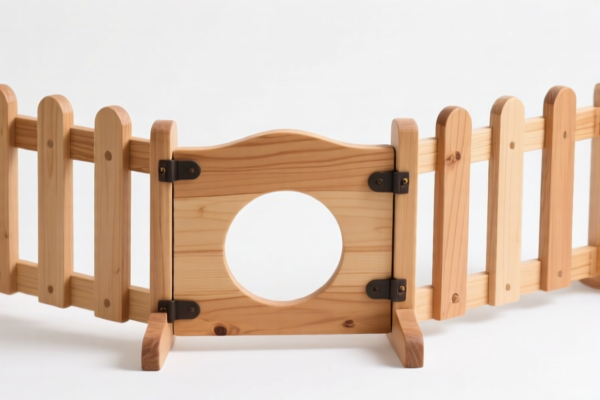
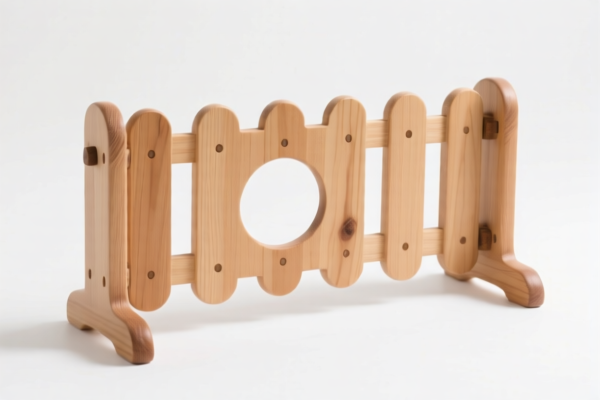
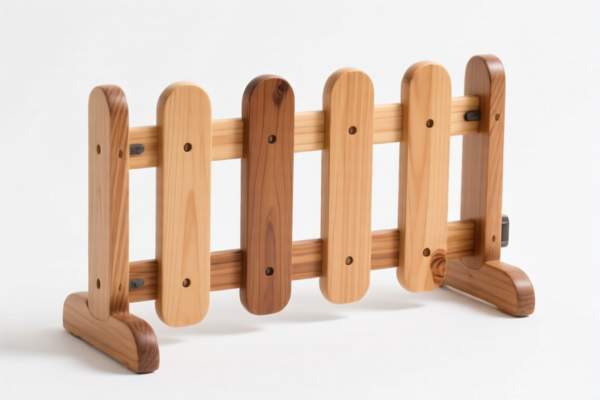
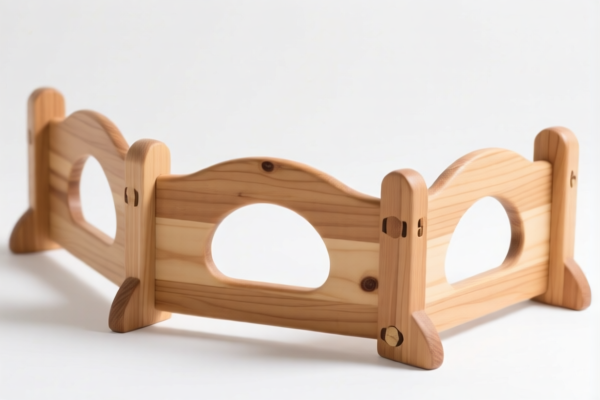
AI Analysis
🐾 Wooden Pet Barrier (Pet Fencing/Gates)
🌐 HS Code Reference & Customs Clearance Guide | 2026 Latest Tariff Analysis | Professional通关 Strategy
📌 I. Product Definition & Classification: Do You Really Understand "Pet Barriers"?
A Wooden Pet Barrier is a household accessory designed to restrict pet movement, commonly used as gates, enclosures, or fences for dogs, cats, or small animals. In international trade, the classification heavily depends on the material composition. While the user input specifies "Wooden," the reference data provides a comprehensive view of potential classifications based on material variations (Wood vs. Metal), which is crucial for accurate declaration.
Key Distinction Points: * Wooden/Bamboo Barriers: Classified under Chapter 44 (Wood and Articles of Wood). Specifically, general wooden articles not elsewhere specified. * Metal (Steel/Iron) Barriers: Classified under Chapter 73 (Articles of Iron or Steel). Even if coated or painted, the base metal dictates the chapter.
⚠️ Critical Note for "Wooden Pet Barrier" Input:
While the prompt specifies "Wooden," accurate customs clearance requires verifying if the barrier contains significant metal components (hinges, locks, reinforcements) that might trigger a different classification. However, based strictly on the provided data for wooden materials, the primary HS codes are in the 4421 series.
📦 II. HS Code Classification Details (2026 Latest Tariff Authority Comparison)
| HS Code | Product Description | Applicable Scenario | Material Basis |
|---|---|---|---|
4421.99.70.20 |
Wooden pet barrier, classified based on wood material and fencing usage. | Standard wooden pet gates, enclosures made entirely or primarily of wood. | Wood |
4421.91.70.20 |
Wooden or bamboo pet barrier, inferred from fencing usage and wood/bamboo material. | Barriers made of bamboo or specific wooden laminates treated as "other wooden articles." | Wood / Bamboo |
7326.90.86.88 |
Iron or steel pet barrier, classified based on metal material and fencing usage. | Metal pet gates with wooden accents (if metal is dominant) or purely metal structures. | Steel/Iron |
7326.90.86.35 |
Iron/Steel pet barrier, inferred from metal material and metal article category. | Structural metal fencing for pets. | Steel/Iron |
🔍 重点提醒 (Key Reminder for Wood Input):
- For a pure "Wooden Pet Barrier", you must choose between4421.99.70.20and4421.91.70.20.
-4421.99.70.20is the broader category for "Other wooden articles."
-4421.91.70.20applies if the product is specifically identified as "Bamboo" or specific wood types under subheading 91.
- Do NOT use the7326codes unless the product is primarily metal, even if it has wooden slats (material dominance rules apply).
💰 III. 2026 Latest Tariff Rate Details (Including Surtaxes & Policy Add-ons)
✅ Applicable Country: United States (US)
✅ Origin: China (CN)
✅ Effective Time: 2025/2026 Trade Policies
🎯 1. 4421.99.70.20 —— Wooden Pet Barrier (General Wooden Article)
| Item | Content |
|---|---|
| Base Duty Rate | 0% (ad valorem) |
| Section 301 Surtax | +25% (USITC Footnote for Chinese goods) |
| Section 122 Surcharge | +10% (Specific policy surcharge for certain categories) |
| Total Rate | 35.0% |
| Tax Calculation | CIF Value × 35% |
| De Minimis Exemption | ❌ Not Eligible (High tariff rate excludes it from de minimis benefits) |
| Legal Basis Path | USITC:4421.99.70.20 → Section 301: 25% → Section 122: 10% |
📌 Explanation:
- Although the base tariff for wooden articles is often low (0-5%), the 25% Section 301 and 10% Section 122 surcharges significantly increase the cost.
- Total 35% is the landed cost multiplier for US imports of Chinese wooden pet barriers.
🎯 2. 4421.91.70.20 —— Wooden or Bamboo Pet Barrier
| Item | Content |
|---|---|
| Base Duty Rate | 0% (ad valorem) |
| Section 301 Surtax | +25% (USITC Footnote for Chinese goods) |
| Section 122 Surcharge | +10% (Specific policy surcharge for certain categories) |
| Total Rate | 35.0% |
| Tax Calculation | CIF Value × 35% |
| De Minimis Exemption | ❌ Not Eligible |
| Legal Basis Path | USITC:4421.91.70.20 → Section 301: 25% → Section 122: 10% |
📌 Note:
- Identical tax treatment to4421.99.70.20.
- This code is used if the barrier is explicitly Bamboo or falls under a specific wood subcategory requiring 91 classification.
- Risk: Misclassifying Bamboo as Wood (or vice versa) can lead to audits. Ensure your Bill of Lading specifies the material accurately.
⚠️ Warning: Metal Barriers (For Reference Only)
If your "Wooden" barrier has significant metal hardware or is misdeclared as metal, you risk being classified under 7326.90.86.88 or 7326.90.86.35, which carry a Total Rate of 87.9% (2.9% Base + 25% S301 + 10% S122 + 50% Steel/Aluminum/Copper Surtax).
🚫 Avoid this by ensuring accurate material description!
🛠️ IV. Customs Clearance Practical Advice (Battle-Tested Pitfall Avoidance)
✅ 1. Required Documentation Checklist (Non-Negotiable)
| Document | Must Provide | Description |
|---|---|---|
| ✅ Product Spec Sheet | ✔️ | Material composition (e.g., 100% Pine Wood, Bamboo, or Wood+Steel hinges). |
| ✅ Product Photos | ✔️ | Clear images of the barrier, showing grain/textural evidence of wood. |
| ✅ Commercial Invoice | ✔️ | Must state "Wooden Pet Barrier" or "Bamboo Pet Gate." Avoid vague terms like "Furniture Part." |
| ✅ Packing List | ✔️ | Weight and dimensions. |
| ✅ Origin Certificate | ✔️ | To prove CN origin for surtax calculation. |
✅ 2. Declaration Tips (Key Mantra)
🔥 "Material First, Usage Second, Name Specific, Tax Clear!"
| Situation | Correct Declaration | Wrong Practice |
|---|---|---|
| Pure Wood Barrier | 4421.99.70.20 or 4421.91.70.20 |
Declaring as "Furniture" (Wrong Chapter) |
| Wood + Metal Hinges | Still 4421... if Wood is Principal Character |
Declaring as 7326... (Incurring 87.9% tax) |
| Bamboo Barrier | 4421.91.70.20 |
Declaring as generic Wood |
| Plastic-Coated Wood | 4421... (if wood is core) |
Declaring as Plastics Chapter |
✅ 3. Special Circumstances Handling
| Situation | Handling Advice |
|---|---|
| Mixed Materials (Wood + Steel) | If steel parts are <10% by value/weight and structural, it usually remains Wood (4421). If steel is structural, it moves to Metal (7326). Consult a broker! |
| Finished vs. Parts | Ensure it is declared as a "Finished Article." Disassembled parts might be scrutinized differently. |
| Treated Wood | If the wood is chemically treated (pesticide/pest repellent), ensure it complies with US EPA/FDA regulations for pet safety. |
🌍 V. Global Market Comparison (2026 Latest)
| Country/Region | Recommended HS Code | Duty (China Origin) | Certification Requirements | Remarks |
|---|---|---|---|---|
| 🇺🇸 USA | 4421.99.70.20 |
35% | ASTM F2286 (Pet Gate Safety) | High surtaxes apply. |
| 🇨🇳 China | 4421.99.70.20 |
~5-10% | CCC (if applicable) | Lower domestic tax. |
| 🇪🇺 EU | 4421.99 |
0-5% (if GSP/FTA) | CE / REACH | Wood treated wood products (WTP) require phytosanitary certs. |
| 🇬🇧 UK | 4421.99 |
5% | UKCA | Post-Brexit rules apply. |
📌 Conclusion:
- The US market is the most expensive due to the 35% effective rate (25% + 10%).
- EU/UK may offer lower duties if proper wood treatment certificates (ISPM 15) are provided, avoiding phytosanitary rejections.
📌 VI. Common Errors & Pitfalls (Blood-Lesson Guide)
❌ Error 1: Declaring a Wooden Barrier as "Wooden Furniture" (9403)
👉 Consequence: Wrong HS Code → Potential penalty + Delay. Pet barriers are often excluded from "Furniture" if they are primarily safety devices. Stick to 4421 (Other Wooden Articles).
❌ Error 2: Ignoring Metal Hardware
👉 Consequence: If the barrier is 90% metal with 10% wood slats, declaring as Wood (4421) is incorrect. It must be 7326.
👉 Penalty: If caught, you pay the difference in tax + fines. If you declared Wood (35%) but it was Metal (87.9%), you owe 52.9% more tax.
❌ Error 3: Vague Description "Pet Fence"
👉 Consequence: Customs may ask for clarification, causing delays.
👉 Fix: Use "Wooden Pet Gate" or "Bamboo Pet Enclosure."
❌ Error 4: Missing Phytosanitary Certificate for Wood
👉 Consequence: US CBP may seize or destroy untreated wooden materials due to pest risk (Asian Longhorned Beetle, etc.).
👉 Fix: Ensure wood is treated and stamped (ISPM 15).
✅ Correct Declaration Example:
"Wooden Pet Barrier, 30x24 inches, Pine Wood Construction, Hinged Door, For Home Use, Model XYZ, ISPM 15 Treated"
🎯 VII. Conclusion: Professional Declaration Saves Money!
🎯 Remember the Mantra:
🔹 "Wood is 35%, Metal is 88% – Know Your Material!"
🔹 "Section 301 + 122 = 35% for Wood, Plan Your Cost Now!"
📌 Pro Tip:
If you are shipping to the US, pre-pay duties or include the 35% cost in your pricing model. The margin on wooden pet barriers can be easily wiped out by tariff inaccuracies.
For high-volume shipments, consider Advance Rulings from CBP to confirm the 4421 classification for your specific design.
📣 Immediate Action:
📞 Verify Material Composition (Wood vs. Metal Dominance)
📄 Prepare ISPM 15 Certificate for Wooden Products
🚀 Accurate HS Code4421.99.70.20or4421.91.70.20ensures smooth US Clearance!
✨ Professional Customs Clearance Starts with Precise Classification!
💼 Your Profit Margin Depends on Accurate Tax Calculation!
Customer Reviews
About HS Code Classification
The Harmonized System (HS) is an internationally standardized nomenclature developed by the World Customs Organization (WCO) to classify traded products. Over 200 countries use the HS system as the basis for customs tariffs, trade statistics, and import/export regulations.
Each HS code follows a hierarchical structure:
- Chapter (2 digits) — Broad category of goods (e.g., Chapter 84: Machinery and Mechanical Appliances)
- Heading (4 digits) — More specific grouping within the chapter
- Subheading (6 digits) — Internationally standardized breakdown, used by all WCO member countries
- National subdivisions (8-10 digits) — Country-specific extensions for further classification, such as US HTSUS 10-digit codes
Correct HS code classification is essential for smooth customs clearance, accurate duty payment, and compliance with trade regulations. Misclassification can lead to customs delays, overpayment of duties, or penalties.
When importing from CN to US, the applicable tariff rates may include:
- Most-Favored-Nation (MFN) rate — The standard duty rate applied to WTO members
- General rate — Applied to countries without trade agreements
- Trade remedy duties — Additional tariffs such as Section 301 (anti-dumping), Section 232 (national security), or countervailing duties
The information provided on this page is for reference purposes only. For official classification, please consult with your local customs authority or a licensed customs broker.