wooden products
CN → US| HS Code | Tariff Rate | Origin | Destination | Doc |
|---|---|---|---|---|
| 4410190060 | 35.0% | CN | US | Official Doc |
| 4418999195 | 38.2% | CN | US | Official Doc |
| 4418919140 | 38.2% | CN | US | Official Doc |
| 4412999700 | 35.0% | CN | US | Official Doc |
| 4410900000 | 35.0% | CN | US | Official Doc |
Product Images
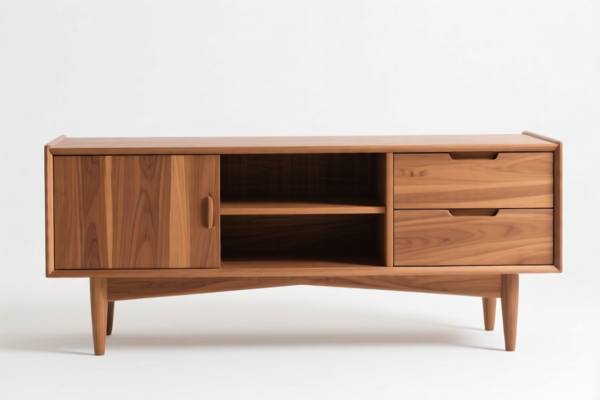
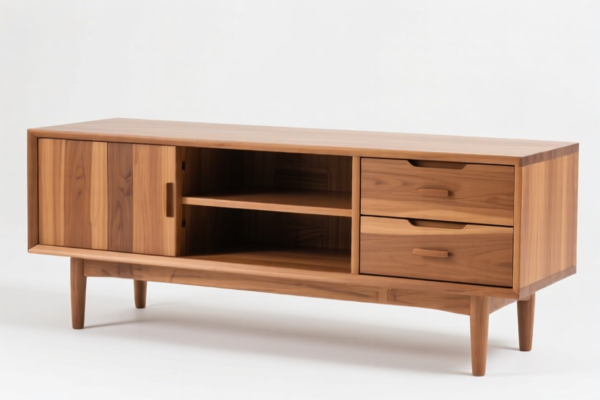
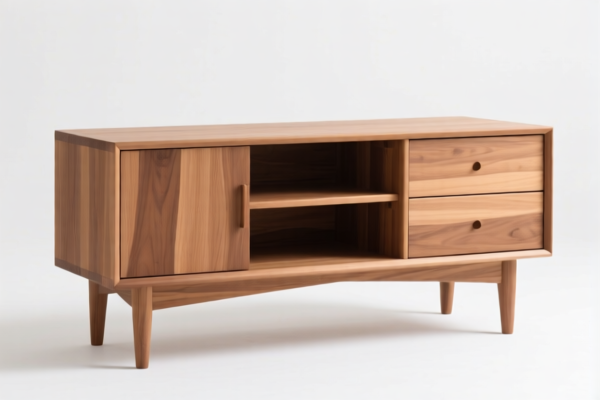
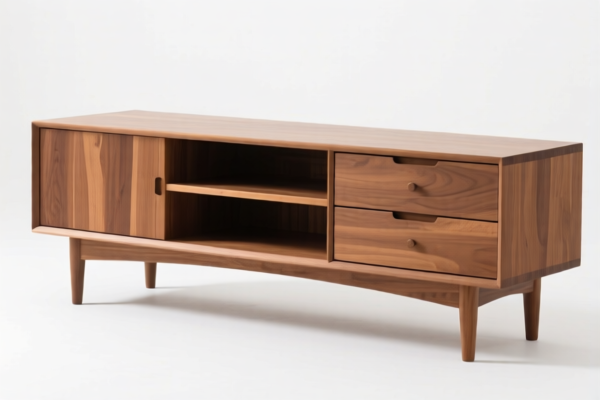
AI Analysis
🪵 Wooden Products (Wooden Building Products & Materials)
🌐 HS Code Reference & Clearance Guide | 2026 Latest Tariff Analysis | Professional Customs Strategy
📌 I. Product Definition & Classification: Do You Really Understand "Wooden Products"?
Wooden products, in the context of international trade and construction, are not a single entity but a diverse category ranging from raw processed timber to finished structural components. In the U.S. market, these are primarily governed by Chapter 44 (Wood and articles of wood).
Key Distinctions: * Engineered Wood Panels (Chapter 44.10/44.12): Plywood, particle board, MDF, and veneer sheets used for subfloors, cabinetry, and drywall backing. * Finished Architectural Millwork (Chapter 44.18): Doors, windows, moldings, trusses, and structural frames ready for installation. * Generic Wood Articles (Chapter 44.18.99/44.10.90): Items that don’t fit neatly into specific subcategories like doors or flooring.
⚠️ Critical Classification Point:
- If it is a panel/board (plywood, particle board) → Likely 4410 or 4412.
- If it is a finished building component (door, window, truss) → Likely 4418.
- Misclassification leads to severe penalties, as the "Section 301" and "Section 232/122" surtaxes apply heavily to all wood imports from China.
📦 II. HS Code Classification Details (2026 Latest Tariff Authority Reference)
Based on the provided data for "Wooden Products Building Products," here are the precise HS Codes and their applicable tax structures:
| HS Code | Product Description | Summary/Application | Base Tariff | Surcharge | 122 Clause | Total Tax Rate |
|---|---|---|---|---|---|---|
| 4410.19.00.60 | Wood Products, Board-type Building Materials | Suitable for wood attributes and board-type applications | 0.0% | 25.0% | 10% | 35.0% |
| 4418.99.91.95 | Wood Products, Other Architectural Items | Other items in the category of architectural wood products | 3.2% | 25.0% | 10% | 38.2% |
| 4418.91.91.40 | Wood Products, Structural Members | Wooden structural components (e.g., trusses, frames) | 3.2% | 25.0% | 10% | 38.2% |
| 4412.99.97.00 | Wood Products, Other Building Applications | Other categories under building application scope (e.g., Plywood variants) | 0.0% | 25.0% | 10% | 35.0% |
| 4410.90.00.00 | Wood Products, Generic Board Materials | Generic wood materials and board-type building products | 0.0% | 25.0% | 10% | 35.0% |
🔍 Key Insight:
- 4410 & 4412 Codes (Board/Panel types) enjoy a 0% Base Tariff, resulting in a 35.0% Total Tax.
- 4418 Codes (Finished Structural/Architectural items) carry a 3.2% Base Tariff, resulting in a higher 38.2% Total Tax.
- All entries are subject to a mandatory 25% Section 301 Surcharge and a 10% Section 122 Tariff.
💰 III. 2026 Latest Tariff Rate Breakdown (Including Surcharges & Policy Add-ons)
✅ Applicable Country: United States (US)
✅ Origin: China (CN)
✅ Effective Date: Current regulations (Subject to 122 Clause enforcement)
🎯 1. 4410.19.00.60 / 4412.99.97.00 / 4410.90.00.00 —— Board/Panel Type Wood Products
| Item | Detail |
|---|---|
| Base Rate | 0% (Ad Valorem) |
| Section 301 Surcharge | +25% (Trade Remedy Duties) |
| Section 122 Tariff | +10% (U.S. Trade Law Section 122) |
| Total Tax Rate | 35.0% |
| Tax Calculation | CIF Value × 35.0% |
| De Minimis Exemption | ❌ NOT Eligible (Deny De Minimis) |
| Legal Basis Path | HTSUS:4410/4412 → USITC:301.01 → Section 122 Authority |
📌 Explanation:
- These codes typically cover plywood, particle board, and MDF.
- While the base tariff is 0%, the 35% effective rate is significant for high-volume, low-margin goods.
- Section 122 applies specifically to imports that threaten to impair national security or are brought in during emergency periods.
🎯 2. 4418.99.91.95 / 4418.91.91.40 —— Finished Architectural & Structural Wood Products
| Item | Detail |
|---|---|
| Base Rate | 3.2% (Ad Valorem) |
| Section 301 Surcharge | +25% (Trade Remedy Duties) |
| Section 122 Tariff | +10% (U.S. Trade Law Section 122) |
| Total Tax Rate | 38.2% |
| Tax Calculation | CIF Value × 38.2% |
| De Minimis Exemption | ❌ NOT Eligible (Deny De Minimis) |
| Legal Basis Path | HTSUS:4418 → USITC:301.01 → Section 122 Authority |
📌 Explanation:
- These codes cover doors, windows, trusses, and millwork.
- The 3.2% base tariff makes the total cost higher (38.2%) compared to board products.
- Structural components (4418.91) are strictly regulated for safety; ensure compliance with ASTM/IRC standards.
🛠️ IV. Customs Clearance Practical Advice (Real-World Pitfall Avoidance)
✅ 1. Required Documentation Checklist (None Can Be Omitted)
| Document | Mandatory | Explanation |
|---|---|---|
| ✅ Commercial Invoice | ✔️ | Must clearly state "Wood Products" and HS Codes. |
| ✅ Packing List | ✔️ | Detail weight, dimensions, and material composition. |
| ✅ Certificate of Origin (CO) | ✔️ | Crucial for proving CN origin to apply (or contest) surcharges. |
| ✅ Fumigation Certificate | ✔️ | ISPM 15 Compliant is mandatory for raw wood/pallets to prevent pests. |
| ✅ Product Specification Sheet | ✔️ | Differentiate between "Engineered Wood" (4410/12) and "Architectural Millwork" (4418). |
| ✅ FSC Certification | Optional but Recommended | Demonstrates sustainable sourcing; may assist in compliance audits. |
✅ 2. Declaration Tips (Key Mnemonics)
🔥 "Material Defines Code, Structure Dictates Tax, Fumigation is Key!"
| Scenario | Correct Declaration | Wrong Action |
|---|---|---|
| Plywood/Particle Board | 4410.19.00.60 or 4412.99.97.00 |
Mislabeling as "Furniture" → Higher scrutiny |
| Doors/Windows/Trusses | 4418.91.91.40 or 4418.99.91.95 |
Grouping with panels → 38.2% vs 35% risk |
| Wooden Pallets/Crates | ISPM 15 Marked | Unmarked pallets → Seizure & Destruction |
| Mixed Container | Separate HS Codes per item | "Miscellaneous Wood" → Audit Trigger |
✅ 3. Special Case Handling
| Scenario | Handling Advice |
|---|---|
| OEM Custom Doors | Provide architectural drawings to justify 4418 classification over generic wood parts. |
| Treated Wood | Must declare chemical treatment type (e.g., CCA, ACQ) for EPA compliance. |
| Reclaimed Wood | Strict biosecurity checks; may require additional inspection. |
| Kit Homes (Prefab) | Each component (wall panels, trusses) must be declared individually under correct HS codes. |
🌍 V. Global Market Comparison (2026 Latest)
| Country/Region | Recommended HS Code | Tariff (China Origin) | Certification Required | Remarks |
|---|---|---|---|---|
| 🇺🇸 USA | 4410/4418 Series |
35.0% - 38.2% | Fumigation, ASTM/IRC | High Surcharge Era |
| 🇨🇳 China | 4410/4418 Series |
0% - 3.2% | CCC (if applicable) | No Section 122 |
| 🇪🇺 EU | 4410/4418 Series |
~5% - 6% | FSC/PEFC (Green Deal) | CBAM Impact Low for Wood |
| 🇬🇧 UK | 4410/4418 Series |
~5% - 6% | FSC/PEFC | Post-Brexit Standards Apply |
| 🇨🇦 Canada | 4410/4418 Series |
0% (if CUSMA Origin) | FSC/Certified Sourcing | Free Trade Advantage |
📌 Conclusion:
- The U.S. market is currently the most expensive due to the combination of Section 301 (25%) and Section 122 (10%) tariffs.
- Total tax burden ranges from 35% to 38.2%, drastically reducing profit margins.
- Consider supply chain diversification to Mexico or Canada (CUSMA) if possible, where tariffs may be 0%.
📌 VI. Common Errors & Pitfall Guide (Lessons Learned)
❌ Error 1: Classifying all wood under one generic code.
👉 Consequence: U.S. Customs may reclassify, leading to back taxes + interest.
❌ Error 2: Ignoring ISPM 15 Fumigation for pallets.
👉 Consequence: Cargo rejection at port; costly repackaging or destruction.
❌ Error 3: Confusing "Engineered Wood" (4410) with "Finished Millwork" (4418).
👉 Consequence: 3.2% Base Tariff Missed Opportunity or overpayment.
❌ Error 4: Assuming "De Minimis" ($800) applies.
👉 Consequence: ALL wood products from China are EXCLUDED from de minimis. Every shipment is subject to duties.
✅ Correct Practice:
"Plywood, 1/2 inch, Interior Grade, FSC Certified, ISPM 15 Pallets, Model XYZ, Compliant with ASTM D5456"
🎯 VII. Conclusion: Precision Classification, Cost Control, Efficiency!
🎯 Remember the Mnemonic:
🔹 "Panels 35%, Structure 38%, No De Minimis, Fumigation is Key!"
🔹 "HS Code 4410/18 vs 4410/90, A 3.2% difference matters!"
📌 Pro Tip:
If your wooden products are sourced from Vietnam, Malaysia, or Thailand, you MIGHT qualify for lower or zero Section 301/122 tariffs.
Action Step:
📞 Consult a Licensed Customs Broker
📄 Request a Binding Ruling (Pre-Arrival Review)
🚀 Optimize Supply Chain to Mitigate the 35-38% Tariff Shock!
✨ Professional Clearance Starts with Accurate Classification!
💼 Your Margins Depend on Every Decimal Point of Tax!
Customer Reviews
About HS Code Classification
The Harmonized System (HS) is an internationally standardized nomenclature developed by the World Customs Organization (WCO) to classify traded products. Over 200 countries use the HS system as the basis for customs tariffs, trade statistics, and import/export regulations.
Each HS code follows a hierarchical structure:
- Chapter (2 digits) — Broad category of goods (e.g., Chapter 84: Machinery and Mechanical Appliances)
- Heading (4 digits) — More specific grouping within the chapter
- Subheading (6 digits) — Internationally standardized breakdown, used by all WCO member countries
- National subdivisions (8-10 digits) — Country-specific extensions for further classification, such as US HTSUS 10-digit codes
Correct HS code classification is essential for smooth customs clearance, accurate duty payment, and compliance with trade regulations. Misclassification can lead to customs delays, overpayment of duties, or penalties.
When importing from CN to US, the applicable tariff rates may include:
- Most-Favored-Nation (MFN) rate — The standard duty rate applied to WTO members
- General rate — Applied to countries without trade agreements
- Trade remedy duties — Additional tariffs such as Section 301 (anti-dumping), Section 232 (national security), or countervailing duties
The information provided on this page is for reference purposes only. For official classification, please consult with your local customs authority or a licensed customs broker.