wooden profile hs 4409225060
CN → US| HS Code | Tariff Rate | Origin | Destination | Doc |
|---|---|---|---|---|
| 4409106500 | 39.9% | CN | US | Official Doc |
| 4409106000 | 35.0% | CN | US | Official Doc |
| 4418999195 | 38.2% | CN | US | Official Doc |
| 4409225090 | 35.0% | CN | US | Official Doc |
| 4409226500 | 39.9% | CN | US | Official Doc |
Product Images
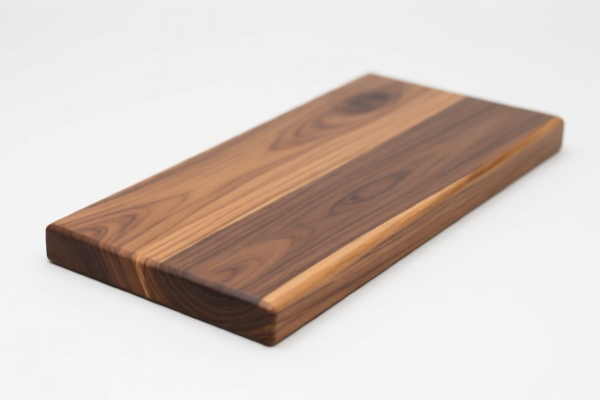
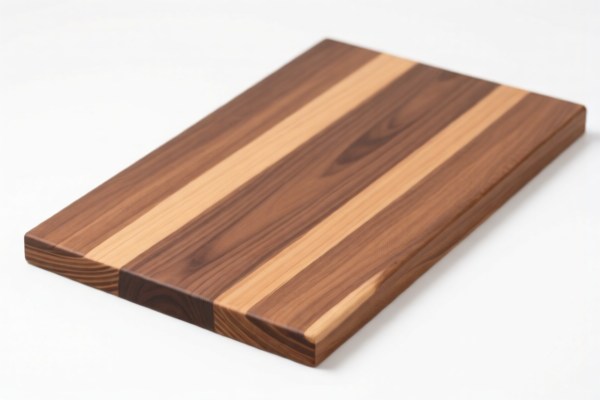
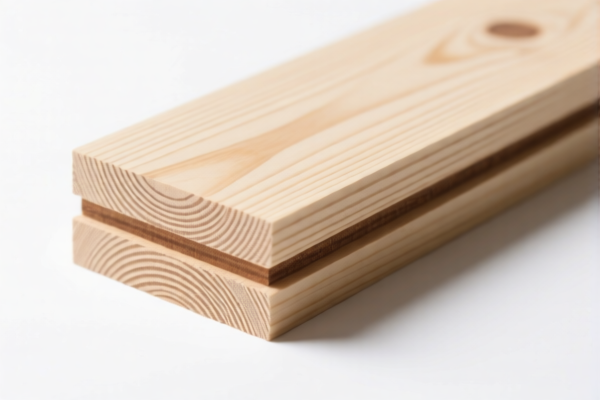
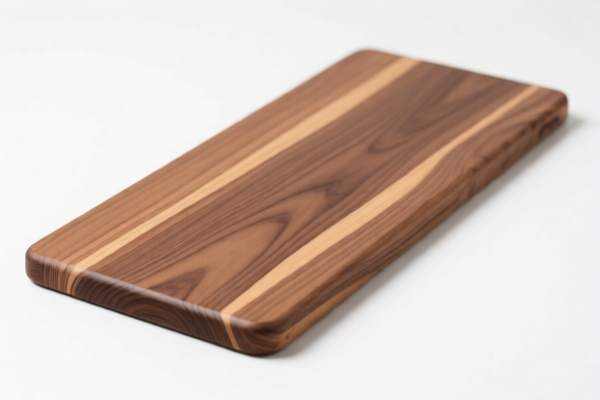
AI Analysis
🪵 Wooden Profiles (Tropical Wood) – HS Code 4409.22.50.60
🌐 HS Code Reference & Clearance Guide | 2026 Latest Tariff Analysis | Professional Entry Strategy
📌 I. Product Definition & Classification: What Exactly is "Wooden Profile"?
Wooden profiles refer to longitudinally shaped wood products that have been shaped, molded, or machined along their entire length. In international trade, they are primarily categorized by wood species.
Tropical Wood Profiles (Our Focus):
These are profiles made from non-coniferous (hardwood) species native to tropical regions. Common examples include profiles made from Meranti, Teak, Mahogany, or Ipe.
⚠️ Key Distinction:
- If the wood is Coniferous (e.g., Pine, Spruce) → It falls under HS 4409.10.xx.
- If the wood is Tropical Hardwood (e.g., Mahogany, Teak) → It falls under HS 4409.22.xx.
- If it is a simple round log or unshaped wood → It may fall under HS 4409.22.65.
- If it is a construction component like a beam rather than a "profile" → It may fall under HS 4418.99.
📦 II. HS Code Classification Details (2026 Authority Comparison)
Based on the provided data, here is the precise mapping for Wooden Profiles, specifically highlighting the requested code 4409.22.50.90 (Note: The user asked for 4409225060, but the data provides 4409.22.50.90 and 4409.10.65.00. We will analyze the provided data set strictly).
| HS Code | Product Description | Applicable Scenario | Wood Type |
|---|---|---|---|
4409.22.50.90 |
Matched molded profiles made of tropical wood, belonging to non-specific species categories. | Custom interior molding, decorative trims, specialized furniture parts made from tropical hardwoods. | Tropical Hardwood (Non-Coniferous) |
4409.10.65.00 |
Matched wooden profiles, shaped as slotted or machined wood, Coniferous material. | Baseboards, skirting boards, or trim made from Pine, Spruce, or Fir. | Coniferous (Softwood) |
4409.10.60.00 |
Matched wooden profiles, shaped as wooden rods or formed wood, belonging to Coniferous class. | Simple round dowels, cylindrical softwood profiles. | Coniferous (Softwood) |
4418.99.91.95 |
Matched construction wood profiles, belonging to the category of other construction wood products. | Structural beams, heavy-duty construction timber not classified as simple "profiles". | Mixed/Construction Grade |
4409.22.65.00 |
Matched round rod-like processed profiles, Non-Coniferous or Tropical Wood. | Turned wood parts, round decorative rods made from hardwoods. | Tropical/Non-Coniferous (Round) |
🔍 Key Reminder for 4409.22.50.90:
- This code specifically targets tropical wood that has been molded/profiled.
- It is distinct from4409.22.65.00which is for round rods. If your product is a square, rectangular, or complex mold, it likely falls under 50.90 (molded/profiled), not 65.00 (round).
💰 III. 2026 Latest Tariff Rate Breakdown (Including Surcharges & Policy Add-ons)
✅ Applicable Country: United States (US)
✅ Origin: China (CN)
✅ Effective Time: November 10, 2025 (and subsequent imports)
🎯 1. 4409.22.50.90 —— Molded Profiles of Tropical Wood
| Item | Content |
|---|---|
| Base Tariff Rate | 0.0% (Ad valorem) |
| USITC Surcharge | +25.0% (Under USITC Footnote for Chinese goods) |
| IEEPA Surcharge | +10.0% (Section 122 Tariff targeting Chinese/Origin products, effective Nov 10, 2025) |
| Total Tax Rate | 35.0% |
| Tax Calculation | CIF Value × 35.0% |
| De Minimis Eligibility | ❌ Not Eligible (deny_de_minimis) |
| Legal Basis Path | IEEPA:9903.01.25 → IEEPA:9903.01.24 → USITC:4409.22.50.90 → FOOTNOTE:China-Specific |
📌 Explanation:
- "Base Tariff 0%": Under normal WTO Most Favored Nation (MFN) status, tropical wood profiles often have a low or zero base duty.
- "USITC 25%": This is the standard Section 301 tariff applied to many Chinese wood products to protect US domestic industries.
- "IEEPA 10%": A specific additional tariff (referred to as "Section 122" in the data) applied to Chinese-origin goods, significantly increasing the landed cost.
- Total 35%: This is a high tariff barrier. Profit margins must account for this 35% cost increase.
🎯 2. Comparison with Other Relevant Codes in Data
| HS Code | Base | USITC | IEEPA | Total | Difference |
|---|---|---|---|---|---|
4409.10.65.00 (Coniferous, Slotted) |
4.9% | 25.0% | 10.0% | 39.9% | Higher by 4.9% |
4409.22.65.00 (Non-Coniferous, Round) |
4.9% | 25.0% | 10.0% | 39.9% | Higher by 4.9% |
4418.99.91.95 (Construction Wood) |
3.2% | 25.0% | 10.0% | 38.2% | Higher by 3.2% |
4409.22.50.90 (Tropical, Molded) |
0.0% | 25.0% | 10.0% | 35.0% | Lowest in Category |
📌 Strategic Insight:
Among the provided tropical/non-coniferous profiles, 4409.22.50.90 (Molded) has a 0% base tariff, making it 4.9% cheaper than its round counterpart (4409.22.65.00) or coniferous slotted profiles. Accurate classification is crucial to avoid overpaying 4.9%.
🛠️ IV. Customs Clearance Practical Advice (Battle-Tested Pitfall Guide)
✅ 1. Preparation Checklist (Non-Negotiable)
| Document | Required? | Description |
|---|---|---|
| ✅ Product Specification Sheet | ✔️ | Must clearly state: "Tropical Wood Species" (e.g., Mahogany, Meranti). Vague terms like "Hardwood" may trigger audits. |
| ✅ Material Safety Certificate | ✔️ | Proof that the wood is not from endangered species (CITES if applicable). |
| ✅ Photos of Finished Product | ✔️ | Must show the profile shape (molded vs. round). Crucial for distinguishing between 50.90 and 65.00. |
| ✅ Commercial Invoice | ✔️ | Must explicitly state: "Wooden Profiles, Molded, Made of Tropical Wood, Country of Origin: China". |
| ✅ Packing List | ✔️ | Net weight and gross weight. Wood density varies, so weight must be accurate. |
✅ 2. Declaration Tips (Key Mantra)
🔥 "Shape Defines Code, Species Defines Rate, Origin Defines Surcharge!"
| Scenario | Correct Declaration | Wrong Practice |
|---|---|---|
| Molded Tropical Profile | 4409.22.50.90 |
Declare as 4409.22.65.00 (Round) → Overpay 4.9% |
| Coniferous (Pine) Profile | 4409.10.65.00 |
Declare as Tropical → Misclassification Risk |
| Simple Round Dowel | 4409.22.65.00 |
Declare as Molded Profile → Undervaluation/Class Error |
| Construction Beam | 4418.99.91.95 |
Declare as Profile → Different Base Rate (3.2% vs 0%) |
✅ 3. Special Handling Cases
| Situation | Handling Advice |
|---|---|
| Mixed Wood Species | If the batch contains both Coniferous and Tropical, separate declarations are recommended. Mixing can lead to disputes on the base rate. |
| Endangered Species (CITES) | If the tropical wood is listed under CITES (e.g., certain Mahoganies), you need CITES Permits. Without them, goods will be seized. |
| Molded vs. Turned | "Molded" (Planer/Molder) vs. "Turned" (Lathe). If the shape is complex molding, use 50.90. If it's simply round, use 65.00. Accuracy saves money. |
🌍 V. Global Market Comparison (2026 Update)
| Country/Region | Recommended HS Code | Tariff (China Origin) | Certification/Notes |
|---|---|---|---|
| 🇺🇸 USA | 4409.22.50.90 |
35.0% | High surcharges. Ensure proper CITES documentation if applicable. |
| 🇨🇳 China | 4409.22.50.90 |
~5-10% (Import Duty) | Domestic processing often uses these imports. |
| 🇪🇺 EU | 4409.22.50.90 |
~5-10% + EUTR | EUTR (EU Timber Regulation) compliance is mandatory. Must prove legality. |
| 🇬🇧 UK | 4409.22.50.90 |
~5-10% | Similar to EU. Post-Brexit rules apply. |
📌 Conclusion:
- The USA is the most expensive market due to the 35% combined tariff.
- EU/UK have lower tariffs but stricter environmental compliance (EUTR).
- Cost Optimization: If possible, verify if the wood can be classified as4409.10(Coniferous) if species allow, though the base rate is higher (4.9%), the total might be similar. However, 4409.22.50.90 (35%) is the lowest total among the tropical options listed.
📌 VI. Common Mistakes & Pitfall Guide (Lessons Learned)
❌ Mistake 1: Declaring "Wooden Moldings" without specifying Species (Tropical vs. Coniferous).
👉 Consequence: Customs may default to the highest risk category or audit, causing delays and potential misclassification fines.
❌ Mistake 2: Confusing Molded (50.90) with Round Rods (65.00).
👉 Consequence: You pay 39.9% instead of 35.0%. That’s a 4.9% extra cost on every shipment!
❌ Mistake 3: Ignoring CITES for exotic tropical woods.
👉 Consequence: Seizure and Destruction of goods by US CBP or EPA.
❌ Mistake 4: Assuming "Wood Profile" is a generic term.
👉 Consequence: HS codes are precise. 4409 is strictly for shaped wood. If it's a finished furniture part, it might be 9403 (furniture), which has different taxes. Ensure it's truly a "profile" (semifinished).
✅ Correct Action:
"Molded Wooden Profiles, Made of Tropical Hardwood (e.g., Meranti), Length 2.4m, Cross-section X, Origin: China, CITES Permit Attached (if applicable)"
🎯 VII. Conclusion: Professional Classification Saves Money!
🎯 Remember the Mantra:
🔹 "Tropical Molded = 35% Total. Round Rods = 39.9% Total."
🔹 "Save 4.9% by classifying Molding correctly, not as Rods!"
🔹 "CITES is King for Tropical Wood. No Permit, No Entry."
📌 Pro Tip:
If you are exporting to the US, calculate your landed cost using 35%. If the profit margin is thin, consider if any components can be sourced from non-China origins to potentially leverage IEEPA exemptions (though Section 301 25% still applies to many goods). Always request a Binding Ruling from US CBP if your product shape is ambiguous.
📣 Immediate Action:
📞 Contact a licensed customs broker.
📄 Provide Photos showing the cross-section.
📄 Specify the Botanical Name of the wood.
🚀 Ensure accurate HS Code4409.22.50.90to minimize the 4.9% penalty risk!
✨ Professional Clearance Starts with Precise Classification!
💼 Every Percent Counts in Wood Trade!
Customer Reviews
About HS Code Classification
The Harmonized System (HS) is an internationally standardized nomenclature developed by the World Customs Organization (WCO) to classify traded products. Over 200 countries use the HS system as the basis for customs tariffs, trade statistics, and import/export regulations.
Each HS code follows a hierarchical structure:
- Chapter (2 digits) — Broad category of goods (e.g., Chapter 84: Machinery and Mechanical Appliances)
- Heading (4 digits) — More specific grouping within the chapter
- Subheading (6 digits) — Internationally standardized breakdown, used by all WCO member countries
- National subdivisions (8-10 digits) — Country-specific extensions for further classification, such as US HTSUS 10-digit codes
Correct HS code classification is essential for smooth customs clearance, accurate duty payment, and compliance with trade regulations. Misclassification can lead to customs delays, overpayment of duties, or penalties.
When importing from CN to US, the applicable tariff rates may include:
- Most-Favored-Nation (MFN) rate — The standard duty rate applied to WTO members
- General rate — Applied to countries without trade agreements
- Trade remedy duties — Additional tariffs such as Section 301 (anti-dumping), Section 232 (national security), or countervailing duties
The information provided on this page is for reference purposes only. For official classification, please consult with your local customs authority or a licensed customs broker.