wooden railway sleeper
CN → US| HS Code | Tariff Rate | Origin | Destination | Doc |
|---|---|---|---|---|
| 4407190056 | 35.0% | CN | US | Official Doc |
| 4407190055 | 35.0% | CN | US | Official Doc |
| 4407110002 | 35.0% | CN | US | Official Doc |
| 4421919880 | 38.3% | CN | US | Official Doc |
| 4407190093 | 35.0% | CN | US | Official Doc |
Product Images
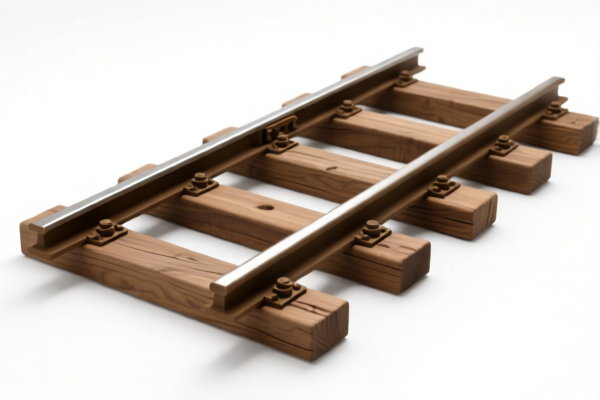
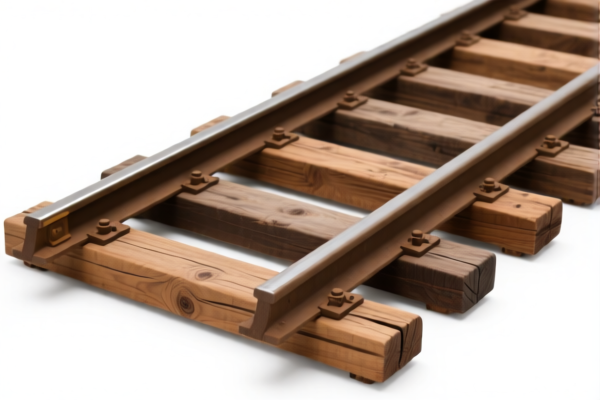
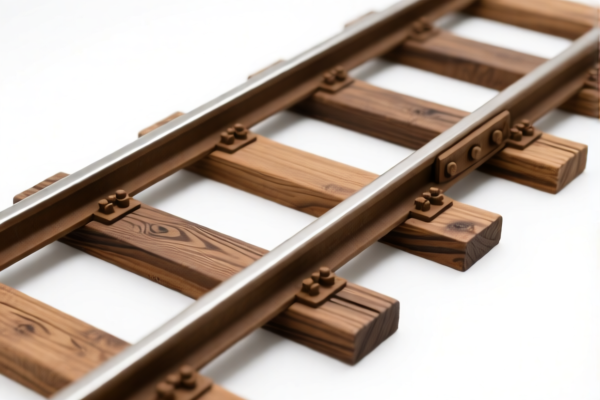
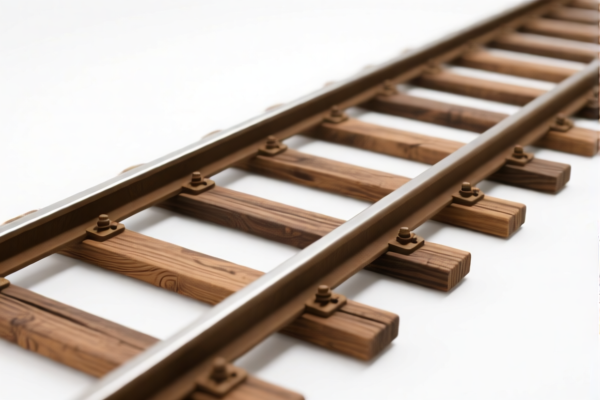
AI Analysis
🚂 Wooden Railway Sleepers (Wooden Railway Ties)
🌐 HS Code Reference & Customs Clearance Guide | 2026 Latest Tariff Analysis | Professional Clearance Strategy
📌 I. Product Definition & Classification: Do You Really Understand "Wooden Railway Sleepers"?
Wooden railway sleepers, also known as railroad ties, are rectangular blocks used to support railway tracks and hold them in gauge. They transfer the load from the rails to the ballast and subgrade. In international trade, these products are primarily classified based on their wood species, processing level, and preservation status.
Key Classification Distinctions: * Railway Sleepers (Specific Use) Typically classified under Chapter 44, Heading 4407 (Wood sawn/chipped) or 4421 (Other wood articles). Specific subheadings often target "sleepers" explicitly. * Preservation Status: The presence of preservatives (e.g., Creosote, Copper Azole) can influence classification, though often still falls under 4407 if processed. * Wood Type: Coniferous (softwood) vs. Non-coniferous (hardwood). Most railway sleepers are coniferous (e.g., Pine, Fir).
⚠️ Critical Distinction:
- If the product is specifically shaped for railway use and processed, it often falls under specific "sleepers" subheadings in 4407.
- If it is a general wooden block not specifically tailored or if classified under a broader "other wood products" category, it may fall under 4421.
- Misclassification Risk: Declaring as generic "wooden blocks" instead of specific "railway sleepers" can lead to duty reassessment.
📦 II. HS Code Classification Details (2026 Latest Tariff Authority Comparison)
| HS Code | Product Description | Applicable Scenario | Wood Type/Processing |
|---|---|---|---|
4407.19.00.56 |
Wooden railway sleepers, material is wood, shape fits longitudinal sawn or rough timber category. | Raw or semi-processed sleepers, longitudinal sawn | ✅ Coniferous/Rough Sawn |
4407.19.00.55 |
Wooden railway sleepers, shape is processed wood, fitting coniferous wood characteristics. | Processed softwood sleepers (e.g., Pine, Fir) | ✅ Coniferous Processed |
4407.11.00.02 |
Preservative-treated Pine Railway Sleepers, material is Pine, treated with preservatives. | Treated softwood sleepers (common in US/EU) | ✅ Treated Coniferous |
4407.19.00.93 |
Coniferous wooden railway sleepers, material is coniferous, shape is sawn/processed wood. | Standard coniferous sleepers, sawn | ✅ Coniferous Sawn |
4421.91.98.80 |
Wooden sleepers, material is wood, belongs to the residual category under other wood products. | General wooden blocks, non-specific sleepers, or items not fitting 4407 specifics | ❌ General Wood Product |
🔍 Key Reminder:
- 4407 Series: Applies to sleepers that are "sawn or chipped longitudinally." This is the primary classification for most standard railway sleepers.
- 4421 Series: A "catch-all" for other wood articles. Only use if the item does not fit the definition of sawn timber (4407) or is a finished wooden product not covered by 4407.
- Preservatives: Treated sleepers (like4407.11.00.02) are still considered timber products under 4407, not chemical products.
💰 III. 2026 Latest Tariff Rate Breakdown (Including Additional Taxes & Policy Surcharges)
✅ Applicable Country: United States (US)
✅ Origin: China (CN)
✅ Effective Time: 2025/2026 (Current Trade Environment)
🎯 1. 4407.19.00.56 & 4407.19.00.55 & 4407.11.00.02 & 4407.19.00.93 —— Coniferous/Sawn Wooden Sleepers
| Item | Content |
|---|---|
| Base Duty Rate | 0.0% (ad valorem) |
| Section 301 Additional Duty | +25.0% (USITC Footnote 9903.88.01) |
| Section 122 Duty | +10.0% (Specific surcharge for certain wood/forest products) |
| Total Duty Rate | 35.0% |
| Tax Calculation | CIF Value × 35% |
| De Minimis Eligibility | ❌ No (deny_de_minimis) |
| Legal Basis Path | USITC:4407.19.00.56 → FOOTNOTE:301 (+25%) + Section 122 (+10%) |
📌 Explanation:
- Section 301 (25%): Standard additional duty on Chinese-origin goods in Chapter 44.
- Section 122 (10%): A specific surcharge often applied to wood products to protect domestic timber industries.
- Combined Total: 35%. This is a high duty for wood products.
- Note: Even though the base duty is 0%, the total effective rate is 35%.
🎯 2. 4421.91.98.80 —— Other Wooden Products (Residual Category)
| Item | Content |
|---|---|
| Base Duty Rate | 3.3% (ad valorem) |
| Section 301 Additional Duty | +25.0% |
| Section 122 Duty | +10.0% |
| Total Duty Rate | 38.3% |
| Tax Calculation | CIF Value × 38.3% |
| De Minimis Eligibility | ❌ No (deny_de_minimis) |
| Legal Basis Path | USITC:4421.91.98.80 → FOOTNOTE:301 (+25%) + Section 122 (+10%) |
📌 Note:
- If misclassified into this "other wood products" category, the base duty increases to 3.3%, pushing the total to 38.3%.
- Always strive for correct 4407 classification to avoid unnecessary base duty.
🛠️ IV. Customs Clearance Practical Advice (Real-World Pitfall Avoidance Guide)
✅ 1. Required Documentation List (All are Mandatory)
| Document | Must Provide | Explanation |
|---|---|---|
| ✅ Product Specification Sheet | ✔️ | Must specify: Wood species (e.g., Pine, Fir), dimensions, treatment type (e.g., Creosote, Copper), and "Railway Sleeper" designation. |
| ✅ Photographs (Clear & Detailed) | ✔️ | Show cross-section, ends, and any treatment labels/stamps. |
| ✅ Treatment Certificate | ✔️ | If treated, provide proof of preservative type and concentration (critical for environmental compliance). |
| ✅ Commercial Invoice | ✔️ | Clearly state "Wooden Railway Sleepers" (not generic "wooden blocks"). Include HS Code. |
| ✅ Packing List | ✔️ | Detail weight, volume, and number of pieces. |
| ✅ Phytosanitary Certificate | ✔️ | CRITICAL: Required for all wood products entering the US to prevent pest introduction. |
| ✅ IPPC Stamp Proof | ✔️ | Ensure pallets/crates meet ISPM 15 standards. |
✅ 2. Declaration Tips (Key Mantra)
🔥 "Specify Wood Type, Declare Treatment, Label 'Sleeper', Avoid 'Generic'"
| Situation | Correct Declaration | Incorrect Practice |
|---|---|---|
| Standard Coniferous Sleeper | 4407.19.00.93 |
Declaring as "Wooden Planks" → Higher duty/Risk |
| Treated Pine Sleeper | 4407.11.00.02 |
Declaring as "Untreated Wood" → Fine/Seizure |
| Non-Specific Wooden Block | 4421.91.98.80 |
Using this for actual sleepers → 38.3% Duty |
| Sleepers with Pallets | Declare Sleeper + Pallet Separately | Bundle them as one "Wooden Set" → Complex Duty |
✅ 3. Special Circumstances Handling
| Situation | Handling Advice |
|---|---|
| Treated Sleepers (Creosote) | Must declare Hazardous Material (Hazmat) if applicable. Provide MSDS. Some ports restrict Creosote. |
| OEM Custom Sizes | Provide engineering drawings to prove "Railway Sleeper" function. |
| Mixed Wood Types | If a shipment contains both coniferous and non-coniferous, they may need separate classification. |
| Used Sleepers | High Risk. May be prohibited or subject to intense phytosanitary checks. New sleepers are preferred. |
🌍 V. Global Major Market Customs Comparison (2026 Latest)
| Country/Region | Recommended HS Code | Duty (China Origin) | Certification Requirements | Notes |
|---|---|---|---|---|
| 🇺🇸 United States | 4407.19.00.93 |
35% | Phytosanitary + IPPC | High scrutiny on wood pests. Section 122 applies. |
| 🇨🇳 China | 4407.19.00.00 |
~0-10% | N/A | Import duty varies. |
| 🇪🇺 European Union | 4407.10.00 |
0-10% (varies) | FSC/PEFC Certification | Strong demand for sustainable wood. |
| 🇦🇺 Australia | 4407.10.00 |
5-10% | Biosecurity Strict | Very strict quarantine on wood. |
| 🇯🇵 Japan | 4407.10.00 |
0-10% | ISPM 15 | High quality standards for wood grain. |
📌 Conclusion:
- US Market: High tariffs (35%) but stable demand. Phytosanitary compliance is key to avoid delays.
- EU/Asia: Lower tariffs but sustainability certifications (FSC/PEFC) are increasingly mandatory.
- Biosecurity: All markets require strict wood pest prevention. Never ship untreated wood without proper certification.
📌 VI. Common Errors & Pitfall Avoidance Guide (Blood Lessons)
❌ Error 1: Declaring "Wooden Blocks" instead of "Railway Sleepers"
👉 Consequence: Misclassification to 4421.91.98.80 → Duty jumps to 38.3% + potential fines.
❌ Error 2: Missing Phytosanitary Certificate
👉 Consequence: Shipment held at port, fumigation required, or returned/destructed.
❌ Error 3: Not disclosing Preservative Treatment
👉 Consequence: Hazmat violation, heavy fines, and potential ban on entry.
❌ Error 4: Using Generic Descriptions like "Timber"
👉 Consequence: Customs officer may choose the highest possible duty rate.
✅ Correct Practice:
"Wooden Railway Sleepers, Coniferous (Pine), Sawn, Treated with Copper Azole, Length: 8.5ft, Cross-Section: 7x7, Phytosanitary Certificate Attached, IPPC Marked."
🎯 VII. Conclusion: Professional Declaration, Time-Saving, Cost-Reducing!
🎯 Remember the Mantra:
🔹 "Sleepers are Timber, Not Blocks! 35% Duty, Not 38.3%.
🔹 Phytosanitary Cert is King! Without it, Your Shipment Dies.
🔹 **Treated Wood? Declare It! Hazmat Fine is Real."
📌 Pro Tip:
If your sleepers are treated with environmentally friendly preservatives (e.g., Copper Azole instead of Creosote), highlight this in documentation. Some ports favor less toxic treatments, potentially speeding up clearance.
Consider Advance Ruling from US Customs (CBP) if you are a high-volume importer.
📣 Immediate Action:
📞 Contact a licensed customs broker + Provide Product Photos + Obtain Phytosanitary Certificate
🚀 Ensure your wooden railway sleepers clear customs smoothly, efficiently, and profitably!
✨ Professional Clearance, Starting with Accurate Classification!
💼 Every Percent Saved is Pure Profit!
Customer Reviews
About HS Code Classification
The Harmonized System (HS) is an internationally standardized nomenclature developed by the World Customs Organization (WCO) to classify traded products. Over 200 countries use the HS system as the basis for customs tariffs, trade statistics, and import/export regulations.
Each HS code follows a hierarchical structure:
- Chapter (2 digits) — Broad category of goods (e.g., Chapter 84: Machinery and Mechanical Appliances)
- Heading (4 digits) — More specific grouping within the chapter
- Subheading (6 digits) — Internationally standardized breakdown, used by all WCO member countries
- National subdivisions (8-10 digits) — Country-specific extensions for further classification, such as US HTSUS 10-digit codes
Correct HS code classification is essential for smooth customs clearance, accurate duty payment, and compliance with trade regulations. Misclassification can lead to customs delays, overpayment of duties, or penalties.
When importing from CN to US, the applicable tariff rates may include:
- Most-Favored-Nation (MFN) rate — The standard duty rate applied to WTO members
- General rate — Applied to countries without trade agreements
- Trade remedy duties — Additional tariffs such as Section 301 (anti-dumping), Section 232 (national security), or countervailing duties
The information provided on this page is for reference purposes only. For official classification, please consult with your local customs authority or a licensed customs broker.