wool blanket
CN → US| HS Code | Tariff Rate | Origin | Destination | Doc |
|---|---|---|---|---|
| 6301200020 | 17.5% | CN | US | Official Doc |
| 6301200010 | 17.5% | CN | US | Official Doc |
| 5112111000 | 42.0% | CN | US | Official Doc |
| 5112192000 | 42.0% | CN | US | Official Doc |
| 5602109010 | 45.6% | CN | US | Official Doc |
Product Images
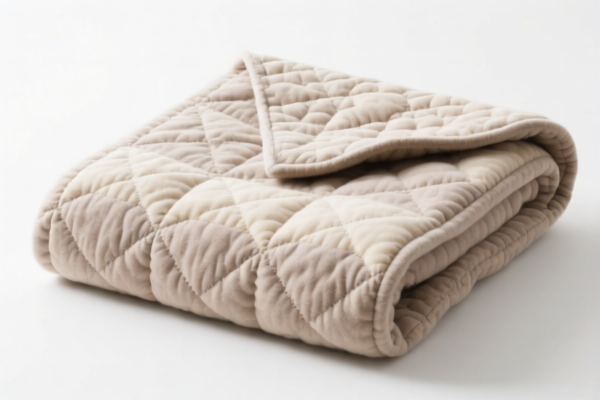
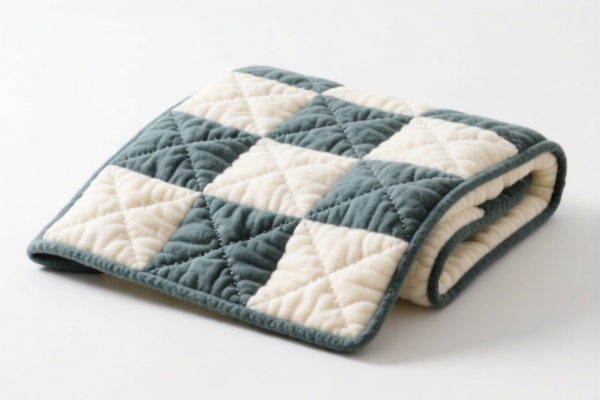
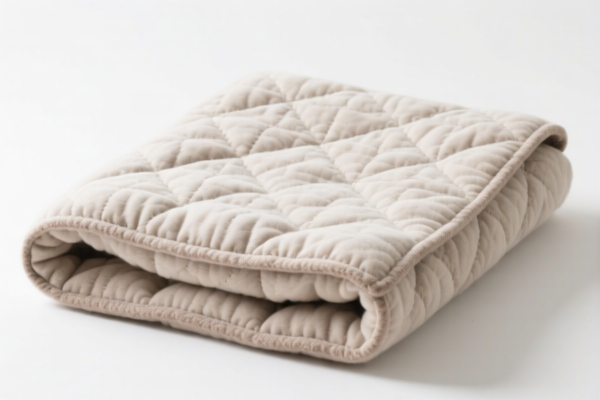
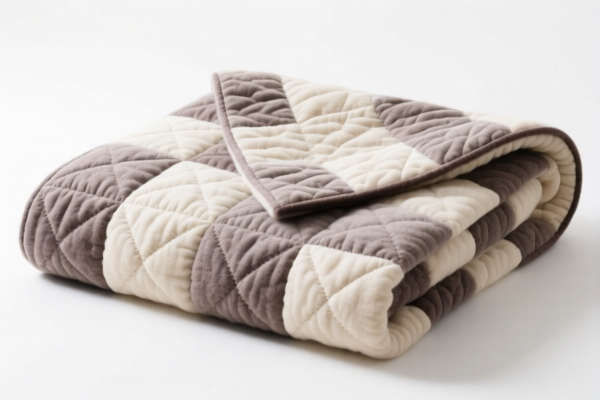
AI Analysis
🧶 Wool Blankets (Textile Products)
🌐 HS Code Reference & Clearance Guide | 2026 Latest Tariff Analysis | Professional Customs Strategy
📌 Part 1: Product Definition & Classification: What Exactly is a "Wool Blanket"?
Wool blankets are essential textile products used for bedding, decoration, and outdoor activities. In international trade, the classification depends heavily on the manufacturing process (woven vs. felted) and the specific form (finished blanket vs. raw fabric).
The key distinction lies in whether the wool is woven into a finished blanket (Chapter 63) or remains as fabric/material (Chapters 51 or 56).
⚠️ Critical Distinction Point:
- If it is a finished blanket (cut, sewn, fringed) → Classify under 6301 (Bed linen/Table linen); Lowest Tax!
- If it is Woven Wool Fabric (rolls, not yet made into blankets) → Classify under 5112 (Woven fabrics); High Tax!
- If it is Wool Felt (non-woven, matted) → Classify under 5602 (Felt); Highest Tax!
📦 Part 2: HS Code Classification Details (2026 Latest Tariff Authority Comparison)
| HS Code | Product Description | Application Scenario | Tax Rate Category |
|---|---|---|---|
6301.20.00.20 |
Wool Blankets, Material: Wool, Form: Blanket, meets classification requirements | Finished wool blankets with fringe or edges | 🟢 Low Tax (17.5%) |
6301.20.00.10 |
Wool Blankets, Material: Wool, Form: Rug/Textile, meets classification requirements | Finished wool rugs or flat weaves used as blankets | 🟢 Low Tax (17.5%) |
5112.11.10.00 |
Wool Blankets, Material: Wool, Form: Fabric, meets combed wool fabric classification | Woven wool fabric rolls (unmade), combed wool | 🔴 High Tax (42.0%) |
5112.19.20.00 |
Wool Blankets, Material: Wool, Form: Fabric, meets decorative/tapestry fabric features | Decorative wool woven fabrics, tapestries | 🔴 High Tax (42.0%) |
5602.10.90.10 |
Wool Felt Fabric, Material: Wool, Form: Felt, meets wool knitted felt requirements | Non-woven wool felt, matted fiber fabric | 🔴 Highest Tax (45.6%) |
🔍 Key Reminder:
- Finished vs. Unfinished: Customs officials will check if the item is a "finished good" (blanket) or "raw material" (fabric).
- Fabric Type: Woven fabrics (5112) are taxed significantly higher than finished blankets (6301) due to different tariff policies on intermediate goods.
- Felt Identification: Felt (5602) has no weave structure; if it’s matted rather than woven, it falls here, attracting the highest duty.
💰 Part 3: 2026 Latest Tariff Rate Breakdown (Including Additional Taxes & Policy Surcharges)
✅ Applicable Country: United States (US)
✅ Origin: China (CN)
✅ Effective Time: Current (Including subsequent imports)
🎯 1. 6301.20.00.20 & 6301.20.00.10 —— Wool Blankets (Finished Goods)
| Item | Content |
|---|---|
| Base Tariff | 0.0% (Ad Valorem) |
| Section 301 Additional Tariff | +7.5% |
| Section 122 Tariff | +10% |
| Total Tax Rate | 17.5% |
| Tax Calculation | CIF Value × 17.5% |
| De Minimis Exemption Eligibility | ❌ Not Eligible (For shipments from China under current rules) |
| Legal Basis Path | USITC:6301.20.00.20 → Section 301: 7.5% → Section 122: 10% |
📌 Explanation:
- Base Tariff (0.0%): Finished textile goods like wool blankets have a very low or zero base duty under GATT/WTO schedules.
- Section 301 (7.5%): Standard additional tariff for Chinese origin goods under Trade Act Section 301.
- Section 122 (10%): Specific tariff surcharge often applied to certain textile/apparel categories under Section 122 of the Trade Act.
- Total 17.5%: This is the most favorable classification for wool blankets. Ensure your product is declared as a "Finished Blanket" to qualify.
🎯 2. 5112.11.10.00 & 5112.19.20.00 —— Woven Wool Fabrics (Unmade)
| Item | Content |
|---|---|
| Base Tariff | 7.0% |
| Section 301 Additional Tariff | +25.0% |
| Section 122 Tariff | +10% |
| Total Tax Rate | 42.0% |
| Tax Calculation | CIF Value × 42.0% |
| De Minimis Exemption Eligibility | ❌ Not Eligible |
| Legal Basis Path | USITC:5112.11.10.00 → Section 301: 25% → Section 122: 10% |
📌 Note:
- Base Tariff (7.0%): Woven wool fabrics incur a base duty.
- Section 301 (25%): The standard 25% additional tariff applies to most Chinese woven textiles.
- Section 122 (10%): Additional 10% surcharge.
- Total 42.0%: This is more than double the tax rate of finished blankets. Misclassifying a finished blanket as "fabric" will result in massive overpayment.
🎯 3. 5602.10.90.10 —— Wool Felt Fabric
| Item | Content |
|---|---|
| Base Tariff | 10.6% |
| Section 301 Additional Tariff | +25.0% |
| Section 122 Tariff | +10% |
| Total Tax Rate | 45.6% |
| Tax Calculation | CIF Value × 45.6% |
| De Minimis Exemption Eligibility | ❌ Not Eligible |
| Legal Basis Path | USITC:5602.10.90.10 → Section 301: 25% → Section 122: 10% |
📌 Warning:
- Highest Tax Bracket (45.6%): Wool felt attracts the highest base tariff (10.6%) among these categories.
- Not Eligible for De Minimis: Small packages cannot bypass this high duty.
- Strict Inspection: Customs may physically inspect to verify if the material is truly "felt" (matted) vs. "woven."
🛠️ Part 4: Clearance Practical Advice (Combat Pitfalls Guide)
✅ 1. Document Preparation Checklist (Must-Haves)
| Document | Required | Explanation |
|---|---|---|
| ✅ Product Specification Sheet | ✔️ | Must clearly state: "Wool Blanket," Material Composition (100% Wool or Blend), Dimensions, Weight. |
| ✅ Photos of Product | ✔️ | Show the finished item, including fringe, edges, and labels. Proves it is a "blanket," not fabric. |
| ✅ Commercial Invoice | ✔️ | Description must be precise: "Finished Wool Blanket" NOT "Wool Fabric." |
| ✅ Packing List | ✔️ | Detail items to avoid partial shipment confusion. |
| ✅ Origin Certificate (CO) | ✔️ | Crucial for proving Chinese origin (triggering Section 301/122) or claiming exemptions if applicable. |
| ✅ Fabric/Weave Diagram | ❓ Optional | If disputed, provide evidence showing woven structure or felt process. |
✅ 2. Declaration Techniques (Key Mnemonics)
🔥 “Finish First, Fabric Last; Name it Blanket, Tax Drops Fast!”
| Scenario | Correct Declaration | Incorrect Practice |
|---|---|---|
| Finished Wool Blanket | 6301.20.00.20 (17.5%) |
Misclassifying as "Fabric" → 42.0% |
| Woven Wool Rolls | 5112.11.10.00 (42.0%) |
Misclassifying as "Blanket" → Audit Risk |
| Wool Felt Sheets | 5602.10.90.10 (45.6%) |
Misclassifying as "Fabric" → Slight Error |
| Mixed Materials | Check Composition | Assume 100% Wool → Wrong HS Code |
✅ 3. Special Case Handling
| Scenario | Handling Advice |
|---|---|
| OEM Custom Blankets | Provide customer orders + design specs. Ensure description matches "Finished Good." |
| Wool Blend (e.g., Wool+Polyester) | Classification may change based on wool content. If <85% wool, other codes may apply. Consult specialist. |
| Sample Shipments | Even for samples, declare correctly as "Blanket" if it’s a finished piece. Do not use "Fabric" to save tax. |
| Dispute on "Felt" vs. "Woven" | Provide microscopic photos or manufacturer’s certificate of process (matted vs. woven). |
🌍 Part 5: Global Market Clearance Comparison (2026 Latest)
| Country/Region | Recommended HS Code | Tariff Rate | Certification Requirements | Remarks |
|---|---|---|---|---|
| 🇺🇸 USA | 6301.20.00.20 |
17.5% | None (Textile Specific) | Most competitive for wool blankets |
| 🇨🇳 China | 6301.20.00.20 |
5-7% | CCC (if applicable) | Lower base tax, no Section 301 |
| 🇪🇺 EU | 6301.30.00.00 |
4-12% | REACH, Labeling | Varies by fiber content |
| 🇬🇧 UK | 6301.30.00.00 |
5-12% | UKCA | Post-Brexit rules |
| 🇨🇦 Canada | 6301.30.00.00 |
0-6% | None | Preferential under CUSMA |
📌 Conclusion:
- USA has a unique structure where finished textiles (6301) have low base duties but face significant Section 301/122 surcharges.
- Total 17.5% is still much lower than the 42-45% rates for fabrics/felt.
- Strategy: Always aim to classify as 6301.20 (Finished Blanket) if possible.
📌 Part 6: Common Mistakes & Pitfalls Guide (Lessons Learned)
❌ Mistake 1: Declaring a Finished Wool Blanket as "Wool Fabric"
👉 Consequence: Tax jumps from 17.5% to 42.0% → Extra 24.5% cost!
❌ Mistake 2: Not specifying "Finished" in the description
👉 Consequence: Customs may classify as "unmade fabric" → Delay + Higher Tax.
❌ Mistake 3: Confusing Woven with Felt
👉 Consequence: Misclassification leads to 45.6% tax instead of 17.5% or 42%.
👉 Fix: Provide clear photos showing weave structure vs. matted texture.
❌ Mistake 4: Ignoring Section 122 Tariff
👉 Consequence: Underestimating total landed cost by 10% for all categories.
✅ Correct Practice:
"Wool Blanket, 100% Wool, Finished, with Fringe, Size 60x80 inches, Model XYZ, Made in China"
🎯 Part 7: Conclusion: Precise Classification Saves Money!
🎯 Remember the Mantra:
🔹 "Finished Blanket = 17.5%, Fabric = 42%, Felt = 45.6%"
🔹 "Declare 'Blanket', Not 'Fabric', Save Thousands!"
🔹 "Section 301 & 122 Apply to All, But Base Tax Differs!"
📌 Tips:
- If your wool blanket is woven, ensure it is finished (cut, sewn, fringed) to qualify for 6301.20.
- If you are importing bulk fabric to make blankets in the US, classify as 5112 but consider FTZ (Foreign Trade Zone) benefits to defer duties.
- Always verify wool content. If <85%, other HS codes may apply.
📣 Immediate Action:
📞 Contact Professional Customs Broker + Provide Product Photos + Apply for HS Code Advance Ruling
🚀 Ensure your wool blankets clear customs smoothly, minimize tax burden, and maximize profit!
✨ Professional Clearance Starts with Accurate Classification!
💼 Every Dollar Counts in International Trade!
Customer Reviews
About HS Code Classification
The Harmonized System (HS) is an internationally standardized nomenclature developed by the World Customs Organization (WCO) to classify traded products. Over 200 countries use the HS system as the basis for customs tariffs, trade statistics, and import/export regulations.
Each HS code follows a hierarchical structure:
- Chapter (2 digits) — Broad category of goods (e.g., Chapter 84: Machinery and Mechanical Appliances)
- Heading (4 digits) — More specific grouping within the chapter
- Subheading (6 digits) — Internationally standardized breakdown, used by all WCO member countries
- National subdivisions (8-10 digits) — Country-specific extensions for further classification, such as US HTSUS 10-digit codes
Correct HS code classification is essential for smooth customs clearance, accurate duty payment, and compliance with trade regulations. Misclassification can lead to customs delays, overpayment of duties, or penalties.
When importing from CN to US, the applicable tariff rates may include:
- Most-Favored-Nation (MFN) rate — The standard duty rate applied to WTO members
- General rate — Applied to countries without trade agreements
- Trade remedy duties — Additional tariffs such as Section 301 (anti-dumping), Section 232 (national security), or countervailing duties
The information provided on this page is for reference purposes only. For official classification, please consult with your local customs authority or a licensed customs broker.