wool blended yarn for textile use
CN → US| HS Code | Tariff Rate | Origin | Destination | Doc |
|---|---|---|---|---|
| 5106200000 | 41.0% | CN | US | Official Doc |
| 5106100090 | 41.0% | CN | US | Official Doc |
| 5108108000 | 39.0% | CN | US | Official Doc |
| 5108208000 | 39.0% | CN | US | Official Doc |
| 5515220510 | 55.1% | CN | US | Official Doc |
Product Images
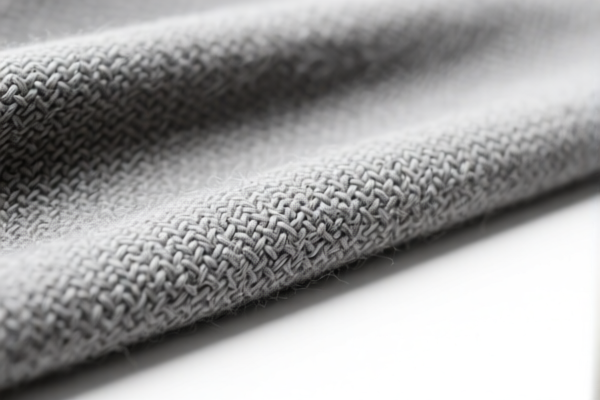
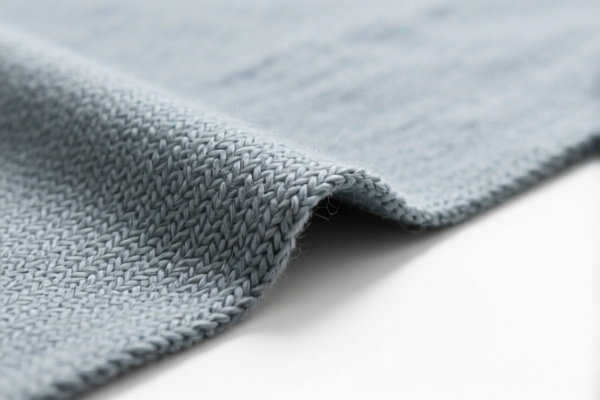
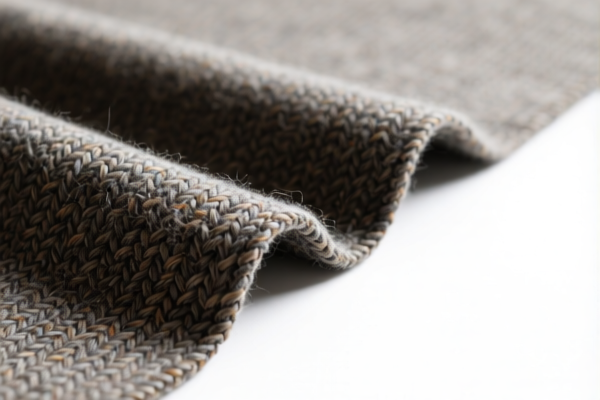
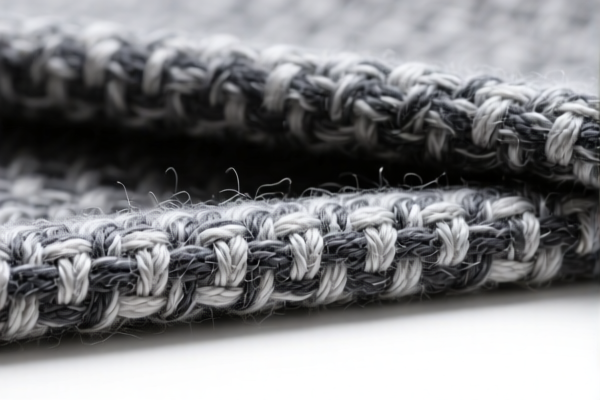
AI Analysis
🧵 Wool Blended Yarn for Textile Use (Industrial Grade)
🌐 HS Code Reference & Customs Clearance Guide | 2026 Latest Tariff Analysis | Professional Compliance Strategy
📌 I. Product Definition & Classification: Do You Really Understand "Wool Blended Yarn"?
Wool blended yarn, in the context of industrial textile manufacturing, refers to spun fibers primarily composed of wool mixed with other fibers (synthetic or natural), intended for non-retail industrial processing (weaving, knitting, felting).
In international trade, the classification depends strictly on: 1. Weight Composition: The percentage of wool vs. other fibers. 2. Processing Method: Combed vs. Carded (if applicable). 3. Animal Fiber Type: Regular wool vs. Fine animal hair (e.g., cashmere, mohair). 4. Packaging/Use: Industrial (not for retail sale).
⚠️ Key Classification Logic:
- If wool is the main component (>50% by weight) and processed via combing →5106.20.00.00
- If wool is the main component but other/industrial →5106.10.00.90
- If composed of fine animal hair (cashmere/mohair) →5108.10.80.00or5108.20.80.00
- If classified as fabric (woven) instead of yarn →5515.22.05.10
📦 II. HS Code Classification Details (2026 Latest Tariff Authority Reference)
| HS Code | Product Description | Applicable Scenario | Key Classification Logic |
|---|---|---|---|
5106.20.00.00 |
Combed Wool Yarn (Blended) | Industrial grade, wool-dominant blend, combed texture | Core logic: Fits "combed wool yarn" characteristics; wool is primary material. |
5106.10.00.90 |
Other Wool Yarn (Blended/Industrial) | Industrial grade, non-retail, falls under "other" category fallback | Fallback logic: Industrial grade, non-retail sale, fits "other" subheading. |
5108.10.80.00 |
Fine Animal Hair Yarn (Blended) | Blended wool/fine hair, non-retail packaging | Logic: Based on "fine animal hair" content + industrial non-retail attributes. |
5108.20.80.00 |
Other Fine Animal Hair Yarn | Fine hair dominant, industrial inference logic | Logic: Based on "industrial grade" attribute inferring "other" fine hair category. |
5515.22.05.10 |
Wool Blended Fabric (Woven) | Material: Wool blend, Form: Woven fabric | Core logic: If the product is fabric (not yarn), classification shifts to woven textiles. |
🔍 Critical Reminder:
- Yarn vs. Fabric: Ensure the product is indeed yarn (spun thread). If it is woven fabric, it belongs to Chapter 55 (5515.22.05.10), not Chapter 51. - Retail vs. Industrial: Retail-sized packages (e.g., skeins for hobbyists) have different HS codes. This analysis assumes industrial bulk packaging. - Fine Hair vs. Regular Wool: "Fine animal hair" (cashmere, alpaca, mohair) often carries different base tariffs than regular sheep’s wool.
💰 III. 2026 Latest Tariff Rate Breakdown (Including Surtaxes & Policy Surcharges)
✅ Applicable Country: United States (US)
✅ Country of Origin: China (CN)
✅ Effective Date: November 10, 2025 (and subsequent imports)
🎯 1. 5106.20.00.00 —— Combed Wool Blended Yarn
| Item | Content |
|---|---|
| Base Tariff | 6.0% (ad valorem) |
| Section 301 Surtax | +25.0% |
| Section 122 Tariff | +10.0% |
| Total Tax Rate | 41.0% |
| Tax Calculation | CIF Value × 41.0% |
| De Minimis Eligibility | ❌ Not Eligible (High duty threshold excludes $800 exemption) |
| Legal Basis Path | Section 301 → Section 122 → USITC:5106.20.00.00 |
📌 Explanation:
- "Base Tariff 6%": Standard Most Favored Nation (MFN) rate for combed wool yarn. - "Section 301 Surtax 25%": Trump-era tariffs retained under current policy for Chinese goods. - "Section 122 Tariff 10%": Specific additional duty on certain industrial materials. - Total 41%: A significant cost burden. Must be factored into FOB/CIF pricing strategies.
🎯 2. 5106.10.00.90 —— Other Wool Blended Yarn (Industrial/Non-Retail)
| Item | Content |
|---|---|
| Base Tariff | 6.0% |
| Section 301 Surtax | +25.0% |
| Section 122 Tariff | +10.0% |
| Total Tax Rate | 41.0% |
| Tax Calculation | CIF Value × 41.0% |
| De Minimis Eligibility | ❌ Not Eligible |
| Legal Basis Path | Section 301 → Section 122 → USITC:5106.10.00.90 |
📌 Note:
- Same tax burden as combed yarn. The "other" subheading does not offer tax relief. - Critical for industrial buyers sourcing bulk yarn for textile mills.
🎯 3. 5108.10.80.00 & 5108.20.80.00 —— Fine Animal Hair Yarn (Blended)
| Item | Content |
|---|---|
| Base Tariff | 4.0% |
| Section 301 Surtax | +25.0% |
| Section 122 Tariff | +10.0% |
| Total Tax Rate | 39.0% |
| Tax Calculation | CIF Value × 39.0% |
| De Minimis Eligibility | ❌ Not Eligible |
| Legal Basis Path | Section 301 → Section 122 → USITC:5108.xx.80.00 |
📌 Note:
- Slightly Lower Base Tariff (4%): Fine animal hair (cashmere, etc.) has a lower base rate than regular wool. - Total 39%: Still very high due to surtaxes. - Classification Risk: Misclassifying regular wool as fine hair to save 2% is a common audit risk. Ensure fiber content tests support this.
🎯 4. 5515.22.05.10 —— Wool Blended Fabric (Woven)
| Item | Content |
|---|---|
| Base Tariff | 20.1% |
| Section 301 Surtax | +25.0% |
| Section 122 Tariff | +10.0% |
| Total Tax Rate | 55.1% |
| Tax Calculation | CIF Value × 55.1% |
| De Minimis Eligibility | ❌ Not Eligible |
| Legal Basis Path | Section 301 → Section 122 → USITC:5515.22.05.10 |
📌 Critical Warning:
- Highest Tax Rate (55.1%): If your product is misidentified as fabric instead of yarn, costs jump significantly. - Base Tariff 20.1%: Much higher than yarn (6%/4%). - Action: Confirm product form. If it is yarn, do not use this code. If it is fabric, prepare for high costs.
🛠️ IV. Customs Clearance Practical Advice (Avoiding Pitfalls)
✅ 1. Required Documentation Checklist
| Document | Required? | Description |
|---|---|---|
| ✅ Commercial Invoice | ✔️ | Must clearly state: "Wool Blended Yarn," Fiber Composition %, Weight, and "Industrial/Non-Retail Use." |
| ✅ Packing List | ✔️ | Detail net/gross weight, number of bobbins/cones, and packaging type. |
| ✅ Certificate of Origin | ✔️ | Essential for proving China origin to apply (or avoid) surtaxes correctly. |
| ✅ Fiber Content Test Report | ✔️ | Crucial. Must be from an accredited lab (e.g., SGS, Intertek) confirming wool % and presence of fine hair. |
| ✅ Product Photos | ✔️ | Show spools, labels, and general appearance to prove it is yarn, not fabric. |
| ✅ Usage Declaration | ✔️ | State "For Industrial Textile Manufacturing" to support non-retail classification. |
✅ 2. Declaration Tips (Key Mantras)
🔥 "Yarn, Not Fabric; Industrial, Not Retail; Composition is King!"
| Scenario | Correct Declaration | Incorrect Practice |
|---|---|---|
| Product is Yarn | HS 5106 or 5108 |
Misdeclare as Fabric (5515) → 55.1% Tax |
| Product is Fabric | HS 5515.22.05.10 |
Misdeclare as Yarn → Seizure + Penalties |
| Contains Cashmere | Specify "Fine Animal Hair" | Vague "Wool Blend" → Risk of under-declaration |
| Retail Skeins | Different HS Code | Declare as Industrial → Misclassification |
| Mixed Bales | Split by Fiber Content | Single line for mixed wool/synthetic |
✅ 3. Special Cases Handling
| Case | Handling Advice |
|---|---|
| OEM Custom Yarn | Provide customer order + fiber spec sheet. Avoid "generic" descriptions. |
| Recycled Wool | If recycled, ensure it fits "Waste/Scraps" codes if applicable, but usually blends are 5106. |
| High-Value Fine Hair | If >50% cashmere, ensure 5108 is used accurately to avoid fines for misclassification. |
| Partially Finished Yarn | If not fully spun, may fall under different headings. Clarify processing stage. |
🌍 V. Global Market Customs Comparison (2026 Latest)
| Country/Region | Recommended HS Code | Base Tariff | Total (China Origin) | Certification Requirements |
|---|---|---|---|---|
| 🇺🇸 USA | 5106.20.00.00 (Yarn) |
6% + 35% Surcharges | 41% | None specific, but strict labeling |
| 🇨🇳 China | 5106.20.00.00 |
6% | 6% | No surtaxes |
| 🇪🇺 EU | 5106.20.00.00 |
~4.5% | 4.5% | CE not required for yarn |
| 🇦🇺 Australia | 5106.20.00.00 |
~5% | 5% | No surtaxes |
| 🇯🇵 Japan | 5106.20.00.00 |
~3.7% | 3.7% | JIS standards |
📌 Conclusion:
- USA is the most expensive market due to Section 301 and Section 122 tariffs. - China, EU, Australia, Japan have significantly lower total tariffs (~4-6%). - Supply Chain Strategy: Consider sourcing from non-Chinese origins (e.g., New Zealand, Italy, Japan) if exporting to the US to avoid the 35% surtax.
📌 VI. Common Errors & Pitfalls (Blood Lessons)
❌ Error 1: Declaring Fabric as Yarn
👉 Consequence: Tax drops from 55.1% to 41%, but if caught, seizure + penalty + back taxes.
❌ Error 2: Vague Description "Wool Blend"
👉 Consequence: Customs cannot determine if it’s fine hair (5108) or regular wool (5106). Delay in clearance.
❌ Error 3: Ignoring Section 122
👉 Consequence: Forgetting the 10% surtax leads to underpayment and audits.
❌ Error 4: Retail Packaging Misdeclaration
👉 Consequence: Industrial codes require "non-retail" proof. Retail items misdeclared → Rejection.
✅ Correct Practice:
"Wool Blended Combed Yarn, 60% Wool/40% Polyester, Industrial Grade, 1000m Cones, Made in China, HS 5106.20.00.00"
🎯 VII. Conclusion: Precision in Classification Saves Money!
🎯 Remember the Mantras:
🔹 "Yarn vs. Fabric: Check the Form!" (41% vs 55.1%)
🔹 "Wool vs. Fine Hair: Check the Content!" (41% vs 39%)
🔹 "Industrial vs. Retail: Check the Packaging!"
🔹 "China Origin: Pay 35% Surcharges!" (25% + 10%)
📌 Pro Tip:
If your yarn is originating from New Zealand, Australia, or Italy, you can avoid the US Surtaxes entirely (0% surtax).
Consider pre-ruling (Advance Ruling) from US Customs for complex blends to ensure compliance.
📣 Immediate Action:
📞 Contact a Customs Broker + Provide Fiber Test Report + Confirm Product Form (Yarn/Fabric)
🚀 Ensure your HS Code matches the physical product to avoid costly delays and duties!
✨ Professional Clearance Starts with Accurate Classification!
💼 Every percentage point matters in textile trade!
Customer Reviews
About HS Code Classification
The Harmonized System (HS) is an internationally standardized nomenclature developed by the World Customs Organization (WCO) to classify traded products. Over 200 countries use the HS system as the basis for customs tariffs, trade statistics, and import/export regulations.
Each HS code follows a hierarchical structure:
- Chapter (2 digits) — Broad category of goods (e.g., Chapter 84: Machinery and Mechanical Appliances)
- Heading (4 digits) — More specific grouping within the chapter
- Subheading (6 digits) — Internationally standardized breakdown, used by all WCO member countries
- National subdivisions (8-10 digits) — Country-specific extensions for further classification, such as US HTSUS 10-digit codes
Correct HS code classification is essential for smooth customs clearance, accurate duty payment, and compliance with trade regulations. Misclassification can lead to customs delays, overpayment of duties, or penalties.
When importing from CN to US, the applicable tariff rates may include:
- Most-Favored-Nation (MFN) rate — The standard duty rate applied to WTO members
- General rate — Applied to countries without trade agreements
- Trade remedy duties — Additional tariffs such as Section 301 (anti-dumping), Section 232 (national security), or countervailing duties
The information provided on this page is for reference purposes only. For official classification, please consult with your local customs authority or a licensed customs broker.