wool blended yarn handicraft grade
CN → US| HS Code | Tariff Rate | Origin | Destination | Doc |
|---|---|---|---|---|
| 5106200000 | 41.0% | CN | US | Official Doc |
| 5106100090 | 41.0% | CN | US | Official Doc |
| 5108108000 | 39.0% | CN | US | Official Doc |
| 5108208000 | 39.0% | CN | US | Official Doc |
| 5111309000 | 60.0% | CN | US | Official Doc |
Product Images
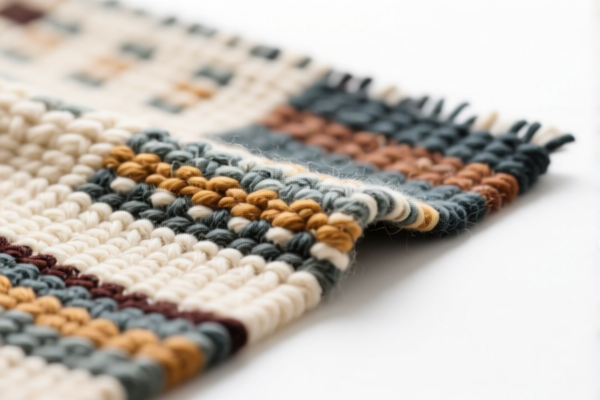
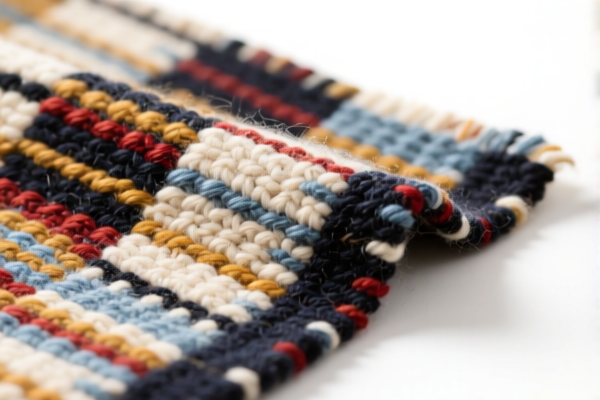
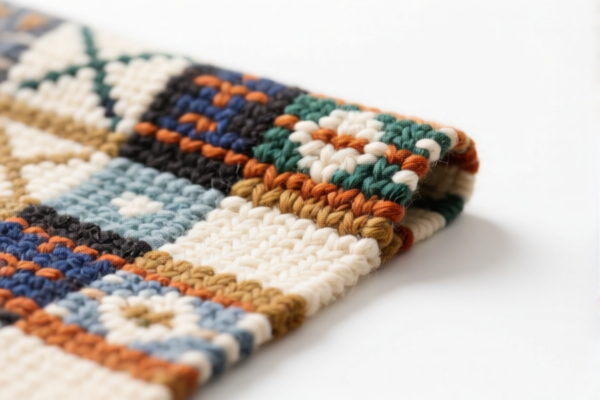
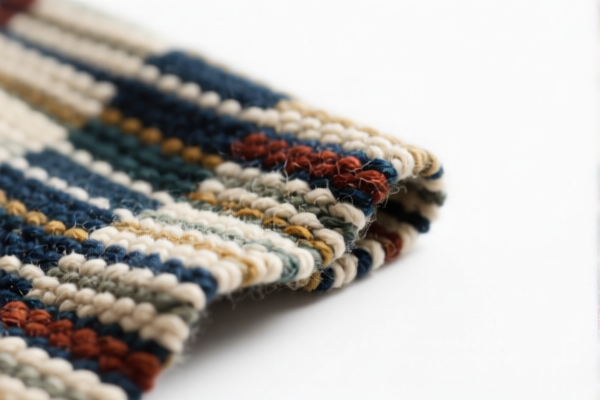
AI Analysis
🐑 Wool Blended Yarn – Handicraft Grade
🌐 HS Code Reference & Customs Clearance Guide | 2026 Latest Tariff Analysis | Professional Import Strategy
📌 One: Product Definition & Classification – What Exactly Is “Handicraft-Grade Wool Blended Yarn”?
Wool blended yarn, classified as handicraft grade, refers to industrial-level, non-retail, non-apparel-grade yarn primarily used in handicrafts, weaving, embroidery, art projects, and non-wearable textile applications. This includes yarns used in:
- Handmade rugs and tapestries
- Needlepoint and cross-stitch kits
- Artistic textile installations
- DIY craft kits (e.g., knitting, crochet)
- Non-fashion industrial weaving
⚠️ Critical Distinction:
- If the yarn is intended for clothing or apparel → classified under apparel-grade rules (higher tariff risk).
- If the yarn is packaged for craft use, sold in bulk, not labeled for garments → qualifies as handicraft-grade, triggering lower base tariffs but still subject to additional U.S. trade penalties.
📦 Two: HS Code Classification Details (2026 Latest Tariff Authority Match)
| HS Code | Product Description | Target Use Case | Tax Implications |
|---|---|---|---|
5106.20.00.00 |
Wool blended yarn, industrial grade, fits combed wool yarn characteristics | Craft weaving, art yarns, non-apparel textile use | 41.0% total tax |
5106.10.00.90 |
Wool blended yarn, industrial grade, non-retail, fits other categories | DIY kits, craft supplies, bulk packaging | 41.0% total tax |
5108.10.80.00 |
Wool blended yarn, industrial grade, non-retail packaging, fits fine animal hair yarn | Artistic weaving, specialty crafts, custom dyeing | 39.0% total tax |
5108.20.80.00 |
Wool blended yarn, industrial grade, fits other categories by inference | General craft use, non-apparel industrial yarn | 39.0% total tax |
5111.30.90.00 |
Wool blended fabric, fits combed wool or fine animal hair woven fabric | Craft fabric, art panels, non-clothing textile art | 60.0% total tax |
🔍 Key Insight:
- Yarns (5106, 5108) are taxed lower than fabric (5111) — but still face massive附加 taxes.
- "Industrial grade" is the key phrase — if your yarn is not sold in retail packaging, not labeled for clothing, and sold in bulk to crafters, it qualifies for these codes.
💰 Three: 2026 Latest Tariff Breakdown (With Full Clause Explanation)
✅ Applicable Country: United States (US)
✅ Origin: China (CN)
✅ Effective Date: November 10, 2025 (and ongoing)
🎯 1. 5106.20.00.00 — Combed Wool Yarn (Handicraft Grade)
| Item | Detail |
|---|---|
| Base Tariff | 6.0% (ad valorem) |
| USITC Section 301 Tariff | +25.0% (from U.S. Trade Act 301) |
| Section 122 (IEEPA) Tariff | +10.0% (International Emergency Economic Powers Act) |
| Total Effective Tariff | 41.0% |
| Tax Calculation | CIF Value × 41.0% |
| De Minimis Exemption? | ❌ No (denied under U.S. de minimis rules) |
| Legal Basis Path | IEEPA:9903.01.25 → IEEPA:9903.01.24 → USITC:5106.20.00.00 → FOOTNOTE:9903.88.01 |
📌 Explanation:
- USITC 301 Tariff (25%): Imposed under Section 301 of the Trade Act of 1974 due to China’s unfair trade practices (IP theft, forced tech transfer).
- IEEPA 10%: Enforced under International Emergency Economic Powers Act, targeting goods from China and Hong Kong for national security concerns.
- Combined = 41% — extremely high, even for non-apparel goods.
🎯 2. 5106.10.00.90 — Other Wool Blended Yarn (Industrial, Non-Retail)
| Item | Detail |
|---|---|
| Base Tariff | 6.0% |
| USITC Section 301 Tariff | +25.0% |
| IEEPA Section 122 Tariff | +10.0% |
| Total Effective Tariff | 41.0% |
| Tax Calculation | CIF × 41.0% |
| De Minimis Exemption? | ❌ No |
| Legal Basis Path | IEEPA:9903.01.25 → IEEPA:9903.01.24 → USITC:5106.10.00.90 → FOOTNOTE:9903.88.01 |
📌 Note:
- This code applies when the yarn does not fit “combed wool” but is still industrial-grade, non-retail, non-apparel.
- Common for mixed-fiber craft yarns (e.g., wool + acrylic, wool + viscose).
🎯 3. 5108.10.80.00 — Fine Animal Hair Yarn (Non-Retail Packaging)
| Item | Detail |
|---|---|
| Base Tariff | 4.0% |
| USITC Section 301 Tariff | +25.0% |
| IEEPA Section 122 Tariff | +10.0% |
| Total Effective Tariff | 39.0% |
| Tax Calculation | CIF × 39.0% |
| De Minimis Exemption? | ❌ No |
| Legal Basis Path | IEEPA:9903.01.25 → IEEPA:9903.01.24 → USITC:5108.10.80.00 → FOOTNOTE:9903.88.01 |
📌 Why Lower?
- Base tariff is only 4% due to fine animal hair classification (e.g., cashmere, mohair blends).
- Still subject to 35%附加 taxes → total 39%.
🎯 4. 5108.20.80.00 — Other Wool Blended Yarn (Inferred Category)
| Item | Detail |
|---|---|
| Base Tariff | 4.0% |
| USITC Section 301 Tariff | +25.0% |
| IEEPA Section 122 Tariff | +10.0% |
| Total Effective Tariff | 39.0% |
| Tax Calculation | CIF × 39.0% |
| De Minimis Exemption? | ❌ No |
| Legal Basis Path | IEEPA:9903.01.25 → IEEPA:9903.01.24 → USITC:5108.20.80.00 → FOOTNOTE:9903.88.01 |
📌 When Used:
- When the yarn does not clearly fit "fine animal hair" but is still industrial-grade, non-retail, non-apparel.
- Common for bulk craft yarns with non-standard fiber blends.
🎯 5. 5111.30.90.00 — Wool Blended Fabric (Combed Wool or Fine Animal Hair Woven)
| Item | Detail |
|---|---|
| Base Tariff | 25.0% |
| USITC Section 301 Tariff | +25.0% |
| IEEPA Section 122 Tariff | +10.0% |
| Total Effective Tariff | 60.0% |
| Tax Calculation | CIF × 60.0% |
| De Minimis Exemption? | ❌ No |
| Legal Basis Path | IEEPA:9903.01.25 → IEEPA:9903.01.24 → USITC:5111.30.90.00 → FOOTNOTE:9903.88.01 |
📌 Warning:
- This is the highest tariff of all — 60% — because fabric is treated as a finished product, even if used for crafts.
- Avoid this classification if you can申报 as yarn (5106/5108) instead.
🛠️ Four: Customs Clearance Best Practices (Pro Tips to Avoid Penalties)
✅ 1. Required Documentation (Must-Have Checklist)
| Document | Required? | Purpose |
|---|---|---|
| ✅ Product Specification Sheet | ✔️ | Fiber content, count, twist, use case |
| ✅ Packaging Photos (Bulk, Non-Retail) | ✔️ | Prove no retail labeling |
| ✅ Commercial Invoice | ✔️ | Must state “Industrial Grade – Handicraft Use Only” |
| ✅ Certificate of Origin (CO) | ✔️ | For tariff eligibility |
| ✅ Test Report (e.g., fiber analysis) | ✔️ | Confirm wool blend ratio |
| ✅ Export License (if applicable) | ✔️ | For sensitive materials |
| ✅ Sample Yarn (if requested) | ✔️ | For customs inspection |
✅ 2.申报 Strategy (Golden Rules)
🔥 “Label It Right, Pack It Bulk, Declare It Craft – Or Pay 60%!”
| Scenario | Correct HS Code | Wrong Code | Risk |
|---|---|---|---|
| Bulk yarn for crafters, no retail packaging | 5106.20.00.00 or 5108.10.80.00 |
5111.30.90.00 (fabric) |
60% tax |
| Mixed wool + acrylic, not combed | 5106.10.00.90 |
5106.20.00.00 |
Misclassification |
| Yarn used in art installations | 5108.20.80.00 |
5106.20.00.00 |
Higher risk |
| Yarn sold in retail kits (e.g., crochet kits) | ❌ Not eligible – may be subject to apparel rules | 5106.20.00.00 |
High risk of audit |
✅ 3. Special Handling Tips
| Situation | Recommended Action |
|---|---|
| Yarn sold with craft patterns | Label clearly: “For Handicraft Use Only – Not for Apparel” |
| Yarn dyed in bulk | Provide dye batch records to prove non-retail use |
| Yarn used in export kits | Use non-retail packaging and no brand labels |
| Custom blend yarns | Submit fiber analysis report to support classification |
| High-value shipments | Apply for Advance Ruling (Pre-Approval) to lock in HS Code |
🌍 Five: Global Market Comparison (2026 Update)
| Country | Recommended HS Code | Tariff | Certification | Notes |
|---|---|---|---|---|
| 🇺🇸 USA | 5106.20.00.00 |
41.0% | None (but verify) | Highest tax – avoid if possible |
| 🇨🇳 China | 5106.20.00.00 |
5% | CCC | No附加 taxes |
| 🇪🇺 EU | 5106.20.00.00 |
0% (if CE) | CE | No 301/IEEPA taxes |
| 🇦🇺 Australia | 5106.20.00.00 |
5% | RCM | No附加 taxes |
| 🇯🇵 Japan | 5106.20.00.00 |
0% | PSE | No附加 taxes |
📌 Takeaway:
- Only the U.S. applies 301 + IEEPA tariffs on Chinese-origin wool yarn.
- Consider shifting production to Vietnam, Mexico, or Thailand to qualify for IEEPA exemption (0–5% tariff).
📌 Six: Common Mistakes & How to Avoid Them (Real-World Lessons)
❌ Mistake 1: Selling craft yarn in retail packaging with brand labels
👉 Result: Customs may reclassify as apparel-grade → higher tariff or seizure
❌ Mistake 2: Declaring yarn as fabric (e.g., “woven craft material”)
👉 Result: Tax jumps from 39% to 60% — huge cost overrun
❌ Mistake 3: Not providing fiber analysis or packaging proof
👉 Result: Customs delays, audits, or forced reclassification
❌ Mistake 4: Using generic terms like “wool yarn” without context
👉 Result: Misclassified as apparel → 41% tax or higher
✅ Correct Declaration Example:
“Wool Blended Yarn, Industrial Grade, Non-Retail Packaging, For Handicraft & Art Use Only – 5106.20.00.00”
🎯 Seven: Final Verdict – Smart Strategy for Success
🎯 Key Takeaway:
🔹 Yarn is cheaper to tax than fabric — always try to申报 as yarn (5106/5108), not fabric (5111).
🔹 Label clearly: “Handicraft Use Only” — this is your defense against reclassification.
🔹 Avoid retail packaging, no brand labels, no apparel claims — or risk 60% tax.
🔹 Consider shifting production to non-China countries to avoid 301 + IEEPA tariffs.
📌 Pro Tip:
📞 Apply for an Advance Ruling (Pre-Approval) from U.S. Customs before shipment.
🚀 This locks in your HS Code and eliminates audit risk — worth every penny.
📣 Act Now:
📞 Contact a licensed customs broker + provide product photos + specs + packaging proof
🚀 Get your HS Code pre-approved and avoid 41–60% tax surprises!
✨ Professional Customs Starts with Precision Classification!
💼 Your cost control begins the moment you choose the right HS Code.
Customer Reviews
About HS Code Classification
The Harmonized System (HS) is an internationally standardized nomenclature developed by the World Customs Organization (WCO) to classify traded products. Over 200 countries use the HS system as the basis for customs tariffs, trade statistics, and import/export regulations.
Each HS code follows a hierarchical structure:
- Chapter (2 digits) — Broad category of goods (e.g., Chapter 84: Machinery and Mechanical Appliances)
- Heading (4 digits) — More specific grouping within the chapter
- Subheading (6 digits) — Internationally standardized breakdown, used by all WCO member countries
- National subdivisions (8-10 digits) — Country-specific extensions for further classification, such as US HTSUS 10-digit codes
Correct HS code classification is essential for smooth customs clearance, accurate duty payment, and compliance with trade regulations. Misclassification can lead to customs delays, overpayment of duties, or penalties.
When importing from CN to US, the applicable tariff rates may include:
- Most-Favored-Nation (MFN) rate — The standard duty rate applied to WTO members
- General rate — Applied to countries without trade agreements
- Trade remedy duties — Additional tariffs such as Section 301 (anti-dumping), Section 232 (national security), or countervailing duties
The information provided on this page is for reference purposes only. For official classification, please consult with your local customs authority or a licensed customs broker.