woolen fabric per square meter
CN → US| HS Code | Tariff Rate | Origin | Destination | Doc |
|---|---|---|---|---|
| 5111113000 | 45.0% | CN | US | Official Doc |
| 5111196060 | 60.0% | CN | US | Official Doc |
Product Images
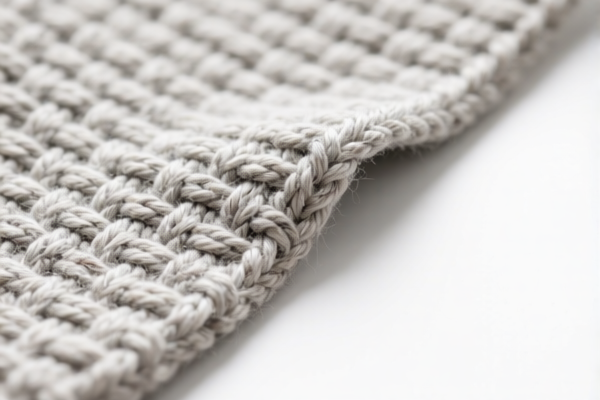
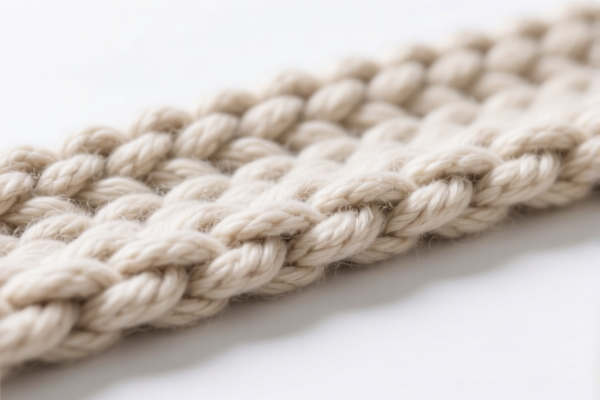
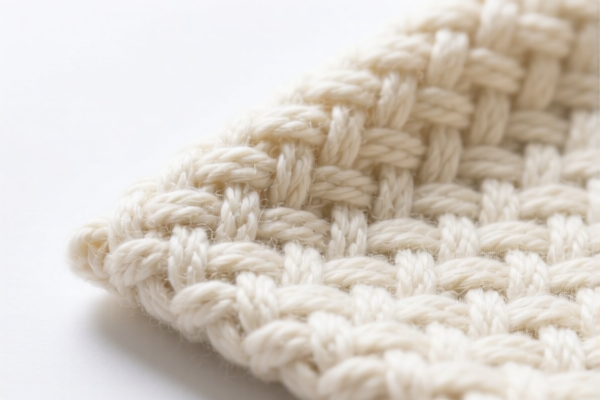
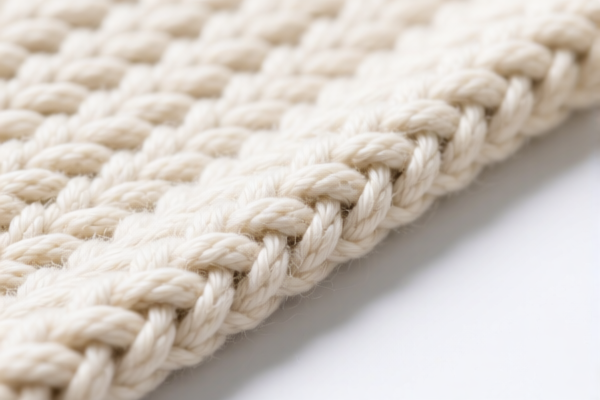
AI Analysis
🧶 Woolen Fabric (Carded Wool/Fine Animal Hair)
🌐 HS Code Reference & Customs Clearance Guide | 2026 Latest Tariff Analysis | Professional-Level Compliance Strategy
📌 I. Product Definition & Classification: Do You Really Understand "Woolen Fabric"?
Woven fabrics of carded wool or fine animal hair are premium textiles used in high-end apparel, suits, coats, and upholstery. In international trade, they are strictly categorized by fiber content, weight (g/m²), and manufacturing process.
Key Distinction Points: - Weight Threshold: The most critical factor is whether the fabric weighs ≤ 300 g/m² or > 300 g/m². - Composition: Must contain ≥ 85% wool/fine animal hair by weight. - Weaving Type: Hand-woven with loom width < 76 cm qualifies for a specific sub-heading; otherwise, it falls under "Other."
⚠️ Critical Compliance Note:
- If the fabric is hand-woven and loom width < 76 cm, it may qualify for5111.11.30.00.
- If the fabric is machine-woven or loom width ≥ 76 cm, it falls under5111.19.60.60(if ≤ 400 g/m²) or other sub-headings.
- Misclassification Risk: Declaring a machine-woven fabric as "hand-woven" can lead to severe penalties.
📦 II. HS Code Classification Details (2026 Latest Tariff Authority对照)
| HS Code | Product Description | Weight Limit | Weaving Type | Loom Width |
|---|---|---|---|---|
5111.11.30.00 |
Woven fabrics of carded wool/fine animal hair (≥85%): Hand-woven | ≤ 300 g/m² | Hand-woven | < 76 cm |
5111.19.60.60 |
Woven fabrics of carded wool/fine animal hair (≥85%): Other, Weighing ≤ 400 g/m² | ≤ 400 g/m² | Machine-woven (or hand-woven ≥76cm) | Any |
🔍 Key Reminders:
-5111.11.30.00is a specialty niche for traditional, small-loom, hand-woven fabrics.
-5111.19.60.60is the standard classification for most commercial wool fabrics under 400 g/m².
- Both codes are for carded wool (not combed), containing ≥85% wool/fine animal hair.
💰 III. 2026 Latest Tariff Rate Details (Including Surtaxes)
✅ Applicable Country: United States (US)
✅ Origin: China (CN)
✅ Effective Date: Current rates apply as per 2026 tariff schedule
🎯 1. 5111.11.30.00 —— Hand-Woven Woolen Fabric (≤300 g/m², Loom <76cm)
| Item | Content |
|---|---|
| Base Tariff | 0.0% |
| Surtax (Section 301) | 0.0% |
| IEEPA Surtax | 0.0% |
| Total Tariff | 0.0% |
| Tax Calculation | CIF Value × 0.0% = $0 |
| De Minimis Eligible? | ❌ No (Textiles generally excluded) |
| Legal Basis | HTSUS 5111.11.30.00 → No additional Section 301 or IEEPA footnotes apply to this specific sub-heading |
📌 Explanation:
- This specific hand-woven, narrow-loom category enjoys zero tariff under current US trade policy.
- No additional surtaxes (Section 301 or IEEPA) are applied to this code.
- This makes it a highly competitive code for exporters if the product meets strict physical criteria.
🎯 2. 5111.19.60.60 —— Other Woolen Fabric (≤400 g/m²)
| Item | Content |
|---|---|
| Base Tariff | 0.0% |
| Surtax (Section 301) | 0.0% |
| IEEPA Surtax | 0.0% |
| Total Tariff | 0.0% |
| Tax Calculation | CIF Value × 0.0% = $0 |
| De Minimis Eligible? | ❌ No |
| Legal Basis | HTSUS 5111.19.60.60 → No additional Section 301 or IEEPA footnotes apply |
📌 Note:
- Like the hand-woven category, this standard commercial wool fabric also enjoys zero total tariff.
- This applies to carded wool fabrics containing ≥85% wool/fine animal hair, weighing ≤400 g/m².
- Important: This rate is not guaranteed for all wool fabrics. Fabrics >400 g/m² or with different compositions may have different rates.
🛠️ IV. Customs Clearance Practical Advice (Real-World Pitfall Guide)
✅ 1. Documentation Checklist (All Required)
| Document | Required | Notes |
|---|---|---|
| ✅ Product Specification Sheet | ✔️ | Must specify: Weight (g/m²), Fiber Content (%), Weaving Type (Hand/Machine), Loom Width (if hand-woven) |
| ✅ Fiber Composition Report | ✔️ | Third-party lab test confirming ≥85% wool/fine animal hair |
| ✅ Commercial Invoice | ✔️ | Must clearly describe: "Woven fabric, carded wool, ≥85% wool, [weight] g/m²" |
| ✅ Packing List | ✔️ | Standard export packing list |
| ✅ Certificate of Origin (CO) | ✔️ | Required for origin verification |
| ✅ Photos of Fabric | ✔️ | Show texture, label, and any markings indicating weave type |
✅ 2. Declaration Tips (Key Mantra)
🔥 "Weight is King, Fiber is Queen, Weave Type Defines the Code!"
| Scenario | Correct Declaration | Wrong Practice |
|---|---|---|
| Hand-woven, <76cm, ≤300g/m² | 5111.11.30.00 |
Misclassify as 5111.19.60.60 → Risk of audit |
| Machine-woven, ≤400g/m² | 5111.19.60.60 |
Claim "hand-woven" → Fraud penalty |
| Fabric >400g/m² | Different HS Code (e.g., 5111.19.90) | Force into ≤400g/m² code → Misdeclaration |
| Fiber content <85% | Different HS Code (e.g., 5112) | Claim ≥85% → Misdeclaration |
✅ 3. Special Handling
| Situation | Recommendation |
|---|---|
| Hybrid Fibers | If fabric is 85% wool + 15% synthetic, it still qualifies under 5111 if wool is dominant. |
| Sample vs. Bulk | Samples must still be declared with accurate HS code and weight. |
| Roll vs. Cut Lengths | Declaration must specify total weight in g/m² and total quantity. |
| Origin Verification | Customs may request mill certificates to verify fiber origin and processing. |
🌍 V. Global Market Comparison (2026 Latest)
| Country/Region | Recommended HS Code | Tariff | Certification | Notes |
|---|---|---|---|---|
| 🇺🇸 USA | 5111.11.30.00 / 5111.19.60.60 |
0% | None | Zero tariff advantage |
| 🇨🇳 China | 5111.11.30.00 / 5111.19.60.60 |
0% | None | Import tariff may vary |
| 🇪🇺 EU | 5111.11.30.00 / 5111.19.60.60 |
0-6.5% | REACH | Depends on origin |
| 🇬🇧 UK | 5111.11.30.00 / 5111.19.60.60 |
0-6.5% | UKCA | Post-Brexit rules apply |
| 🇯🇵 Japan | 5111.11.30.00 / 5111.19.60.60 |
0-7% | JIS | Varies by trade agreement |
📌 Conclusion:
- USA offers zero tariff for these specific wool fabric codes under current policy.
- EU and Japan may apply small tariffs (0-7%), but no surtaxes like the US Section 301.
- China is both a major producer and importer; export tariffs are generally low or zero for value-added textiles.
📌 VI. Common Errors & Pitfall Guide (Lessons Learned)
❌ Error 1: Misdeclaring machine-woven fabric as "hand-woven"
👉 Consequence: Severe penalty, potential seizure, blacklisting
👉 Fix: Provide proof of weaving process (photos, mill certificates)
❌ Error 2: Ignoring weight specification (g/m²)
👉 Consequence: Wrong HS code → Incorrect tariff → Underpayment/Overpayment
👉 Fix: Always include weight in g/m² on commercial invoice
❌ Error 3: Claiming ≥85% wool without lab test
👉 Consequence: Customs rejection, return of goods
👉 Fix: Attach third-party fiber analysis report
❌ Error 4: Not specifying loom width for hand-woven fabric
👉 Consequence: Misclassification into 5111.19.60.60 (even if tariff is same, audit risk exists)
👉 Fix: Explicitly state "Loom width: XX cm (<76 cm)" if applicable
✅ Correct Declaration Example:
"Woven Fabric, Carded Wool, 85% Wool/15% Polyester, 280 g/m², Machine-Woven, Roll Form, 100 Meters"
🎯 VII. Conclusion: Professional Declaration, Cost Savings, Efficiency!
🎯 Remember the Mantra:
🔹 "Weight defines the bracket, Fiber defines the category, Weave defines the sub-code!"
🔹 "0% Tariff is possible, but accuracy is mandatory!"
📌 Pro Tip:
- If your wool fabric is not from China (e.g., Australia, New Zealand, UK), it may still enjoy 0% tariff under GSP or FTA agreements.
- Always verify the latest HTSUS footnotes for any changes in textile surtaxes.
- Pre-classify with a licensed customs broker if uncertain about weaving type or fiber content.
📣 Immediate Action:
📞 Contact a licensed customs broker + Provide lab test report + Confirm weaving method
🚀 Ensure smooth clearance, zero tariff compliance, and profit maximization!
✨ Professional clearance starts with precise classification!
💼 Every gram of wool deserves accurate documentation!
Customer Reviews
About HS Code Classification
The Harmonized System (HS) is an internationally standardized nomenclature developed by the World Customs Organization (WCO) to classify traded products. Over 200 countries use the HS system as the basis for customs tariffs, trade statistics, and import/export regulations.
Each HS code follows a hierarchical structure:
- Chapter (2 digits) — Broad category of goods (e.g., Chapter 84: Machinery and Mechanical Appliances)
- Heading (4 digits) — More specific grouping within the chapter
- Subheading (6 digits) — Internationally standardized breakdown, used by all WCO member countries
- National subdivisions (8-10 digits) — Country-specific extensions for further classification, such as US HTSUS 10-digit codes
Correct HS code classification is essential for smooth customs clearance, accurate duty payment, and compliance with trade regulations. Misclassification can lead to customs delays, overpayment of duties, or penalties.
When importing from CN to US, the applicable tariff rates may include:
- Most-Favored-Nation (MFN) rate — The standard duty rate applied to WTO members
- General rate — Applied to countries without trade agreements
- Trade remedy duties — Additional tariffs such as Section 301 (anti-dumping), Section 232 (national security), or countervailing duties
The information provided on this page is for reference purposes only. For official classification, please consult with your local customs authority or a licensed customs broker.