woven bags with plastic or textile surface
CN → US| HS Code | Tariff Rate | Origin | Destination | Doc |
|---|---|---|---|---|
| 6305330080 | 25.9% | CN | US | Official Doc |
| 3923210095 | 38.0% | CN | US | Official Doc |
| 6305900000 | 23.7% | CN | US | Official Doc |
| 3923290000 | 38.0% | CN | US | Official Doc |
| 3923290000 | 38.0% | CN | US | Official Doc |
Product Images
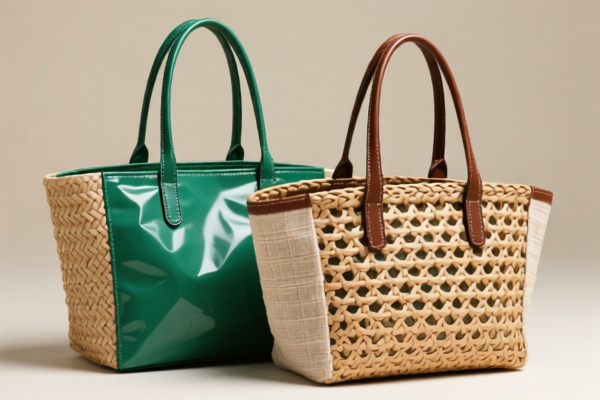
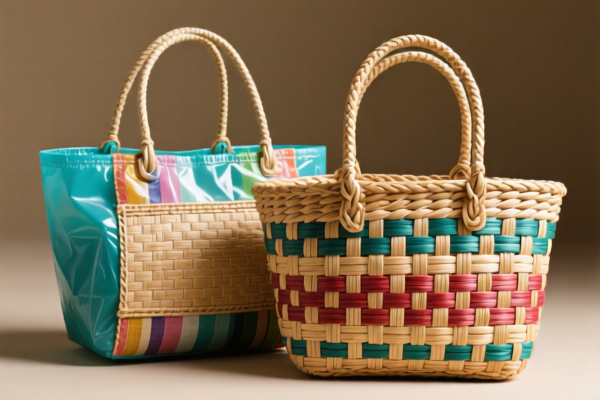
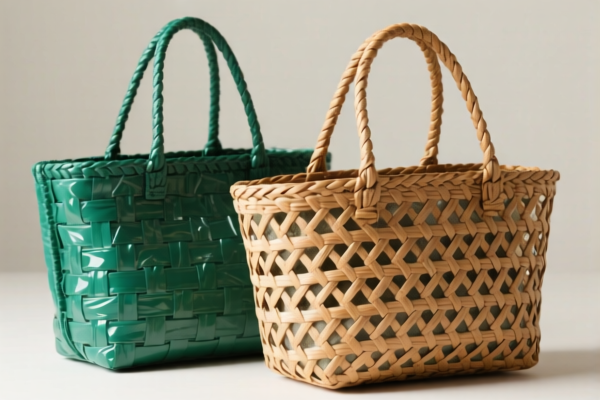
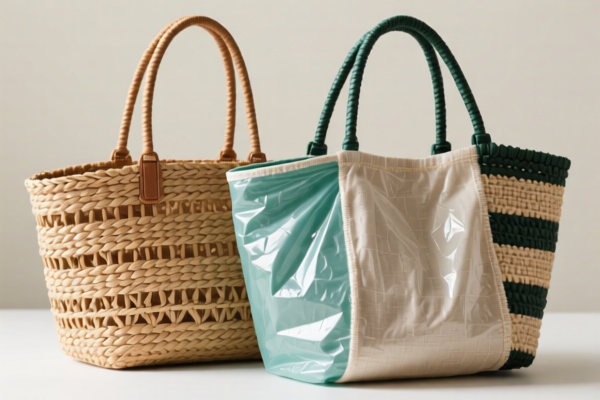
AI Analysis
🛍️ Woven Bags with Plastic or Textile Surface
🌐 HS Code Reference & Customs Clearance Guide | 2026 Latest Tariff Analysis | Professional Import Strategy for Sacks & Bags
📌 I. Product Definition & Classification: Do You Understand "Woven Bags"?
Woven bags are critical logistics packaging materials used globally for bulk goods, agricultural products, and industrial chemicals. In international trade, they are classified based on their primary material and structural composition. The key distinction lies in whether the bag is primarily defined as a textile product (Chapter 63) or a plastic packaging product (Chapter 39).
Textile-Based Bags (Sacks & Bags):
- Made primarily of textile materials, often reinforced or coated with plastic.
- Classified under Chapter 63 (Other made-up textile articles).
- Typically subject to lower base tariffs but still subject to Section 301 and IEEPA duties if from China.
Plastic-Based Bags (Packaging of Plastics):
- Made primarily of plastics (polyethylene, polypropylene, PVC, etc.), including woven plastic strips.
- Classified under Chapter 39 (Articles of plastics).
- Often subject to higher base tariffs due to the nature of plastic packaging goods.
⚠️ Key Distinction Point:
- If the textile component is dominant (e.g., cotton/nylon weave with plastic coating) → Chapter 63.
- If the plastic component is dominant (e.g., PP/PE woven strips) → Chapter 39.
- PVC bags are strictly treated as plastic articles → Chapter 39.
📦 II. HS Code Classification Details (2026 Latest Tariff Authority Comparison)
| HS Code | Product Description | Application Scenario | Primary Material | Tax Rate Summary |
|---|---|---|---|---|
6305.33.00.80 |
Other sacks and bags, made of textile materials, matching artificial textile materials and PE/PP materials, matching the form of bags used for packaging goods. | Woven polypropylene bags with textile surface, grain bags, fertilizer bags. | Textile + PE/PP | 25.9% Total |
3923.21.00.95 |
Other sacks and bags, made of plastics, falling within heading No. 39.23. Other bags, for packaging. | Plastic woven bags, bulk plastic sacks, general plastic packaging. | Polyethylene/Plastic | 38.0% Total |
6305.90.00.00 |
Other sacks and bags, textile materials consistent, form and use conform to Sacks and bags, falling within the "other" category. | Miscellaneous textile-based sacks not specified elsewhere. | Textile | 23.7% Total |
3923.29.00.00 |
Other sacks and bags, made of plastics, conforming to the description of bags for transportation or packaging of goods. | Plastic transport bags, industrial plastic sacks, woven plastic bags. | Plastic | 38.0% Total |
3923.29.00.00 |
PVC bags with plastic or textile outer layer. Material is PVC plastic. Form is a bag. Outer material does not affect classification. | PVC pouches, heavy-duty PVC packaging bags. | PVC Plastic | 38.0% Total |
🔍 Important Reminder:
- Textile-based bags (6305.xx) generally have lower base tariffs (6.2%-8.4%) but are still subject to additional duties.
- Plastic-based bags (3923.xx) have higher base tariffs (3.0%) but incur heavy Section 301 additional duties (25%), leading to a high total rate.
- PVC bags are always classified under plastic articles (3923.29.00.00), regardless of any textile backing.
💰 III. 2026 Latest Tariff Rate Details (Including Additional Taxes & Policy Surcharges)
✅ Applicable Country: United States (US)
✅ Origin: China (CN)
✅ Effective Time: November 10, 2025 onwards (including subsequent imports)
🎯 1. 6305.33.00.80 —— Sacks & Bags, Textile-Based with PE/PP Matching
| Item | Detail |
|---|---|
| Base Tariff | 8.4% (ad valorem) |
| Section 301 Additional Duty | +7.5% (From USITC Footnote regarding textile-related plastic composites) |
| Section 122 Duty | +10% (Specific tariff on certain packaging materials) |
| Total Tariff | 25.9% |
| Tax Calculation | CIF Value × 25.9% |
| De Minimis Eligibility | ❌ Not Eligible (deny_de_minimis applies to these categories) |
| Legal Basis Path | USITC:6305.33.00.80 → Section 122: 10% → Section 301: 7.5% |
📌 Explanation:
- This is one of the more favorable classifications for woven bags.
- The base tariff is moderate (8.4%), and the Section 301 additional duty is only 7.5%, not the standard 25%.
- Section 122 adds a flat 10% for specific packaging forms.
- Total effective rate: 25.9%.
🎯 2. 3923.21.00.95 —— Sacks & Bags, Plastic-Based, Other
| Item | Detail |
|---|---|
| Base Tariff | 3.0% (ad valorem) |
| Section 301 Additional Duty | +25% (Standard for most plastic articles from China) |
| Section 122 Duty | +10% (Specific tariff on packaging bags) |
| Total Tariff | 38.0% |
| Tax Calculation | CIF Value × 38.0% |
| De Minimis Eligibility | ❌ Not Eligible |
| Legal Basis Path | IEEPA:9903.01.25 → USITC:3923.21.00.95 → FOOTNOTE:9903.88.01 |
📌 Note:
- Despite a low base rate (3.0%), the 25% Section 301 duty makes this significantly more expensive.
- Applies to polyethylene (PE), polypropylene (PP), and other polymer-based woven bags.
🎯 3. 6305.90.00.00 —— Other Sacks & Bags, Textile-Based
| Item | Detail |
|---|---|
| Base Tariff | 6.2% (ad valorem) |
| Section 301 Additional Duty | +7.5% |
| Section 122 Duty | +10% |
| Total Tariff | 23.7% |
| Tax Calculation | CIF Value × 23.7% |
| De Minimis Eligibility | ❌ Not Eligible |
| Legal Basis Path | USITC:6305.90.00.00 → Section 122: 10% → Section 301: 7.5% |
📌 Note:
- This is the lowest tariff option among all listed HS codes.
- Applies to other textile-based sacks not specifically listed under 6305.33.
- Ideal for cotton, jute, or mixed-textile woven bags with minimal plastic content.
🎯 4. 3923.29.00.00 —— Other Plastic Sacks & Bags / PVC Bags
| Item | Detail |
|---|---|
| Base Tariff | 3.0% (ad valorem) |
| Section 301 Additional Duty | +25% |
| Section 122 Duty | +10% |
| Total Tariff | 38.0% |
| Tax Calculation | CIF Value × 38.0% |
| De Minimis Eligibility | ❌ Not Eligible |
| Legal Basis Path | IEEPA:9903.01.25 → USITC:3923.29.00.00 → FOOTNOTE:9903.88.01 |
📌 Critical Warning:
- PVC Bags are strictly classified under this code, regardless of any textile backing.
- Standard plastic woven bags also fall here.
- Total effective rate: 38.0%.
- This is the most expensive category due to the full 25% Section 301 surcharge.
🛠️ IV. Customs Clearance Practical Advice (Real-World Pitfall Avoidance Guide)
✅ 1. Required Documentation Checklist (Non-Negotiable)
| Document | Mandatory | Description |
|---|---|---|
| ✅ Product Specification Sheet | ✔️ | Must detail material composition (e.g., "60% PP, 40% PE"), weave density, dimensions. |
| ✅ Material Breakdown | ✔️ | Crucial for distinguishing between Chapter 63 (Textile) and Chapter 39 (Plastic). |
| ✅ Product Photos | ✔️ | Clear images of the bag, labels, and any coatings/laminations. |
| ✅ Commercial Invoice | ✔️ | Must explicitly state: "Woven Polypropylene Bag" or "PVC Storage Bag". |
| ✅ Packing List | ✔️ | Include net/gross weight, quantity, and packaging type. |
| ✅ Certificate of Origin | ✔️ | If applicable, to verify Chinese origin for tariff calculation. |
| ✅ Third-Party Test Report | ✔️ | Optional but recommended: Material safety, weight capacity, tear resistance. |
✅ 2. Declaration Tips (Key Mnemonic)
🔥 “Material Defines HS, Plastic is Expensive, Textile is Cheaper, PVC is Never Cheap!”
| Scenario | Correct Declaration | Incorrect Practice |
|---|---|---|
| PP/PE Woven Bags (Standard) | 6305.33.00.80 |
Misdeclare as 3923.29.00.00 → Pay 38% instead of 25.9% |
| Cotton/Jute Woven Bags | 6305.90.00.00 |
Misdeclare as plastic → Overpay |
| PVC Pouches/Bags | 3923.29.00.00 |
Claim textile backing to avoid plastic tariff → Customs will reject |
| Mixed Textile/Plastic Bags | 6305.33.00.80 |
If textile is dominant → Save 12.1% in duties |
✅ 3. Special Case Handling
| Scenario | Recommendation |
|---|---|
| OEM Custom Bags | Provide design specs + material bill of materials (BOM). Avoid vague terms like "packaging bag". |
| Bags with Laminations | If inner layer is plastic but outer is textile, still likely 6305.33.00.80 if textile dominates. |
| PVC Bags with Textile Backing | Always 3923.29.00.00. Do not attempt to classify as textile. |
| Bulk vs. Retail Packaging | Same HS code, but ensure description matches end-use (e.g., "for grain transport" vs. "for consumer retail"). |
🌍 V. Global Market Customs Comparison (2026 Latest)
| Country/Region | Recommended HS Code | Tariff Rate | Certification Requirements | Notes |
|---|---|---|---|---|
| 🇺🇸 USA | 6305.33.00.80 |
25.9% (China) | None specific | High total tariff due to Sec 122 + 301 |
| 🇺🇸 USA | 3923.29.00.00 |
38.0% (China) | None specific | Highest rate for plastic/PVC bags |
| 🇨🇳 China | 6305.33.00.80 |
5% (Import) | GB Standards | Low import duty for domestic use |
| 🇪🇺 EU | 6305.33.00.00 |
0% (Most) | CE (if applicable) | No Section 301 equivalent |
| 🇦🇺 Australia | 6305.33.00.00 |
5% | None | Moderate tariff |
| 🇯🇵 Japan | 6305.33.00.00 |
0% | None | Zero tariff for many woven bags |
📌 Conclusion:
- USA is the most expensive market due to additional duties (Section 301 + 122).
- EU, Japan, and Australia have significantly lower or zero tariffs.
- Material classification is critical: Textile (6305) saves ~12-14% vs. Plastic (3923) in the US.
📌 VI. Common Errors & Pitfall Guide (Lessons Learned)
❌ Error 1: Declaring PVC bags as "Textile Bags" to avoid plastic tariffs
👉 Consequence: Customs reclassifies to 3923.29.00.00 → Pay 38% + penalties.
❌ Error 2: Misclassifying PP/PE woven bags as Plastic (3923.xx) when they qualify as Textile (6305.33.00.80)
👉 Consequence: Pay 38% instead of 25.9% → Overpay by 12.1% on every shipment.
❌ Error 3: Using generic terms like "Packaging Bag" without material detail
👉 Consequence: Customs delays, potential reclassification, and audit risks.
❌ Error 4: Ignoring Section 122 duties for packaging forms
👉 Consequence: Underestimating total tax burden by 10%.
✅ Correct Approach:
"Woven Polypropylene Bag, 50x70cm, 100gsm, for agricultural use, 60% PP, 40% PE, Manufactured in China"
🎯 VII. Conclusion: Precision Classification, Cost Optimization
🎯 Remember the Key Rules:
🔹 "Textile Dominant = 6305 (Cheaper)"
🔹 "Plastic Dominant = 3923 (Expensive)"
🔹 "PVC = Always 3923 (Most Expensive)"
🔹 "Section 122 = +10% for All Bags"
📌 Pro Tip:
If your business ships large volumes to the USA, consider:
1. Material Optimization: Use more textile content to qualify for 6305.33.00.80 or 6305.90.00.00.
2. Pre-Ruling: Apply for an Advance Ruling from US Customs to confirm HS code classification.
3. Supply Chain Diversification: Consider sourcing from countries not subject to Section 301 (e.g., Vietnam, Thailand) if tariffs are prohibitive.
📣 Take Action Now:
📞 Engage a licensed customs broker + Provide material specs + Apply for HS Code Advance Ruling
🚀 Ensure your woven bags clear customs smoothly, minimize duties, and maximize profit!
✨ Professional Clearance Starts with Accurate Classification!
💼 Every percentage point of duty matters—optimize it!
Customer Reviews
About HS Code Classification
The Harmonized System (HS) is an internationally standardized nomenclature developed by the World Customs Organization (WCO) to classify traded products. Over 200 countries use the HS system as the basis for customs tariffs, trade statistics, and import/export regulations.
Each HS code follows a hierarchical structure:
- Chapter (2 digits) — Broad category of goods (e.g., Chapter 84: Machinery and Mechanical Appliances)
- Heading (4 digits) — More specific grouping within the chapter
- Subheading (6 digits) — Internationally standardized breakdown, used by all WCO member countries
- National subdivisions (8-10 digits) — Country-specific extensions for further classification, such as US HTSUS 10-digit codes
Correct HS code classification is essential for smooth customs clearance, accurate duty payment, and compliance with trade regulations. Misclassification can lead to customs delays, overpayment of duties, or penalties.
When importing from CN to US, the applicable tariff rates may include:
- Most-Favored-Nation (MFN) rate — The standard duty rate applied to WTO members
- General rate — Applied to countries without trade agreements
- Trade remedy duties — Additional tariffs such as Section 301 (anti-dumping), Section 232 (national security), or countervailing duties
The information provided on this page is for reference purposes only. For official classification, please consult with your local customs authority or a licensed customs broker.