woven handbag minimalist style
CN → US| HS Code | Tariff Rate | Origin | Destination | Doc |
|---|---|---|---|---|
| 4602112100 | 41.2% | CN | US | Official Doc |
| 4202224020 | 42.4% | CN | US | Official Doc |
| 4202228980 | 52.6% | CN | US | Official Doc |
| 4602192920 | 40.3% | CN | US | Official Doc |
| 6307909891 | 24.5% | CN | US | Official Doc |
Product Images
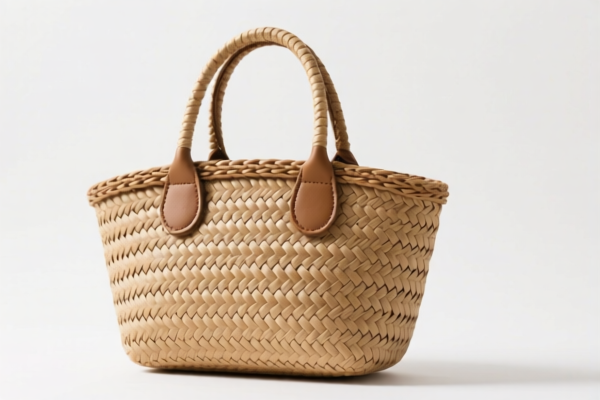
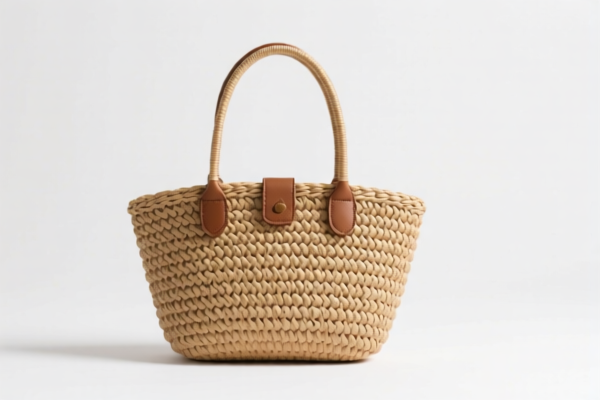
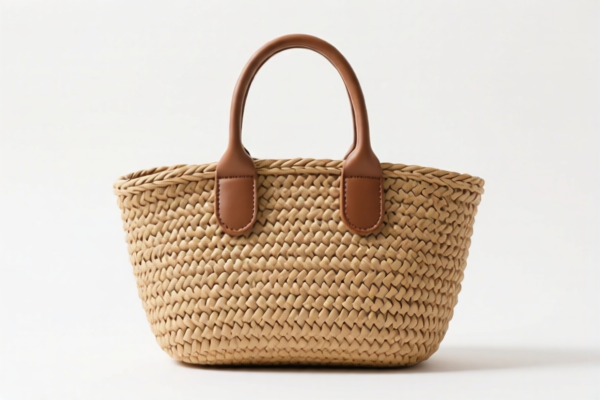
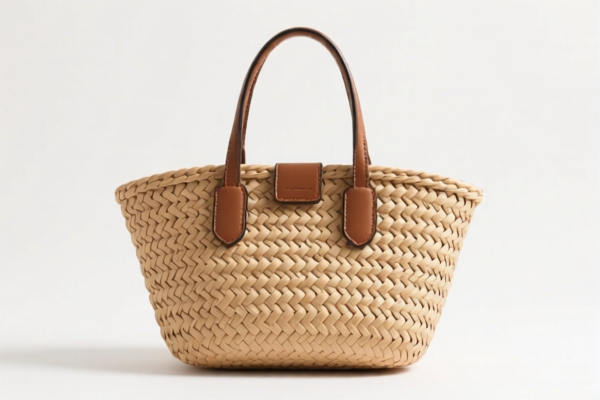
AI Analysis
🧺 Woven Handbags (Minimalist Style)
🌐 HS Code Reference & Customs Clearance Guide | 2026 Latest Tariff Analysis | Professional Entry Strategy
📌 I. Product Definition: What Defines a "Minimalist Woven Handbag"?
In international trade, "woven handbags" are not a single unified category. They are split based on material composition and structural complexity. A "minimalist style" often influences the classification by suggesting simpler construction (less lining/complex hardware), but the primary driver for HS Code determination is the raw material:
- Plant-Based Materials (Natural): Bamboo, rattan, reed, straw, palm leaf, etc. → Generally falls under Chapter 46 (Woven goods of vegetable materials).
- Textile/Fabric Materials: Woven fabric strips, synthetic rattan, cotton/linen blends, polyester weaves → Generally falls under Chapter 42 (Articles of leather; similar materials) or Chapter 63 (Other made-up textile articles).
⚠️ Key Distinction Point:
- If the bag is made of natural vegetable fibers (bamboo, rattan, reed) and woven → Chapter 46.
- If the bag is made of textile materials (even if woven like fabric) → Chapter 42 (if lined/hardened) or Chapter 63 (if simple textile).
- Minimalist Design Impact: A bag with no interior lining, no zippers, or simple open weave may qualify for a different (often lower tax) code in Chapter 63 compared to a fully lined, structured bag in Chapter 42.
📦 II. HS Code Classification Matrix (2026 Latest Tariff对照)
Based on the provided data, here are the four specific classifications for minimalist woven handbags:
| HS Code | Product Description | Material Basis | Tax Rate (Total) | Key Classification Logic |
|---|---|---|---|---|
| 4602.11.21.00 | Woven handbag, plant-based | Bamboo, Rattan, Reeds, etc. | 41.2% | Natural vegetable fiber woven into handbag shape. |
| 4602.19.29.20 | Woven handbag, plant-based | Other plant materials | 40.3% | Similar to above but under "Other" plant materials. Slightly lower base tariff. |
| 4202.22.40.20 | Woven handbag, woven material | Textile/Woven strips | 42.4% | Made of textile materials, structured as a handbag (Chapter 42). |
| 4202.22.89.80 | Woven handbag, textile material | Fabric/Textile | 52.6% | Other textile handbags (often implies lining/complex structure). Highest Tax. |
| 6307.90.98.91 | Woven handbag, textile/fiber | Textile/Fiber, with compartments | 24.5% | Simple textile article. Lowest Tax due to "minimalist" (unlined/simple) nature. |
🔍 Critical Insight:
- The "Minimalist" Advantage: The code 6307.90.98.91 (24.5%) applies to woven bags made of textile/fiber materials without complex lining or hard structures. If your minimalist bag is simply a woven textile pouch or bag without an interior lining or stiffeners, this is your best-case scenario for tax savings. - The "Plant-Based" Penalty: Bamboo/Rattan bags (4602.xxxx) face higher base tariffs (5.3%–6.2%) before add-ons. - The "Textile Structure" Trap: If the bag is made of fabric but has a lining, zippered closure, or stiff base, it may be misclassified as 4202.22.89.80 (52.6%) instead of 6307.90.98.91 (24.5%).
💰 III. 2026 Tariff Rate Breakdown (Detailed Analysis)
✅ Jurisdiction: United States (US)
✅ Origin: China (CN)
✅ Effective Date: Post-2025 Trade Policies (Including 301 & IEEPA Measures)
🎯 1. 4602.11.21.00 & 4602.19.29.20 (Plant-Based Woven Bags)
| Component | Rate | Legal Basis |
|---|---|---|
| Base MFN Tariff | 5.3% – 6.2% | HTSUS Chapter 46 |
| Section 301 Tariff | +25.0% | USITC Footnote 9903.88.01 (China-specific) |
| IEEPA Tariff | +10.0% | IEEPA Order 10453 (China-specific, effective Nov 2025) |
| Total Effective Rate | 40.3% – 41.2% | Sum of above |
📌 Analysis:
- Plant-based materials do not benefit from de minimis exemptions.
- The 25% Section 301 tariff is applied to almost all woven goods from China.
- The 10% IEEPA tariff is an additional layer, pushing total costs to ~41%.
🎯 2. 4202.22.40.20 (Textile Woven Bag - Standard)
| Component | Rate | Legal Basis |
|---|---|---|
| Base MFN Tariff | 7.4% | HTSUS Chapter 42 |
| Section 301 Tariff | +25.0% | USITC Footnote 9903.88.01 |
| IEEPA Tariff | +10.0% | IEEPA Order 10453 |
| Total Effective Rate | 42.4% | Sum of above |
📌 Analysis:
- Slightly higher base rate than plant-based (7.4% vs 6.2%).
- Same high add-on taxes apply.
🎯 3. 4202.22.89.80 (Textile Woven Bag - Complex/Lined)
| Component | Rate | Legal Basis |
|---|---|---|
| Base MFN Tariff | 17.6% | HTSUS Chapter 42 |
| Section 301 Tariff | +25.0% | USITC Footnote 9903.88.01 |
| IEEPA Tariff | +10.0% | IEEPA Order 10453 |
| Total Effective Rate | 52.6% | Sum of above |
📌 Analysis:
- Avoid this code if possible. The 17.6% base rate makes it the most expensive option.
- This code is often applied to "fancy" or lined textile handbags. A truly minimalist, unlined bag should not fall here.
🎯 4. 6307.90.98.91 (Textile/Fiber Woven Bag - Minimalist/Unlined)
| Component | Rate | Legal Basis |
|---|---|---|
| Base MFN Tariff | 7.0% | HTSUS Chapter 63 |
| Section 301 Tariff | +7.5% | Reduced Section 301 Rate (Specific to certain textile articles) |
| IEEPA Tariff | +10.0% | IEEPA Order 10453 |
| Total Effective Rate | 24.5% | Sum of above |
📌 Analysis:
- This is the BEST rate (24.5%).
- Why is the Section 301 rate only 7.5% here? Certain simple textile goods (like woven straw/plastic bags or simple textile articles) may fall under excluded or lower-rate categories within the 301 list, depending on specific HTS subheadings.
- Condition: The bag must be clearly defined as a "textile article" (not a structured handbag) and minimalist (no lining, no complex hardware).
🛠️ IV. Customs Clearance Strategy & Tips
✅ 1. Documentation Checklist
| Document | Requirement | Purpose |
|---|---|---|
| Product Photos | ✔️ Essential | Show material texture (plant vs. textile) and interior (lined vs. unlined). |
| Material Composition Statement | ✔️ Critical | Specify: "100% Bamboo Fiber" vs. "100% Cotton Woven Fabric". |
| Construction Diagram | ✔️ Critical | Prove if the bag is unlined (supports 6307.90) or lined/structured (pushes to 4202.22). |
| Commercial Invoice | ✔️ Mandatory | Use precise description: "Woven Cotton Handbag, Unlined, Minimalist Design". Avoid vague terms like "Bag". |
| Origin Certificate | ✔️ Recommended | Confirm China origin to assess 301/IEEPA applicability. |
✅ 2. Classification Strategy: How to Get the 24.5% Rate?
🔥 Rule of Thumb:
"If it’s textile and unlined, go Chapter 63. If it’s plant, go Chapter 46. If it’s textile and lined, you’re stuck with Chapter 42."
| Scenario | Recommended HS Code | Tax Rate | Risk |
|---|---|---|---|
| Bamboo/Rattan Bag | 4602.11.21.00 |
41.2% | Low. Material is clear. |
| Woven Fabric Bag, Unlined, No Zipper | 6307.90.98.91 |
24.5% | Medium. Must prove "unlined/simple". |
| Woven Fabric Bag, Lined, with Zipper/Pocket | 4202.22.89.80 |
52.6% | High. Do not misclassify as 6307.90. |
| Woven Plastic/Raffia Bag | 4202.22.40.20 |
42.4% | Medium. Depends on material definition. |
✅ 3. Critical Warnings
⚠️ Warning 1: The "Lining" Trap
If your "minimalist" bag has any internal fabric lining, mesh pocket, or stiffener, CBP may reclassify it from6307.90.98.91(24.5%) to4202.22.89.80(52.6%).
Solution: If possible, keep the interior empty or use a simple dust bag (shipped separately) rather than integrated lining.⚠️ Warning 2: Material Identification
"Woven" is not enough. You must specify:
- Plant: Bamboo, Rattan, Reed, Palm.
- Textile: Cotton, Linen, Polyester, Jute.
- Synthetic: PP woven strips, Plastic fibers.
Mislabeling "PP Woven" as "Bamboo" will lead to seizures.⚠️ Warning 3: 122 Clause & IEEPA
All products from China are subject to the 10% IEEPA tariff and relevant Section 301 tariffs. These are non-negotiable for most Chinese-origin goods. Do not assume de minimis (de minimis does not apply to high-tariff goods over $800 if flagged).
🌍 V. Global Market Comparison (2026)
| Market | Recommended HS Code | Est. Total Tax (China Origin) | Notes |
|---|---|---|---|
| 🇺🇸 USA | 6307.90.98.91 (if unlined) |
24.5% | Best option for minimalist textile bags. |
| 🇺🇸 USA | 4602.11.21.00 (plant) |
41.2% | Plant-based bags face high 301 tariffs. |
| 🇪🇺 EU | Various | 0% – 6% | No Section 301/IEEPA. Lower base tariffs. |
| 🇨🇳 China | Various | 5% – 10% | Domestic import tax is low, but re-export is the issue. |
📌 Conclusion:
The US market is the most challenging due to 301 and IEEPA tariffs. For minimalist woven bags, structuring the product as an unlined textile article (6307.90) is the most effective tax-saving strategy.
📌 VI. Common Errors & Pitfalls
❌ Error 1: Declaring a lined textile bag as 6307.90.98.91 to save tax.
👉 Result: CBP audit → Back taxes + penalties (52.6% vs 24.5%).
❌ Error 2: Using "Handbag" for a plant-based item and classifying under 4202 (Textile).
👉 Result: Misclassification → Delay, re-inspection, potential duty underpayment.
❌ Error 3: Assuming "Minimalist" = "Low Tax".
👉 Reality: "Minimalist" only helps if it aligns with a lower-tax HS Code (like 6307.90). Plant-based minimalist bags still pay ~41%.
✅ Correct Approach:
"Specify Material + Specify Construction (Lined/Unlined)"
Example: "Woven Cotton Handbag, Unlined, Open Top, No Hardware, Model M-01"
🎯 VII. Conclusion: Maximize Margins with Precision
🎯 Key Takeaway:
- Plant-Based = High Tax (~41%) due to Section 301.
- Textile + Lined = Very High Tax (~53%) due to Base Rate + 301.
- Textile + Unlined = Lowest Tax (24.5%).
💡 Pro Tip: If you are designing a minimalist bag, avoid linings and complex hardware to qualify for
6307.90.98.91. If using plant materials, accept the ~41% tax or consider supply chain diversification.
📣 Immediate Action:
1. Audit your bag design: Is it truly unlined?
2. Verify material: Plant vs. Textile?
3. Consult a Customs Broker: File a Pre-Ruling Request if unsure.
4. Label Accurately: Use precise descriptions on invoices.
✨ Smart Classification = Lower Costs = Higher Profits!
💼 Don’t let tariff confusion cost you your margin!
Customer Reviews
About HS Code Classification
The Harmonized System (HS) is an internationally standardized nomenclature developed by the World Customs Organization (WCO) to classify traded products. Over 200 countries use the HS system as the basis for customs tariffs, trade statistics, and import/export regulations.
Each HS code follows a hierarchical structure:
- Chapter (2 digits) — Broad category of goods (e.g., Chapter 84: Machinery and Mechanical Appliances)
- Heading (4 digits) — More specific grouping within the chapter
- Subheading (6 digits) — Internationally standardized breakdown, used by all WCO member countries
- National subdivisions (8-10 digits) — Country-specific extensions for further classification, such as US HTSUS 10-digit codes
Correct HS code classification is essential for smooth customs clearance, accurate duty payment, and compliance with trade regulations. Misclassification can lead to customs delays, overpayment of duties, or penalties.
When importing from CN to US, the applicable tariff rates may include:
- Most-Favored-Nation (MFN) rate — The standard duty rate applied to WTO members
- General rate — Applied to countries without trade agreements
- Trade remedy duties — Additional tariffs such as Section 301 (anti-dumping), Section 232 (national security), or countervailing duties
The information provided on this page is for reference purposes only. For official classification, please consult with your local customs authority or a licensed customs broker.