woven handbag small capacity
CN → US| HS Code | Tariff Rate | Origin | Destination | Doc |
|---|---|---|---|---|
| 4602112100 | 41.2% | CN | US | Official Doc |
| 4202224020 | 42.4% | CN | US | Official Doc |
| 4202228980 | 52.6% | CN | US | Official Doc |
| 4602192920 | 40.3% | CN | US | Official Doc |
| 6307909891 | 24.5% | CN | US | Official Doc |
Product Images
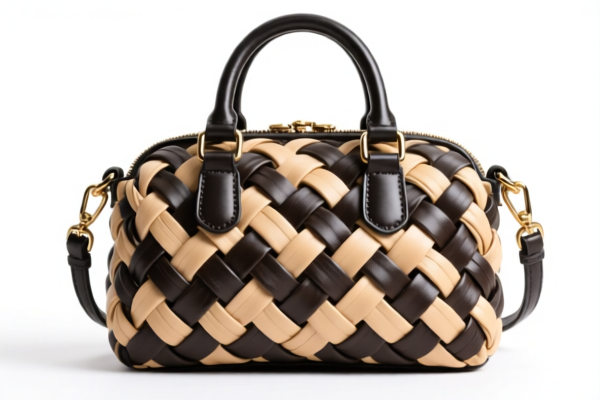
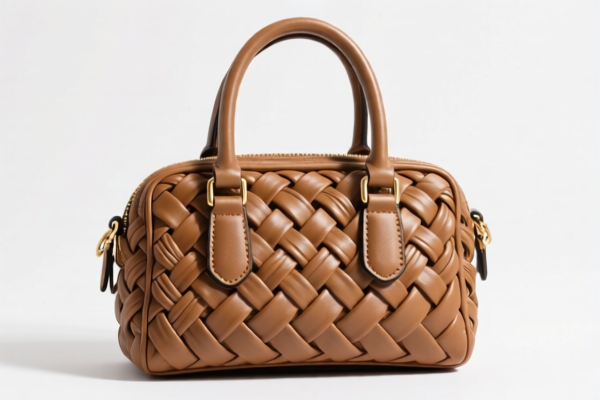
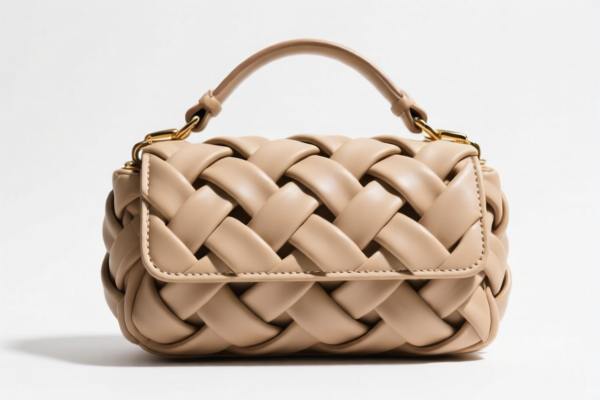
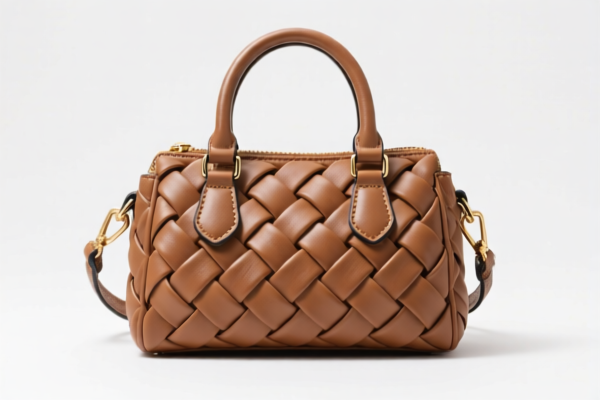
AI Analysis
👜 Woven Handbag (Small Capacity)
🌐 HS Code Reference & Clearance Guide | 2026 Latest Tariff Analysis | Professional Clearance Strategy
📌 I. Product Definition & Classification: What Exactly Is a "Woven Handbag"?
A "Woven Handbag" refers to a hand-held container used for carrying personal items, constructed primarily through weaving techniques. In international trade, the classification hinges on two critical factors: 1. Material Composition: Is it made from plant materials (bamboo, rattan, straw) or textile materials (fabric, synthetic fibers)? 2. Structure: Is it a finished bag with lining/handles, or a general weaving product?
⚠️ Key Distinction:
- If made from bamboo, rattan, reed, or similar vegetable plaiting materials → It falls under Chapter 46 (Articles of Vegetables Plaiting Materials).
- If made from textile fabrics (cotton, polyester, synthetic weave) → It falls under Chapter 42 (Articles of Leather; Saddle Harness...) or Chapter 63 (Other Made Up Textile Articles).
- Small capacity does not change the HS Code but confirms its classification as a "Handbag" rather than large luggage or trunks.
📦 II. HS Code Classification Details (2026 Latest Tariff Authority Comparison)
Based on the provided data, here are the 5 potential HS Codes for small woven handbags, ranked by tax efficiency.
| HS Code | Product Description | Material Inference | Tax Rate |
|---|---|---|---|
6307.90.98.91 |
Other Made Up Textile Articles | Textile or Fiber Material | 24.5% |
4602.19.29.20 |
Woven Handbag (Plant Material) | Vegetable Material | 40.3% |
4602.11.21.00 |
Woven Handbag (Bamboo/Rattan) | Bamboo, Rattan, etc. | 41.2% |
4202.22.40.20 |
Woven Handbag (Woven Material) | Woven Material (Generic) | 42.4% |
4202.22.89.80 |
Woven Handbag (Textile) | Textile Material | 52.6% |
🔍 Critical Note:
- Chapter 46 items (4602.xx) are strictly for vegetable plaiting materials (e.g., bamboo, rattan, straw).
- Chapter 42 items (4202.xx) are for finished handbags made of leather, plastics, textiles, etc.
- Chapter 63 (6307.90) is a "catch-all" for other made-up textile articles, often used if the specific handbag code doesn't fit perfectly or for non-standard woven textiles.
💰 III. 2026 Latest Tariff Rate Breakdown (Including Additional Taxes, Policy Surcharges)
✅ Applicable Country: United States (US)
✅ Origin: China (CN)
✅ Effective Date: Includes subsequent imports post-2025 policies
🎯 1. 6307.90.98.91 — Best Tax Efficiency (Textile/Fiber)
| Item | Detail |
|---|---|
| Base Duty | 7.0% (ad valorem) |
| Section 301 Surcharge | 7.5% |
| Section 122 Duty | 10% |
| Total Tax Rate | 24.5% |
| Tax Calculation | CIF Value × 24.5% |
| De Minimis Eligibility | ❌ No (Subject to high total tax) |
| Legal Basis Path | General Tariff → Section 301 → Section 122 |
📌 Explanation:
- This is the lowest tax option among the provided codes.
- Why so low? It likely classifies the item as a "general textile accessory" rather than a premium handbag, avoiding higher Section 301 rates (which are typically 25% for Chapter 42/46 goods).
- Risk: US Customs may challenge this if the bag is clearly a "handbag" (Chapter 42) rather than a "general textile article."
🎯 2. 4602.19.29.20 — Vegetable Material Woven Bag
| Item | Detail |
|---|---|
| Base Duty | 5.3% |
| Section 301 Surcharge | 25.0% |
| Section 122 Duty | 10% |
| Total Tax Rate | 40.3% |
| Tax Calculation | CIF Value × 40.3% |
| De Minimis Eligibility | ❌ No |
| Legal Basis Path | USITC:4602.19.29.20 → Section 301 (25%) → Section 122 (10%) |
📌 Explanation:
- Base duty is low (5.3%) because bamboo/rattan products often have preferential base rates.
- However, it is subject to the full 25% Section 301 tariff, plus 10% Section 122.
- Suitable for: Authentic bamboo, rattan, or straw bags.
🎯 3. 4602.11.21.00 — Bamboo/Rattan Specific Handbag
| Item | Detail |
|---|---|
| Base Duty | 6.2% |
| Section 301 Surcharge | 25.0% |
| Section 122 Duty | 10% |
| Total Tax Rate | 41.2% |
| Tax Calculation | CIF Value × 41.2% |
| De Minimis Eligibility | ❌ No |
| Legal Basis Path | USITC:4602.11.21.00 → Section 301 (25%) → Section 122 (10%) |
📌 Explanation:
- Slightly higher base duty (6.2%) than4602.19.29.20.
- Still subject to 25% Section 301.
- Suitable for: Refined bamboo/rattan handbags with specific structural features.
🎯 4. 4202.22.40.20 — Woven Material Handbag
| Item | Detail |
|---|---|
| Base Duty | 7.4% |
| Section 301 Surcharge | 25.0% |
| Section 122 Duty | 10% |
| Total Tax Rate | 42.4% |
| Tax Calculation | CIF Value × 42.4% |
| De Minimis Eligibility | ❌ No |
| Legal Basis Path | USITC:4202.22.40.20 → Section 301 (25%) → Section 122 (10%) |
📌 Explanation:
- Falls under Chapter 42 (Handbags).
- "Woven material" here likely refers to synthetic or non-textile woven plastics/strands that don't fit Chapter 46.
- Higher base duty than plant materials.
🎯 5. 4202.22.89.80 — Textile Material Handbag (Highest Tax)
| Item | Detail |
|---|---|
| Base Duty | 17.6% |
| Section 301 Surcharge | 25.0% |
| Section 122 Duty | 10% |
| Total Tax Rate | 52.6% |
| Tax Calculation | CIF Value × 52.6% |
| De Minimis Eligibility | ❌ No |
| Legal Basis Path | USITC:4202.22.89.80 → Section 301 (25%) → Section 122 (10%) |
📌 Explanation:
- Most expensive option.
- High base duty (17.6%) due to textile handbag classification.
- Avoid if possible unless the product is strictly a textile handbag with no other classification option.
🛠️ IV. Clearance Practical Advice (Battle-Tested Pitfall Avoidance)
✅ 1. Preparation Checklist (Non-Negotiable)
| Document | Required | Notes |
|---|---|---|
| ✅ Product Specifications | ✔️ | Must specify material (e.g., "100% Bamboo," "Polyester Weave"). |
| ✅ Material Test Report | ✔️ | To prove plant material vs. textile. Crucial for Chapter 46 vs. 42. |
| ✅ Photos (Front/Side/Inside) | ✔️ | Show weaving texture, lining, handles. |
| ✅ Commercial Invoice | ✔️ | Description: "Woven Handbag, Small Capacity, [Material]." |
| ✅ Packing List | ✔️ | Confirm quantity and weight. |
✅ 2. Declaration Strategy (Key Mantra)
🔥 "Material Determines Chapter, Function Determines Heading!"
| Scenario | Correct HS Code | Risk of Misclassification |
|---|---|---|
| Bamboo/Rattan Bag | 4602.11.21.00 or 4602.19.29.20 |
Do NOT declare as "Textile Handbag" → 52.6% tax! |
| Straw/Reed Bag | 4602.19.29.20 |
Same as above. Plant material = Chapter 46. |
| Fabric/Canvas Woven Bag | 4202.22.40.20 or 6307.90.98.91 |
If deemed "Handbag," Chapter 42 applies. If deemed "Accessory," Chapter 63 may apply. |
| Synthetic Plastic Weave | 4202.22.40.20 |
Not plant material, not textile → Chapter 42. |
📌 Crucial Tip:
- If you declare a bamboo bag as6307.90.98.91(24.5%) to save tax, US Customs may reclassify it to4602.xx(40-41%) or even4202.xxif they believe it doesn't meet Chapter 46 definitions, leading to back taxes + penalties.
- Recommendation: Use6307.90.98.91only if the item is clearly a textile-based woven accessory (e.g., cotton canvas weave) and not a structured handbag.
✅ 3. Special Case Handling
| Situation | Advice |
|---|---|
| Mixed Materials (e.g., Bamboo + Leather Handles) | Declare as Bamboo (4602.xx) if bamboo is the principal material. If leather is dominant, consider 4202.xx. |
| OEM Custom Bags | Provide design specs. If design is unique, 6307.90.98.91 might be safer, but be prepared for scrutiny. |
| Small Capacity | Does not affect HS Code. Keep "Small Capacity" in description to avoid being classified as "Luggage" (4202.1x/4202.2x with different subheadings). |
🌍 V. Global Market Clearance Comparison (2026)
| Country/Region | Recommended HS Code | Tariff (China Origin) | Key Requirement |
|---|---|---|---|
| 🇺🇸 USA | 6307.90.98.91 (Best) or 4602.19.29.20 |
24.5% - 41.2% | Section 301 & 122 apply. |
| 🇨🇳 China | 4602.19.29.20 / 4202.22.89.80 |
0% - 10% | No additional surcharges. |
| 🇪🇺 EU | 4602.19.29.20 / 4202.22.40.20 |
0% - 4% | CE marking if applicable. |
| 🇬🇧 UK | 4602.19.29.20 / 4202.22.40.20 |
0% - 4% | Post-Brexit rules apply. |
📌 Conclusion:
- USA is the most challenging market due to Section 301 and Section 122.
- Strategic Choice: If your bag is textile-based, try to declare under6307.90.98.91(24.5%). If it's plant-based,4602.19.29.20(40.3%) is the best you can do. Avoid4202.22.89.80(52.6%) unless necessary.
📌 VI. Common Mistakes & Pitfalls (Lessons Learned)
❌ Mistake 1: Declaring a Bamboo Bag as 6307.90.98.91
👉 Result: Customs reclassifies to 4602.xx → Back taxes + 20% penalty!
❌ Mistake 2: Declaring a Textile Handbag as 4602.xx
👉 Result: Customs rejects Chapter 46 (not plant material) → Reclassification to 4202.22.89.80 (52.6%)!
❌ Mistake 3: Ignoring Section 122
👉 Result: Forgetting to add 10% → Underpayment + Audit Risk!
✅ Correct Description Example:
"Woven Handbag, Small Capacity, Made of 100% Bamboo Strips, with Cotton Lining, for Personal Use, Not for Commercial Resale in Bulk."
🎯 VII. Conclusion: Professional Declaration, Cost Optimization!
🎯 Remember:
🔹 "Material First, Function Second. Plant = Ch46, Textile = Ch42/63."
🔹 "Section 301 is 25%, Section 122 is 10%. Total = 35% + Base."
🔹 "Best Case: 24.5% (6307). Worst Case: 52.6% (4202). Choose Wisely!"
📌 Pro Tip:
If your bag is small capacity and textile-based, consult with your customs broker to see if 6307.90.98.91 is defensible. For plant materials, stick to 4602.xx to avoid misclassification penalties.
📣 Immediate Action:
📞 Contact your Customs Broker + Provide Material Test Report + Apply for Pre-Ruling if unsure.
🚀 Clearance Smooth, Cost Minimized, Profit Maximized!
✨ Professional Clearance Starts with Accurate Classification!
💼 Every Dollar Saved is a Dollar Earned!
Customer Reviews
About HS Code Classification
The Harmonized System (HS) is an internationally standardized nomenclature developed by the World Customs Organization (WCO) to classify traded products. Over 200 countries use the HS system as the basis for customs tariffs, trade statistics, and import/export regulations.
Each HS code follows a hierarchical structure:
- Chapter (2 digits) — Broad category of goods (e.g., Chapter 84: Machinery and Mechanical Appliances)
- Heading (4 digits) — More specific grouping within the chapter
- Subheading (6 digits) — Internationally standardized breakdown, used by all WCO member countries
- National subdivisions (8-10 digits) — Country-specific extensions for further classification, such as US HTSUS 10-digit codes
Correct HS code classification is essential for smooth customs clearance, accurate duty payment, and compliance with trade regulations. Misclassification can lead to customs delays, overpayment of duties, or penalties.
When importing from CN to US, the applicable tariff rates may include:
- Most-Favored-Nation (MFN) rate — The standard duty rate applied to WTO members
- General rate — Applied to countries without trade agreements
- Trade remedy duties — Additional tariffs such as Section 301 (anti-dumping), Section 232 (national security), or countervailing duties
The information provided on this page is for reference purposes only. For official classification, please consult with your local customs authority or a licensed customs broker.