woven handbag travel use
CN → US| HS Code | Tariff Rate | Origin | Destination | Doc |
|---|---|---|---|---|
| 4602112100 | 41.2% | CN | US | Official Doc |
| 4202224020 | 42.4% | CN | US | Official Doc |
| 4202228980 | 52.6% | CN | US | Official Doc |
| 4602192920 | 40.3% | CN | US | Official Doc |
| 6307909891 | 24.5% | CN | US | Official Doc |
Product Images
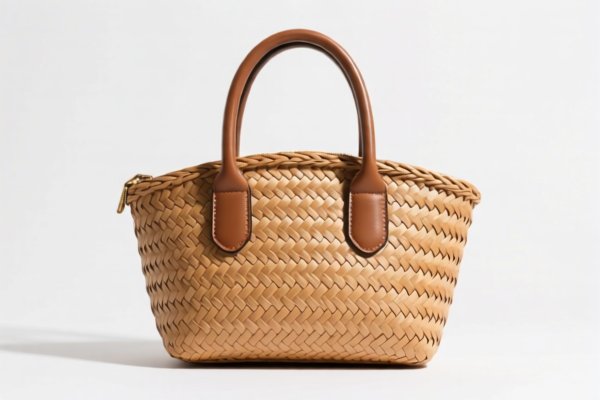
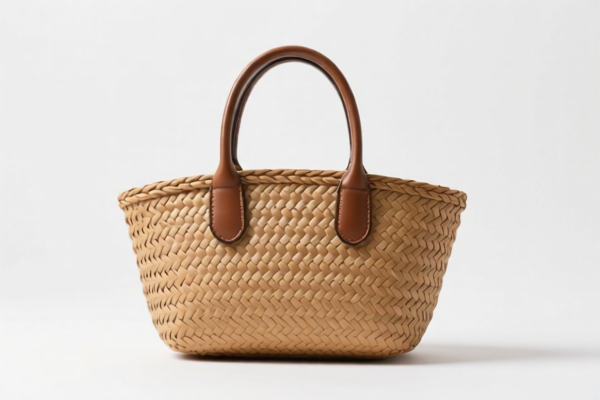
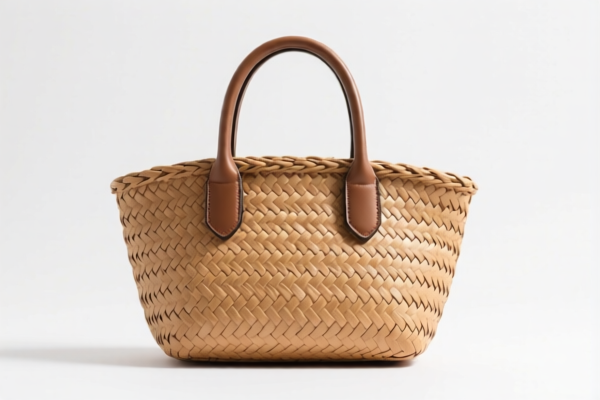

AI Analysis
🧺 Woven Handbag for Travel Use
🌐 HS Code Reference & Customs Clearance Guide | 2026 Latest Tariff Analysis | Professional Compliance Strategy
📌 I. Product Definition & Classification: What Exactly Is a "Woven Handbag"?
A woven handbag intended for travel is a general-purpose accessory. However, in international trade, it is not a single unified category. The Harmonized System (HS) classifies it based on material composition and structural characteristics.
The Critical Distinction: * Plant Materials (Chapter 46): Made from bamboo, rattan, cane, or reed. These are classified as "workable materials" rather than textiles. * Textile/Plaiting Materials (Chapter 42): Made from straw, esparto, or woven textile strips (even if they look like fabric). If it’s a "bag of goods," it usually falls here. * Other Textiles (Chapter 63): If the item is a simple woven pouch or doesn't fit the strict definition of a "handbag" (with handles, structured body), it may be classified as "other made-up articles."
⚠️ Key Classification Point:
- If made of bamboo/rattan: Look at HS 4602.
- If made of textile strips/plaiting materials: Look at HS 4202.
- If it’s a simple woven sack/pouch without typical bag features: Look at HS 6307.
📦 II. HS Code Classification Details (2026 Latest Tariff Authority Match)
Based on the provided data, here are the 5 possible HS codes for "Woven Handbags," sorted by material logic:
| HS Code | Product Description | Material Logic | Why This Code? |
|---|---|---|---|
4602.11.21.00 |
Woven handbag, plant material (Bamboo/Rattan) | Plant-based | Bamboo and rattan are "workable materials of vegetable origin." This is the most common code for eco-friendly bamboo bags. |
4602.19.29.20 |
Woven handbag, plant material (Other) | Plant-based | For woven bags made from other plant materials (e.g., reed, willow) not specifically bamboo. |
4202.22.40.20 |
Woven handbag, plaiting materials | Straw/Esparto/Textile Strips | If the "weave" is made from straw, esparto, or parallel strands of textile/plastic, it falls under Chapter 42 (Articles of leather, of plates of vulcanized fibre, or of paperboard, and articles of plaiting materials). |
4202.22.89.80 |
Woven handbag, textile material inferred | General Textile | If the material is clearly woven textile but doesn't fit the specific "plaiting" definition, it may be classified here. |
6307.90.98.91 |
Woven handbag, other made-up articles | Generic Fiber/Textile | If the item is a simple woven pouch, tote, or decorative bag that doesn't meet the structural definition of a "handbag" in Ch 42, it goes here. |
🔍 Important Note:
- Chapter 46 vs Chapter 42 is the biggest trap.
- Bamboo/Rattan = Ch 46.
- Straw/Esparto/Fabric Strips = Ch 42.
- Incorrect classification leads to duty discrepancies and customs delays.
💰 III. 2026 Latest Tariff Rate Breakdown (Including Add-on Duties)
✅ Applicable Country: United States (US)
✅ Origin: China (CN)
✅ Effective Date: Post-November 2025 Import Rules
🎯 1. 4602.11.21.00 —— Woven Handbag (Bamboo/Rattan)
| Item | Detail |
|---|---|
| Base Tariff | 6.2% |
| Section 301 Add-on | 25.0% |
| IEEPA Add-on (122 Clause) | 10.0% |
| Total Effective Rate | 41.2% |
| Calculation | CIF Value × 41.2% |
| De Minimis Eligible? | ❌ No (De Minimis exemption does not apply to goods subject to Section 301/IEEPA duties) |
| Legal Basis | HTSUS:4602.11.21.00 → Section 301 Footnote → IEEPA:122 |
📌 Explanation:
- This is the standard duty for bamboo products.
- The 25% Section 301 duty is critical for Chinese bamboo exports.
- The 10% IEEPA duty is an additional layer for certain Chinese-origin goods.
- Total Burden: 41.2%. This is high but lower than some textile alternatives.
🎯 2. 4202.22.40.20 —— Woven Handbag (Plaiting Materials)
| Item | Detail |
|---|---|
| Base Tariff | 7.4% |
| Section 301 Add-on | 25.0% |
| IEEPA Add-on (122 Clause) | 10.0% |
| Total Effective Rate | 42.4% |
| Calculation | CIF Value × 42.4% |
| De Minimis Eligible? | ❌ No |
| Legal Basis | HTSUS:4202.22.40.20 → Section 301 Footnote → IEEPA:122 |
📌 Explanation:
- Straw or esparto bags are taxed slightly higher than bamboo (42.4% vs 41.2%).
- Ensure your product is not classified as a "textile" (which can be even higher).
🎯 3. 4202.22.89.80 —— Woven Handbag (Other Textile/Plaiting)
| Item | Detail |
|---|---|
| Base Tariff | 17.6% |
| Section 301 Add-on | 25.0% |
| IEEPA Add-on (122 Clause) | 10.0% |
| Total Effective Rate | 52.6% |
| Calculation | CIF Value × 52.6% |
| De Minimis Eligible? | ❌ No |
| Legal Basis | HTSUS:4202.22.89.80 → Section 301 Footnote → IEEPA:122 |
📌 Warning:
- This is the highest duty rate in the list.
- If your "woven" bag is made of woven fabric (textile) rather than plaiting materials (straw/bamboo), it falls here.
- Cost Impact: Over 50% duty significantly reduces profit margins. Avoid this classification if possible.
🎯 4. 4602.19.29.20 —— Woven Handbag (Other Plant Material)
| Item | Detail |
|---|---|
| Base Tariff | 5.3% |
| Section 301 Add-on | 25.0% |
| IEEPA Add-on (122 Clause) | 10.0% |
| Total Effective Rate | 40.3% |
| Calculation | CIF Value × 40.3% |
| De Minimis Eligible? | ❌ No |
| Legal Basis | HTSUS:4602.19.29.20 → Section 301 Footnote → IEEPA:122 |
📌 Explanation:
- For bags made of reed, willow, or other non-bamboo plants.
- Lowest base tariff (5.3%) among plant-based options.
- Total Burden: 40.3%. This is the most cost-effective plant-based classification.
🎯 5. 6307.90.98.91 —— Woven Handbag (Other Made-Up Articles)
| Item | Detail |
|---|---|
| Base Tariff | 7.0% |
| Section 301 Add-on | 7.5% |
| IEEPA Add-on (122 Clause) | 10.0% |
| Total Effective Rate | 24.5% |
| Calculation | CIF Value × 24.5% |
| De Minimis Eligible? | ❌ No (Note: 122 clause may still apply depending on specific product type, but Section 301 is reduced here) |
| Legal Basis | HTSUS:6307.90.98.91 → Section 301 (Lower Rate) → IEEPA:122 |
📌 Critical Insight:
- This has the LOWEST total duty (24.5%).
- However, it is a "trap" classification.
- You can only use this if the item is NOT a structured "handbag" (with handles, gussets, lining). If it’s a simple woven pouch, bag, or textile accessory, it may qualify.
- Risk: If CBP (Customs) determines it is a "handbag," they will reclassify it to Ch 42 or Ch 46, resulting in back taxes + penalties.
- Use Case: Only for simple woven totes, pouches, or non-structured bags.
🛠️ IV. Customs Clearance Practical Advice (Pitfall Avoidance Guide)
✅ 1. Documentation Checklist (Non-Negotiable)
| Document | Required? | Notes |
|---|---|---|
| Product Specifications | ✔️ | Must specify material (e.g., "100% Bamboo," "Esparto Grass," "Polyester Woven"). |
| Material Sample | ✔️ | Customs may request a swatch to verify if it’s bamboo (Ch 46) or straw (Ch 42). |
| Product Photos | ✔️ | Clear images of handles, lining, and weave pattern. |
| Commercial Invoice | ✔️ | Description must match HS code. Avoid vague terms like "Woven Bag." Use "Bamboo Woven Handbag." |
| Packing List | ✔️ | Weight and dimensions must match. |
| Origin Certificate | ✔️ | To prove CN origin (triggering 301/IEEPA duties). |
✅ 2. Declaration Strategy (Key Mnemonics)
🔥 "Material Defines Code, Structure Defines Chapter!"
| Scenario | Correct HS Code | Risk if Misclassified |
|---|---|---|
| Bamboo/Rattan Bag | 4602.11.21.00 (41.2%) |
Misclassifying as textile (Ch 42) → 52.6% Duty |
| Straw/Espresso Bag | 4202.22.40.20 (42.4%) |
Misclassifying as plant (Ch 46) → Rejection |
| Simple Woven Pouch | 6307.90.98.91 (24.5%) |
If it has handles/lining → Rejected, back taxes |
| Textile Woven Bag | 4202.22.89.80 (52.6%) |
Try to reclassify as 6307 if structure allows |
📌 Pro Tip:
- If you want the 24.5% rate, ensure your bag has no rigid structure, no lining, and simple handles. Call it a "Woven Tote Pouch" or "Woven Accessory Bag," not "Handbag."
- If it’s a structured handbag with lining and handles, you must use Ch 42 or Ch 46.
✅ 3. Special Cases & Handling
| Situation | Recommendation |
|---|---|
| Mixed Materials (e.g., Bamboo + Leather) | Classify as Leather Article (Ch 42) → Higher duty. Avoid mixed materials for duty optimization. |
| Eco-Friendly Marketing | Do not use "Eco-Bag" as the HS description. CBP looks at material, not marketing. |
| Small Quantity (De Minimis) | ❌ Do not use 800/861 exemption. Section 301 and IEEPA duties apply regardless of value. |
| Origin Marking | Must clearly mark "Made in China" on the product or packaging. |
🌍 V. Global Market Comparison (2026 Update)
| Country/Region | Recommended HS Code | Duty Rate (China Origin) | Key Requirements |
|---|---|---|---|
| 🇺🇸 USA | 4602.11.21.00 |
41.2% | 301 + IEEPA Duties Apply. No De Minimis. |
| 🇨🇳 China | 4602.11.21.00 |
5% - 10% | Standard Import Duty. |
| 🇪🇺 EU | 4602.11.00.00 |
0% - 4% | No 301/IEEPA duties. CE/RoHS may apply for treated materials. |
| 🇬🇧 UK | 4602.11.00.00 |
0% - 4% | Post-Brexit Tariffs. No Section 301. |
| 🇯🇵 Japan | 4602.11.00.00 |
3.3% - 5% | Low tariff. No Section 301. |
📌 Conclusion:
- The USA is the most expensive market due to Section 301 and IEEPA duties.
- Bamboo (Ch 46) and Straw (Ch 42) are subject to 25% add-on + 10% IEEPA.
- Textile (Ch 63) has lower 301 duties but only if it’s not a "handbag."
📌 VI. Common Mistakes & Pitfalls (Blood-Teachings)
❌ Mistake 1: Calling a bamboo bag a "Woven Bag" without specifying material.
👉 Result: CBP reclassifies to highest tariff 4202.22.89.80 (52.6%).
❌ Mistake 2: Using 80/861 exemption for bamboo bags under $800.
👉 Result: Denied. Section 301 and IEEPA duties are not exempt under De Minimis.
❌ Mistake 3: Misclassifying a structured handbag as a "pouch" (6307).
👉 Result: Audit, back taxes, and penalties. CBP inspects for handles, lining, and structure.
✅ Correct Strategy:
- Bamboo? →
4602.11.21.00(41.2%)- Straw? →
4202.22.40.20(42.4%)- Simple Pouch? →
6307.90.98.91(24.5%)- Textile Bag? →
4202.22.89.80(52.6%)
🎯 VII. Conclusion: Professional Classification Saves Money
🎯 Key Takeaway:
🔹 "Material First, Structure Second!"
🔹 "Bamboo = Ch 46, Straw = Ch 42, Simple Pouch = Ch 63."
🔹 "USA Duty = 41.2% ~ 52.6%. Plan accordingly!"
📌 Tip:
If you are shipping to the US, pre-classify your product with a licensed customs broker. Use Rulings (CBP Rulings) to lock in your HS code and avoid surprises.
📣 Action Item:
📞 Contact a Customs Broker
📄 Submit Product Samples & Photos
🚀 Apply for Pre-Ruling
💰 Optimize Material Choice (Bamboo/Straw vs. Textile)
✨ Accurate Classification is the First Step to Profitable Trade!
💼 Don’t Let 25% + 10% Duties Destroy Your Margin!
Customer Reviews
About HS Code Classification
The Harmonized System (HS) is an internationally standardized nomenclature developed by the World Customs Organization (WCO) to classify traded products. Over 200 countries use the HS system as the basis for customs tariffs, trade statistics, and import/export regulations.
Each HS code follows a hierarchical structure:
- Chapter (2 digits) — Broad category of goods (e.g., Chapter 84: Machinery and Mechanical Appliances)
- Heading (4 digits) — More specific grouping within the chapter
- Subheading (6 digits) — Internationally standardized breakdown, used by all WCO member countries
- National subdivisions (8-10 digits) — Country-specific extensions for further classification, such as US HTSUS 10-digit codes
Correct HS code classification is essential for smooth customs clearance, accurate duty payment, and compliance with trade regulations. Misclassification can lead to customs delays, overpayment of duties, or penalties.
When importing from CN to US, the applicable tariff rates may include:
- Most-Favored-Nation (MFN) rate — The standard duty rate applied to WTO members
- General rate — Applied to countries without trade agreements
- Trade remedy duties — Additional tariffs such as Section 301 (anti-dumping), Section 232 (national security), or countervailing duties
The information provided on this page is for reference purposes only. For official classification, please consult with your local customs authority or a licensed customs broker.