woven handbag with zipper
CN → US| HS Code | Tariff Rate | Origin | Destination | Doc |
|---|---|---|---|---|
| 4602192920 | 40.3% | CN | US | Official Doc |
| 4202228980 | 52.6% | CN | US | Official Doc |
| 4602112100 | 41.2% | CN | US | Official Doc |
| 4202224020 | 42.4% | CN | US | Official Doc |
| 6307909891 | 24.5% | CN | US | Official Doc |
Product Images
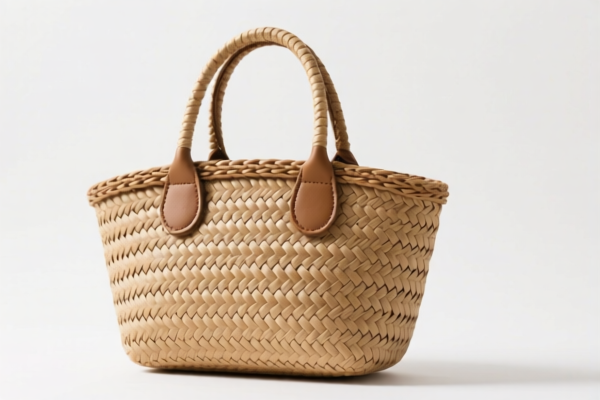
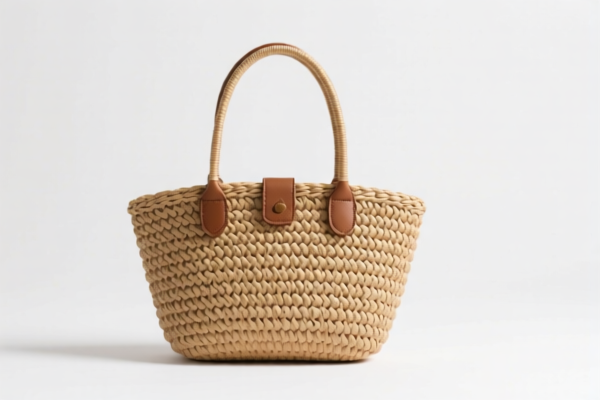
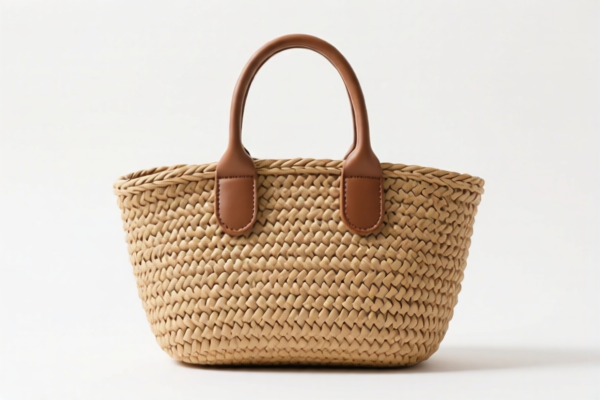
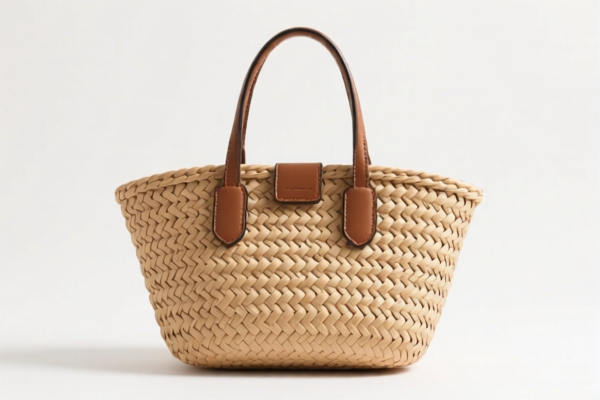
AI Analysis
🧺 Woven Handbag with Zipper (编织手提包,带拉链)
🌐 HS Code Reference & Clearance Guide | 2026 Latest Tariff Analysis | Professional Custom Clearance Strategy
📌 Part I: Product Definition & Classification: Are You Sure It’s Just a "Handbag"?
A woven handbag with a zipper is a common accessory, but in international trade, its classification depends heavily on the raw material and construction method. It is generally divided into two main categories:
- Plant Material Woven Goods (Articles of Bamboo, Rattan, etc.): Made from natural plant fibers (bamboo, rattan, straw).
- Textile/Luggage Articles: Made from woven textile materials (fabric, synthetic fibers).
⚠️ Key Distinction Point:
- If the material is bamboo, rattan, straw, or other plant materials → Classified under Chapter 46 (Articles of Vegetables Plaiting Materials).
- If the material is woven textile, synthetic fabric, or other non-plant woven material → Classified under Chapter 42 (Articles of Leather; Saddle Harness; Handbags).
- If it is a special purpose item (e.g., with complex internal compartments for specific use) → May fall under Chapter 63 (Other Made Up Textile Articles).
📦 Part II: HS Code Classification Details (2026 Latest Tariff Authority Comparison)
Based on the provided data <DATA>, here are the specific HS codes for "Woven Handbags":
| HS Code | Product Description | Applicable Scenario | Material Type |
|---|---|---|---|
4602.19.29.20 |
Woven handbag, material is plant material woven products | General plant-based woven bags (not bamboo/rattan specifically) | 🌿 Plant Material (Non-Bamboo/Rattan) |
4202.22.89.80 |
Woven handbag, material is other textile materials | Handbags made from woven fabric, synthetic woven materials | 🧵 Textile/Woven Fabric |
4602.11.21.00 |
Woven handbag, material is bamboo, rattan, or similar plant materials | Bamboo/rattan handbags | 🎋 Bamboo/Rattan |
4202.22.40.20 |
Woven handbag, material is woven material made | Handbags made from generic woven materials (often synthetic or mixed) | 🧶 Woven Material |
6307.90.98.91 |
Woven handbag, with inner compartments, belongs to other made-up articles | Bags with complex internal structures, not typical handbags | 🧩 Other Made-up Textile Articles |
🔍 Key Reminder:
- Bamboo/Rattan → 4602.11.21.00
- Other Plant Materials → 4602.19.29.20
- Textile/Synthetic Woven → 4202.22.89.80 or 4202.22.40.20
- Special Structure/Compartments → 6307.90.98.91
💰 Part III: 2026 Latest Tariff Rate Breakdown (Including Additional Taxes & Policy Add-ons)
✅ Applicable Country: United States (US)
✅ Origin: China (CN)
✅ Effective Date: From November 10, 2025 (including subsequent imports)
🎯 1. 4602.11.21.00 — Woven Handbag, Bamboo/Rattan Material
| Item | Content |
|---|---|
| Basic Tariff | 6.2% |
| Additional Tariff (Section 301) | +25.0% |
| IEEPA Tariff (Section 122) | +10.0% |
| Total Tariff Rate | 41.2% |
| Tax Calculation | CIF Value × 41.2% |
| De Minimis Exemption | ❌ Not Eligible |
| Legal Basis Path | USITC:4602.11.21.00 → 301:25% → 122:10% |
📌 Explanation:
- Base Tax 6.2%: Standard MFN rate for bamboo/rattan articles.
- 301 Additional Tax 25%: Applied to Chinese-made goods under Section 301.
- IEEPA 10%: Additional tariff for Chinese-origin products.
- Total 41.2%: High tariff burden, common for natural material goods from China.
🎯 2. 4602.19.29.20 — Woven Handbag, Other Plant Material
| Item | Content |
|---|---|
| Basic Tariff | 5.3% |
| Additional Tariff (Section 301) | +25.0% |
| IEEPA Tariff (Section 122) | +10.0% |
| Total Tariff Rate | 40.3% |
| Tax Calculation | CIF Value × 40.3% |
| De Minimis Exemption | ❌ Not Eligible |
| Legal Basis Path | USITC:4602.19.29.20 → 301:25% → 122:10% |
📌 Note:
- Similar to bamboo/rattan, but applies to other plant materials like straw or palm leaf.
- Total 40.3%, slightly lower than bamboo due to lower base rate.
🎯 3. 4202.22.89.80 — Woven Handbag, Other Textile Materials
| Item | Content |
|---|---|
| Basic Tariff | 17.6% |
| Additional Tariff (Section 301) | +25.0% |
| IEEPA Tariff (Section 122) | +10.0% |
| Total Tariff Rate | 52.6% |
| Tax Calculation | CIF Value × 52.6% |
| De Minimis Exemption | ❌ Not Eligible |
| Legal Basis Path | USITC:4202.22.89.80 → 301:25% → 122:10% |
📌 Warning:
- Highest Tariff in the list!
- Textile handbags face 17.6% base tax + 35% additional taxes.
- Total 52.6% makes this category extremely costly for US imports from China.
🎯 4. 4202.22.40.20 — Woven Handbag, Woven Material Made
| Item | Content |
|---|---|
| Basic Tariff | 7.4% |
| Additional Tariff (Section 301) | +25.0% |
| IEEPA Tariff (Section 122) | +10.0% |
| Total Tariff Rate | 42.4% |
| Tax Calculation | CIF Value × 42.4% |
| De Minimis Exemption | ❌ Not Eligible |
| Legal Basis Path | USITC:4202.22.40.20 → 301:25% → 122:10% |
📌 Note:
- Slightly higher base tax than plant materials but lower than textile-specific codes.
- Total 42.4%.
🎯 5. 6307.90.98.91 — Woven Handbag, with Inner Compartments (Other Made-up Articles)
| Item | Content |
|---|---|
| Basic Tariff | 7.0% |
| Additional Tariff (Section 301) | +7.5% |
| IEEPA Tariff (Section 122) | +10.0% |
| Total Tariff Rate | 24.5% |
| Tax Calculation | CIF Value × 24.5% |
| De Minimis Exemption | ❌ Not Eligible |
| Legal Basis Path | USITC:6307.90.98.91 → 301:7.5% → 122:10% |
📌 Strategic Insight:
- Lowest Total Tariff!
- If the bag has complex internal compartments or is classified as "other made-up textile articles," it may fall under 6307.
- Total 24.5% is significantly lower than handbag classifications (40–52%).
- Risk: Customs may reclassify if not properly documented as "other made-up articles."
🛠️ Part IV: Practical Clearance Advice (Avoiding Pitfalls)
✅ 1. Prepare Documentation Checklist (All Required)
| Document | Mandatory? | Description |
|---|---|---|
| ✅ Product Specification Sheet | ✔️ | Include material type (bamboo, rattan, textile), dimensions, zipper type |
| ✅ Product Photos (with Zipper) | ✔️ | Clear images showing weave pattern, closure type, and any internal compartments |
| ✅ Commercial Invoice | ✔️ | Clearly state "Woven Handbag" and specific material |
| ✅ Packing List | ✔️ | Detail quantity, weight, and packaging |
| ✅ Certificate of Origin (CO) | ✔️ | If applicable for preferential treatment (though limited for China) |
| ✅ Material Test Report | ✔️ | Proof of material composition (e.g., 100% bamboo vs. synthetic weave) |
✅ 2. Declaration Tips (Key Mantra)
🔥 "Material Determines HS, Zipper is Detail, Compartments May Save Tax!"
| Scenario | Correct Declaration | Wrong Practice |
|---|---|---|
| Bamboo/Rattan Bag | 4602.11.21.00 |
Misdeclare as textile → 52.6% |
| Straw/Plant Bag | 4602.19.29.20 |
Misdeclare as bamboo → Potential penalty |
| Textile Woven Bag | 4202.22.89.80 or 4202.22.40.20 |
Misdeclare as "other articles" → 24.5% (risky if not qualified) |
| Bag with Complex Compartments | 6307.90.98.91 |
Declare as handbag → 40%+ |
✅ 3. Special Case Handling
| Situation | Recommendation |
|---|---|
| OEM Custom Bags | Provide design drawings showing material and structure |
| Mixed Material Bags | Declare primary material; if >50% textile, consider Chapter 42 |
| Bag with Zipper Only | Zipper is a minor detail; does not change HS code |
| Bag with Inner Pockets | If structural complexity is high, consider 6307 for lower tax, but ensure justification |
| Import from Non-China Origin | Check for free trade agreements (e.g., Vietnam, Mexico) for potential exemptions |
🌍 Part V: Global Market Comparison (2026 Latest)
| Country/Region | Recommended HS Code | Tariff | Certification | Notes |
|---|---|---|---|---|
| 🇺🇸 USA | 4602.11.21.00 / 4202.22.89.80 |
41.2% ~ 52.6% | None Specific | High tariffs due to 301 + 122 |
| 🇨🇳 China | 4602.11 / 4202.22 |
5% ~ 17.6% | None Specific | Lower base tax |
| 🇪🇺 EU | 4602.11 / 4202.22 |
0% ~ 12% | CE (if applicable) | No additional tariffs |
| 🇬🇧 UK | 4602.11 / 4202.22 |
0% ~ 12% | UKCA | Post-Brexit rules apply |
| 🇯🇵 Japan | 4602.11 / 4202.22 |
0% ~ 8% | None Specific | No additional tariffs |
📌 Conclusion:
- USA has the highest tariffs due to additional measures.
- Other markets are more favorable, but US imports face significant cost challenges.
- Consider supply chain diversification (e.g., Vietnam, Thailand) for US-bound goods to avoid Section 301/122 tariffs.
📌 Part VI: Common Mistakes & Pitfalls (Lessons Learned)
❌ Mistake 1: Declaring bamboo bags as "textile handbags"
👉 Result: Overpaying tax? No, Underpaying → Customs audit → Back taxes + Penalties!
(If customs reclassifies from 24.5% to 52.6%, you owe the difference.)
❌ Mistake 2: Ignoring material composition
👉 Result: Misclassification → 60-day delay or seizure
❌ Mistake 3: Not documenting internal compartments
👉 Result: Missed opportunity to use 6307 → Overpaying 17%+
❌ Mistake 4: Using "Handbag" without specifying material
👉 Result: Customs ambiguity → Additional questioning
✅ Correct Practice:
"Woven Handbag, Bamboo Material, with Metal Zipper, Internal Pocket, Model XYZ"
🎯 Part VII: Conclusion: Precision Classification Saves Money!
🎯 Remember the Mantra:
🔹 "Material First, Structure Second, Tariff Third!"
🔹 "Bamboo 41%, Textile 52%, Special 24% — Choose Wisely!"
📌 Pro Tip:
- If your bag qualifies as "Other Made-up Textile Articles" (6307), ensure it has complex internal structure to justify the lower rate.
- For US-bound goods, consider sourcing from non-China countries to avoid Section 301/122 tariffs.
- Always apply for a Pre-Ruling (Advance Ruling) if unsure about classification.
📣 Immediate Action:
📞 Contact a Professional Broker + Provide Material Photos + Apply for HS Pre-Ruling
🚀 Clear Customs Smoothly, Reduce Costs, Maximize Profits!
✨ Professional Clearance Starts with Accurate Classification!
💼 Every Penny Saved Counts!
Customer Reviews
About HS Code Classification
The Harmonized System (HS) is an internationally standardized nomenclature developed by the World Customs Organization (WCO) to classify traded products. Over 200 countries use the HS system as the basis for customs tariffs, trade statistics, and import/export regulations.
Each HS code follows a hierarchical structure:
- Chapter (2 digits) — Broad category of goods (e.g., Chapter 84: Machinery and Mechanical Appliances)
- Heading (4 digits) — More specific grouping within the chapter
- Subheading (6 digits) — Internationally standardized breakdown, used by all WCO member countries
- National subdivisions (8-10 digits) — Country-specific extensions for further classification, such as US HTSUS 10-digit codes
Correct HS code classification is essential for smooth customs clearance, accurate duty payment, and compliance with trade regulations. Misclassification can lead to customs delays, overpayment of duties, or penalties.
When importing from CN to US, the applicable tariff rates may include:
- Most-Favored-Nation (MFN) rate — The standard duty rate applied to WTO members
- General rate — Applied to countries without trade agreements
- Trade remedy duties — Additional tariffs such as Section 301 (anti-dumping), Section 232 (national security), or countervailing duties
The information provided on this page is for reference purposes only. For official classification, please consult with your local customs authority or a licensed customs broker.