wristbands
CN → US| HS Code | Tariff Rate | Origin | Destination | Doc |
|---|---|---|---|---|
| 6217109550 | 32.1% | CN | US | Official Doc |
| 9021908100 | 10.0% | CN | US | Official Doc |
| 6217108500 | 24.6% | CN | US | Official Doc |
Product Images
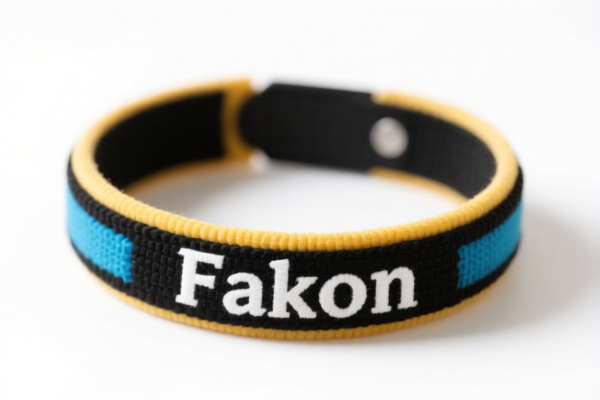
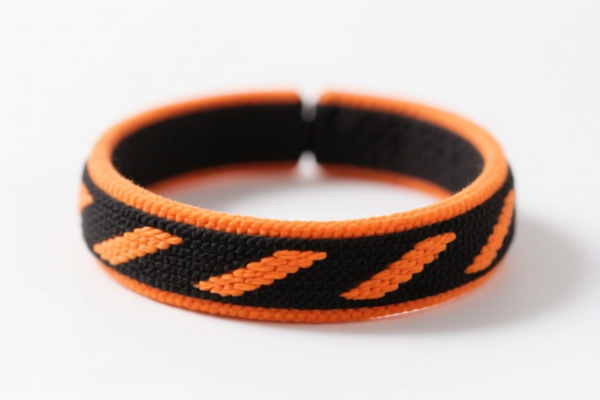
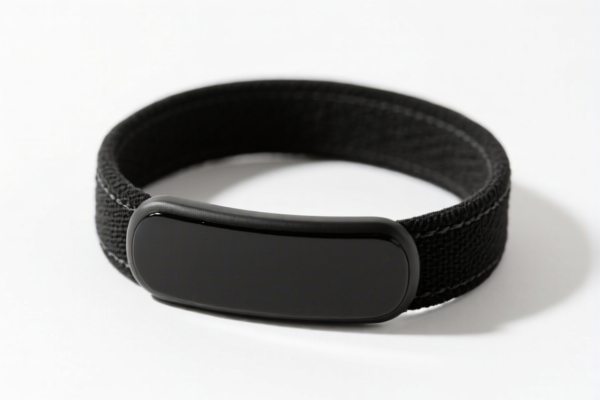
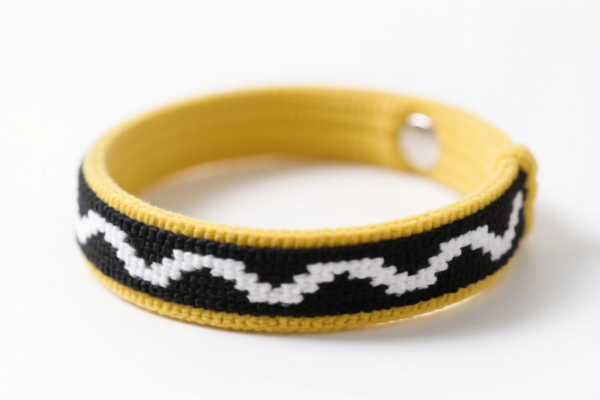
AI Analysis
🦾 Wristbands: The Chameleon of Customs Classification
🌐 HS Code Reference & Clearance Guide | 2026 Latest Tariff Analysis | Strategic Compliance Strategy
📌 I. Product Definition: What Exactly Is a "Wristband"?
Wristbands are versatile accessories worn around the wrist. In international trade, their classification depends entirely on their primary function and material composition. They fall into three distinct categories:
1. Fashion/Accessory Wristbands: Decorative items (e.g., hair ties, ponytail holders, elastic fabric bands).
2. Apparel Accessories: Functional or decorative parts of clothing (e.g., knitted cuffs, elasticated trims).
3. Medical/Orthopedic Supports: Devices designed to support, fix, or assist joints (e.g., neoprene braces, therapeutic supports).
⚠️ Key Differentiator:
- If it’s for decoration (like a hair tie) → 6217.10.85.00
- If it’s a clothing part (like a cuff) → 6217.10.95.50
- If it’s for medical support (like a brace) → 9021.90.81.00
📦 II. HS Code Classification Details (2026 Latest Tariff Alignment)
| HS Code | Product Description | Application Scenario | Key Feature |
|---|---|---|---|
6217.10.85.00 |
Hair bands, ponytail holders, and similar articles | Fashion accessories, decorative wristbands made of textile/elastic | ✅ Decorative/Functional Accessory |
6217.10.95.50 |
Other made-up clothing accessories (not elsewhere specified) | Wristbands as part of apparel, fabric/elastic cuffs | ✅ Apparel Accessory |
9021.90.81.00 |
Orthopedic appliances and parts (supportive devices) | Medical wrist supports, joint stabilization braces | ✅ Medical/Orthopedic Support |
🔍 Critical Note:
- Do not confuse fashion wristbands with medical supports. If the product claims to "support a joint" or "fix an injury," it must be classified under 9021.90.81.00 to benefit from lower tariffs.
- If it’s just a piece of fabric for holding hair or as a fashion item, it falls under 6217.10.85.00 or 6217.10.95.50.
💰 III. 2026 Latest Tariff Rate Breakdown (Including Surcharges)
✅ Applicable Country: United States (US)
✅ Origin: China (CN)
✅ Effective Date: Ongoing (Subject to Section 301 and Section 122 tariffs)
🎯 1. 6217.10.85.00 —— Hair Bands & Similar Articles (Fashion/Decorative)
| Item | Detail |
|---|---|
| Base Tariff | 14.6% (Ad Valorem) |
| Section 301 Surcharge | 0.0% (No additional Section 301 tariff for this specific subheading) |
| Section 122 Tariff | 10% (Specific surcharge for certain textile/apparel items) |
| Total Tariff | 24.6% |
| Tax Calculation | CIF Value × 24.6% |
| De Minimis Exemption | ❌ Not Eligible (Section 122 tariffs generally override de minimis for certain categories) |
| Legal Path | HTSUS:6217.10.85.00 → Section 122 Tariff Act |
📌 Explanation:
- This category is for decorative or functional accessories like hair ties.
- The 10% Section 122 tariff applies specifically to certain textile products.
- No Section 301 tariff is applied to this specific subheading, making it relatively lower than other textile goods.
🎯 2. 6217.10.95.50 —— Other Made-Up Clothing Accessories (Apparel Parts)
| Item | Detail |
|---|---|
| Base Tariff | 14.6% (Ad Valorem) |
| Section 301 Surcharge | 7.5% (Standard Section 301 surcharge for Chapter 62 goods) |
| Section 122 Tariff | 10% |
| Total Tariff | 32.1% |
| Tax Calculation | CIF Value × 32.1% |
| De Minimis Exemption | ❌ Not Eligible |
| Legal Path | HTSUS:6217.10.95.50 → Section 301 Tariff Act → Section 122 Tariff Act |
📌 Explanation:
- This category is for wristbands that are part of clothing (e.g., cuffs, trims).
- It attracts both the 7.5% Section 301 surcharge and the 10% Section 122 surcharge.
- Total tax burden is higher (32.1%) compared to fashion wristbands.
🎯 3. 9021.90.81.00 —— Orthopedic Appliances & Parts (Medical Supports)
| Item | Detail |
|---|---|
| Base Tariff | 0.0% (Duty-Free) |
| Section 301 Surcharge | 0.0% (Exempt from Section 301) |
| Section 122 Tariff | 10% |
| Total Tariff | 10.0% |
| Tax Calculation | CIF Value × 10.0% |
| De Minimis Exemption | ⚠️ Case-by-Case (Medical devices may qualify for exemption if properly documented) |
| Legal Path | HTSUS:9021.90.81.00 → Section 122 Tariff Act |
📌 Explanation:
- This is the most cost-effective classification if the product is a medical support.
- Base tariff is 0%, and Section 301 does not apply.
- Only the 10% Section 122 tariff is applied.
- Key Requirement: The product must be demonstrably for support, fixation, or assistance of joints/body parts.
🛠️ IV. Customs Clearance Practical Advice (Avoid Pitfalls)
✅ 1. Document Preparation Checklist
| Document | Required | Notes |
|---|---|---|
| ✅ Product Description | ✔️ | Clearly state: "Fashion Wristband," "Clothing Cuff," or "Medical Wrist Support." |
| ✅ Function Statement | ✔️ | For 9021.90.81.00, provide a statement that the product "provides therapeutic support" or "stabilizes the joint." |
| ✅ Material Composition | ✔️ | Neoprene, Latex, Elastic, Cotton, etc. |
| ✅ Photos | ✔️ | Show the product in use (e.g., worn on a wrist for support vs. worn as fashion). |
| ✅ Certificate of Origin | ✔️ | Required for tariff determination. |
| ✅ Invoice | ✔️ | Must match HS Code and description exactly. |
✅ 2. Declaration Strategy (Key Tips)
🔥 "Claim Medical, Get 10%; Claim Fashion, Pay 24-32%! Be Accurate!"
| Scenario | Correct HS Code | Risk of Misclassification |
|---|---|---|
| Decorative elastic band | 6217.10.85.00 |
Misclassifying as medical → Audit risk, penalties |
| Clothing cuff/trim | 6217.10.95.50 |
Misclassifying as fashion → Overpayment or underpayment |
| Neoprene wrist brace | 9021.90.81.00 |
Misclassifying as fashion → High tariff (24.6-32.1%) instead of 10% |
📌 Critical Advice:
- If your wristband is medical-grade (e.g., used by athletes for injury prevention, prescribed by doctors), always declare it under9021.90.81.00.
- Provide medical device registration or clinical support statements to justify the classification.
- Do not try to misclassify medical products as fashion items to avoid Section 122 tariffs — Customs may challenge this, leading to seizure or penalties.
✅ 3. Special Cases
| Case | Recommendation |
|---|---|
| Hybrid Product (Fashion + Medical claims) | Declare as Medical if primary function is support. Provide medical documentation. |
| OEM Custom Wristbands | Ensure the final use determines the HS Code. If the end-user is medical, use 9021.90.81.00. |
| Wristbands with LEDs/Electronics | May be classified under Chapter 85 (Electrical). Consult a customs broker for 8543.70 or similar. |
| Silicone Wristbands | If promotional/decorative → 6217.10.85.00 or 9505.90 (festive items). If medical → 9021.90.81.00. |
🌍 V. Global Market Comparison (2026)
| Country/Region | Recommended HS Code | Tariff Rate (China Origin) | Notes |
|---|---|---|---|
| 🇺🇸 USA | 9021.90.81.00 (Medical) |
10% | Lowest cost. Avoid 6217.10.95.50 (32.1%). |
| 🇺🇸 USA | 6217.10.85.00 (Fashion) |
24.6% | Section 122 applies. |
| 🇪🇺 EU | 6217.10.95.50 |
Varies | Generally lower. Check local duty. |
| 🇨🇳 China | 6217.10.85.00 |
Varies | Import duties may apply. |
| 🇬🇧 UK | 6217.10.95.50 |
Varies | Post-Brexit tariffs. |
📌 Conclusion:
- USA is the most critical market due to Section 301 and Section 122 tariffs.
- Medical classification (9021.90.81.00) saves significant cost (10% vs. 24.6%-32.1%).
- Accurate product description is crucial to avoid customs delays or penalties.
📌 VI. Common Mistakes & Pitfalls (Learn from Others' Errors)
❌ Mistake 1: Declaring a medical wrist brace as a fashion wristband (6217.10.85.00)
👉 Consequence: You pay 24.6% instead of 10%. You lose money.
❌ Mistake 2: Declaring a fashion hair tie as a medical device (9021.90.81.00)
👉 Consequence: Customs rejects the declaration, requires reclassification, and may penalize you for false declaration. Your shipment is delayed.
❌ Mistake 3: Using vague terms like "Wristband" without specifying function
👉 Consequence: Customs may choose the highest tariff classification (6217.10.95.50 at 32.1%). You pay more.
❌ Mistake 4: Not providing medical documentation for orthopedic goods
👉 Consequence: Customs may downgrade the classification to apparel/accessory. Higher tariff.
✅ Correct Approach:
"Neoprene Wrist Support Brace, Medical Grade, for Joint Stabilization, Model XYZ, Section 122 Compliant"
🎯 VII. Conclusion: Smart Classification Saves Money!
🎯 Remember the Key Takeaways:
🔹 Medical Support =
9021.90.81.00= 10% Total Tariff
🔹 Fashion Accessory =6217.10.85.00= 24.6% Total Tariff
🔹 Clothing Accessory =6217.10.95.50= 32.1% Total Tariff🔹 "HS Code determines your cost. Choose wisely!"
📌 Pro Tip:
- If your product can be used for both medical and fashion purposes, declare it as medical if it has supportive features (e.g., Velcro, neoprene, joint coverage).
- Provide product datasheets and usage instructions to prove medical intent.
- Consider pre-ruling from US Customs (CBP) if your product is in a gray area.
📣 Action Step:
📞 Contact a licensed customs broker to confirm the classification.
📄 Prepare medical documentation if claiming9021.90.81.00.
🚀 Save up to 22% in tariffs by using the correct HS Code!
✨ Precision in Classification, Profit in Clearance!
💼 Every dollar saved on tariffs is a dollar earned!
Customer Reviews
About HS Code Classification
The Harmonized System (HS) is an internationally standardized nomenclature developed by the World Customs Organization (WCO) to classify traded products. Over 200 countries use the HS system as the basis for customs tariffs, trade statistics, and import/export regulations.
Each HS code follows a hierarchical structure:
- Chapter (2 digits) — Broad category of goods (e.g., Chapter 84: Machinery and Mechanical Appliances)
- Heading (4 digits) — More specific grouping within the chapter
- Subheading (6 digits) — Internationally standardized breakdown, used by all WCO member countries
- National subdivisions (8-10 digits) — Country-specific extensions for further classification, such as US HTSUS 10-digit codes
Correct HS code classification is essential for smooth customs clearance, accurate duty payment, and compliance with trade regulations. Misclassification can lead to customs delays, overpayment of duties, or penalties.
When importing from CN to US, the applicable tariff rates may include:
- Most-Favored-Nation (MFN) rate — The standard duty rate applied to WTO members
- General rate — Applied to countries without trade agreements
- Trade remedy duties — Additional tariffs such as Section 301 (anti-dumping), Section 232 (national security), or countervailing duties
The information provided on this page is for reference purposes only. For official classification, please consult with your local customs authority or a licensed customs broker.